

Meiji Bronze Sculpture
When you search for a meiji bronze sculpture, you enter a world of master metalwork from nineteenth and early twentieth century Japan.
Meiji Bronze Sculpture
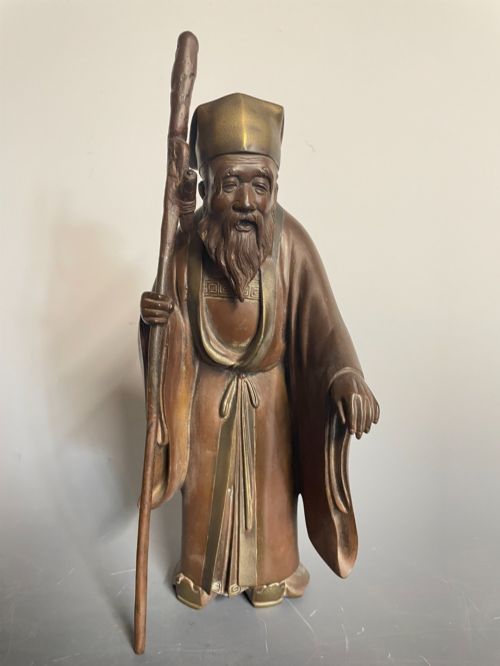
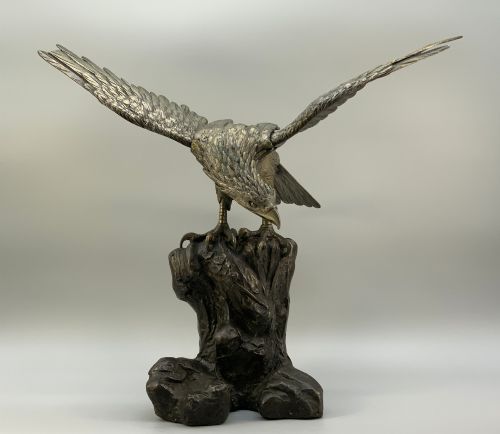
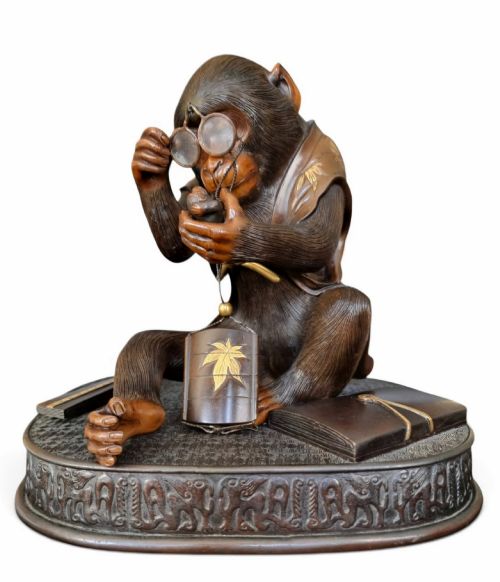
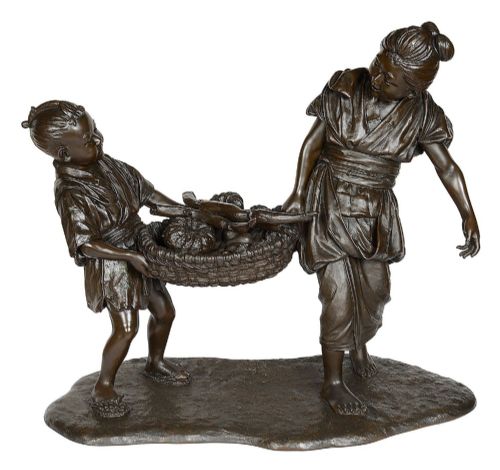
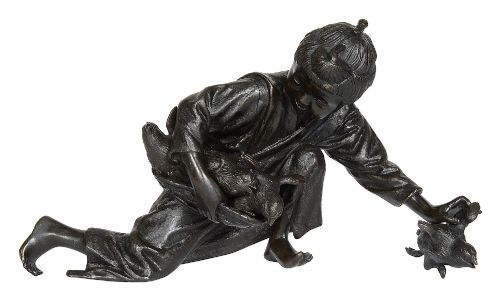
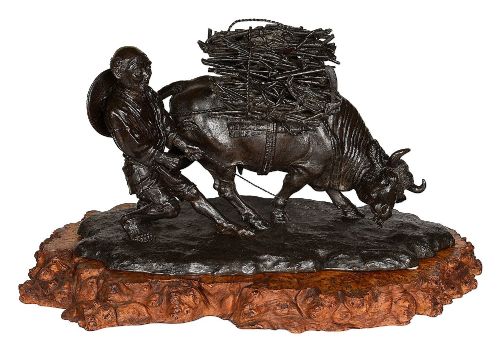
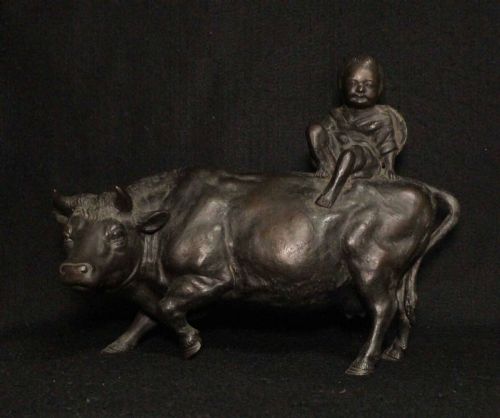
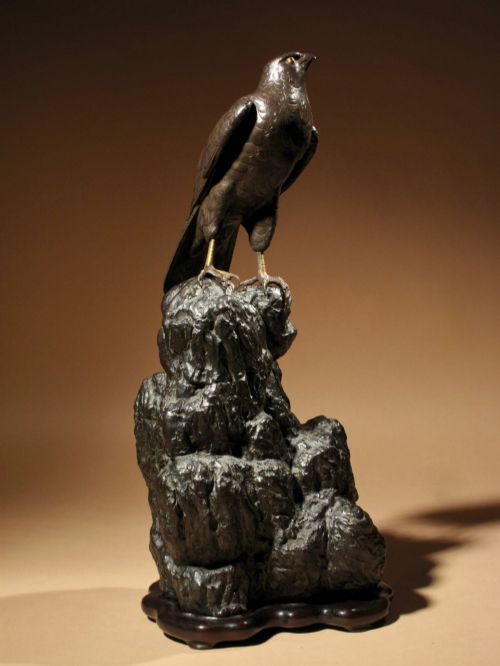
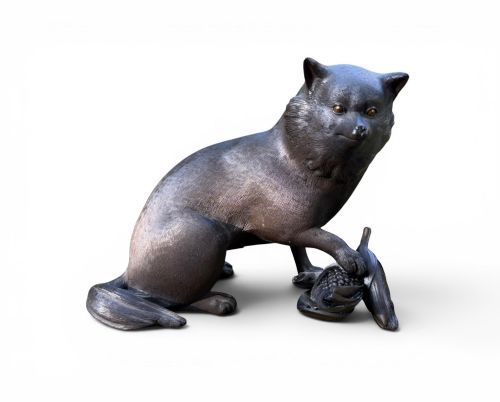
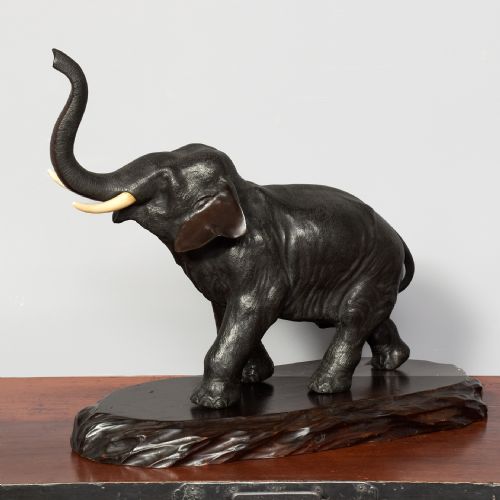
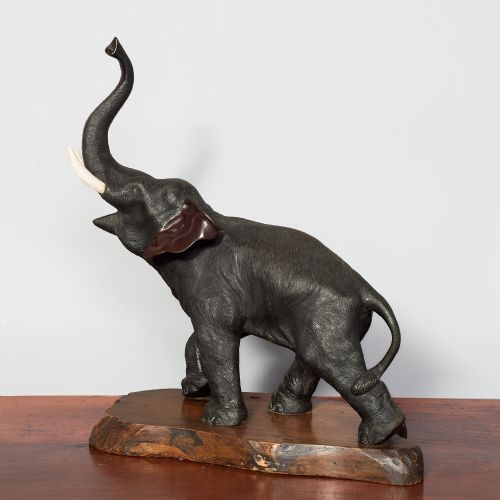
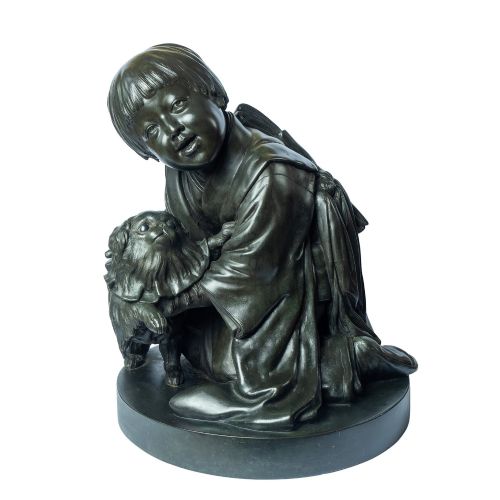
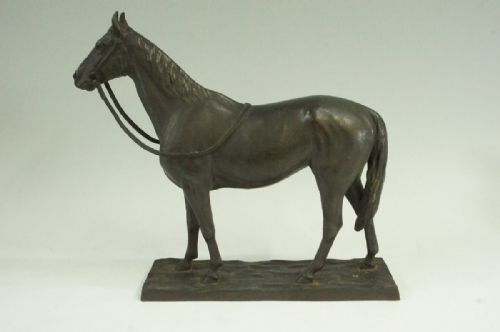
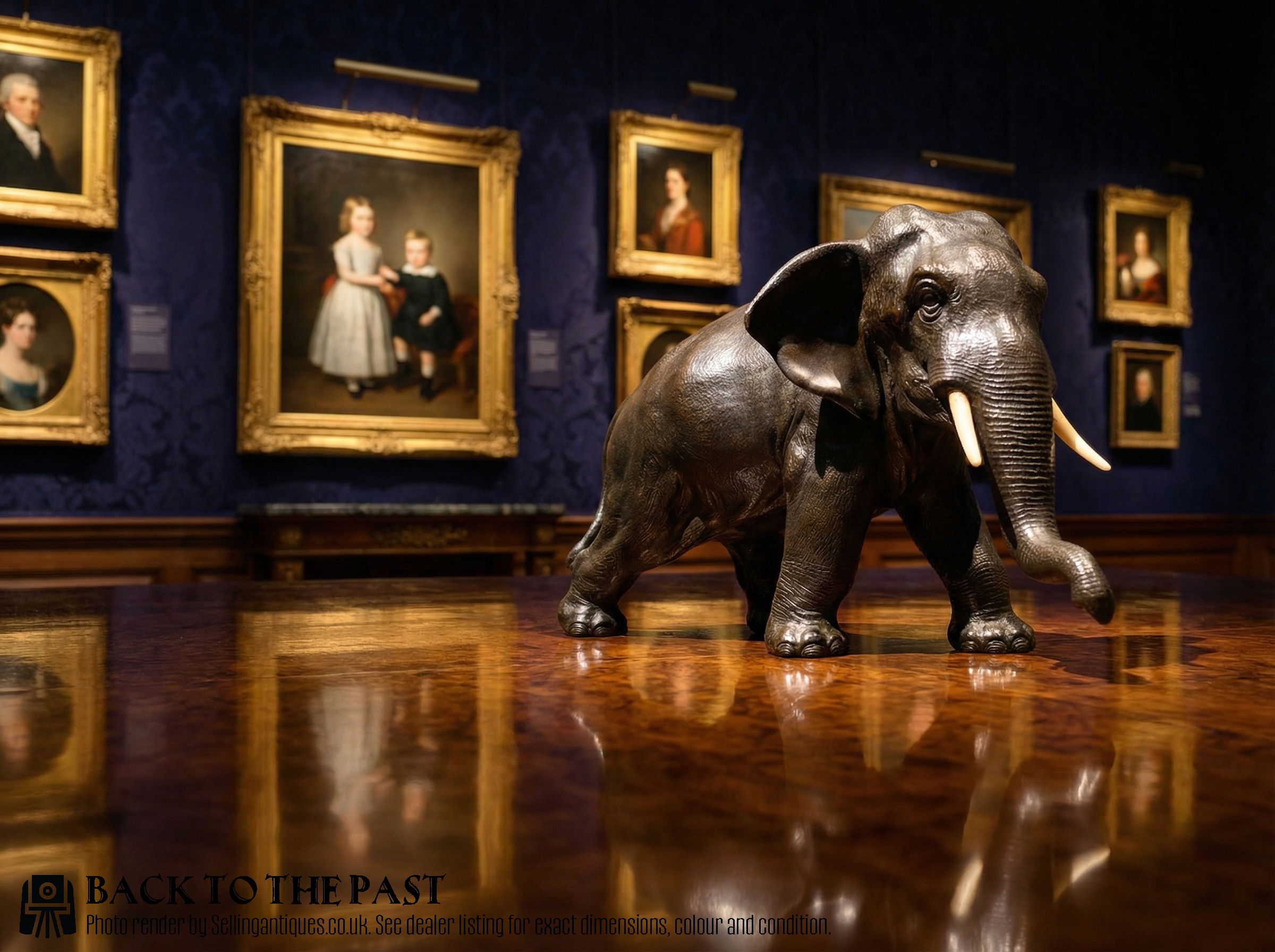
A meiji bronze sculpture encompasses figural okimono, garden statuary, and decorative vases produced during the Meiji period and subsequent early decades. You will frequently encounter representations of animals, birds, insects, and figures engaged in daily or mythic tasks.
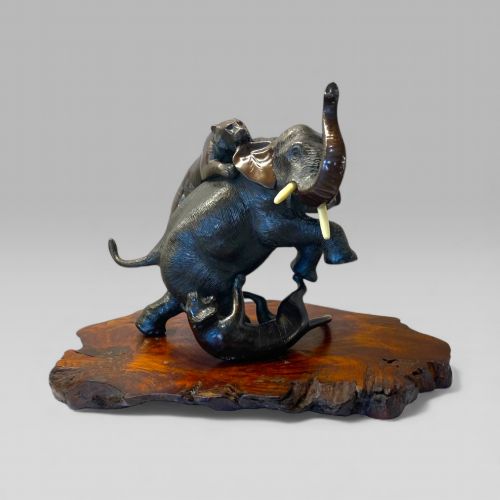
The objects range from small desk pieces to monumental garden sculptures and temple vases. Formats extend from single animal studies to complex dramatic scenes like elephants fighting tigers.
Makers utilised traditional casting methods to produce works that bridge decorative arts and naturalistic sculpture. These pieces reflect the shift in Japanese metalwork following the opening of trade during the late nineteenth century.

How they were made
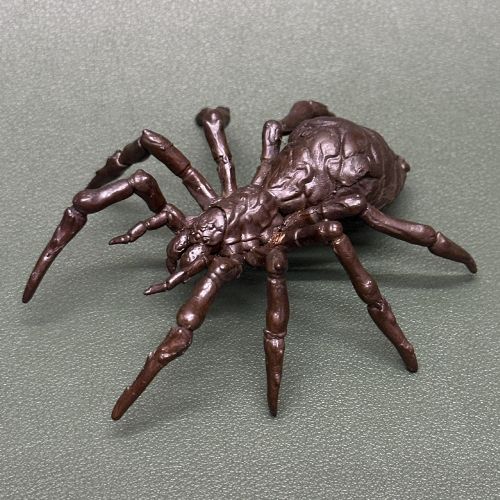
Foundries employed the lost-wax casting technique to capture intricate textures like feathers, fur, and carapaces. Artisans worked patinated bronze, often incorporating mixed metals, gold inlay, and shakudo to create tonal variation.
Some sculptures incorporate articulated limbs or separate components secured together. Details such as ivory tusks or bone additions appear in select animal and figure studies.
Meiji Bronze Sculpture Retail Price Guide 2026
Typical asking prices for meiji bronze sculpture among the pieces listed under this phrase on Sellingantiques today, from the lower quarter to the upper quarter. They describe what is for sale here now, not the wider market.
Listings feature items dated across the late nineteenth century and the early twentieth century, spanning bronze, mixed metal, and wood.
What varies in quality
Quality rests upon the precision of the casting and the sensitivity of the chisel work applied after the metal cools. Finer examples display meticulous feather texture, realistic musculature, and subtle patination rather than flat surfaces.
Signatures of celebrated makers or recorded foundry marks elevate a piece by documenting its origin. The complexity of the subject, such as multi-figure combat scenes or articulated bodies, also distinguishes standard production from masterworks.
Jomi Eisuke·Masaaki·Kunio Itô·Tsunemitsu·Kaniya Kuniharu·Sakai Kōzan·Seiunsai Miyamoto Sei·Unno Shomin·Haruyama Shunzan·Miyao Eisuke·Kaysuyama
The Meiji Bronze Sculpture Glossary
- Okimono
- A Japanese ornamental object designed for display on a shelf or in a tokonoma alcove. These sculptures represent animals, figures, and mythical beasts.
- Patinated bronze
- Metal treated with chemical solutions to produce a specific surface colour and tone. This finish protects the bronze while enhancing visual depth.
- Shakudo
- A Japanese alloy of copper and a small amount of gold that develops a dark blue-black patina when treated. It appears in select decorative elements and fittings.
- Minogame
- A mythical turtle with a trailing seaweed tail, symbolising longevity in Japanese folklore. Sculptures often pair the adult creature with young.
- Japonisme
- The nineteenth-century Western fascination with Japanese art and aesthetics. This movement influenced European design following the opening of Japanese trade ports.
Meiji Bronze Sculpture: Frequently Asked Questions
How do I care for bronze sculpture?
Bronze requires minimal maintenance beyond gentle dusting with a soft, dry cloth. Avoid using water, polishes, or chemical cleaners that can strip the original patina.
Keep the sculpture away from direct sunlight and damp environments to preserve the stability of the metal and any secondary materials.
What subjects are most common?
Animal studies form a large portion of the works, featuring elephants, tigers, monkeys, birds, and insects like beetles and spiders. Human figures include woodcutters, scholars, farmers, and mythological demons.
Many compositions capture dynamic narratives, such as predators interacting or animals caught in unexpected moments.
How can I identify Meiji period work?
Meiji period pieces date between eighteen sixty-eight and nineteen twelve, aligning with the reign of the Emperor Meiji. Look for naturalistic detailing, skilful patination, and traditional foundry signatures.
Many sculptures bear cast or engraved artist signatures on the underside or base, connecting the piece to known Japanese workshops.