

Dark Brown Bronze
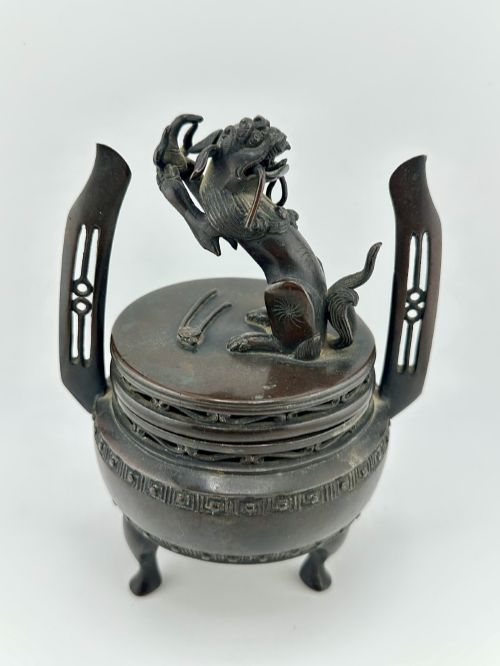
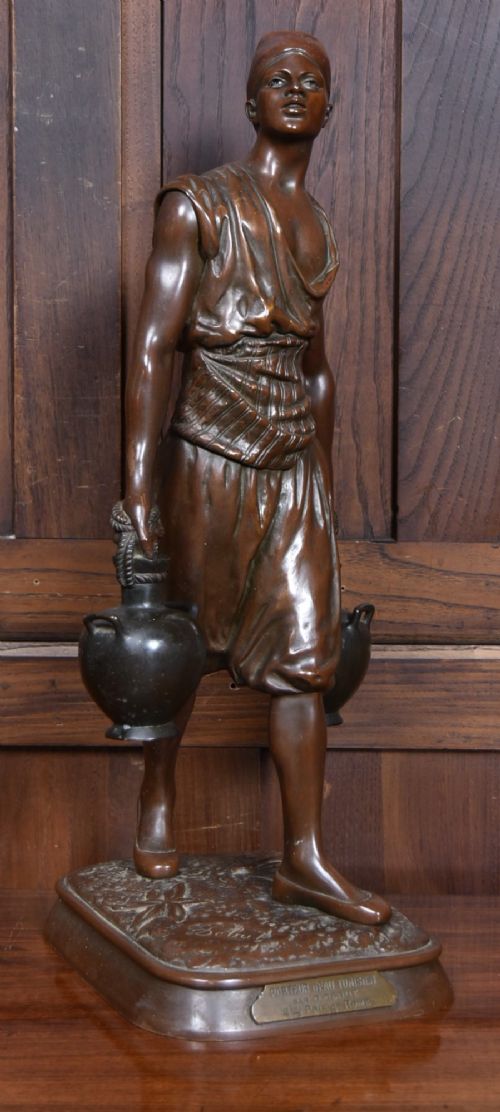
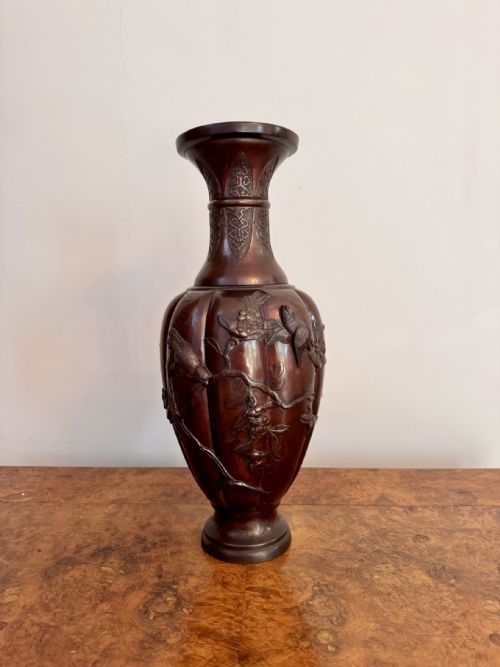
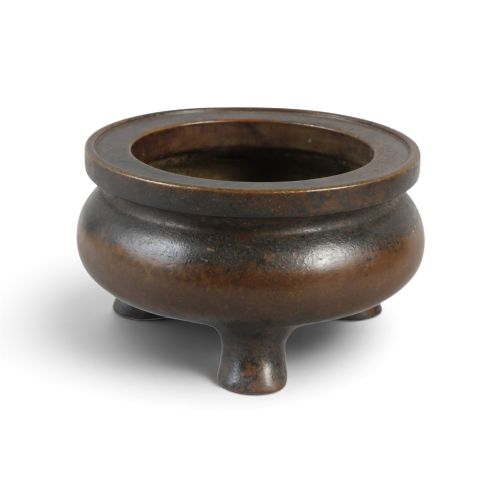
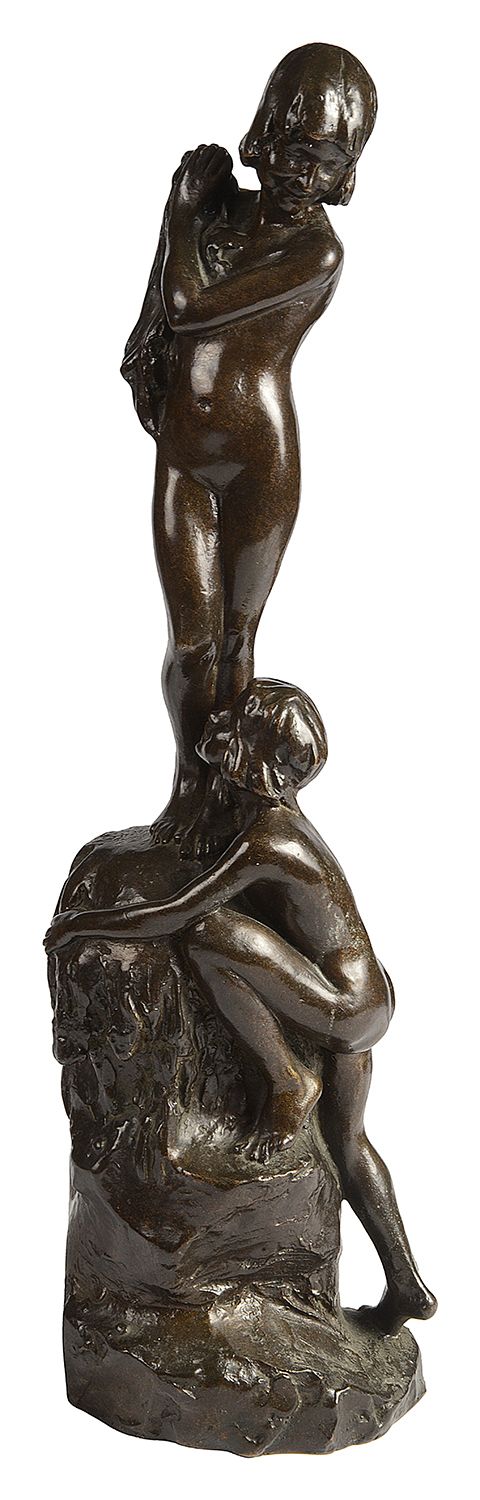
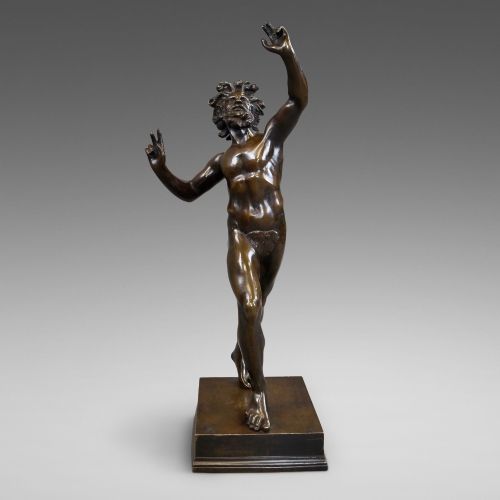
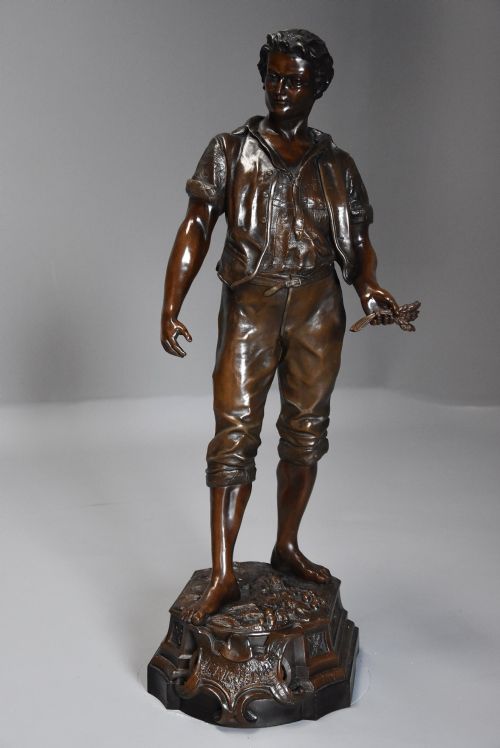
When you search for dark brown bronze, you are looking at cast metal patinated to deep earthy tones, spanning animalier groups and grand tour souvenirs.
Dark Brown Bronze
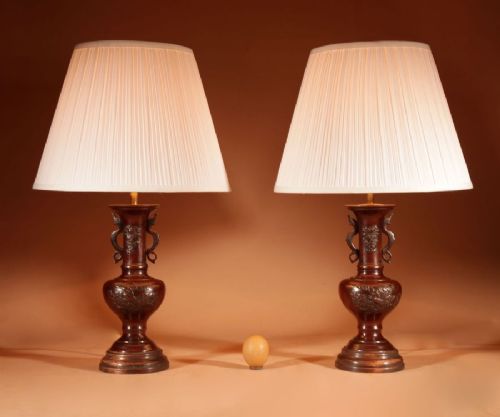
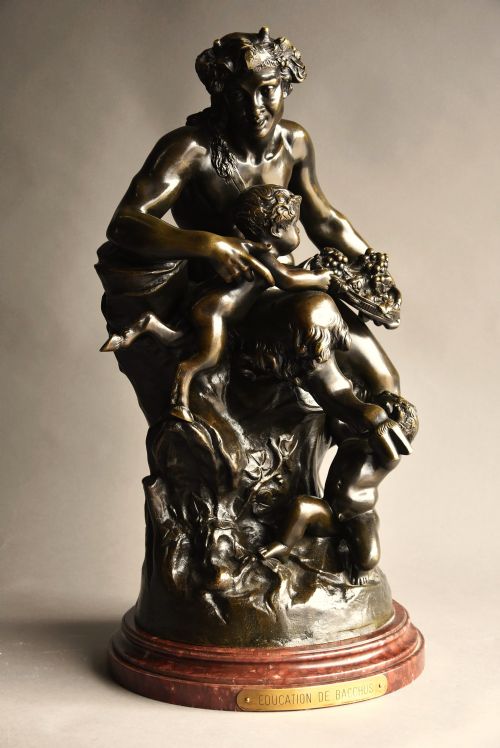
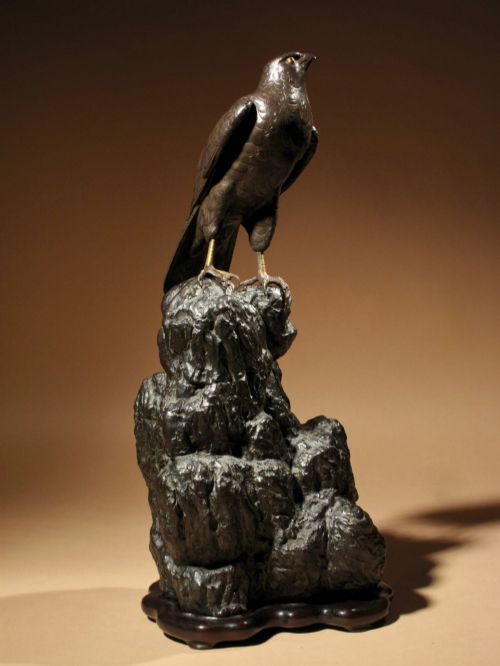
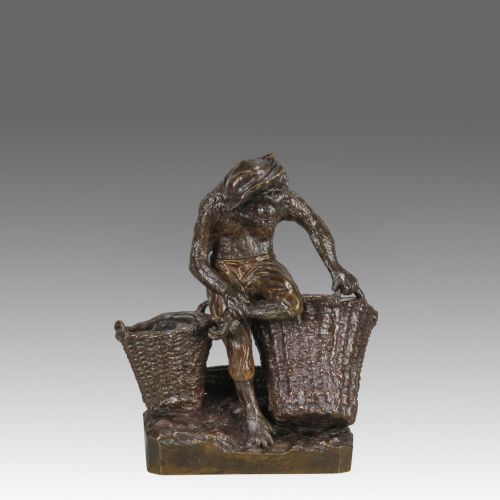
Dark brown bronze pieces encompass sculptural works, vessels, and household objects cast in metal and finished with rich, dark patination. You will encounter nineteenth-century French animalier studies, Japanese Meiji period vases and okimono, and Italian grand tour souvenirs.
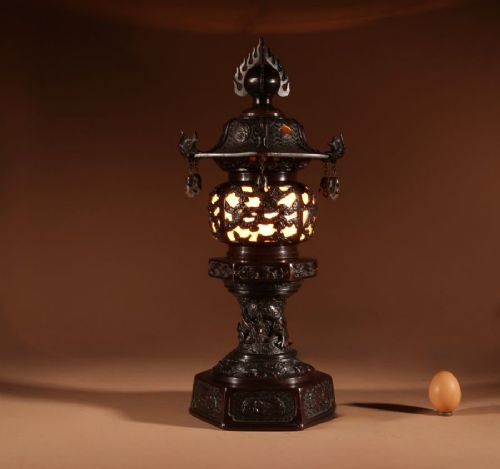
The selections span figures of animals and mythological subjects alongside utility items like censers and table lamps. These items reflect European academic modelling and East Asian metalworking traditions from the nineteenth and early twentieth centuries.
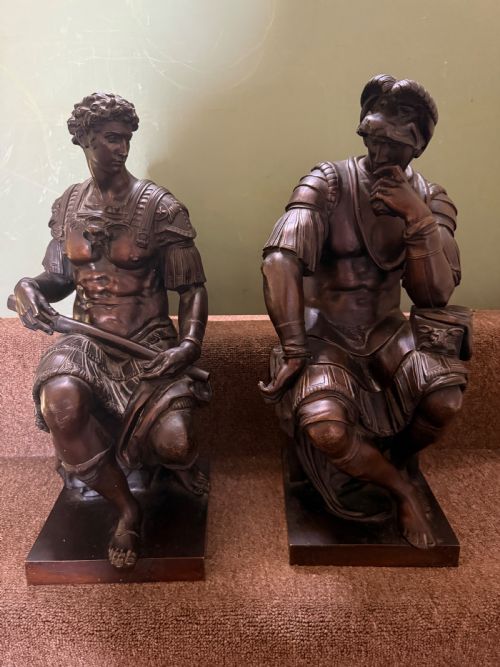
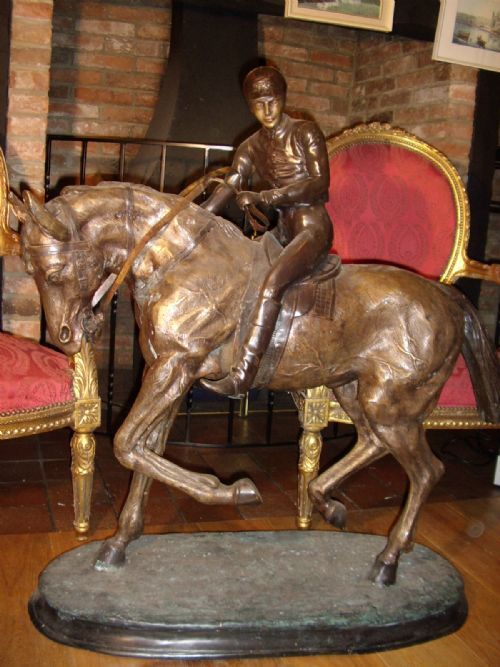
Makers utilised patination techniques to achieve deep chestnut and chocolate surfaces on bronze, spelter, and associated materials like marble and wood. Pieces vary from small cold-painted Austrian fauna to monumental French racing horses and classical figures.
How they were made
Foundries employed the lost-wax casting method or sand casting to create these figures, allowing for intricate detail in fur, plumage, and drapery. Molten metal poured into moulds captured the nuances of sculptors' original models before workers chased the surface with chisels and files.
Chemical patination was applied to the finished metal surface using acids and heat to produce the characteristic dark brown tones. Cold-painted Austrian examples received layers of polychrome pigment applied over a metallic base.
Dark Brown Bronze Retail Price Guide 2026
Typical asking prices for dark brown bronze among the pieces listed under this phrase on Sellingantiques today, from the lower quarter to the upper quarter. They describe what is for sale here now, not the wider market.
Listings feature items from the 17th century through the 1920s, utilising bronze, spelter, marble, and wood across diverse global traditions.
What varies in quality
The definition and crispness of the chasing separate standard castings from superior examples. Master founders retained sharp musculature and fine textures, whereas inferior casts lost detail through worn moulds or hurried finishing.
The depth and durability of the patination indicate the skill applied in the workshop. Richly layered chemical finishes provide a stable, glowing dark surface that contrasts with flat or patchy applications.
Jomi Eisuke·F.Milliot·Pierre Jules Meme·Christophe Fratin·Alfred Dubucand·Alfred Barye·Franz Bergman·Aurore Onu Cymbal Dance·Jean-Baptiste Carpeaux·Jules Dalou·Coustou·Isidore Jules Bonheur·Dopmeier·Tsunemitsu 常光·Franz Gruber
The Dark Brown Bronze Glossary
- Animalier
- A nineteenth-century artistic movement focusing on the realistic depiction of animals. Sculptors in France and Austria specialised in capturing quadrupeds in motion or repose.
- Patination
- The process of treating a metal surface with chemicals and heat to alter its colour. This creates the dark brown or black skin characteristic of antique bronzes.
- Spelter
- An alloy of zinc and copper used as an economical alternative to bronze. It was frequently cast in France during the nineteenth century and given a bronze-coloured finish.
- Okimono
- A Japanese decorative object designed for display on a shelf or tokonoma. These carved or cast figures often depict animals, insects, or human subjects from the Meiji period.
- Grand Tour
- A traditional trip through Europe undertaken by young upper-class men to study classical art. Souvenirs included small bronze reductions of famous sculptures and architectural models.
Dark Brown Bronze: Frequently Asked Questions
How do I clean dark brown bronze?
Dust surfaces gently with a soft, dry brush to prevent the accumulation of grit in recessed details. Avoid using water, soap, or metal polishes, as these agents strip away the historic patination.
Apply a microcrystalline wax sparingly if the metal appears dry, buffing it lightly with a clean cloth. Professional conservation is recommended for pieces showing active corrosion or flaking finish.
What is the difference between bronze and spelter?
Bronze is an alloy primarily composed of copper and tin, offering high tensile strength, durability, and a capacity for sharp casting detail. Spelter is a softer zinc-based alloy that is lighter and more brittle.
Spelter figures were often painted or treated with a dark bronze finish to imitate genuine metal. Examining the underside or felt base often reveals the lighter grey colour of the base metal where the finish has worn.
How can I date a dark brown bronze sculpture?
Dating relies on stylistic markers, foundry marks, signatures inscribed in the base, and the nature of the patination. Nineteenth-century works frequently bear the stamp of Parisian or Viennese foundries alongside the artist's signature.
Wear patterns on the underside, the type of securing screws or bolts, and historical records of the sculptor's working dates provide further confirmation of the period.
Where should I display bronze figures at home?
Place heavy sculptures and vases on stable, level surfaces away from high-traffic areas where they might be knocked over. Ensure pieces avoid direct sunlight and damp environments to protect the integrity of the patinated surface.
Pairing bronze works with wood furniture or marble surfaces highlights the tonal depth of the dark brown finish. Adequate lighting from a nearby lamp accentuates the modelled contours and texture of the casting.