



Patinated Bronze Okimono
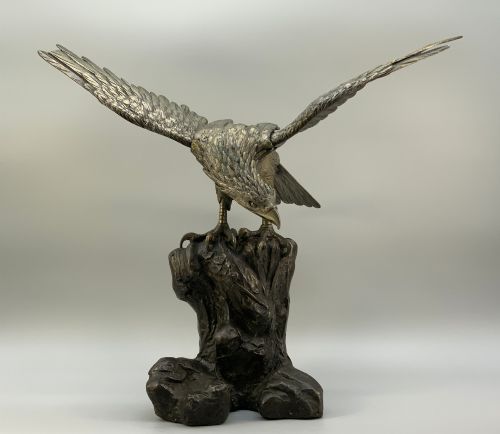
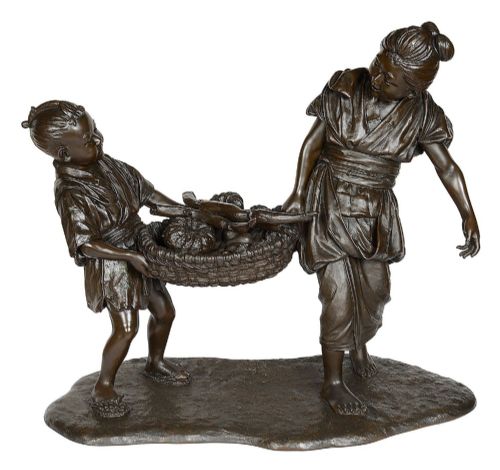
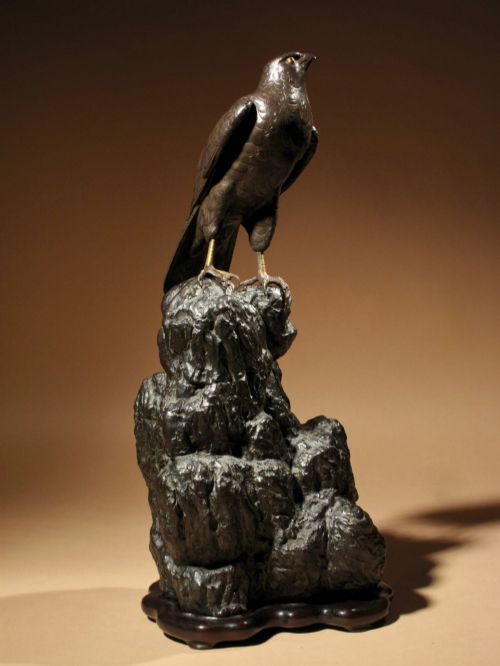
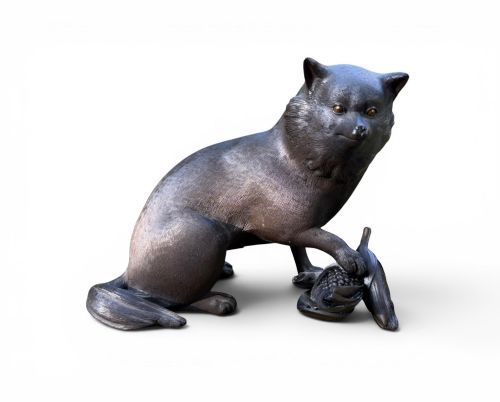
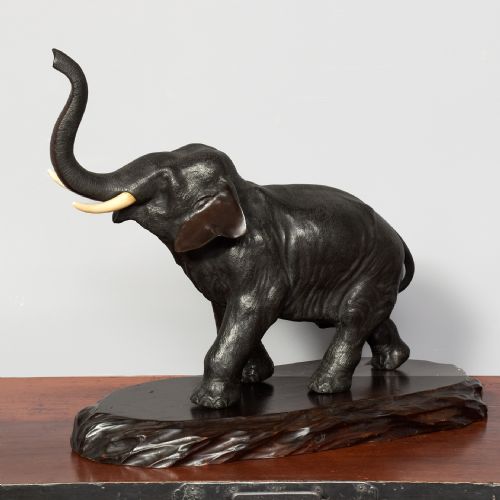
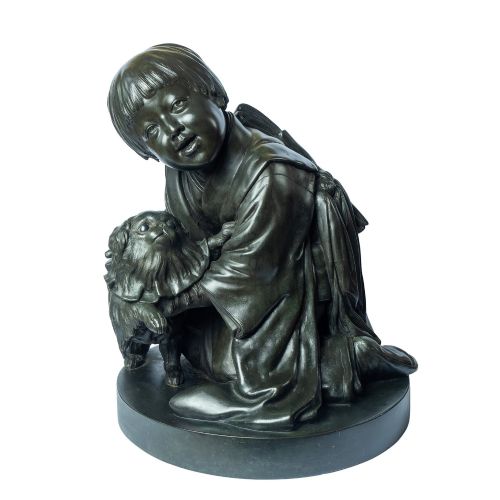
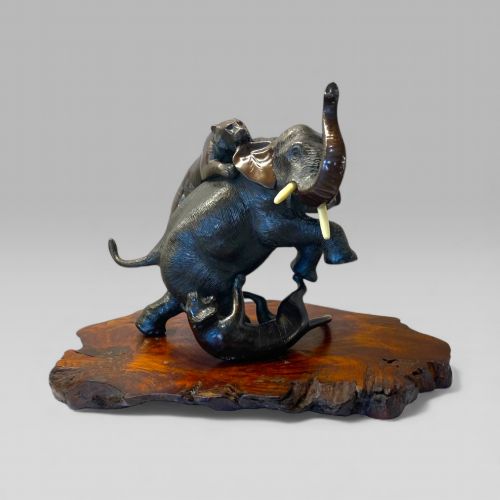
These patinated bronze okimono are Japanese decorative sculptures that bring remarkable animal subjects into your interior.
What patinated bronze okimono are
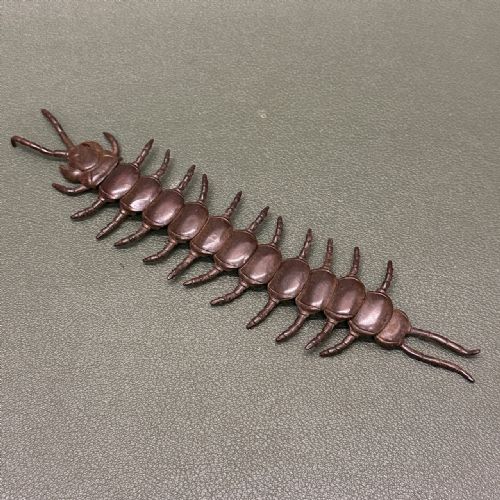
Most examples date from the nineteenth century, specifically around eighteen ninety, while others extend into the nineteen twenties. They range from large sculptural representations of predatory birds and mammals to smaller depictions of insects and domestic animals. Each piece reflects the detailed observational style typical of Japanese metalwork from this era.
How they were made
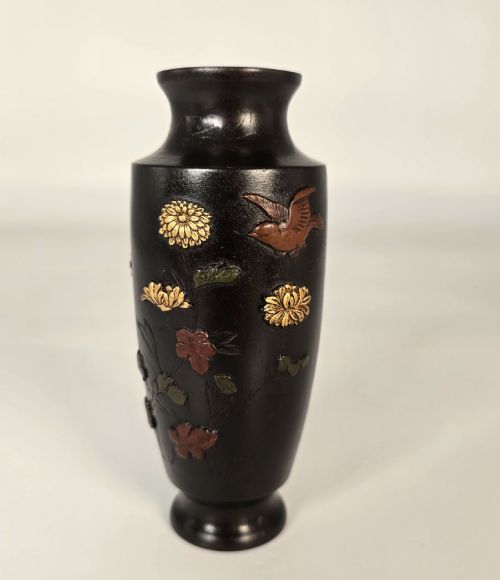
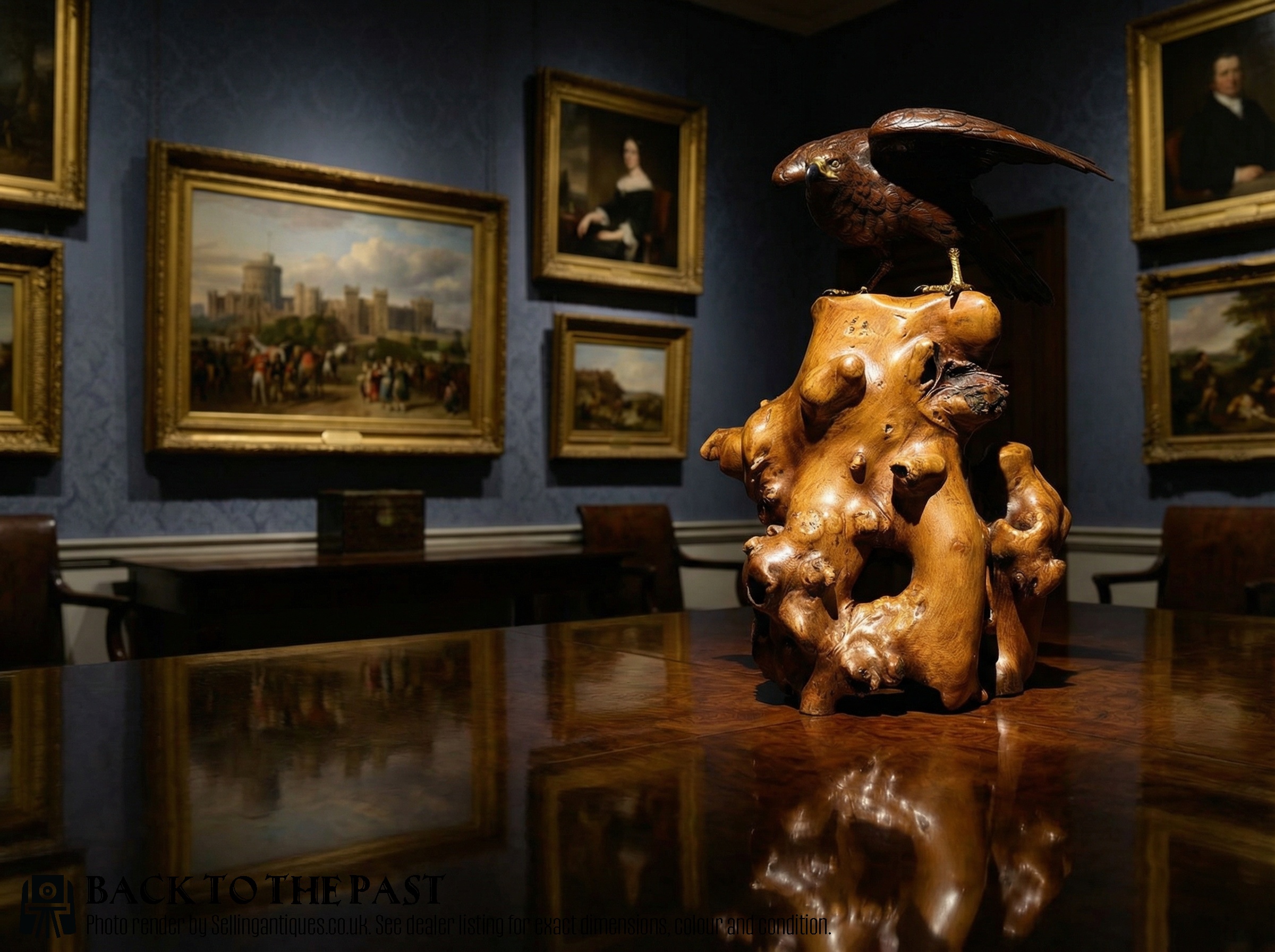
These sculptures are produced using bronze, utilising chemical treatments to achieve dark patinated finishes across the metal surfaces. Certain examples integrate gilt highlights or are paired with rootwood elements to provide textural contrast and support for the main bronze figures.
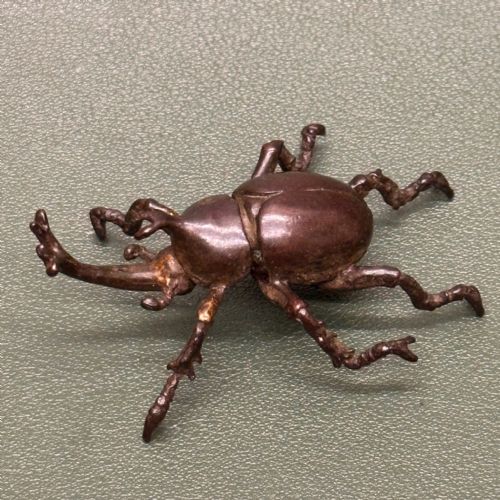
The making relies on traditional casting and finishing techniques that capture fine anatomical details in subjects such as birds of prey, beetles, and quadruped animals. Makers apply patination to accentuate the textures of fur, feathers, and hard shells.
Retail Price Guide 2026
Typical UK retail prices for patinated bronze okimono, calculated from the Sellingantiques database of over a million retail prices indexed since 2003. This retail price guide relies exclusively on Sellingantiques data; no external sources or auction records are used, so the figures do not describe the wider market.
Beetles and puppies share the metal stage with fierce wolves and eagles.
What varies in quality
Quality in these sculptures rests upon the precision of the casting and the sensitivity of the finishing work. Superior examples capture anatomical accuracy and lively posture in subjects like wolves, bears, and birds of prey.
The depth and control of the patination further distinguish finer pieces, where chemical tones create realistic shading on feathers, fur, and carapaces. Material combinations, such as the integration of rootwood or gilt, introduce additional levels of craftsmanship.
Kaniya Kuniharu
The Patinated Bronze Okimono Glossary
- Okimono
- A Japanese decorative sculpture designed for display on a shelf or in a tokonoma alcove. These objects range from naturalistic animal figures to human subjects.
- Patinated bronze
- Bronze metal treated with chemical solutions to produce a controlled surface colour or tone. This process darkens the metal and highlights fine details.
- Meiji period
- The era of Japanese history lasting from eighteen sixty-eight to nineteen twelve. Metalwork from this time is noted for exceptional technical skill.
- Gilt
- A thin layer of gold applied to the surface of the bronze. This technique creates contrasting metallic highlights.
Frequently Asked Questions
What is a patinated bronze okimono?
These pieces are Japanese decorative sculptures made from bronze with treated surface patination, depicting natural subjects like animals and insects.
They originate primarily from the Meiji period and the late nineteenth to early twentieth centuries.
How do I date these sculptures?
Dating relies on stylistic characteristics associated with the Meiji period and specific production markers recorded around eighteen ninety or nineteen twenty.
Most surviving examples from this group date to the nineteenth century.
Where should I place an okimono?
These sculptures suit display surfaces where their detailed animal forms and patinated finishes can be observed closely.
They function well as standalone decorative objects within a room.
What subjects do these sculptures depict?
The available pieces portray a variety of animals, including eagles, hawks, bears, wolves, puppies, and rhinoceros beetles.
These subjects reflect a strong interest in naturalistic representation during the Meiji period.