



Japanese Bronze Figurine
These japanese bronze figurine examples bring detailed animal and human forms into a room, shaped through distinct Meiji and Showa periods.
Japanese Bronze Figurine
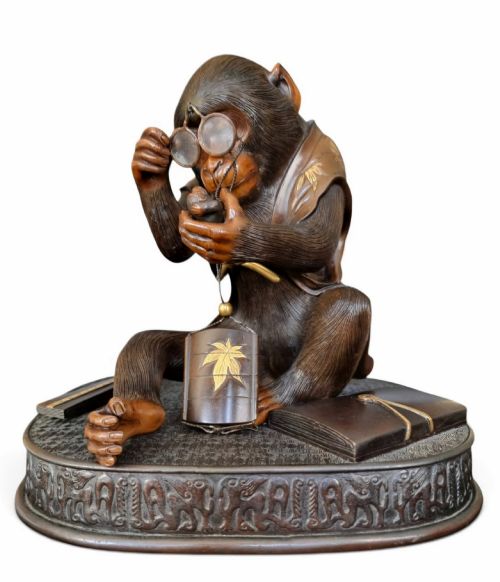
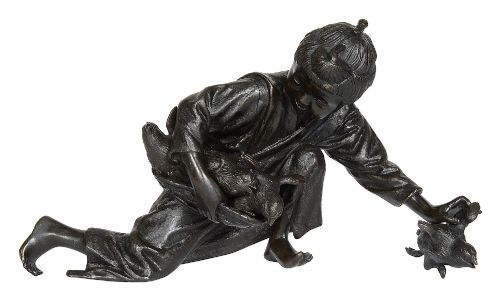
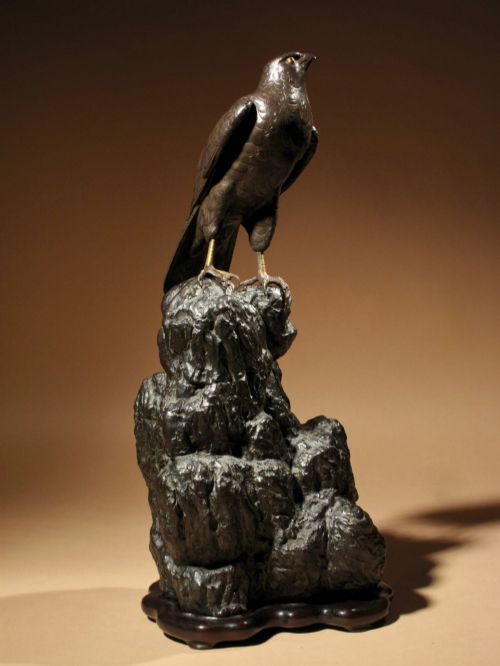
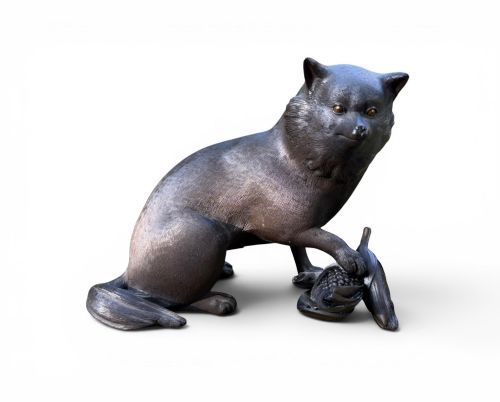
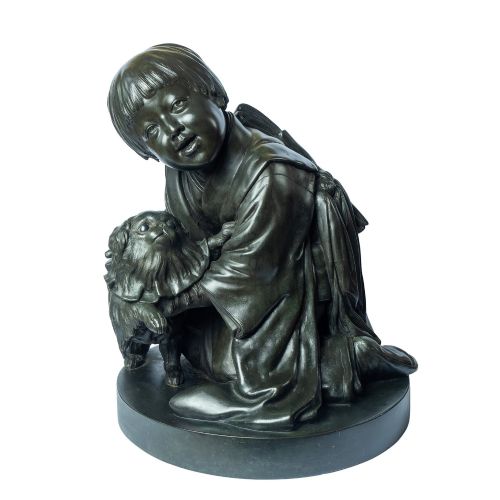
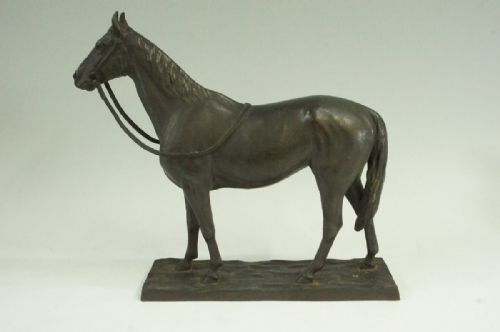
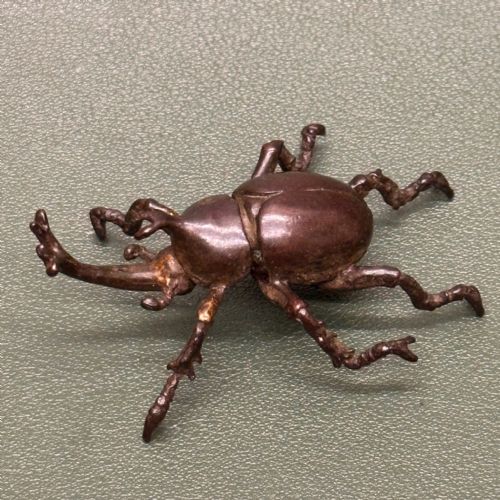
A japanese bronze figurine is typically encountered as an okimono or standalone sculpture depicting animals, figures or mythical subjects. The listings span the nineteenth century, including the Meiji and Taisho periods, down to the Showa period. Forms range from a scholar monkey and a girl gathering chickens to hawks, elephants and tigers.
Most items on this page originate from Japanese workshops active in the late nineteenth and early twentieth centuries. Sculptures often capture dynamic moments, such as an elephant fighting with two tigers or a rat clutching a chestnut. These bronze works reflect traditional craftsmanship directed toward decorative and sculptural display.
Assessing quality in bronze figures
Quality rests in the fidelity of the casting and the sensitivity of the chisel work applied to surface details like fur, musculature and expression. Stronger examples display a lively posture and convincing weight, whereas lesser pieces can feel stiff or lack definition.
Signed works and those incorporating mixed metals or intricate inlay generally demonstrate higher artistry from named workshops and makers. The depth and stability of the original patination also contribute to the lasting character of the piece.
Listings feature bronze, patinated bronze, wood, bone, gold inlay, copper, mixed metals and hardwood across the Meiji, Taisho and Showa periods.
Tsunemitsu·Kunio Itô·Masaaki·Haruyama Shunzan·Unno Shomin·Miyao
The Japanese Bronze Figurine Glossary
- Okimono
- A Japanese ornamental statue or figurine designed for display on a shelf or in a tokonoma alcove. These objects range from naturalistic animal studies to mythical figures.
- Meiji Period
- The era in Japanese history lasting from 1868 to 1912, associated with rapid modernisation and exceptional metalwork production. Many decorative bronzes date from this time.
- Patinated bronze
- Bronze that has been treated with chemicals or heat to alter its surface colour and tone. This finish protects the metal and highlights fine sculptural details.
- Mixed metals
- An artistic technique combining various metallic alloys, such as copper, silver and gold, within a single piece to create contrasting colours and textures.
Japanese Bronze Figurine: Frequently Asked Questions
How do I date a Japanese bronze?
Dating relies on stylistic markers, historical periods such as the Meiji or Showa eras, and occasional artist signatures or foundry marks. The complexity of the casting and the nature of the patination also offer clues.
Many nineteenth-century pieces reflect a high degree of naturalism influenced by international exhibitions and changing production methods.
Where should I display a bronze figure?
These sculptures suit stable, flat surfaces such as sideboards, cabinets or desks where they can be appreciated at close range. Placing them away from direct moisture helps preserve the surface patination.
Some pieces are mounted on original hardwood bases that complement the sculpture and protect underlying furniture.
What animals are commonly depicted?
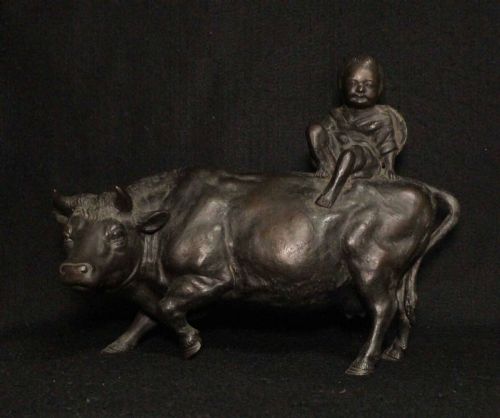
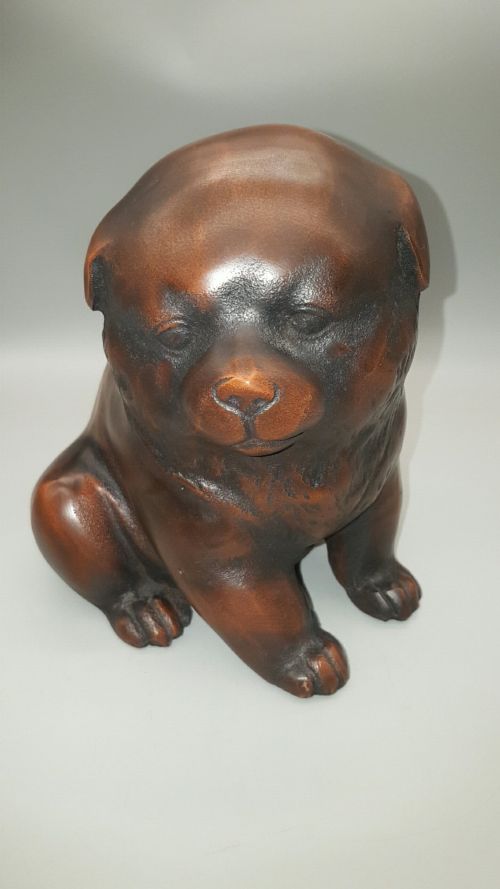
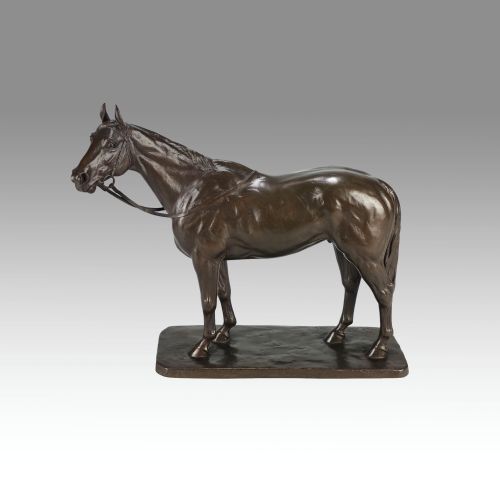
The available listings feature a wide variety of creatures, including elephants, tigers, monkeys, horses, dogs, hawks and even rhinoceros beetles. Each animal is often captured in a characteristic pose or interaction.
Artists observed nature closely, translating fur, feathers and movement into durable metal forms.