


Bronze Elephant Statue
These bronze elephant statue examples bring solid nineteenth-century animalier form and diverse cultural craft straight to your collection.
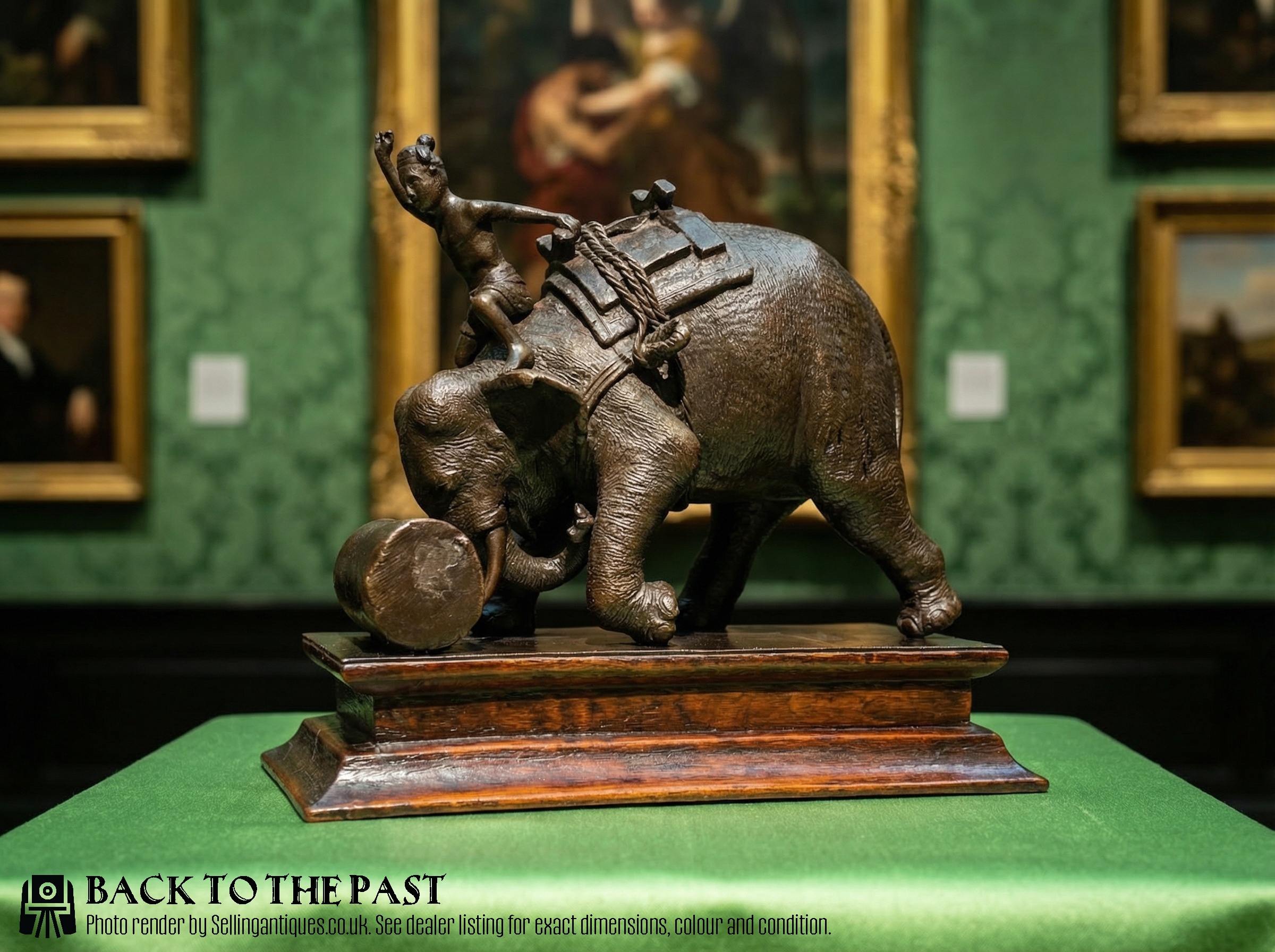
Bronze Elephant Statue
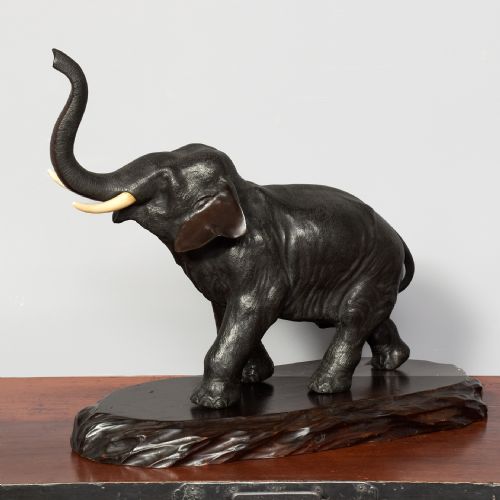
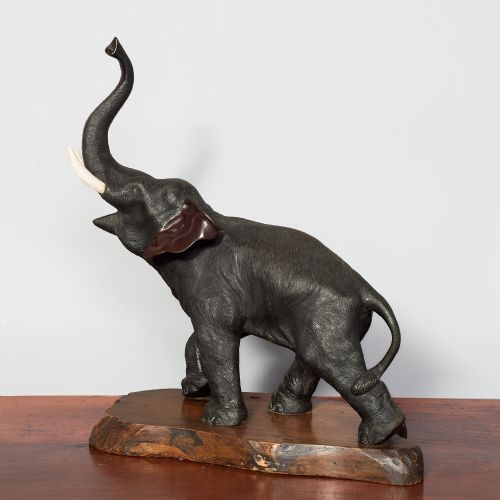
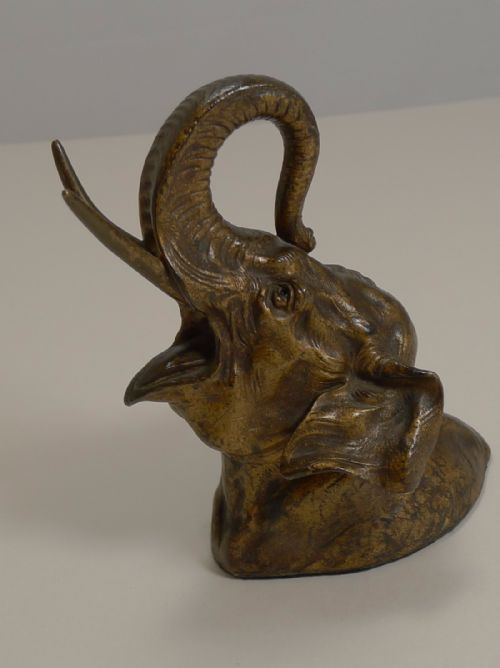
A bronze elephant statue captures the animal in various scales and regional traditions, spanning nineteenth-century Indian, Burmese, and Japanese Meiji pieces alongside European works. You encounter large engraved Indian sculptures with riders, French figural inkwells, and detailed Japanese okimono pieces.
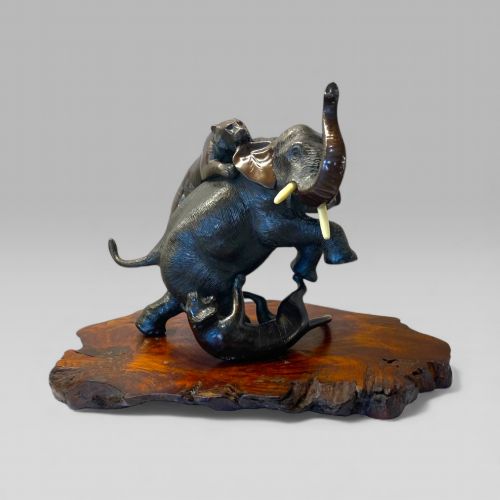
The Japanese Meiji period examples often depict dramatic struggles with tigers, showcasing the dynamic casting typical of late nineteenth-century workshops. Other variations include naturalistic bases, diamond eyes, and bone or ivory tusks fitted to the heavy bronze bodies.
Victorian English and continental models round out the selection, bringing different regional interpretations of wildlife figures into domestic interiors. Most pieces date from the late nineteenth century through to the early decades of the twentieth century.

How they were made
Foundry workers cast these figures primarily in bronze, frequently combining the metal with organic elements such as bone or ivory for the tusks. Some Japanese and continental pieces incorporate inset details like diamond eyes or detailed surface engraving.
Makers mounted several Japanese examples on naturalistic bases to anchor the heavy bronze sculptures of elephants and fighting tigers. Artisans finished the surfaces with nuanced patination, chasing, and fine toolwork to define the skin texture and harness details.
Object forms range from large standalone animal sculptures and okimono to functional Victorian and continental inkwells.
What varies in quality
The refinement of the casting and the precision of the chasing set individual pieces apart, distinguishing fluid anatomy from stiff rendering. Naturalistic detail in the musculature and the expressiveness of the subject matter drive the distinction between ordinary and superior examples.
The presence of integrated elements like original ivory tusks, distinct signature work, or complex narrative scenes such as tiger attacks elevates the stature of a bronze elephant statue. Superior patination and complex multi-figure compositions reflect greater ambition in the original workshop.
Tsunemitsu 常光·Ernest Louis Adnin
The Bronze Elephant Statue Glossary
- Okimono
- A Japanese decorative statue designed for display on a shelf or in a tokonoma alcove. These sculptures focus heavily on naturalistic wildlife subjects.
- Meiji Period
- The era in Japanese history spanning from 1868 to 1912, known for exceptional metalwork and bronze casting exported to Western markets.
- Animalier
- The realistic artistic nineteenth-century representation of animals, particularly in bronze sculpture. Practitioners focused on capturing the accurate anatomy and movement of wildlife.
- Patina
- The surface coloration and sheen developed on bronze either naturally over time or through chemical application by the founder. It protects the metal and defines the visual depth of the sculpture.
Bronze Elephant Statue: Frequently Asked Questions
What periods do these bronze elephant statues cover?
The selection spans from the nineteenth century through the early twentieth century, taking in Victorian, Meiji period, and Edwardian eras. Most pieces cluster around the late 1800s and early 1900s.
You will find specific regional dates recorded in individual listings, reflecting Japanese Meiji casting, Burmese work, and European foundry dates.
How were these bronze elephant figures used originally?
Many served as decorative okimono or standalone wildlife sculptures meant for display in domestic interiors and studies. Others fulfilled practical purposes, such as the figural bronze inkwells produced in France.
The larger Indian and Japanese pieces functioned purely as display art, celebrating the form of the animal through detailed engraving and dynamic action scenes.
What materials accompany the bronze in these pieces?
Makers frequently incorporated bone or ivory for the tusks, adding contrasting texture to the heavy metal bodies. Some Japanese examples feature inset diamond eyes and are mounted onto naturalistic wooden or bronze bases.
Surface treatments include fine engraving, varied patination, and chased details that highlight the skin folds and harness trappings of the animals.
How do Japanese Meiji pieces differ from other versions?
Japanese Meiji period sculptures often depict dramatic narratives, such as an elephant fighting with tigers, rendered with high technical skill. They frequently bear artist signatures and feature intricate surface work on naturalistic bases.
In contrast, Indian examples tend to feature ceremonial trappings and riders, while European works include functional items like inkwells or straightforward Victorian wildlife figures.