


Bronze Animal Statuette
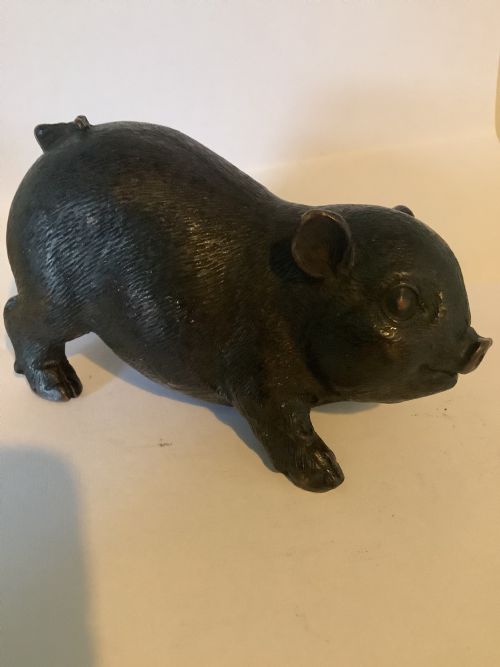
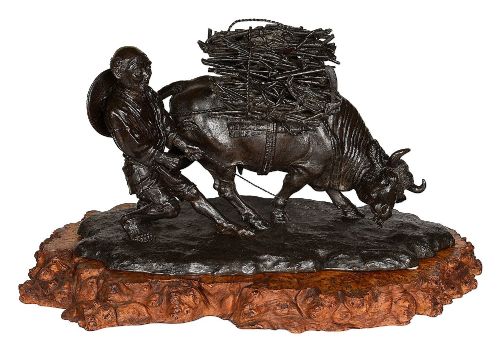
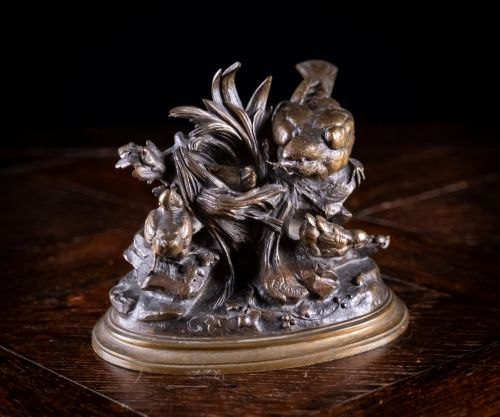
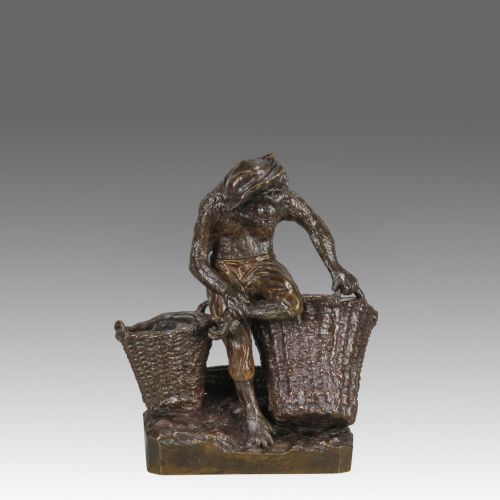
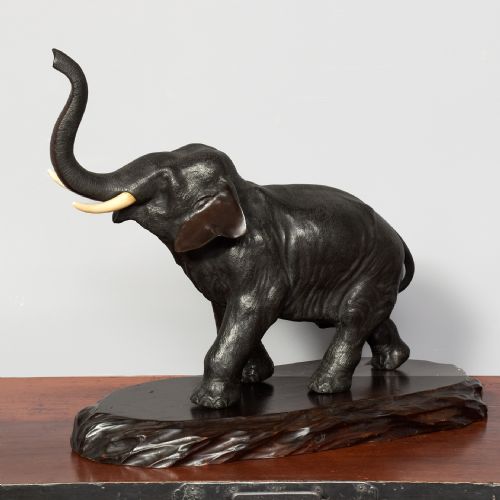
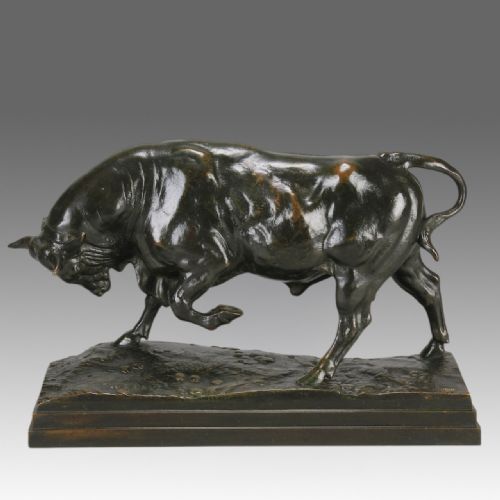
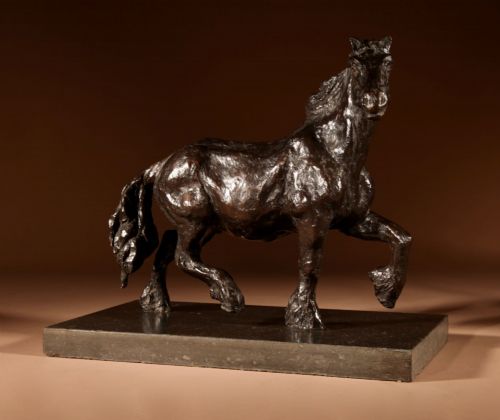
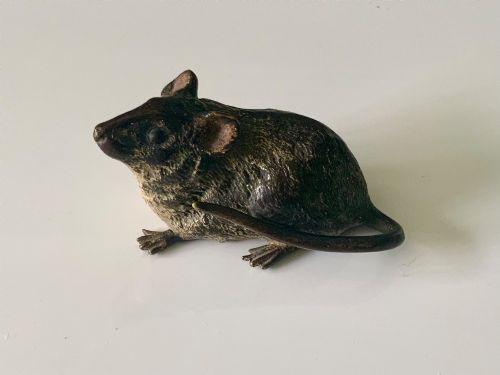
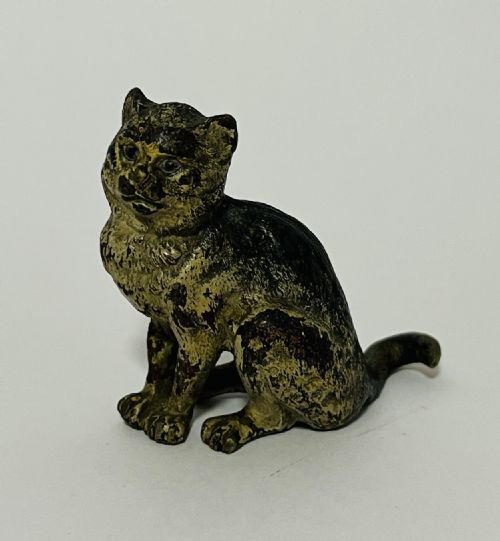
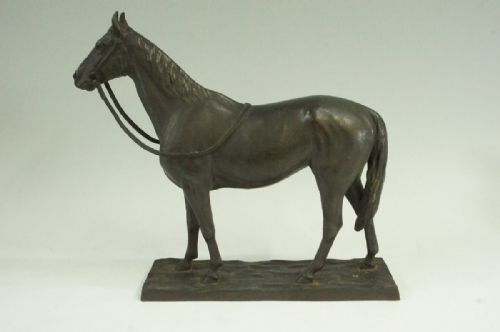
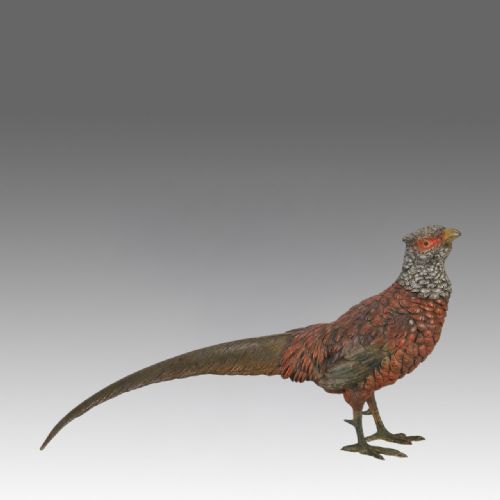
These bronze animal statuette pieces bring character and finely cast detail to a room, offering everything from Austrian cold-painted foxes to French animalier hares.
Understanding the Bronze Animal Statuette
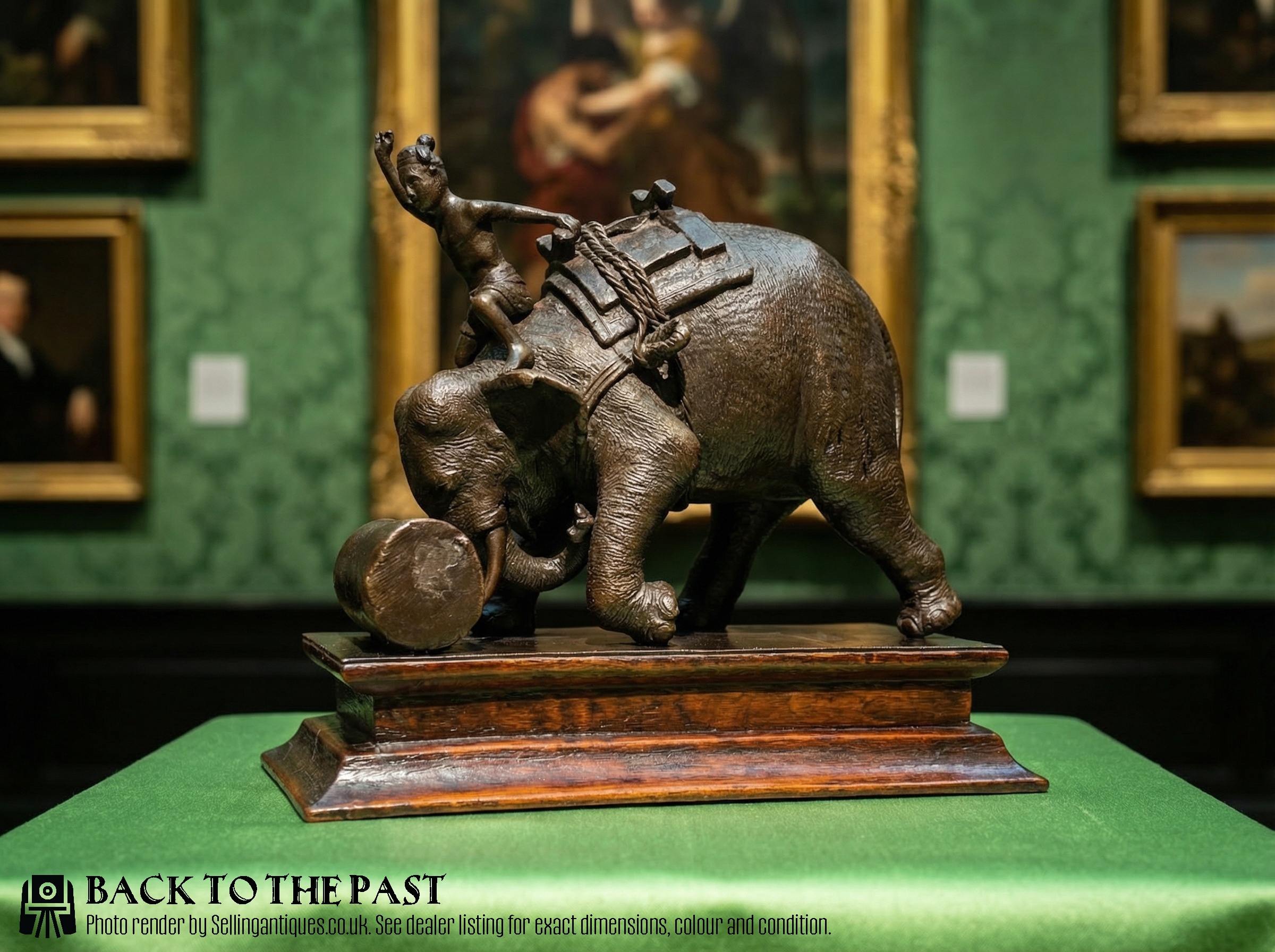
A bronze animal statuette captures living forms in cast metal, ranging from nineteenth-century French animalier hounds and hares to early twentieth-century Austrian cold-painted birds and foxes. These sculptures span diverse aesthetic movements including Art Deco, Mannerist, and Burmese traditions.
Collectors encounter works mounted on bases of green onyx or stone, alongside freestanding figures such as pacing bulls and standing cockerels. The selection reflects centuries of sculptural practice, moving from seventeenth-century Mannerist interpretations to twentieth-century Vienna bronzes.
Materials and Construction
Makers cast these pieces in bronze, occasionally mounting the finished metal figures onto bases fashioned from green onyx or stone, and sometimes incorporating hardwood components. Surface treatments include cold-painted pigments and enamel highlights applied over the bronze or metal base.
The technique relies on traditional metal casting methods, followed by hand-chasing to define the fur, feathers, and anatomical contours of each subject. Cold painting requires careful application of colour directly onto the cured bronze surface without subsequent firing.
Retail Price Guide 2026
Typical UK retail prices for bronze animal statuette, calculated from the Sellingantiques database of over a million retail prices indexed since 2003. This retail price guide relies exclusively on Sellingantiques data; no external sources or auction records are used, so the figures do not describe the wider market.
Even a stern bronze bull cannot resist the charm of a perched bird sharing its cabinet space.
Distinctions in Quality
Quality rests in the fidelity of the casting and the crispness of the chased detail across the fur and plumage. Master works demonstrate anatomical precision and lifelike posture, whereas lesser examples lose definition in the extremities and textures.
The preservation of the original cold-painted surface or enamel significantly elevates a piece, as does the integration of appropriate mounting materials like green onyx. Finer sculptures bear the distinct touch of renowned founders and modellers, distinguishing them from generic studio output.
Franz Bergman·Antoine Louis Barye·Alfred Dubucand·Giambologna
The Bronze Animal Statuette Glossary
- Animalier
- A nineteenth-century French artistic movement focused on the realistic portrayal of animals. Sculptors in this tradition studied anatomy closely at menageries.
- Cold-Painted Bronze
- A technique where bronze sculptures are painted with polychrome oil paints rather than fired in a kiln. This method was widely used in Austrian workshops.
- Vienna Bronze
- Small, highly detailed Austrian bronze sculptures produced in the late nineteenth and early twentieth centuries. They often depict animals, human figures, or humorous scenes.
- Mannerist
- A European artistic style following the High Renaissance characterised by elongated forms and dynamic tension. It influenced bronze casting from the late sixteenth century onward.
- Green Onyx
- A natural stone commonly utilised as a heavy, decorative base for small cabinet bronzes and desk ornaments. Its polished surface provides a contrasting plinth for metalwork.
Frequently Asked Questions
What is a cold painted bronze?
A cold painted bronze is a metal sculpture decorated with unfired oil paint rather than ceramic glaze. This technique allowed makers to achieve vibrant, lifelike surface colours on small animal figures.
Artisans applied the pigments directly onto the prepared bronze surface. Because the paint is not kiln-fired, surviving examples often show natural wear that reflects their age.
How do French animalier bronzes differ?
French animalier bronzes focus on strict anatomical accuracy and dynamic naturalism, capturing animals in motion or repose. Sculptors observed wild and domestic creatures closely to portray authentic behaviours.
These works emerged strongly in the nineteenth century from Parisian foundries. They often depict predators, game animals, and domestic beasts with textured surfaces that mimic fur and muscle.
Why are some figures on onyx bases?
Green onyx bases provide stability and a decorative plinth for small cabinet bronzes and study pieces. The contrasting stone adds weight and visual elegance to the display.
This mounting style became particularly popular during the late nineteenth and early twentieth centuries. It elevated the statuette for desk or mantel placement.
How do I identify a Vienna bronze?
Vienna bronzes are typically small, whimsical or realistic animal figures produced in Austrian workshops. They often feature distinctive cold-painted colour schemes applied to detailed metal castings.
These pieces date predominantly from the turn of the twentieth century and the Art Deco era. Their compact scale made them popular decorative ornaments.