


Cold Painted Bronze Bird
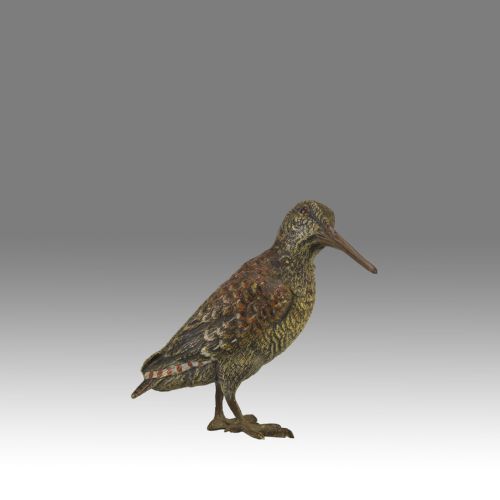
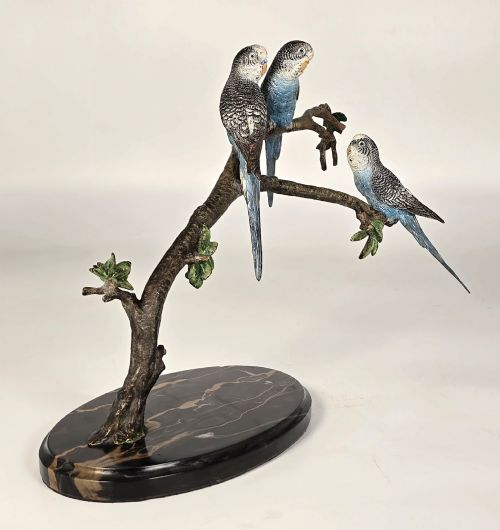
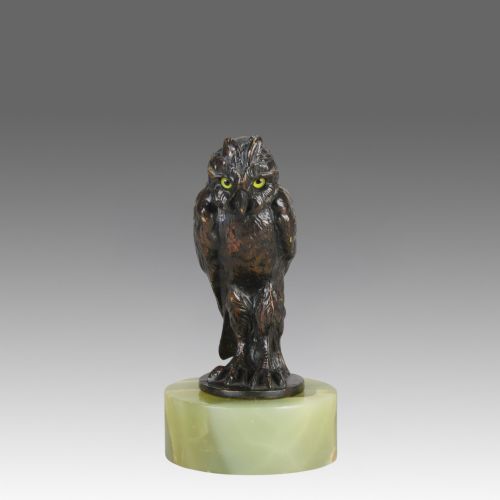
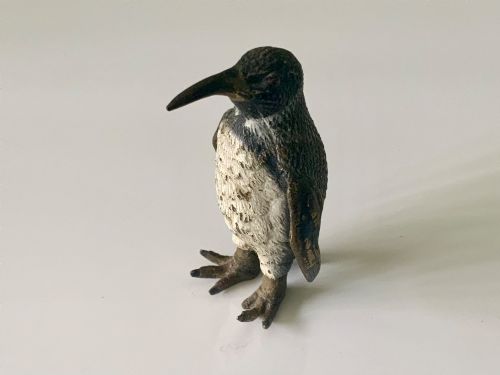
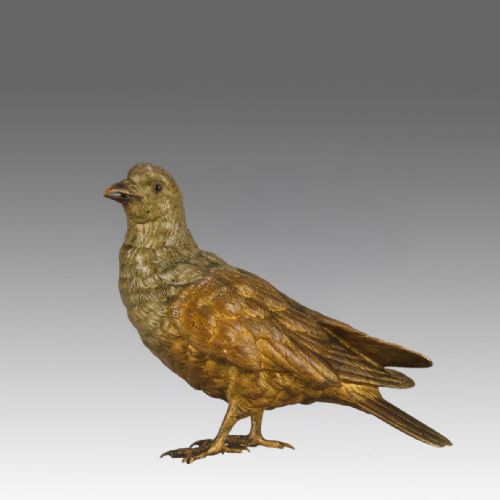
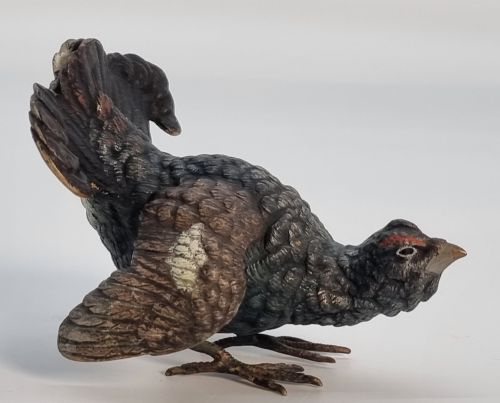
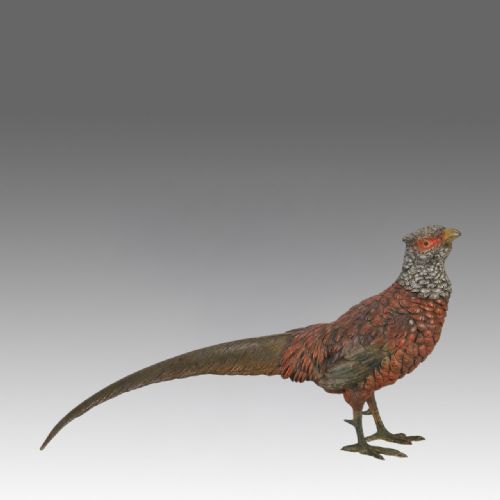
These cold painted bronze bird figures capture naturalism in miniature through vibrant polychrome pigments applied to cast metal.
What a cold painted bronze bird is
When you search for a cold painted bronze bird, you encounter small animal sculptures that range from game birds and parrots to songbirds and waterfowl. These pieces appear most frequently from the nineteenth century and the early twentieth century, originating primarily from Austrian workshops.
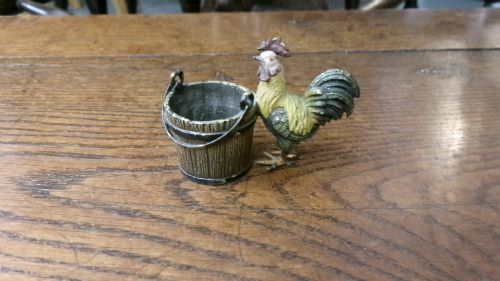
The objects take various functional and decorative forms on this page, including standalone figurines, inkwells, desk letter clips, and menu holders. Figures of woodcock, pheasant, kingfisher, magpie, grouse, parrot, kookaburra, quail, and other fowl dominate the selection.
How they were made
Artisans cast the sculptures in bronze before applying multiple layers of cold paint, enamel paint, or polychrome paint directly to the unheated metal surface. This technique allows for fine feather detailing and lifelike coloration across Vienna bronze and Austrian naturalist pieces.
Makers integrated these cast and painted bird figures into practical desk accessories such as inkwells and letter clips, or produced them as pure sculptures and figurines.
Retail Price Guide 2026
Typical UK retail prices for cold painted bronze bird, calculated from the Sellingantiques database of over a million retail prices indexed since 2003. This retail price guide relies exclusively on Sellingantiques data; no external sources or auction records are used, so the figures do not describe the wider market.
Even menu holders and letter clips received the full naturalist treatment, turning mundane desk paperwork into an avian gathering.
What varies in quality
The nuance of the polychrome surface decoration and the precision of the bronze casting separate the finer works from standard production. Naturalist modelling that captures the exact posture and plumage of species like the woodcock or capercaillie elevates certain examples.
The incorporation of utilitarian elements, such as hinged inkwells or functional letter clips featuring game birds, demonstrates an elevated level of design and purpose in the workshops.
Franz Bergman·Asprey London
The Cold Painted Bronze Bird Glossary
- Cold painted bronze
- Metal sculpture decorated with unfired paint applied over a bronze casting. This surface treatment requires careful handling to preserve the original pigment.
- Vienna bronze
- Small Austrian bronze sculptures produced predominantly in the late nineteenth and early twentieth centuries. These figures are renowned for realistic animal subjects.
- Polychrome paint
- Multiple colours applied to the surface of an object to create a lifelike appearance. It defines the plumage on avian figures.
- Naturalist
- A style focusing on realistic depiction of subjects from the natural world. Austrian makers applied this approach to game birds and songbirds.
Frequently Asked Questions
What is a cold painted bronze bird?
A cold painted bronze bird is a small metal sculpture finished with unfired polychrome or enamel paint. These pieces represent various avian species from waterfowl to songbirds.
Craftsmen produced these figures predominantly in Austria during the nineteenth and early twentieth centuries as decorative objects or functional desk items.
How were these bronze birds used?
Many figures served as standalone sculptures, figurines, or decorative statues placed on desks and mantelpieces. Other examples served practical purposes as inkwells, letter clips, and menu holders.
Desk accessories often incorporated game birds like quail or fowl alongside nests to combine utility with natural history themes.
How do I date an antique bronze bird?
Dating relies on stylistic markers from periods such as the nineteenth century, 1900, and 1910, along with Art Nouveau influences. Maker signatures and workshop marks also assist in establishing a timeframe.
Stylistic categories like Austrian naturalist and Vienna bronze provide further context regarding the era of production.
How do I care for cold painted bronze?
Preserving the painted surface requires keeping the pieces away from moisture and direct sunlight. Dusting should be done gently with a soft, dry cloth without any cleaning agents.
Because the pigment is applied cold rather than fired, the paint remains vulnerable to abrasion and moisture.