


Bergman Cold Painted Bronze
Bergman cold painted bronze figures bring the intricate artistry of Viennese foundries into domestic spaces through vibrant polychrome animals and human subjects.
Bergman Cold Painted Bronze
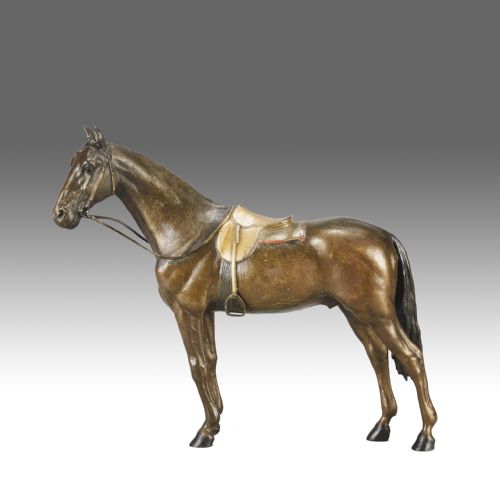
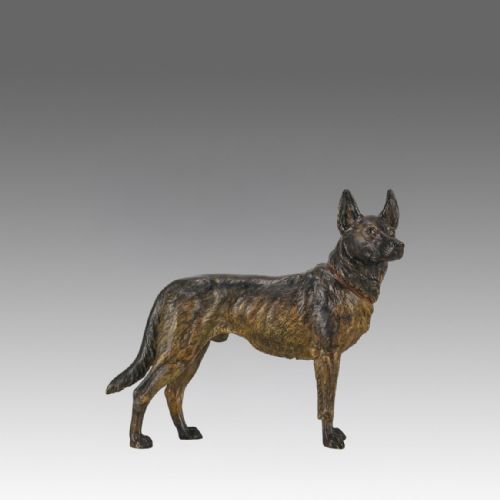
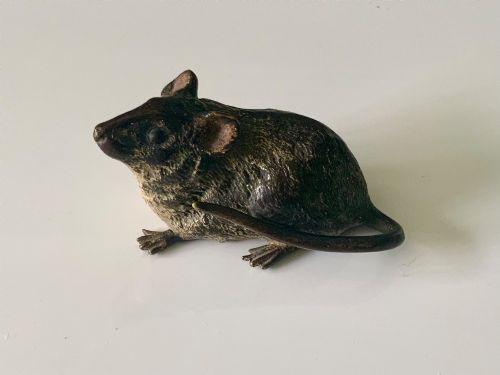
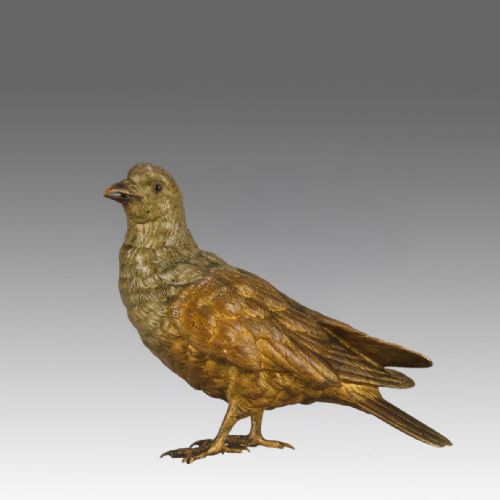
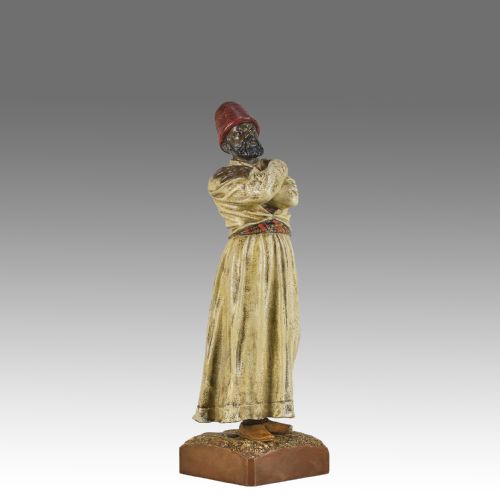
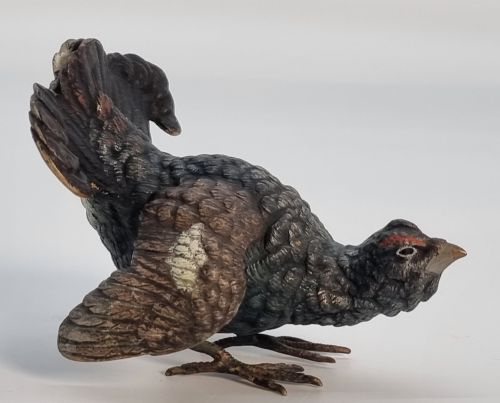
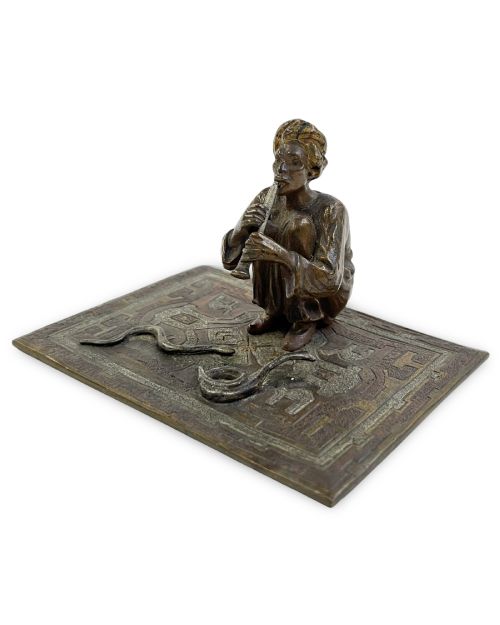
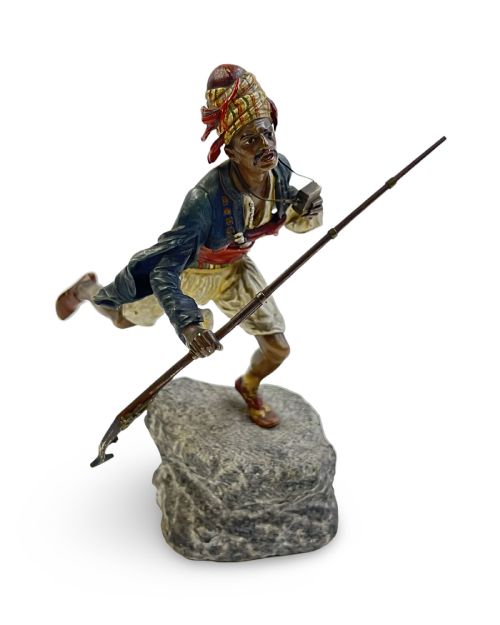
When searching for bergman cold painted bronze, collectors encounter small-scale sculptures originating from Viennese workshops during the late nineteenth and early twentieth centuries. The selection encompasses animal studies, avian figures, and Orientalist human subjects modelled with distinct character.
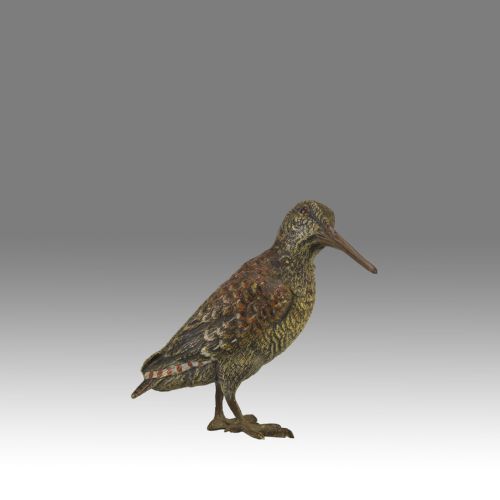
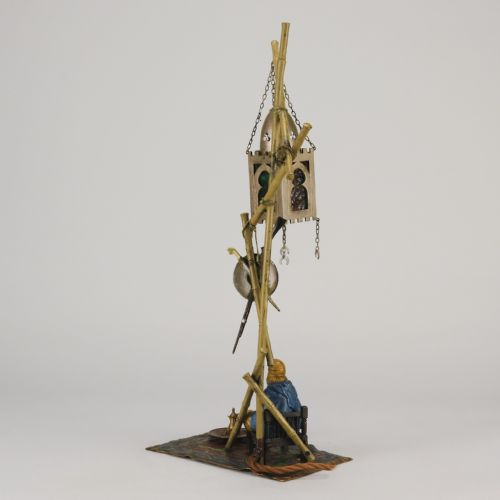
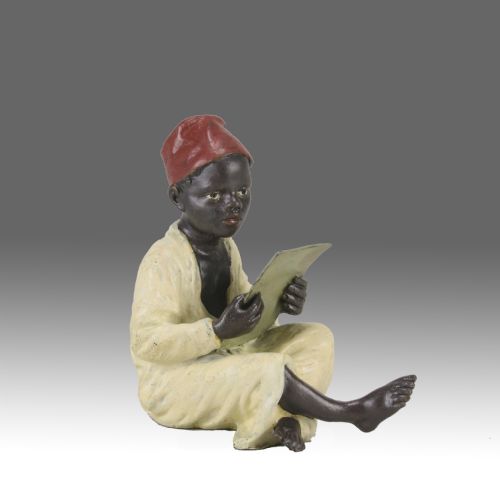
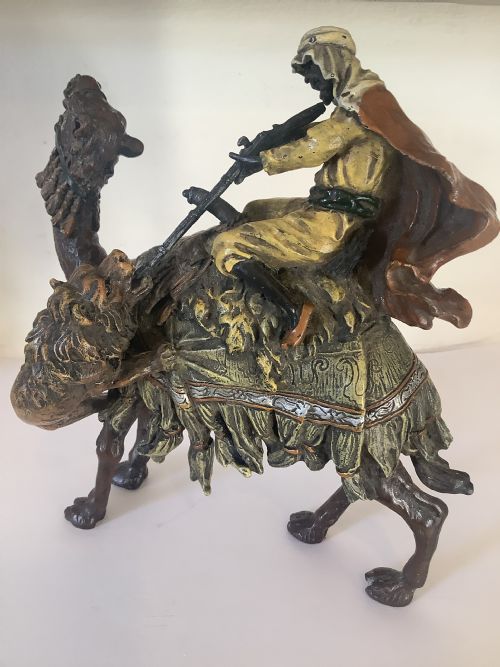
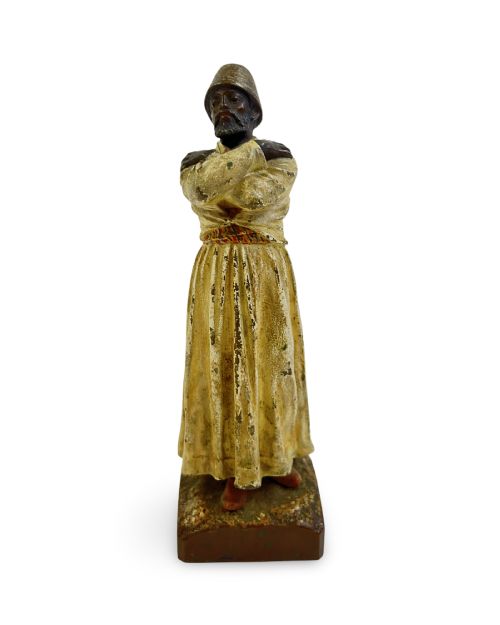
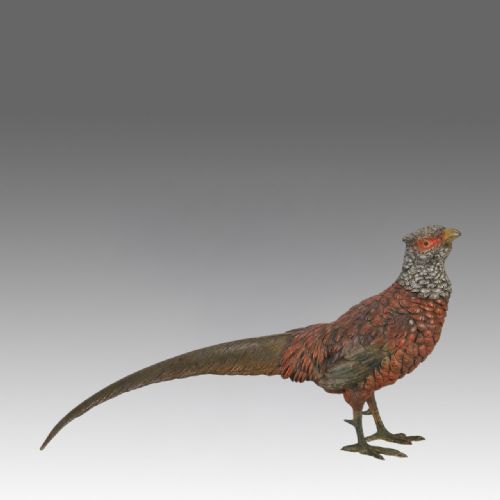
Avian and animal figures dominate the offerings, ranging from realistic birds like kingfishers and pheasants to domestic dogs and exotic wildlife. Human figures depict figures in traditional attire, including camel riders, snake charmers, and scholars, frequently arranged in narrative groupings.
The periods represented span the Victorian and Edwardian eras through the early decades of the twentieth century. These pieces reflect the tastes of their time, combining naturalistic observation with theatrical Orientalist themes.
Materials and methods
The foundation of each piece is cast bronze, produced via the lost-wax method or sand casting to capture fine details in feathers, fur, and fabric. This metal core provides the necessary weight and durability for the small sculptures.
Unlike traditional hot-painted bronzes, these works utilise cold painting, where enamel or polychrome paint is applied directly to the unheated metal surface. This technique allows for complex, multi-coloured detailing that highlights the textures of garments and plumage.
Selected works incorporate additional materials such as marble bases, glass eyes, or integrated functional elements like inkwells and lamp fittings. These auxiliary components complement the cast bronze without overpowering the primary polychrome decoration.
Bergman Cold Painted Bronze Retail Price Guide 2026
Typical asking prices for bergman cold painted bronze among the pieces listed under this phrase on Sellingantiques today, from the lower quarter to the upper quarter. They describe what is for sale here now, not the wider market.
Watch for the unexpected humour in pieces where monkeys race greyhounds across a bronze dish.
Factors of distinction
The precision of the casting distinguishes superior examples, where feathers, facial expressions, and textile patterns remain sharp and well-defined rather than soft or blurred. Foundries investing greater time in the initial metal preparation achieved more lifelike results.
The preservation and complexity of the polychrome surface significantly influence the character of a piece. Skilled application of multiple paint layers creates depth and realism, whereas flat or heavily restored pigment diminishes the visual impact of the work.
Franz Bergman
The Bergman Cold Painted Bronze Glossary
- Cold-painted
- A technique where paint is applied to a metal object without subsequent firing or heat fixation. This method preserves delicate surface details at the expense of long-term durability.
- Vienna bronze
- Small-scale bronze sculptures produced in Austrian foundries during the late nineteenth and early twentieth centuries. These figures are celebrated for their naturalistic animalier subjects and vibrant polychrome finishes.
- Orientalism
- An artistic movement depicting Middle Eastern and North African subjects through Western perspectives. Works in this style frequently feature figures in traditional dress, market scenes, and architectural backdrops.
- Namgreb
- An anagram of Bergman utilised as a stamp on foundry pieces. This mark appears on works produced for export or specific retail markets.
- Animalier
- A nineteenth-century artistic genre focusing on the realistic depiction of animals. Sculptors in this tradition studied animal anatomy extensively to capture movement and posture accurately.
Bergman Cold Painted Bronze: Frequently Asked Questions
What is cold painted bronze?
Cold painted bronze refers to metal sculptures finished with oil-based or enamel paints applied directly to the unheated surface. This technique permits intricate polychrome detailing that would be destroyed by traditional firing methods.
Foundries in Vienna popularised the process for small cabinet bronzes, creating brightly coloured birds, animals, and human figures that captured contemporary tastes.
How do I identify a Bergman bronze?
Authentic pieces frequently bear specific foundry marks, such as the Bergman urn stamp or the Namgreb mark spelled backwards. Stylistic markers include naturalistic proportions, expressive detailing, and distinctive multi-layered paintwork.
Many figures also correspond to documented models from historical foundry catalogues, depicting familiar subjects like birds, dogs, and Orientalist figures.
Were these figures used functionally?
While many examples exist purely as cabinet sculptures or decorative figurines, a significant number served practical purposes. Workshops integrated the bronze figures into everyday items such as inkwells, stamp boxes, table lamps, and vide-poches.
These functional objects combined decorative appeal with utility, satisfying Victorian and Edwardian preferences for ornate desk accessories.
How should I clean my bronze?
Maintenance requires minimal intervention to protect the delicate cold-painted surface. Dusting gently with a soft, dry brush is sufficient for routine care.
Moisture and chemical cleaners must be avoided entirely, as water and solvents will strip the original paint layers from the metal substrate.