

Vienna Bronze Sculpture
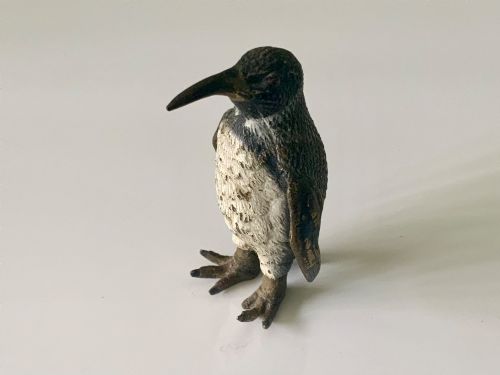
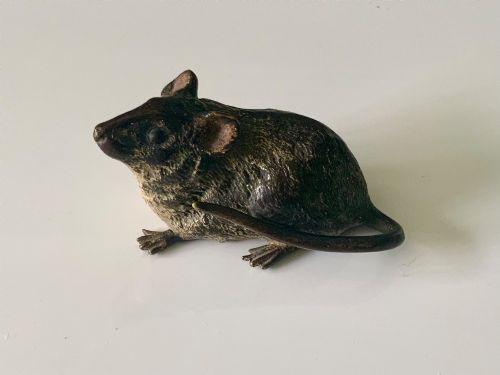
A vienna bronze sculpture brings intricate detail and vibrant colour to a desk or mantelpiece through small, masterfully cast metal figures.
Vienna Bronze Sculpture
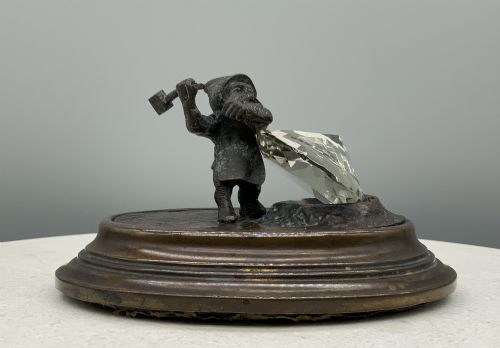
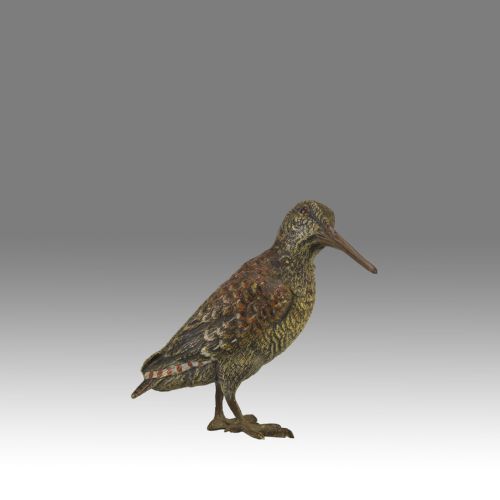
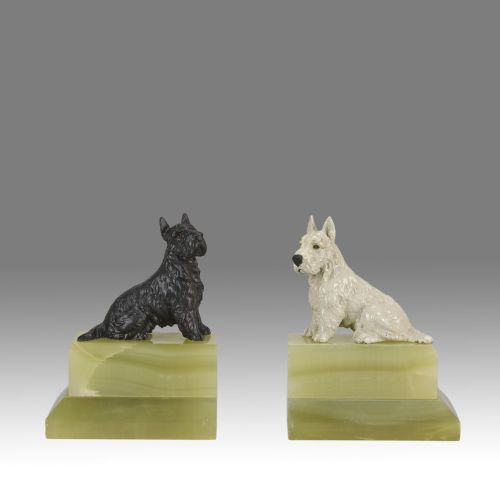
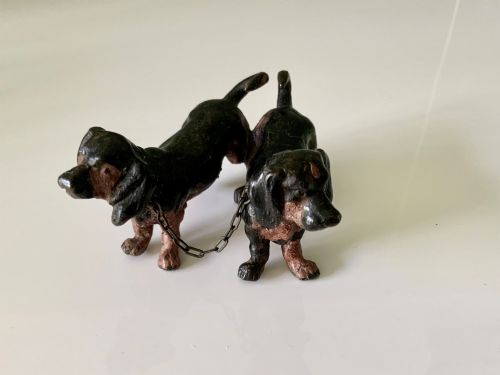
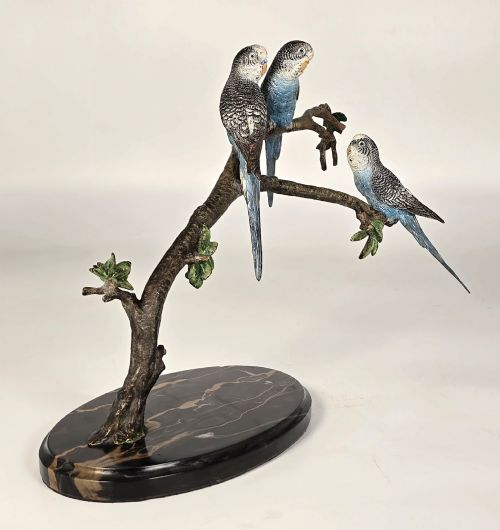
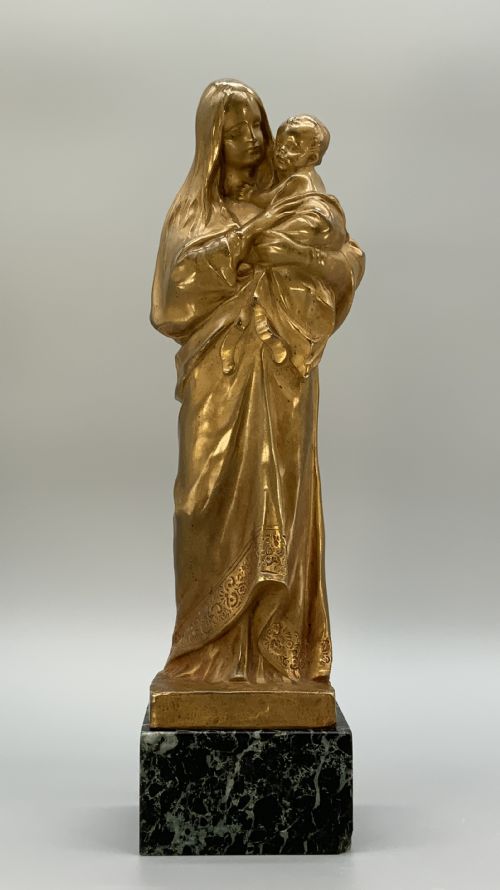
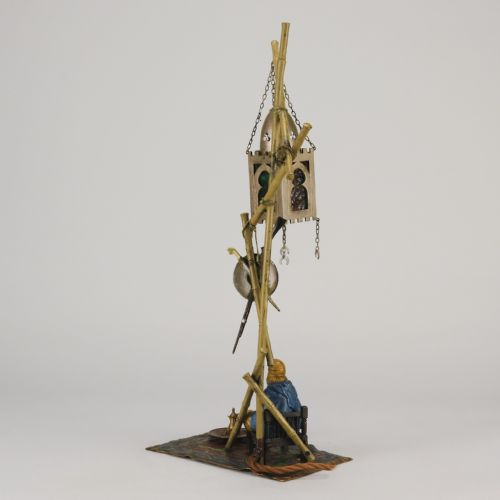
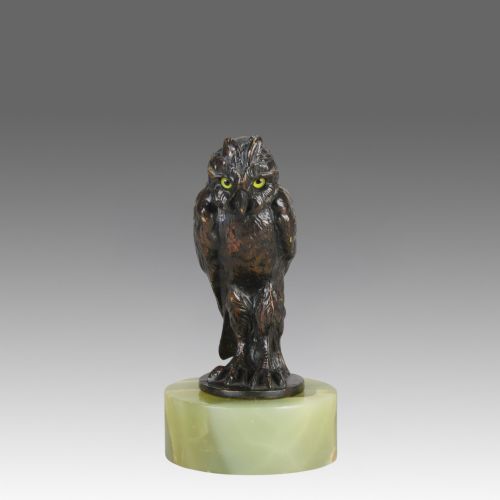
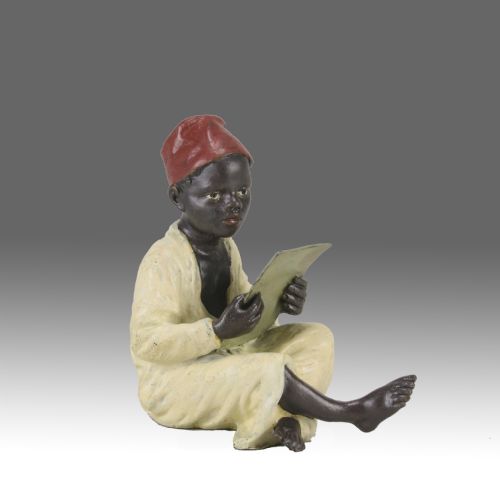
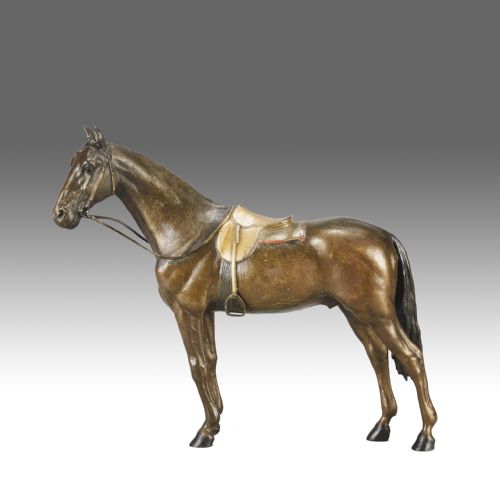
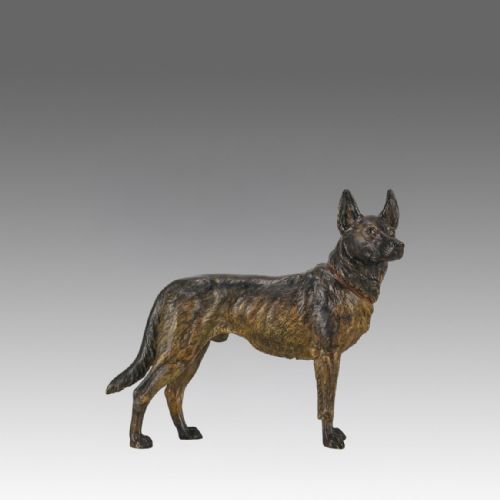
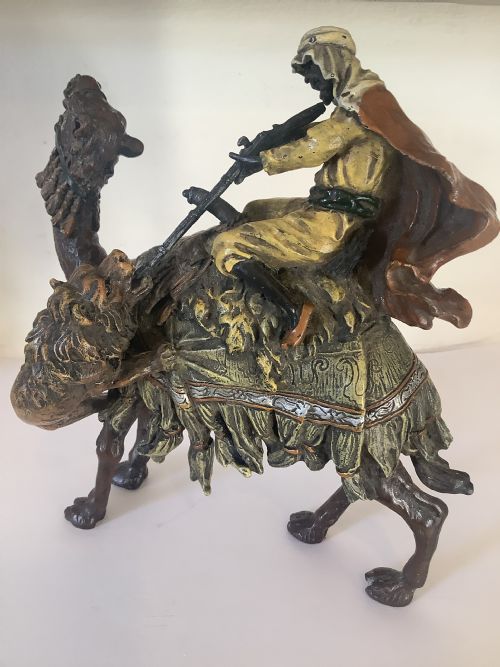
A vienna bronze sculpture typically takes the form of small animal figurines, human figures, or functional items such as bookends and table lamps created in Austrian workshops during the nineteenth and early twentieth centuries. The selection includes diverse subjects ranging from native wildlife like woodcocks, pheasants, and dachshunds to Orientalist figures such as Arab lamp bearers, snake charmers, and whirling dervishes.
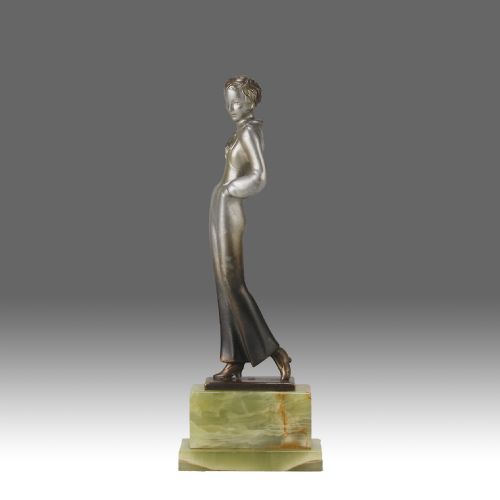
Buyers encounter pieces spanning the Victorian era through the Art Nouveau and Art Deco periods, reflecting stylistic shifts from naturalistic animal studies to stylised human forms. Many of these sculptures incorporate mounts of green onyx, marble, or cut crystal to support the main bronze figures.
Originating largely from Austrian foundries, these works demonstrate a distinct regional specialisation in miniature metalwork that combines casting with hand-finishing. The typical piece met on this page is a cold-painted bronze statuette or animal study produced around the turn of the twentieth century.
Materials and Technique
The foundation of a vienna bronze sculpture is metal cast from a detailed model, primarily utilising bronze or sometimes spelter in alternative regional pieces. Foundries poured molten metal into moulds to capture fine textures like feathers, fur, and woven textiles.
Following the cast, artisans applied cold-painting techniques using enamel paint or oil-based pigments directly onto the unheated metal surface. This pigment layer remained unfired, allowing for subtle tonal variations in plumage, animal coats, and human garments.
Vienna Bronze Sculpture Retail Price Guide 2026
Typical asking prices for vienna bronze sculpture among the pieces listed under this phrase on Sellingantiques today, from the lower quarter to the upper quarter. They describe what is for sale here now, not the wider market.
Object forms span animal figurines, miniature sculptures, bookends, and table lamps created across various European styles.
Judging Quality
Quality in a vienna bronze sculpture rests upon the precision of the initial casting and the artistry of the hand-applied pigment layer. Finer examples exhibit crisp detailing in fur and feathers that survives beneath successive layers of careful polychrome painting.
The distinction between standard production and superior execution often appears in the expression of human faces, the anatomical accuracy of animal studies, and the integration of secondary materials like onyx bases or crystal elements.
Franz Bergman·Josef Lorenzl·Hans Müller·Franz Gruber·Friedrich Goldscheider
The Vienna Bronze Sculpture Glossary
- Cold-Painted Bronze
- A metal sculpture painted with unfired enamel or oil paint after casting. This technique preserves minute details that high-heat firing might otherwise obscure.
- Orientalism
- An artistic style depicting Middle Eastern and North African subjects. Popularity for this theme influenced many European foundries during the late nineteenth century.
- Spelter
- An alloy of zinc and lead used as a substitute for bronze. It provides a similar weight and appearance at a lower production cost.
- Art Nouveau
- A design movement characterised by organic, flowing lines and natural motifs. This aesthetic heavily influenced Austrian metalwork around nineteen hundred.
Vienna Bronze Sculpture: Frequently Asked Questions
What is cold painting?
Cold painting involves applying oil or enamel colours directly to a cast metal sculpture without subsequent kiln firing. This method preserves delicate surface textures that heat might otherwise damage.
Artisans layered these paints by hand to achieve realistic feather patterns, fur markings, and textile designs on small figures.
How were these bronzes displayed?
These sculptures served primarily as decorative ornaments on desks, mantelpieces, and display cabinets in European homes. Some examples were incorporated into functional objects such as bookends, table lamps, and inkwells.
Heavier specimens often utilised bases made from green onyx or marble to provide stability and visual contrast.
How do I date a piece?
Dating relies on stylistic markers associated with specific periods like Art Nouveau, Art Deco, or the Victorian era. Naturalistic animal studies generally align with turn-of-the-century production.
Foundry marks, artist signatures, and the type of base material also help establish the chronological context of manufacture.
Are all pieces made of bronze?
While the majority consist of cast bronze, some contemporary or alternative workshop pieces utilise spelter, which is a cheaper zinc-based alloy. Examining the weight, patina, and interior metal tone helps differentiate the materials used.
Secondary components like crystal, marble, or onyx frequently accompany the metal figures.