
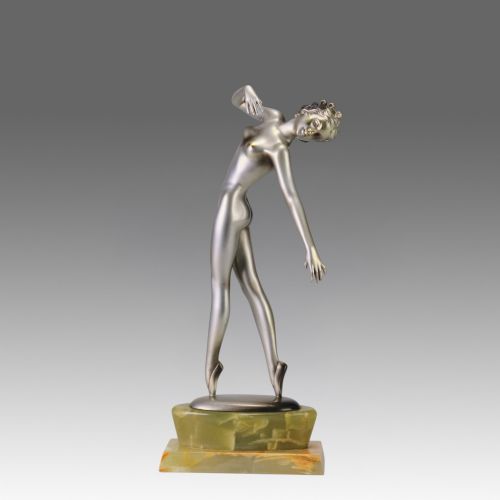
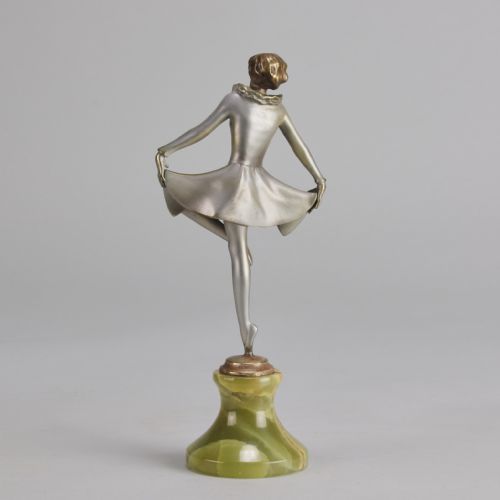
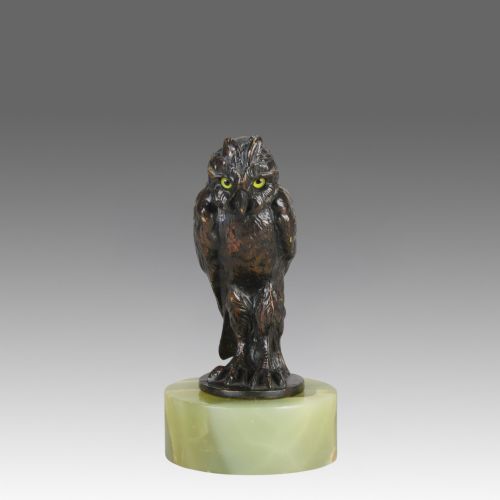
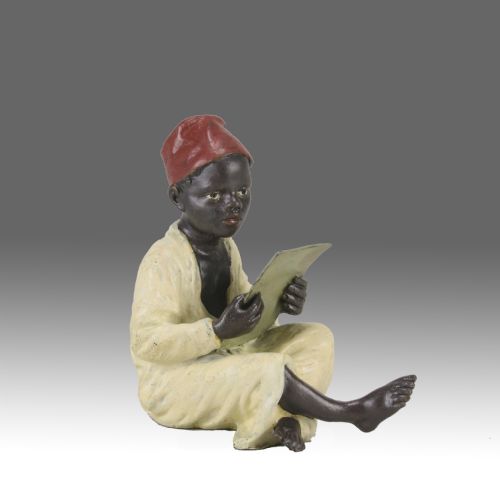
Antique Cold Painted Bronze
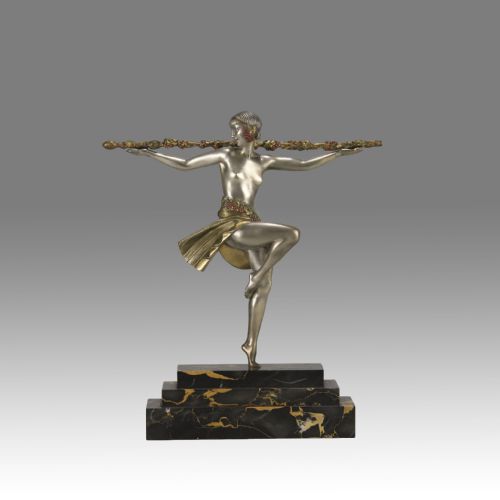
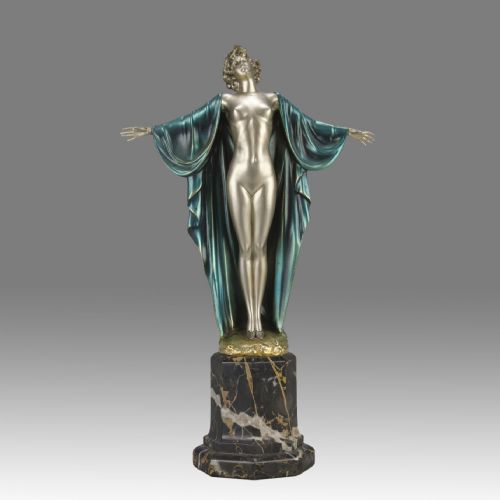
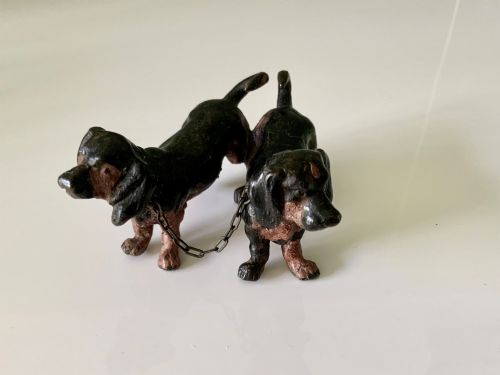
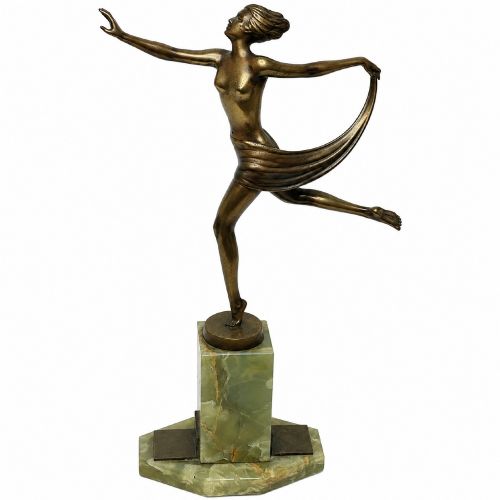
Antique cold painted bronze figures capture small animal and human subjects with lively polychrome detail from the late nineteenth and early twentieth centuries.
The Nature of Antique Cold Painted Bronze
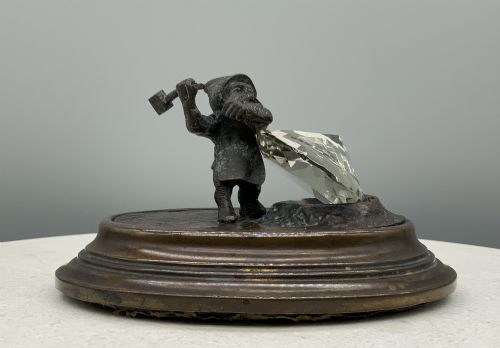
When you search for antique cold painted bronze, you encounter small sculptural objects made predominantly during the late nineteenth and early twentieth centuries. These pieces encompass free-standing animal and human figurines, miniature studies, and functional accessories including inkwells, pin trays, letter clips, and match strikes.
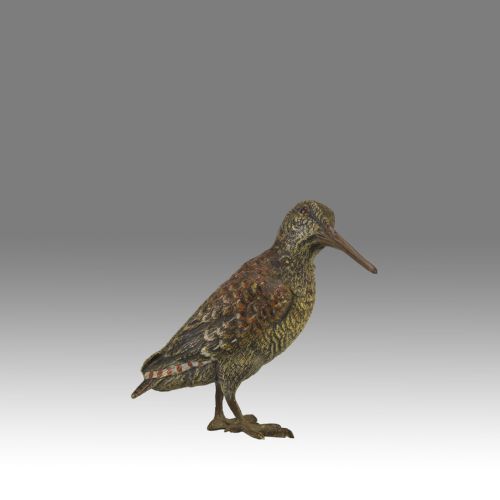
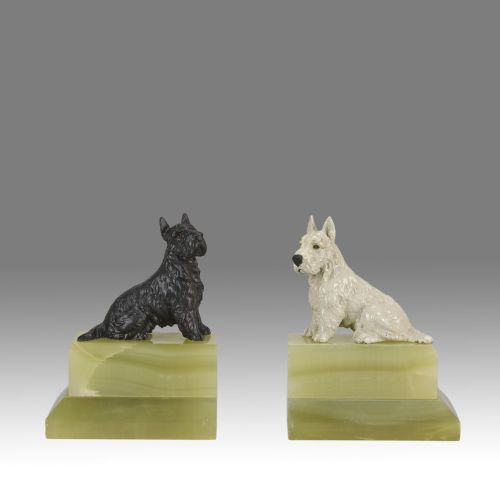
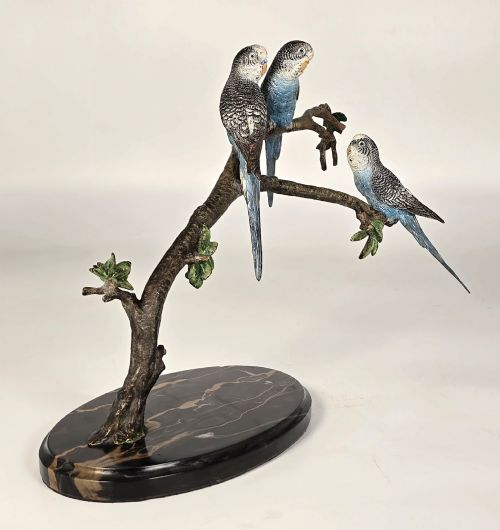
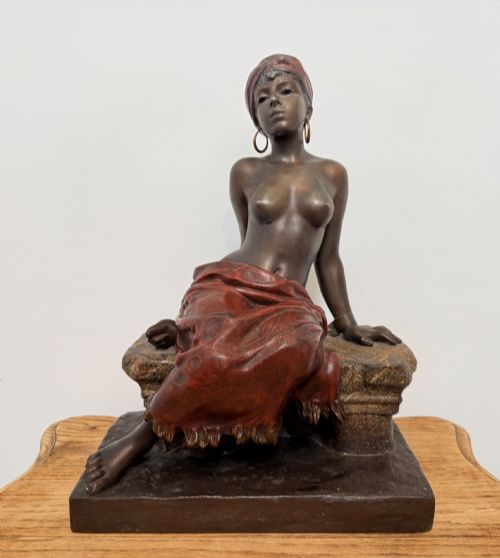
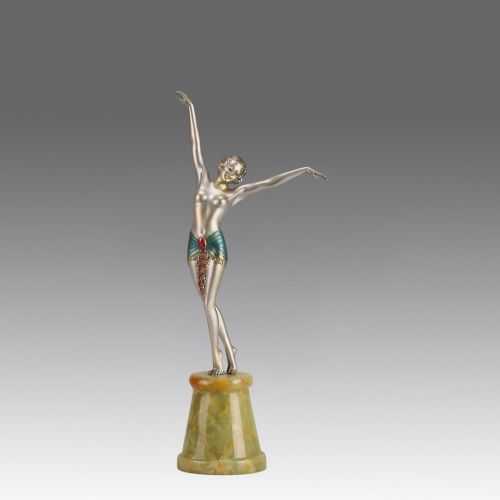
The objects stem largely from Austrian foundries, with Vienna standing as a primary centre of production. You frequently meet birds such as budgerigars, blackbirds, and ducks, alongside dogs like pugs and spaniels, and human figures in varied stylistic treatments ranging from Victorian realism to Art Deco.
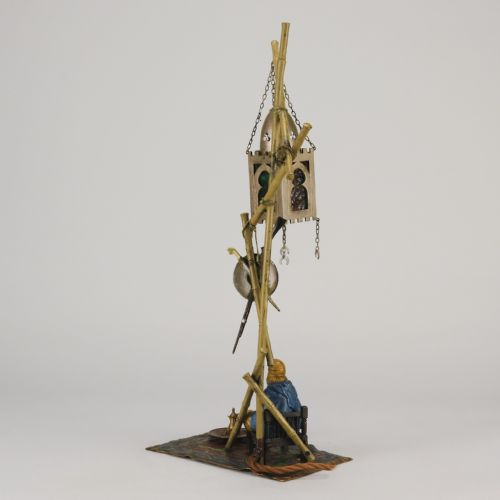
Many of these bronzes serve a dual purpose as desk furniture or domestic ornaments. They appear mounted on natural stone bases such as onyx and marble, or cast as self-contained figures and interactive mechanical novelties.
Materials and Technique
The manufacturing process begins with the casting of bronze or lead forms using traditional methods. Artisans then apply paint to the unheated metal surface, a technique known as cold-painting, which differs from enamel fired in a kiln.
Pigments adhere directly to the metal substrate or a preparatory layer, resulting in a distinct matte finish. Some workshops incorporate secondary materials like brass, glass, or stone plinths such as onyx and marble to complete the composition.
Retail Price Guide 2026
Typical UK retail prices for cold painted bronze, calculated from the Sellingantiques database of over a million retail prices indexed since 2003. This retail price guide relies exclusively on Sellingantiques data; no external sources or auction records are used, so the figures do not describe the wider market.
Listings feature periods from the nineteenth century through the 1930s, utilising bronze, lead, onyx, marble, and cold-painted enamel.
Distinctions in Quality
The integrity of the original surface finish dictates desirability. Pieces retaining unblemished polychrome coloration and crisp foundry signatures or stamps command greater attention than those with extensive pigment loss or later overpainting.
Franz Bergman·Josef Lorenzl·Franz Xaver Bergman·A.J. Miller
The Antique Cold Painted Bronze Glossary
- Cold-painted
- A technique where paint is applied to a bronze object without subsequent kiln firing. This method preserves fine surface detail but leaves the pigment more vulnerable to wear over time.
- Vienna bronze
- Small cast bronze sculptures produced in Austrian workshops during the late nineteenth and early twentieth centuries. These pieces are celebrated for naturalistic animal subjects and witty human depictions.
- Vesta
- A small pocket box or desk container designed for holding matches. They frequently incorporate cold-painted bronze figural covers or mounts.
- Geschutzt
- A German term meaning protected or registered, often stamped on Austrian bronzes to indicate a proprietary design. It functions much like a modern trademark.
- Plinth
- A heavy base, often carved from marble or onyx, supporting a bronze sculpture. It provides physical stability and visual framing for the piece.
Frequently Asked Questions
What is cold painted bronze?
Cold painted bronze refers to metal sculptures finished with oil-based or enamel paints applied without heat. This allows for intricate polychrome detailing on small animal and human subjects.
The technique distinguishes these decorative items from hot-fired enamels and gives the surfaces their characteristic matte appearance.
How were these pieces used?
Many items served practical functions on Victorian and Edwardian desks. Workshops cast them into inkwells, stamp boxes, pen wipes, letter clips, and match strikes.
Others functioned purely as decorative ornaments, miniature cabinet figures, or novelties placed on pocket watch stands and mantelpieces.
How do I care for cold painted bronze?
Preserving the surface requires keeping pieces away from direct sunlight, moisture, and chemical cleaners. Dusting gently with a soft, dry brush prevents accumulation without harming the delicate paint layer.
Avoid using water or polishes, as moisture lifts the unheated pigments from the metal substrate.
How can I tell Vienna bronzes apart?
Vienna bronzes are identified by their naturalistic modelling, characteristic colour palettes, and occasional foundry marks or stamped signatures. Many feature natural stone bases like onyx or marble.
Comparing the weight, casting clarity, and brushwork helps separate the primary Austrian workshop output from later or generic imitations.