







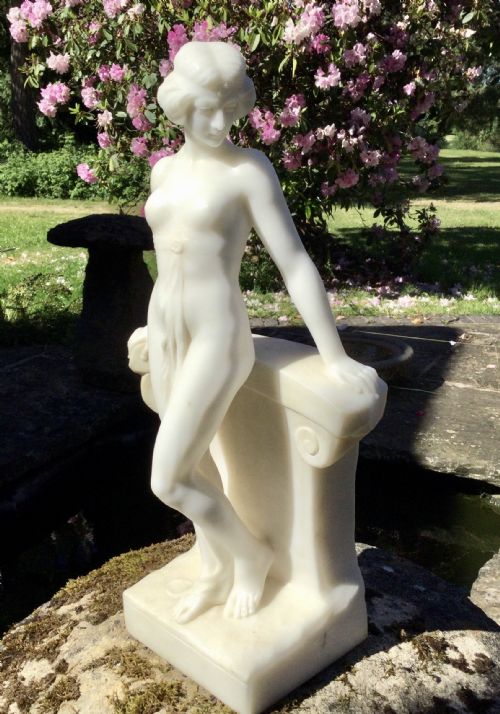
Art Deco Female Sculpture
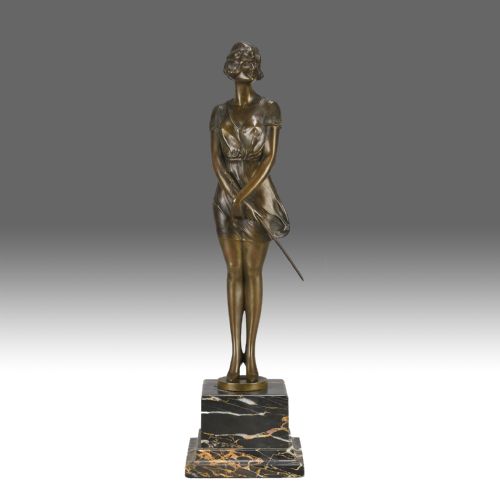
When seeking an art deco female sculpture, collectors find dynamic dancers and stylised figures cast in bronze, carved in marble, or formed from spelter during the early decades of the twentieth century.
Art Deco Female Sculpture
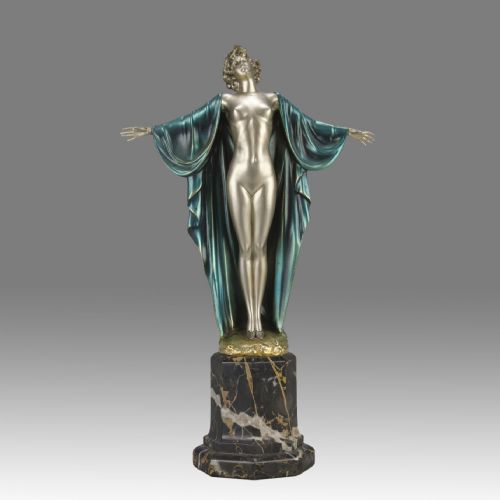
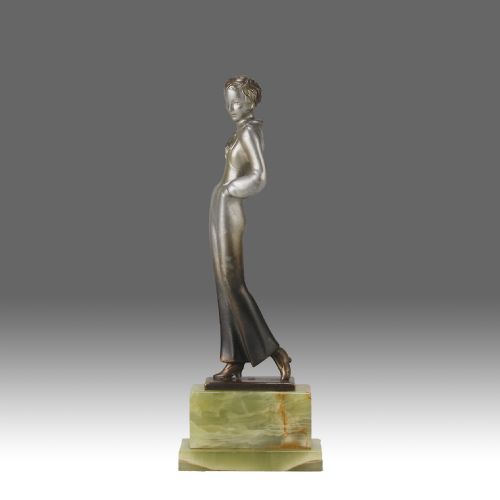
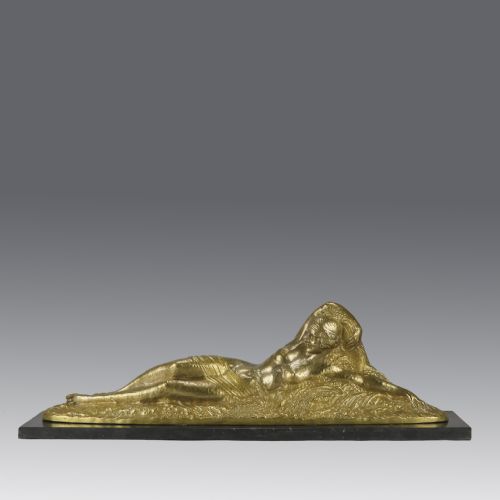
An art deco female sculpture typically captures the movement, fashion, and energy of the interwar period through depictions of dancers, bathers, and allegorical figures. These works range from small cabinet figurines to substantial floor-standing bronzes.
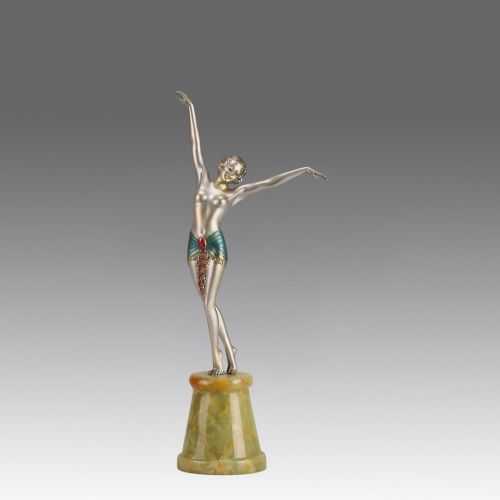
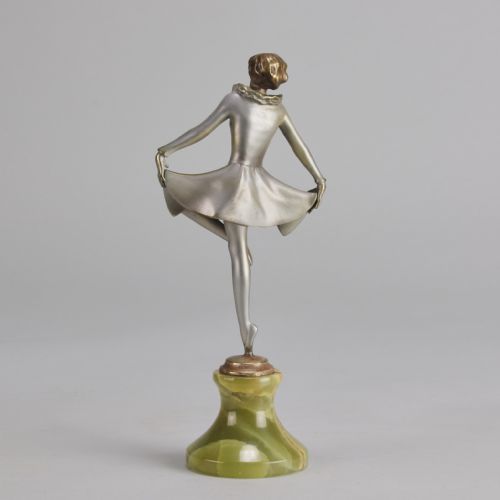
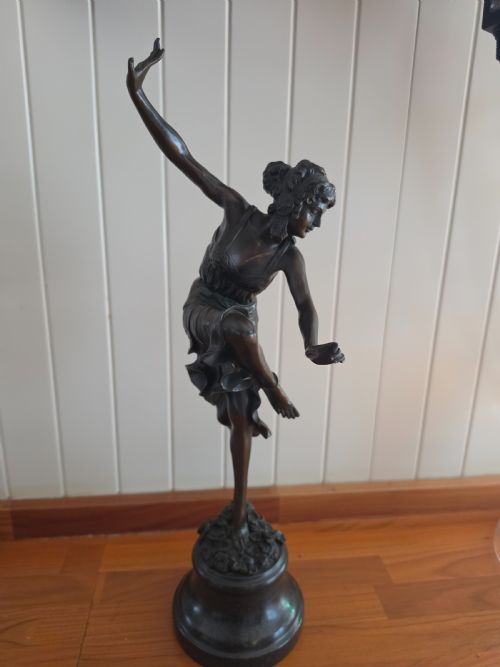
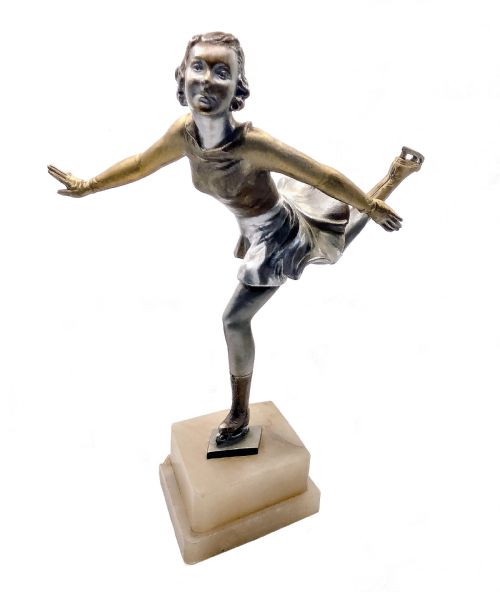
The version most commonly encountered on this page is the cast metal figure of a dancer, often rendered in patinated or cold-painted bronze and spelter, frequently mounted on a marble or onyx base.
How they were made
Foundries utilised the lost-wax casting method for bronze figures, allowing for intricate detail in drapery and limbs, whereas spelter was poured into metal moulds as a cost-effective alternative. Cold-painting and gilt applications added colour and surface variation to the metal.
Carved pieces relied on traditional hand techniques applied to blocks of marble, alabaster, onyx, and terracotta. Mixed media works combined carved ivory or resin elements with metal garments in chryselephantine compositions.
Art Deco Female Sculpture Retail Price Guide 2026
Typical asking prices for art deco female sculpture among the pieces listed under this phrase on Sellingantiques today, from the lower quarter to the upper quarter. They describe what is for sale here now, not the wider market.
Several dancers balance perilously on tiny toes, defying gravity and the weight of solid metal.
What varies in quality
Base materials dictate the presence and weight of the work, with dense veined marbles and multi-tiered onyx plinths elevating the stature of the piece compared to simpler wooden or basic metal mounts.
Bruno Zach·Pierre le Faguays·Ferdinand Preiss·Josef Lorenzl·Demetre Chiparus·C J R Colinet
The Art Deco Female Sculpture Glossary
- Spelter
- A zinc alloy utilised as a substitute for bronze in decorative figures. It is softer and lighter than copper-based metals.
- Cold-painted
- A technique where paint is applied to metal objects without subsequent firing. It is commonly found on Austrian bronze dancers of the period.
- Chryselephantine
- A term describing statues made from a combination of metal and ivory. This method was favoured for luxury cabinet figures.
- Patination
- The chemical treatment of a metal surface to produce a specific colour or tone. It protects the material while enhancing sculptural depth.
Art Deco Female Sculpture: Frequently Asked Questions
How do I distinguish bronze from spelter?
Bronze exhibits greater weight, ring, and durability when examined closely. Spelter feels softer and shows a greyish interior if the surface finish is scratched.
Foundry marks and chiselling detail further help separate the copper alloy from zinc-based castings.
Where were these sculptures displayed?
Owners placed these figures on mantelpieces, sideboards, and dedicated pedestals within domestic interiors. They served as focal points for modernist decoration.
Larger versions stood directly on the floor or functioned as illuminated floor lamps.
Why are dancers a common subject?
Performers embodied the liberated motion and modern spirit of the 1920s and 1930s. Sculptors captured the dynamic angles of ballet, cabaret, and exotic dance.
These subjects allowed artists to experiment with flowing drapery and elongated limbs.
How should I clean these materials?
Dust bronze and marble surfaces gently with a soft dry cloth. Avoid chemical polishes that strip original patination or damage cold-painted finishes.
Keep pieces away from direct sunlight and moisture to preserve the integrity of stone bases and painted details.