

Bronze Dancer Figurine
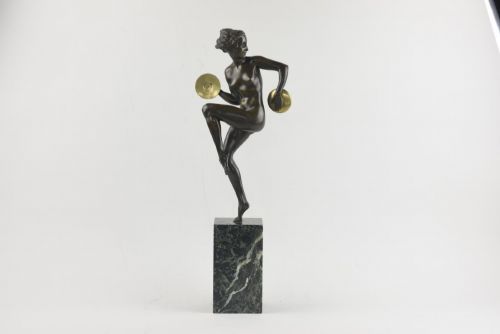
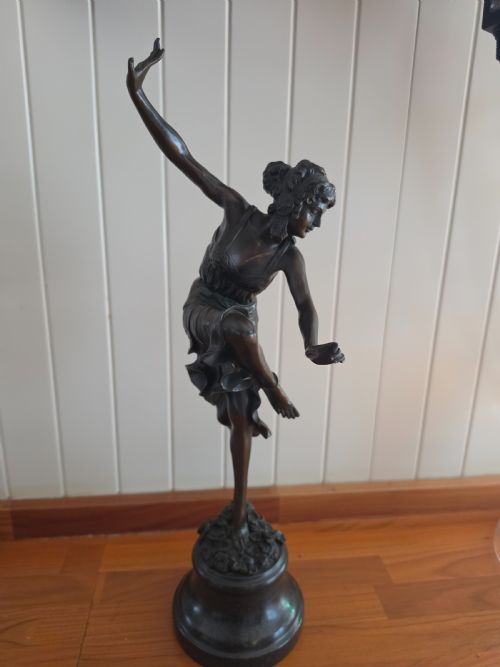
A bronze dancer figurine captures the dynamism of the twentieth century in cast metal and stone, bringing kinetic grace directly to your mantelpiece.
Identifying bronze dancer figurine pieces
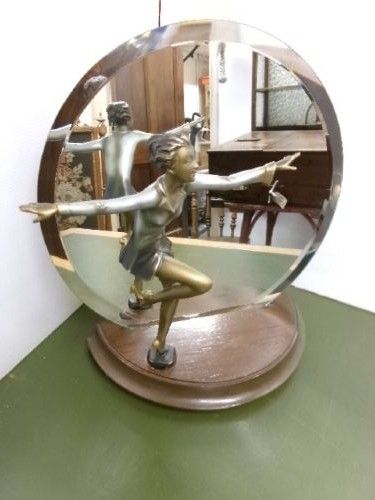
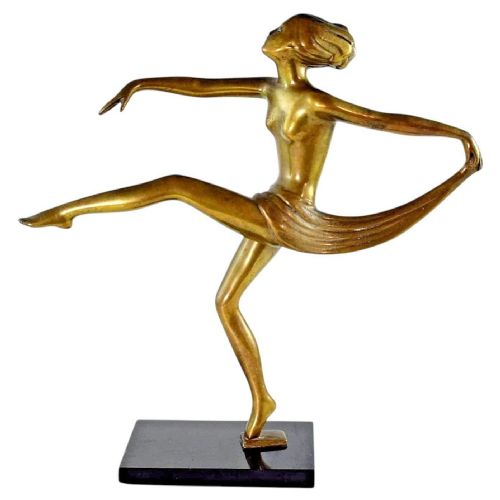
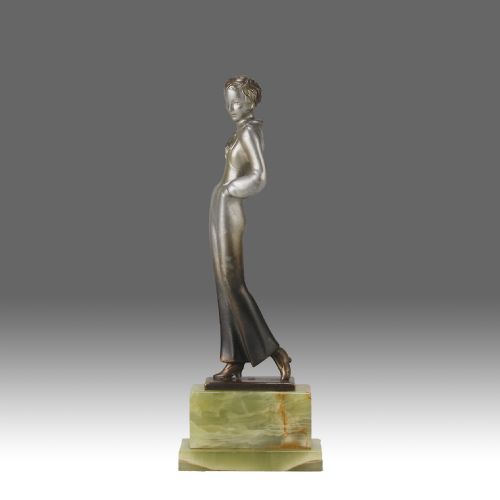
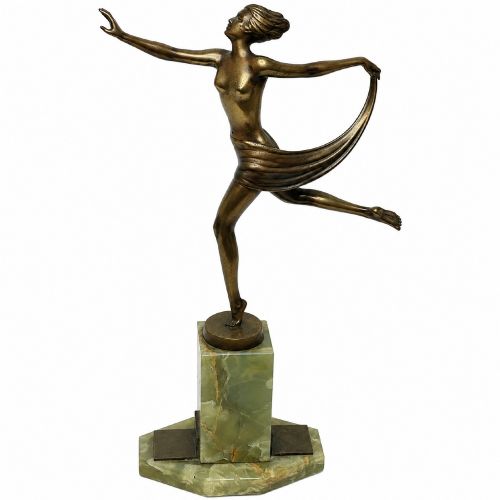
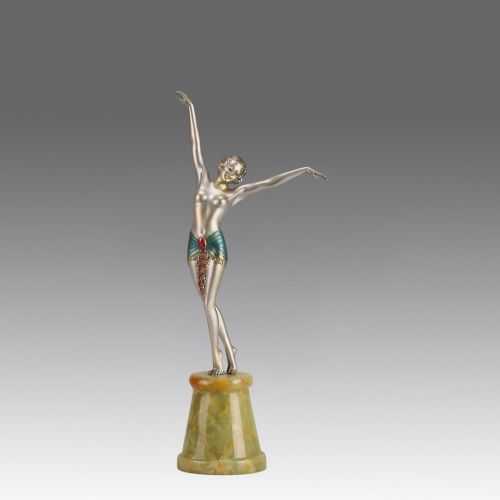
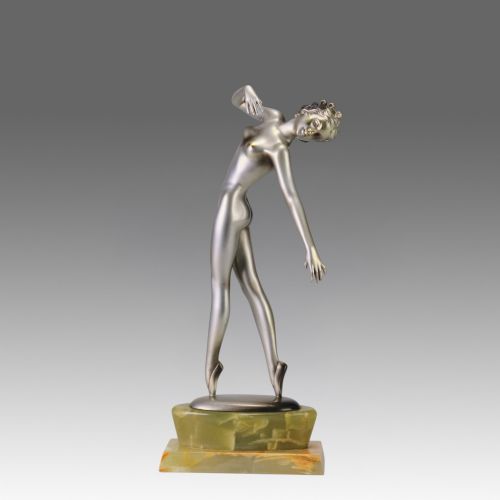
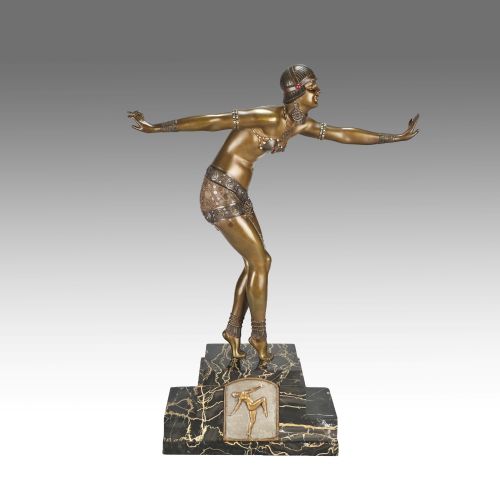
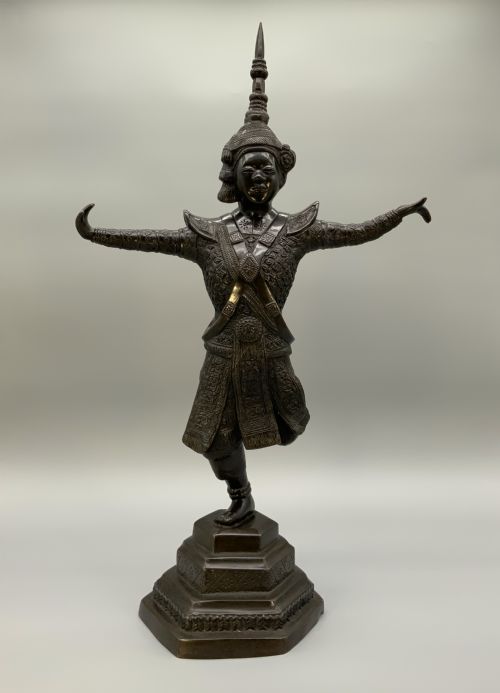
When you search for a bronze dancer figurine, you are examining dynamic figurative sculptures capturing the energy of early twentieth-century movement. The examples you encounter on this page span the nineteen-twenties and nineteen-thirties, embodying the distinct spirit of the Art Deco period.
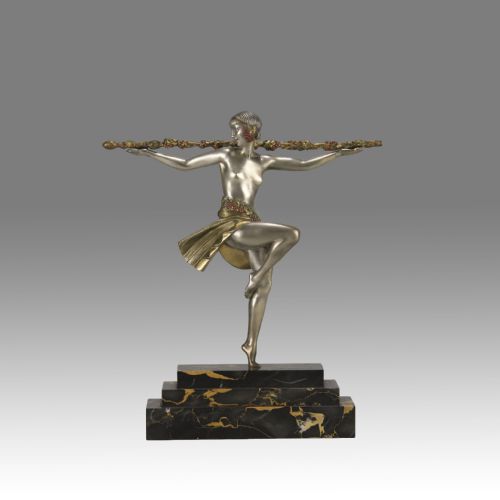
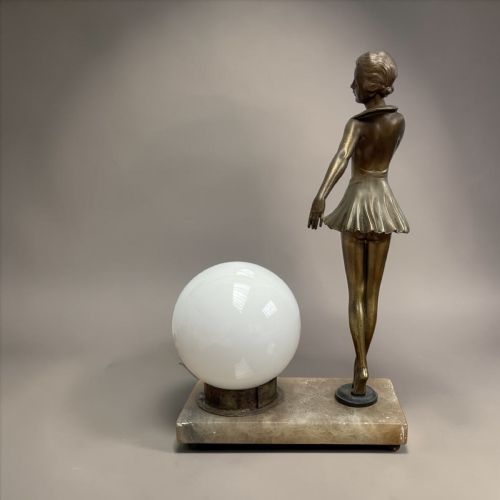
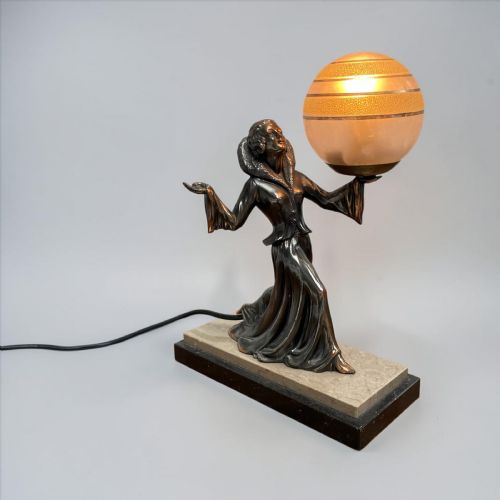
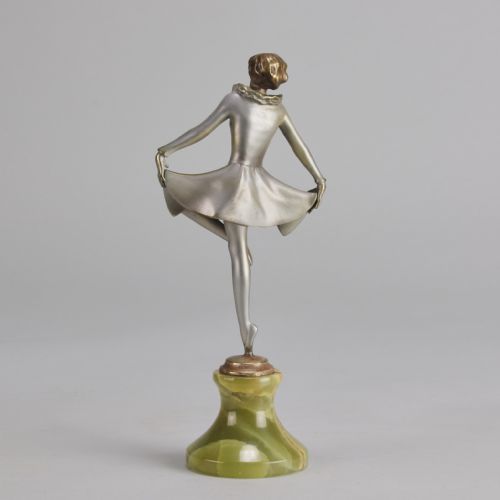
Most pieces portray female dancers, nudes, or performers engaged in specific acts like curtsying, running, hoop-dancing, or handling a mirror. These sculptures frequently stand upon heavy stone bases, grounding the lively poses of the figures with solid architectural weight.
Materials and construction
These figures rely primarily on cast bronze, sometimes enhanced with gilt finishes or detailed cold-painted colours applied directly to the metal surface. The casting processes of the period allowed for intricate clothing, hair, and posture details to emerge crisply from the molten metal.
Mounts and integral bases utilise dense natural stones such as onyx and marble, providing a contrasting textural weight beneath the metallic figures. The combination of patinated or painted bronze with polished stone is a defining structural method of the genre.
Retail Price Guide 2026
Typical UK retail prices for bronze dancer figurine, calculated from the Sellingantiques database of over a million retail prices indexed since 2003. This retail price guide relies exclusively on Sellingantiques data; no external sources or auction records are used, so the figures do not describe the wider market.
One dancer balances mid-turn with a mirror, proving that even cast metal figures appreciate a quick check of their appearance.
Judging quality and execution
Superior examples demonstrate exceptional sharpness in the casting and hand-finishing of the metal, where facial expressions and drapery remain crisp and clear. The subtlety of the cold-painted surface or the richness of the gilt finish separates accomplished foundry work from simpler production.
The choice and preparation of the supporting marble or onyx base also signal the calibre of the piece, with well-balanced stones matching the proportions of the dancer. Furthermore, pieces bearing clear artist attribution in the casting carry a distinct pedigree.
Josef Lorenzl·Demetre Chiparus·C J R Colinet·Paul de Boulogne
The Bronze Dancer Figurine Glossary
- Cold-painted bronze
- Metal sculpture painted with non-fired colours after the casting process is complete. This technique permits vibrant, detailed clothing and flesh tones.
- Gilt bronze
- Bronze coated with a thin layer of gold or gold-coloured alloy to impart a bright, reflective metallic sheen. It highlights specific garments or decorative elements.
- Art Deco
- The dominant design style of the nineteen-twenties and nineteen-thirties characterised by sleek lines, geometric influences, and a celebration of modern movement.
- Patina
- The chemical or natural surface alteration on bronze that develops over time or is applied intentionally by the artist to create depth of colour and shade.
Frequently Asked Questions
What materials make up a bronze dancer figurine?
These sculptures are built primarily from cast bronze, which may feature cold-painted pigments or gold-toned gilding.
Many examples incorporate heavy bases made from natural marble or onyx to anchor the dynamic postures.
Which period do these dancer sculptures date from?
The available examples belong to the early twentieth century, specifically originating in the nineteen-twenties and nineteen-thirties.
This era coincides directly with the height of the Art Deco design movement in France and across Europe.
How were these figures displayed originally?
Sculptures of this type served as decorative interior ornaments for elegant twentieth-century homes and salons.
Their substantial stone bases allowed them to stand securely on mantelpieces, desks, or specialised display cabinets.
Who created these Art Deco dancer bronzes?
Prominent European sculptors such as Demetre Chiparus, Josef Lorenzl, and Claire Colinet designed these celebrated figures.
Their works were translated into metal by skilled foundries during the interwar years.