



Orientalist Bronze Figure
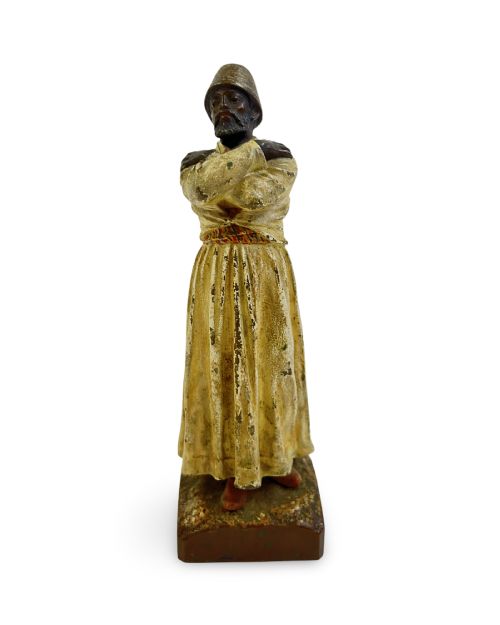
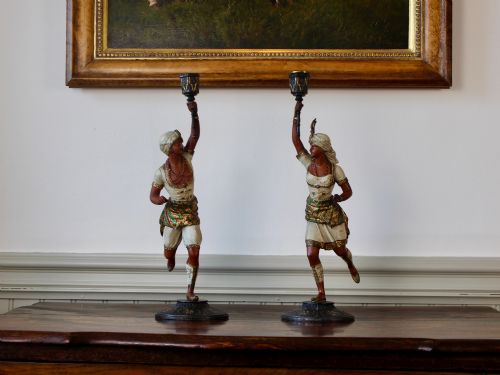
An orientalist bronze figure captures the exotic narrative of the Near East and North Africa through detailed metalwork.
What an orientalist bronze figure is
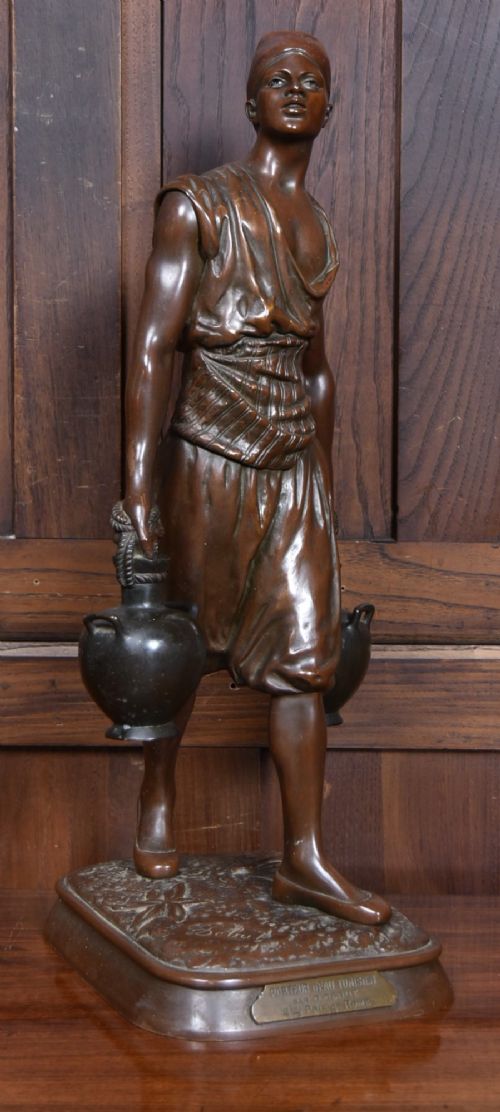
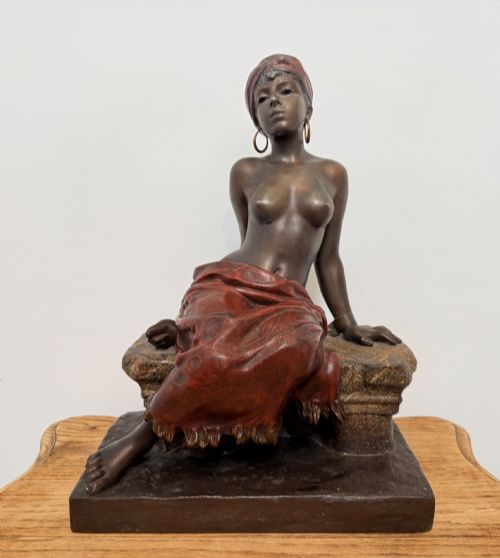
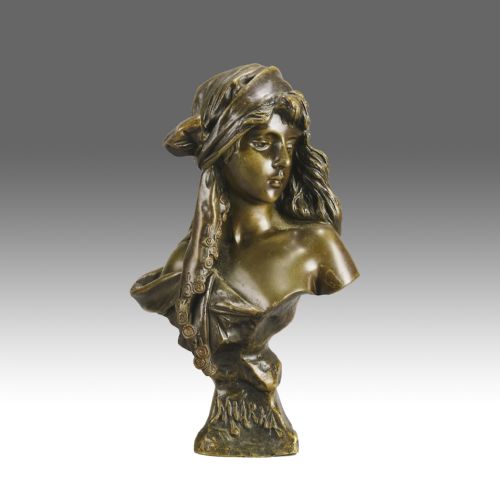
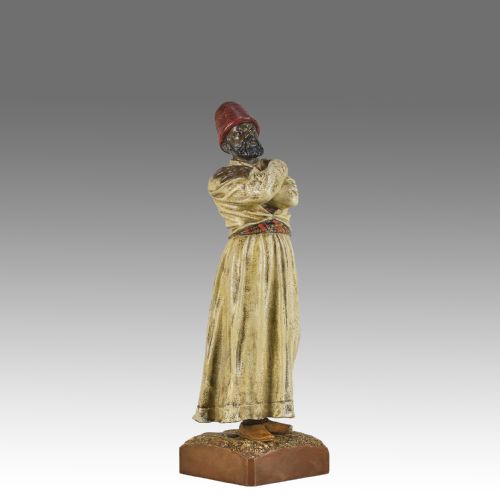
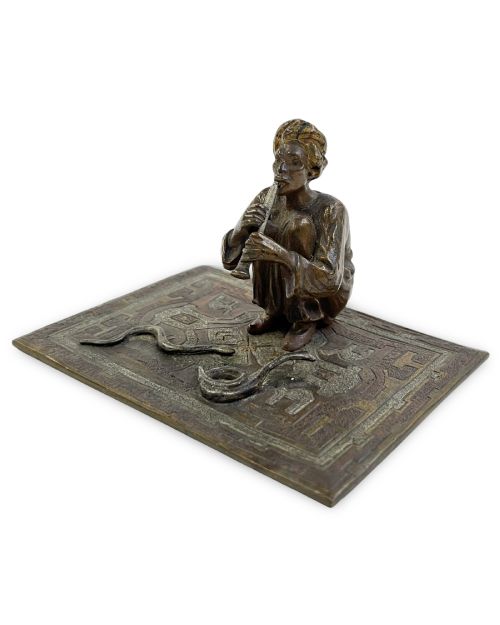
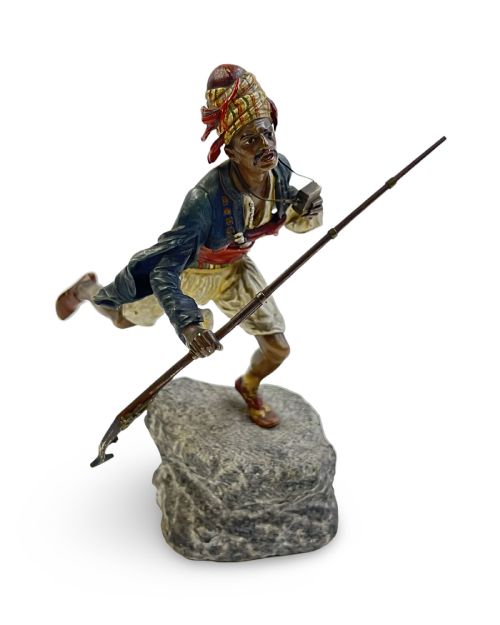
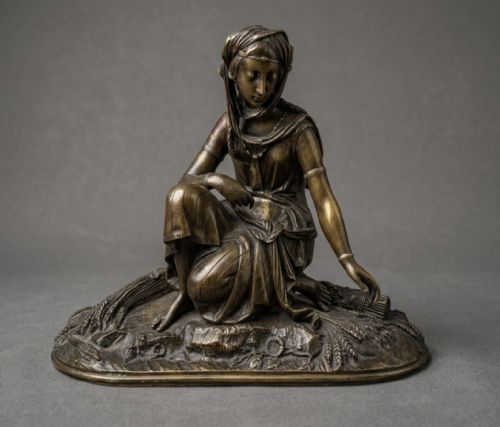
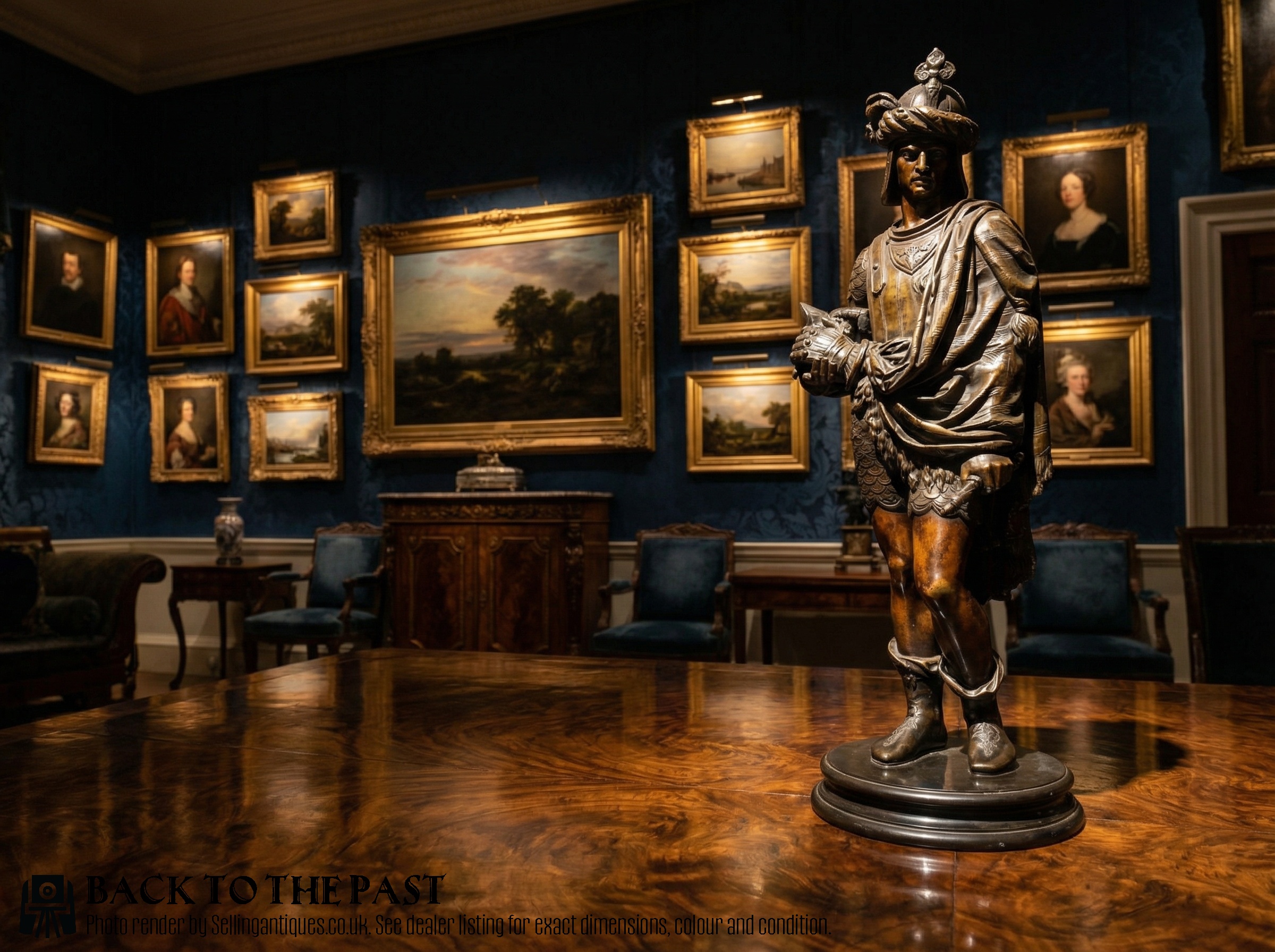
An orientalist bronze figure represents characters, dancers, and scenes from North Africa and the Near East, produced primarily during the nineteenth and early twentieth centuries. These sculptures translate contemporary European fascination with Eastern cultures into three-dimensional metal forms.
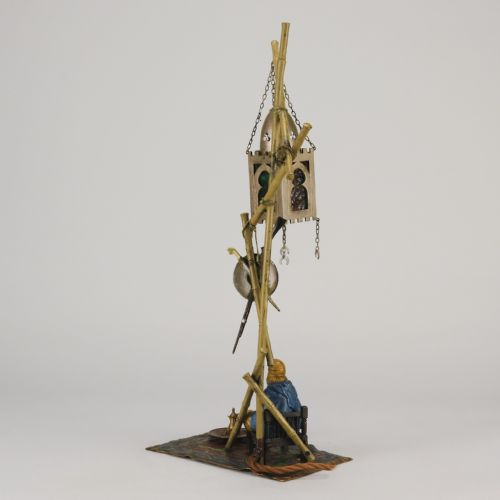
The objects take various sculptural formats, ranging from single standing merchants and soldiers to multi-figure groups with animals like donkeys. Collectors encounter subjects such as Arab ladies serving tea, sword merchants, and dancers of Carthage.
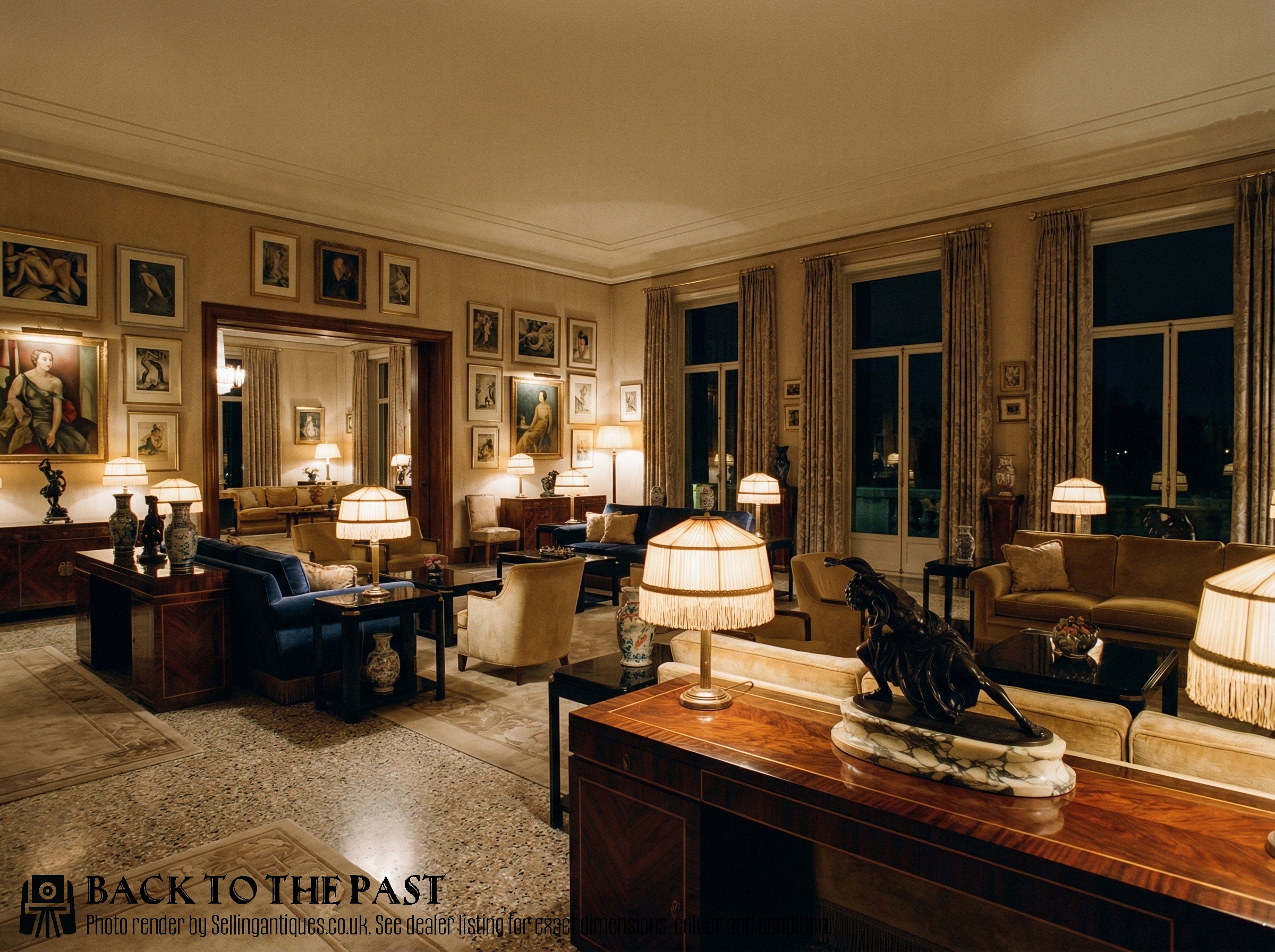
The pieces emerge across distinct stylistic periods including Victorian production, Art Deco interpretations from the nineteen-twenties, and late nineteenth-century French foundry work. They utilise bronze, patinated metal, and marble bases to present these foreign narratives.
How they were made
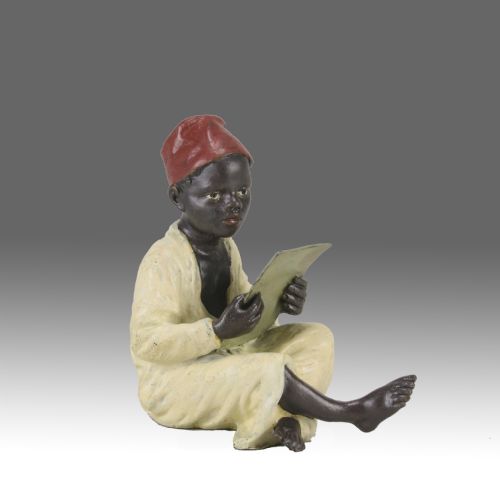
Foundries cast these sculptures using traditional bronze methods, often finishing the metal with rich patination or applying cold-painted pigment and polychrome enamel to highlight costumes and skin tones. These pigments sit directly on the cold metal surface rather than being fired in a kiln.
Many sculptures incorporate mixed media elements, mounting the heavy bronze or patinated metal figures onto integral bases of marble or onyx. This adds structural stability and contrast to the dark or coloured metallic surfaces of the subjects.
Retail Price Guide 2026
Typical UK retail prices for orientalist bronze figure, calculated from the Sellingantiques database of over a million retail prices indexed since 2003. This retail price guide relies exclusively on Sellingantiques data; no external sources or auction records are used, so the figures do not describe the wider market.
Listings span the nineteenth century, nineteen hundred, and the nineteen-twenties, incorporating bronze, cold-painted pigment, onyx, and marble.
What varies in quality
The fineness of surface chiselling and the preservation of delicate cold-painted pigment or enamel separate standard foundry output from masterworks. Artisans who meticulously defined facial expressions and fabric folds achieved greater realism.
The sophistication of the composition dictates distinction, where dynamic poses such as dancing figures or complex groupings with animals demonstrate superior sculptural ambition compared to static single subjects.
Franz Bergman·Claire Colinet·Demetre Chiparus·J. Angles
The Orientalist Bronze Figure Glossary
- Cold-Painted Bronze
- A bronze sculpture decorated with oil-based paint applied after casting without subsequent firing. This technique produces vibrant polychrome garments and skin tones.
- Patinated Bronze
- Metal treated with chemicals and heat to produce a stable surface colour ranging from deep brown to green. This treatment protects the bronze and accentuates sculptural contours.
- Polychrome Enamel
- Vitrified glass fused to metal surfaces to create durable, multi-coloured decorative details. It offers a glossy finish distinct from matte pigments.
- Orientalism
- A nineteenth and twentieth-century artistic movement focused on the subjects and cultures of the Middle East and North Africa. European artists interpreted these regions through sculpture and painting.
- Art Deco
- A design style of the nineteen-twenties characterised by sleek lines, stylised forms, and modern materials. In sculpture, it often manifests in dynamic depictions of dancers.
Frequently Asked Questions
What is an orientalist bronze figure?
An orientalist bronze figure is a nineteenth or twentieth-century metal sculpture depicting characters and scenes from North Africa and the Middle East.
These pieces reflect European artistic interest in Eastern dress, architecture, and daily life during the Victorian and Art Deco eras.
How were cold-painted bronzes coloured?
Makers applied oil-based pigments directly to the cold cast metal surface rather than firing the colour in a kiln.
This delicate technique allowed for intricate polychrome details on clothing and skin, though the paint can wear over time if handled improperly.
Where were these sculptures made?
Production centred primarily in European artistic hubs, with notable Austrian foundries like Vienna and French workshops creating much of the output.
Renowned sculptors and bronze manufacturers exported these detailed figures to collectors across the continent and beyond.
How do I distinguish periods?
Nineteenth-century pieces often display realistic patination and dramatic historical subjects like sentinels or merchants.
Nineteen-twenties Art Deco examples shift towards stylised dancers and streamlined forms set on contrasting marble bases.
How should I display them?
Place sculptures away from direct sunlight and moisture to protect delicate cold-painted pigments and patinated metal surfaces.
Ensure they rest on stable, level furniture where their weight and integrated marble bases are fully supported.