


Polychrome Bronze Sculpture
Polychrome bronze sculpture brings vivid colour and intricate detail to antique metalwork through applied paint and pigment.
What these polychrome bronze sculptures are
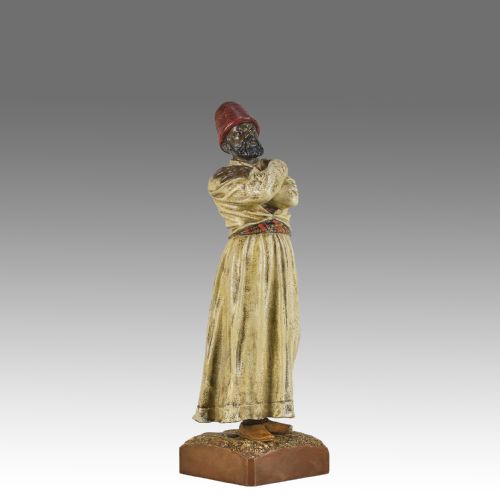
When you search for polychrome bronze sculpture, you encounter figural works finished with cold paint, enamel, or applied pigment rather than relying on the bare metal's natural patina. The selection spans the nineteenth century, the Victorian era, and the early twentieth century, showing periods like eighteen-eighty, nineteen-hundred, and nineteen-ten.
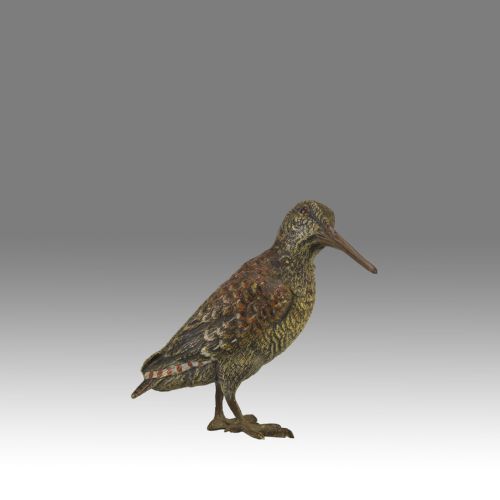
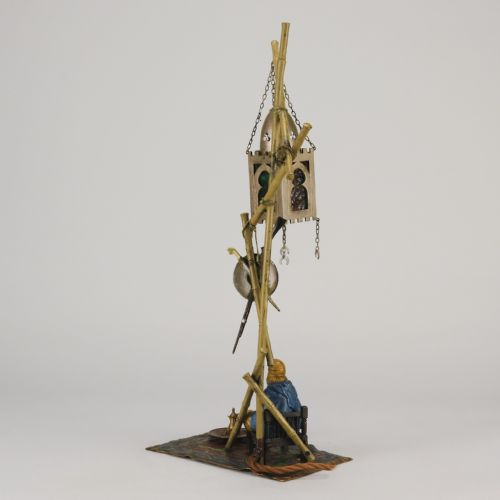
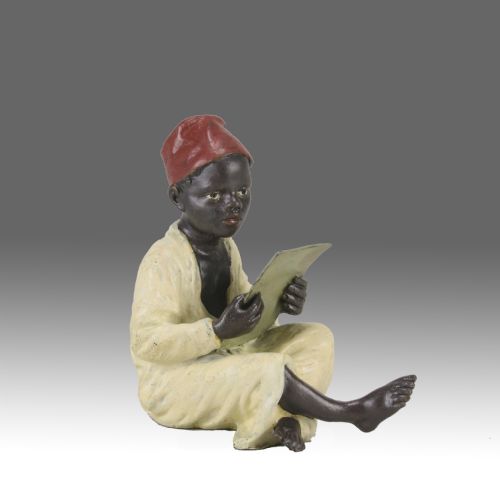
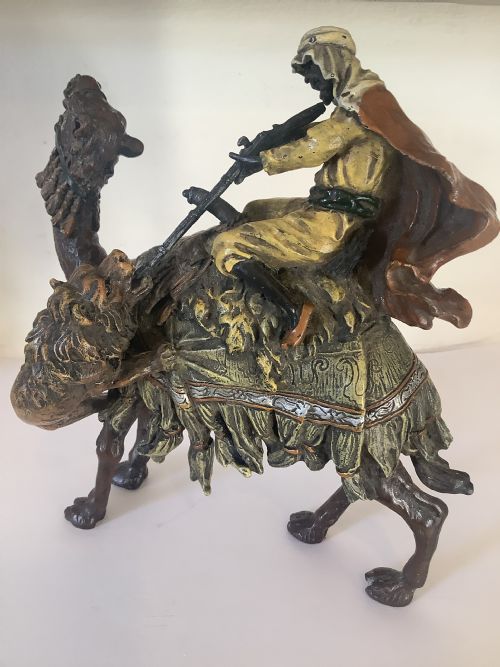
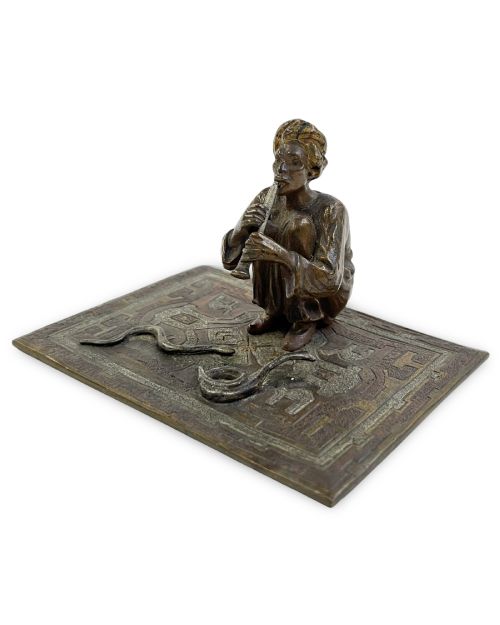
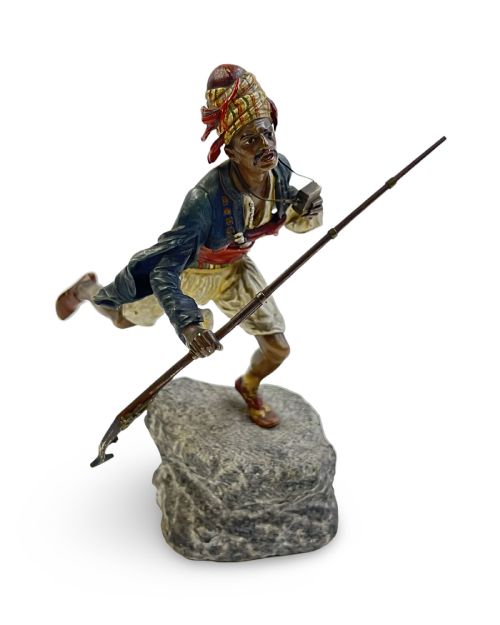
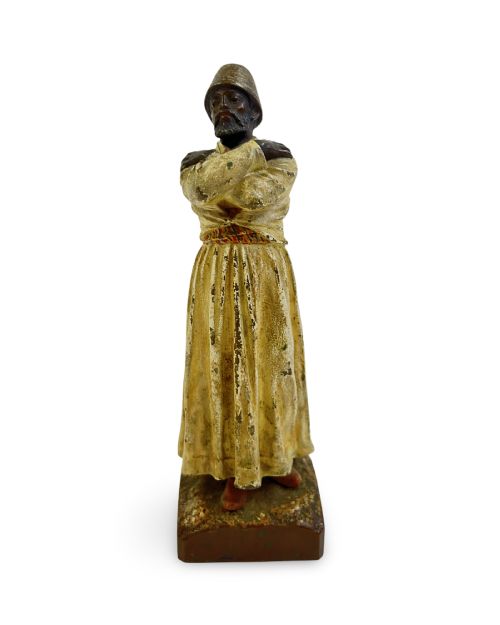
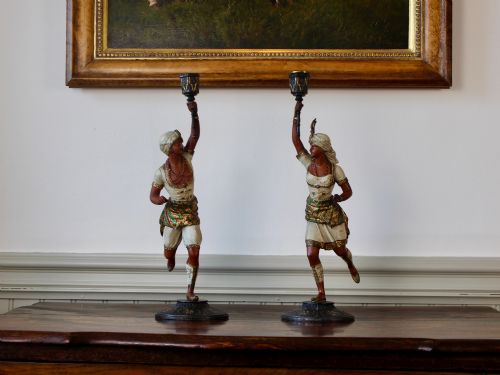
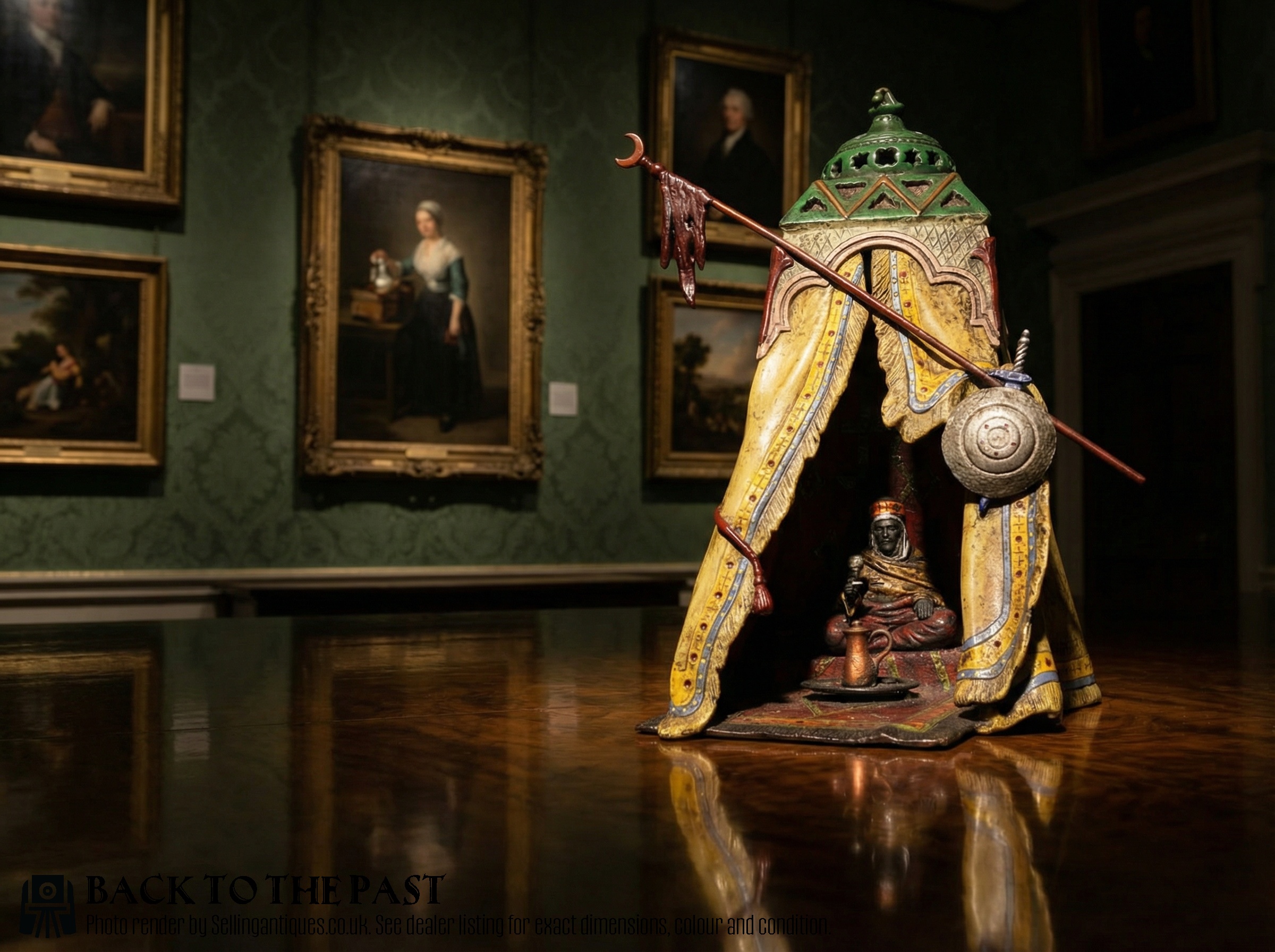
The prevailing forms on this page include Orientalist figures, Vienna bronze subjects, and Japonisme pieces, ranging from desk accessories to standalone sculptures and statuettes. You will frequently find works depicting human figures such as whirling dervishes, Arab ladies serving tea, and warriors, alongside animal subjects like cockerels.
Originating largely from workshops in Austria, these pieces capture specific cultural motifs of their respective periods. The forms bridge the gap between traditional metal casting and decorative cabinet display items.
How these pieces were made
The base works begin as cast metal or bronze, shaped through traditional foundry methods before receiving any surface decoration. Artisans then apply cold paint, enamel paint, or cold-painted pigment directly onto the metal surface without subsequent high-temperature firing.
This cold-painting technique allows for precise polychrome detail across small-scale figurines, desk accessories, and life-size statues. The application method requires steady handwork to render costumes, facial expressions, and surrounding objects with distinct hues.
Retail Price Guide 2026
Typical UK retail prices for polychrome bronze sculpture, calculated from the Sellingantiques database of over a million retail prices indexed since 2003. This retail price guide relies exclusively on Sellingantiques data; no external sources or auction records are used, so the figures do not describe the wider market.
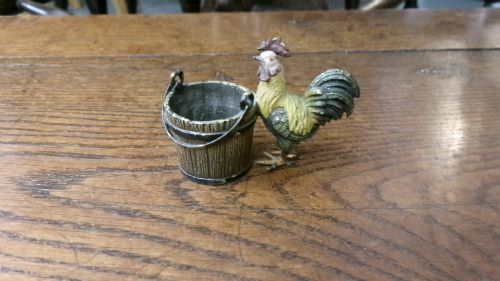
A tiny bronze cockerel stands guard beside its own miniature bucket, proving that nineteenth-century artisans appreciated a touch of whimsy.
What varies in quality
The durability and preservation of the applied cold paint or pigment also separate exceptional pieces from simpler productions. Works that retain their original polychrome scheme with minimal pigment loss demonstrate superior historical integrity.
Franz Bergman
The Polychrome Bronze Sculpture Glossary
- Cold-Painted Bronze
- Bronze sculpture decorated with paint applied after casting rather than fired in a kiln. This method allows for multi-coloured finishes.
- Vienna Bronze
- Small-scale bronze figures produced in Austrian foundries during the late nineteenth and early twentieth centuries. These pieces often feature humorous, animal, or Orientalist subjects.
- Orientalist
- A nineteenth-century artistic style depicting scenes, people, and architecture from the Middle East and North Africa. It reflects European fascination with eastern cultures.
- Japonisme
- The influence of Japanese art and aesthetics on Western works, prominent during the late nineteenth century. It appears in depictions of Japanese figures and traditional dress.
- Patina
- The surface coloration and sheen developed naturally on bronze over time or applied artificially by the maker. In polychrome works, paint often covers this base surface.
Frequently Asked Questions
What is cold-painted bronze?
Cold-painted bronze refers to metal sculptures finished with paint applied after the casting process. The pigment dries on the surface rather than undergoing a high-temperature firing.
This technique enables makers to apply multiple vibrant colours to small figurines and desk accessories.
Where were Vienna bronzes made?
Vienna bronzes originated in Austrian workshops, particularly during the late nineteenth and early twentieth centuries. These foundries specialised in small, highly detailed figural works.
Makers in this tradition often produced human figures, animals, and Orientalist subjects.
How do I care for polychrome bronze?
Caring for polychrome bronze involves keeping pieces away from direct sunlight and moisture to protect the applied pigments. Dusting should be done gently with a soft, dry brush.
Avoid using liquid cleaners or polishes, as these can strip the delicate cold-painted surface.
What subjects appear in these sculptures?
The subjects include human figures such as Arab ladies serving tea, whirling dervishes, warriors, and Japanese individuals in traditional dress. Animal figures, including cockerels, also appear frequently.
Many of these themes reflect nineteenth-century Orientalism and Japonisme.