
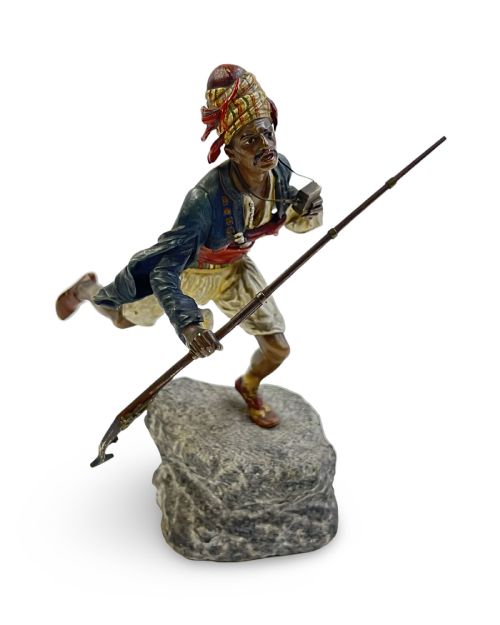
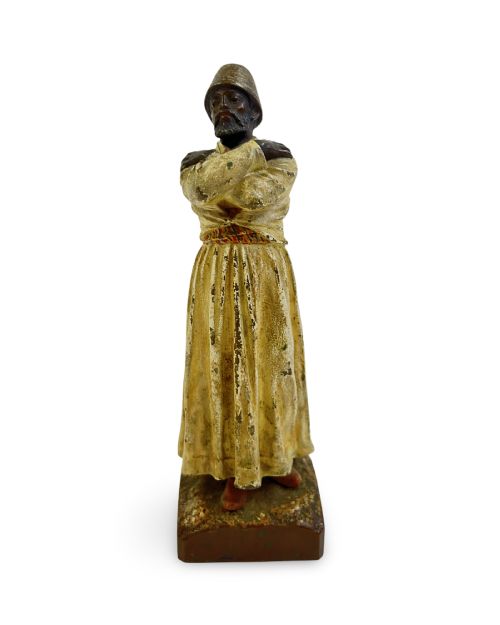
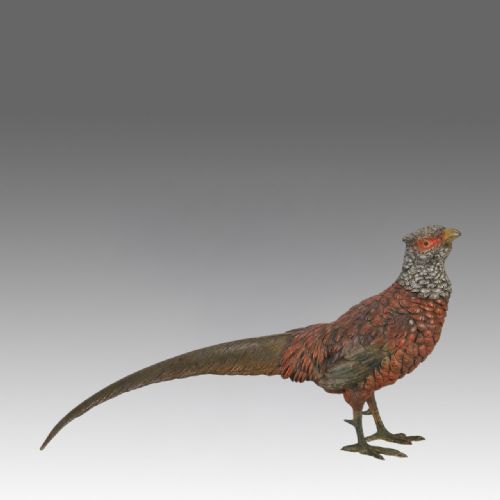


Franz Bergman Bronze Figure
When you search for a franz bergman bronze figure, you seek the vivid coloration and detailed character of Vienna foundry work.
Franz Bergman Bronze Figure
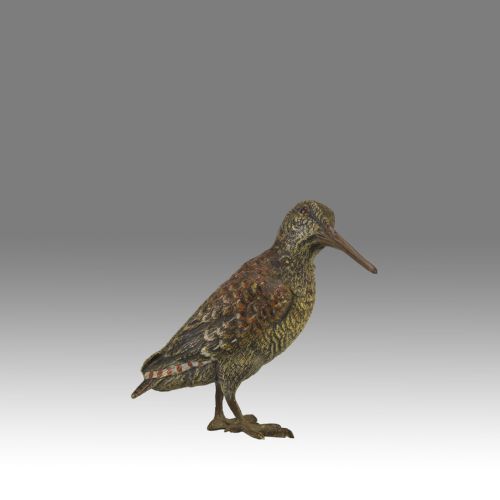
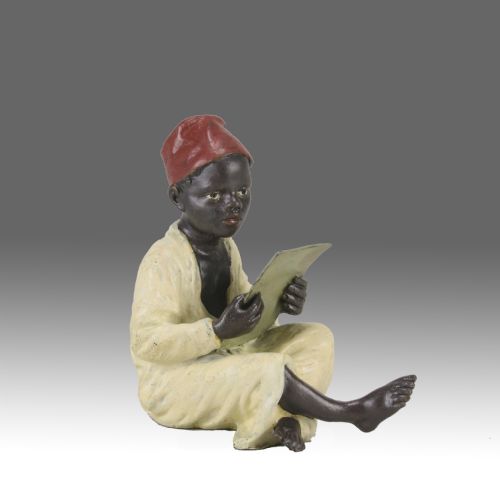
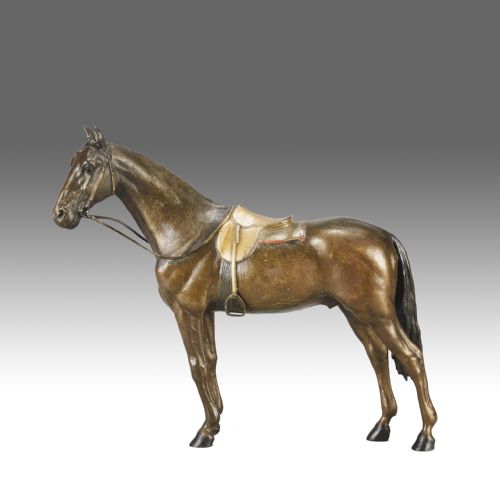
A franz bergman bronze figure represents the output of the notable Viennese foundry, encompassing small sculptures, animals, and human subjects. These pieces span the late nineteenth century and the early twentieth century, aligning with Victorian and Edwardian periods.
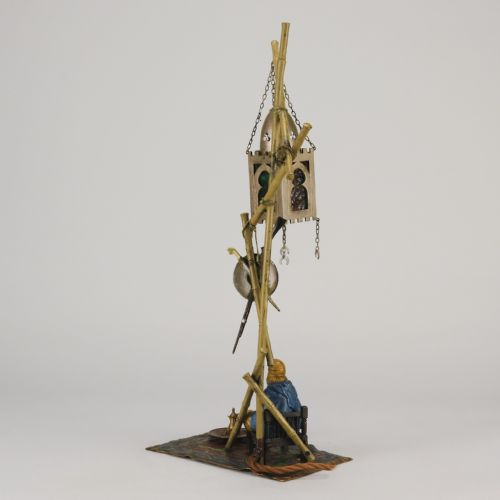
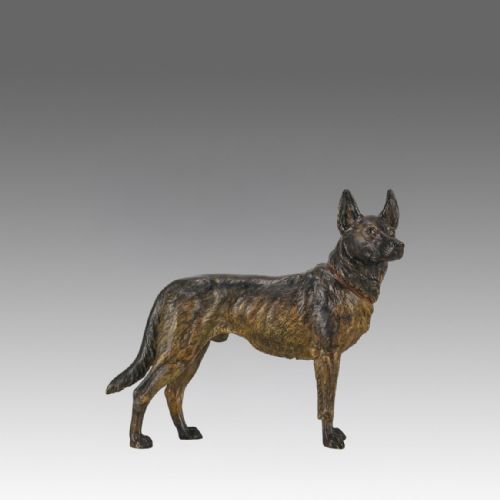
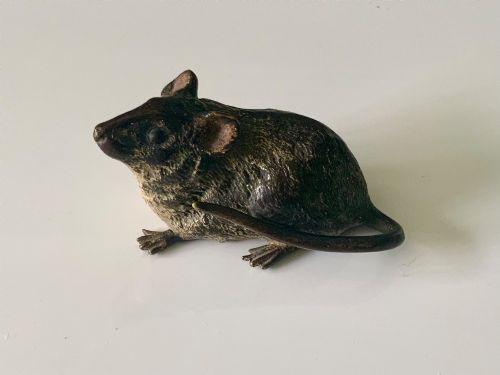
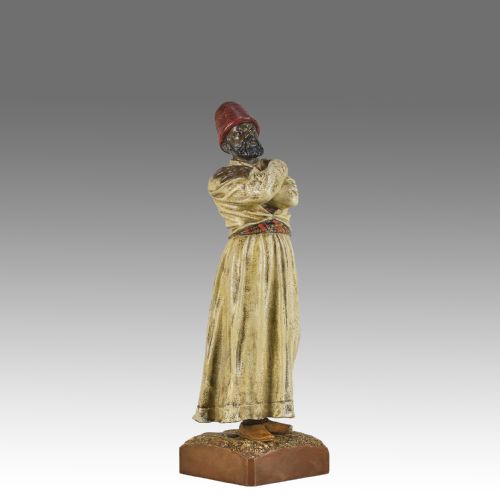
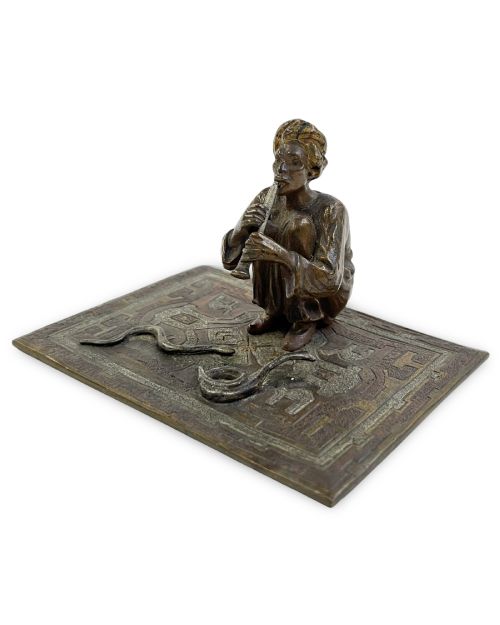
The subjects divide broadly into naturalistic animal studies and Orientalist figures, including figures such as dervishes, warriors, and Arab subjects. Miniature sculptures and table lamps also appear within this scope, occasionally incorporating marble or glass components.
How they were made
Production relies on bronze cast in moulds, finished with cold paint applied after the metal cools rather than fired in a kiln. This cold-painted technique utilises polychrome paint and enamel paint to build up intricate surface detail on the metal.
Materials extend to marble bases and glass inserts, particularly in lamp forms. The foundry processes capture fine textures in animal plumage, pelts, and fabric folds before the pigment is applied.
Franz Bergman Bronze Figure Retail Price Guide 2026
Typical asking prices for franz bergman bronze figure among the pieces listed under this phrase on Sellingantiques today, from the lower quarter to the upper quarter. They describe what is for sale here now, not the wider market.
Monkeys race greyhounds and birds stand ready, showing the playful imagination poured into Austrian metal.
What varies in quality
The distinction between tiers rests upon the crispness of the initial bronze casting and the preservation of the original cold-painted surface. Figures exhibiting sharp chiselling to feathers, fur, and facial expressions command greater regard.
The complexity of the subject and the survival of the polychrome pigments without extensive touch-ups dictate the standing of an individual sculpture. Larger or multi-figure groups demonstrate the higher ambitions of the Vienna foundry.
Franz Bergman·Franz Xaver Bergman
The Franz Bergman Bronze Figure Glossary
- Cold-Painted Bronze
- Bronze sculpture decorated with unfired paint applied directly to the metal surface after casting. This technique allows for a high degree of polychrome detail.
- Vienna Bronze
- Small bronze sculptures produced in Austrian foundries during the late nineteenth and early twentieth centuries. They are typically characterised by naturalistic animal subjects or Orientalist themes.
- Orientalism
- An artistic style depicting scenes, figures, and architecture from the Middle East and North Africa. This aesthetic heavily influences the human figures in this category.
- Art Nouveau
- A design style spanning the late nineteenth and early twentieth centuries, characterised by flowing lines and organic forms. Some foundry pieces share this contemporary aesthetic.
Franz Bergman Bronze Figure: Frequently Asked Questions
What is a franz bergman bronze figure?
These works are small metal sculptures originating from Vienna during the late nineteenth and early twentieth centuries. They depict a wide array of subjects, from native wildlife to human figures in Orientalist settings.
Each casting receives hand-applied cold paint rather than a fired enamel finish. This gives them their characteristic bright surface decoration.
How were these figures used?
They served primarily as decorative ornaments for desks, cabinets, and mantelpieces in homes of the period. Some functional variations incorporated them into table lamps or small dishes.
Their small scale made them tactile cabinet pieces intended for close inspection rather than large architectural display.
How do I care for cold-painted bronze?
The primary requirement is keeping the pieces away from moisture and direct sunlight, which can damage the delicate cold-painted surface. Dusting should be done gently with a dry, soft brush without cleaning agents.
Because the paint is unfired, liquid cleaners or abrasive cloths will strip the original colour from the bronze entirely.
How can I tell the period?
Dating relies on the stylistic markers of the Victorian, Edwardian, and early twentieth-century periods, alongside foundry marks where present. The subjects often reflect the prevailing European interest in Orientalism and natural history.
Examining the wear of the cold paint and the patination of the underlying bronze helps establish the age of the casting.