

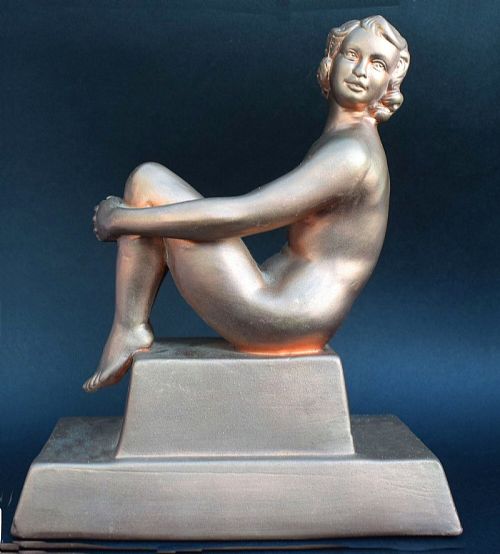


Antique Mantelpiece Sculpture
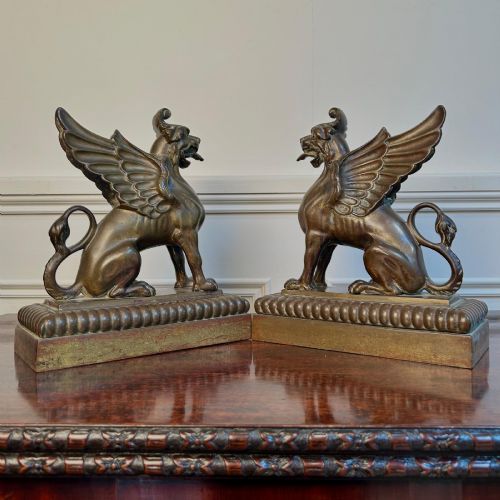
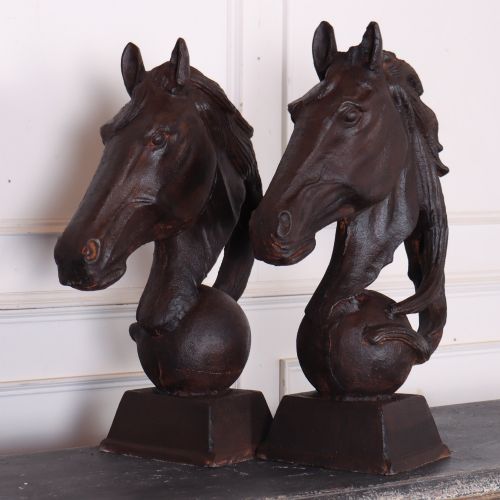
These antique mantelpiece sculpture pieces bring classical figures, animals and architectural presence to a hearth.

Antique Mantelpiece Sculpture
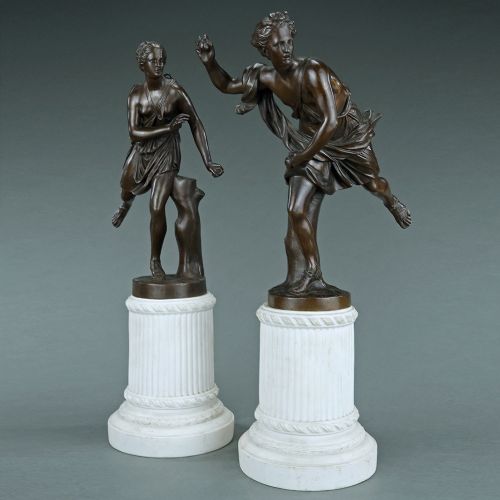
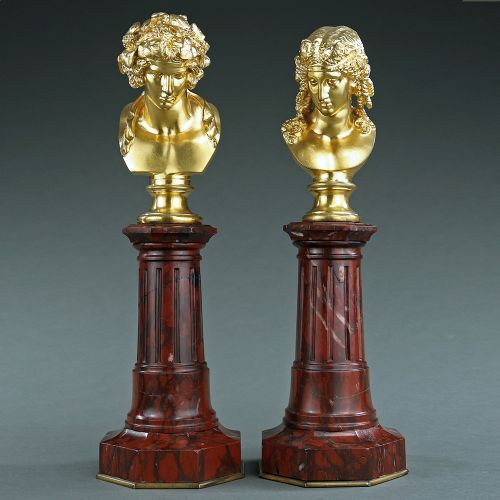
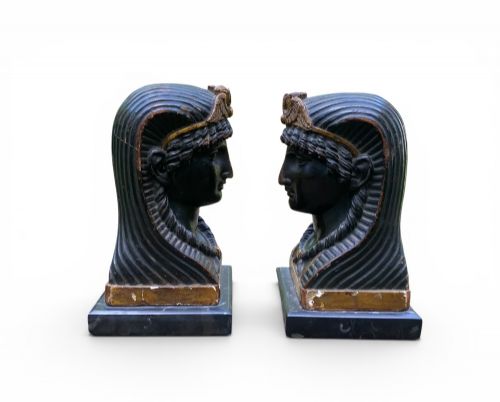
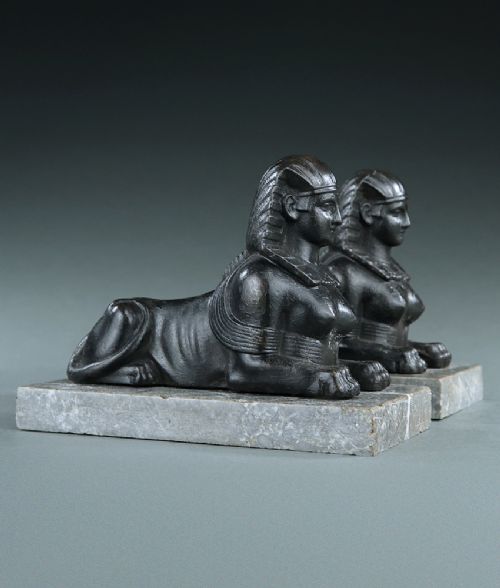
An antique mantelpiece sculpture brings figural or decorative presence directly to a fireplace hearth, often taking the form of cast metal animals, mythological busts or human figures. Buyers hunting for an antique mantelpiece sculpture will encounter works rendered in bronze, spelter, marble and wood across periods spanning the Regency era through to Art Deco designs.
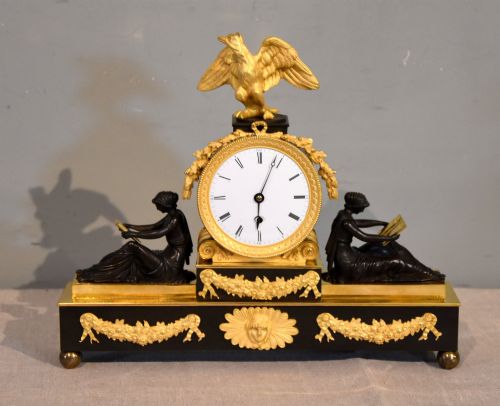
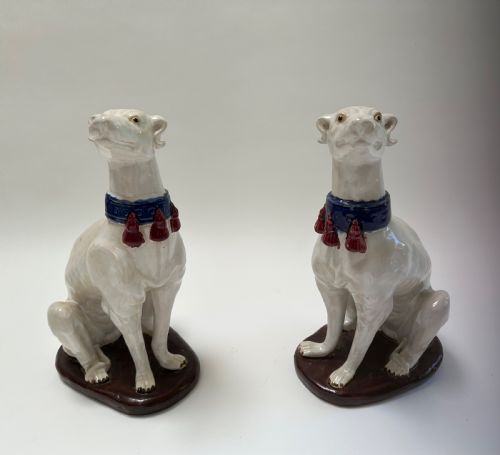
The selections range from French animalier studies and Grand Tour bronzes to distinct earthenware pottery and carved wooden figures. Many pieces integrate directly with clock movements or sit atop dedicated marble and onyx plinths designed specifically for display on a mantel ledge.
How They Were Made
Foundry casting dominates these works, utilising both the lost-wax method for fine bronze details and simpler processes for mass-market spelter figures. Patination, cold-painting and gilding provide colour and surface finish to the underlying metal bodies.
Carved and turned wooden elements, alongside moulded alabaster and ceramic bodies, rely on traditional joinery, glazing and firing techniques suited to decorative domestic objects.
What Varies in Quality
The crispness of the chasing and the depth of the metal patination separate master foundry work from ordinary commercial production. Superior examples retain fine anatomical articulation and clear signature stamps, whereas lesser pieces show blunt edges and heavy, obscuring paint layers.
The choice of supporting base material also dictates overall execution, with genuine marble and onyx mounts offering greater permanence and weight than simpler wooden or composite alternatives.
Barbedienne·P J Mêne·Franz Bergman·Thomas Hope·Japy Freres
The Antique Mantelpiece Sculpture Glossary
- Spelter
- A zinc alloy commonly utilised as a less expensive substitute for bronze in decorative figures. It accepts patination and metallic paint finishes readily.
- Animalier
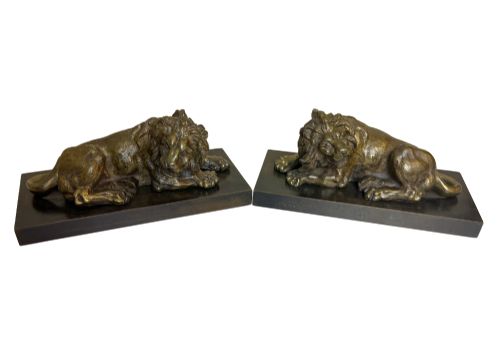
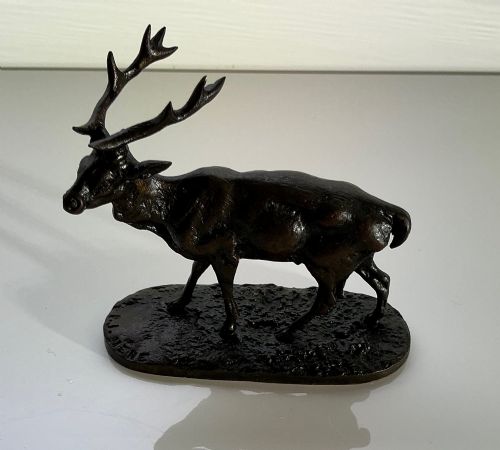
- A nineteenth-century artistic genre focusing on the realistic depiction of animals, particularly lions, stags and hunting dogs. Masters of this style captured beasts in motion or repose.
- Grand Tour
- A cultural tradition of travelling through Europe for education, resulting in tourists acquiring small bronze busts and architectural models as souvenirs. These objects replicate classical antiquities.
- Cold-painted
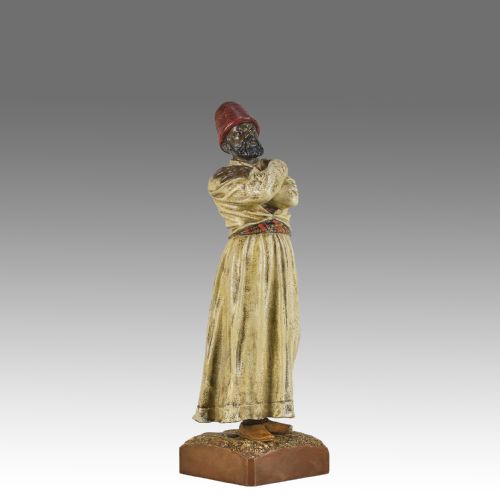
- A technique where paint is applied to metal sculptures without subsequent firing or heat treatment. Franz Bergman utilised this method extensively on small bronze figures.
- Gilt bronze
- Metal rendered decorative through the application of a thin layer of gold or gold-coloured alloy to the bronze surface. This finish protects the base metal while providing a brilliant lustre.
Antique Mantelpiece Sculpture: Frequently Asked Questions
What materials were commonly used?
Makers utilised bronze, spelter, marble, wood and brass to construct these decorative objects for domestic hearths. Metal casting and stone carving predominated across the nineteenth and early twentieth centuries.
Foundries often applied patinas, cold-painted finishes or gilding to enhance the visual texture of the materials.
How do I identify Art Deco pieces?
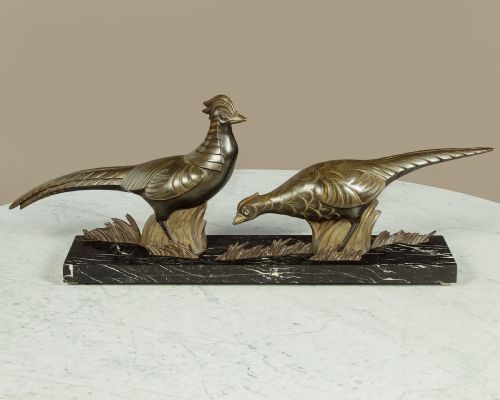
Art Deco examples typically date from around 1920 to 1930 and feature stylised animal forms, female figures and geometric marble bases. The design lines emphasise sleek, modern contours distinct from earlier Victorian or Regency revivals.
Spelter and bronze were frequent mediums for these twentieth-century decorative groups.
What is an animalier sculpture?
An animalier piece focuses on the naturalistic study of animals, such as lions, stags and dogs, captured in lifelike poses. French workshops popularised this genre during the nineteenth century.
Artists paid close attention to musculature, tension and movement in the subject.
How were they displayed?
These pieces were designed to sit upon the narrow stone or wooden ledge above a fireplace, often accompanied by matching garnitures or clocks. Many incorporate integrated marble or onyx plinths to ensure stability.
Their scale allows them to anchor the visual composition of a mantelpiece.