
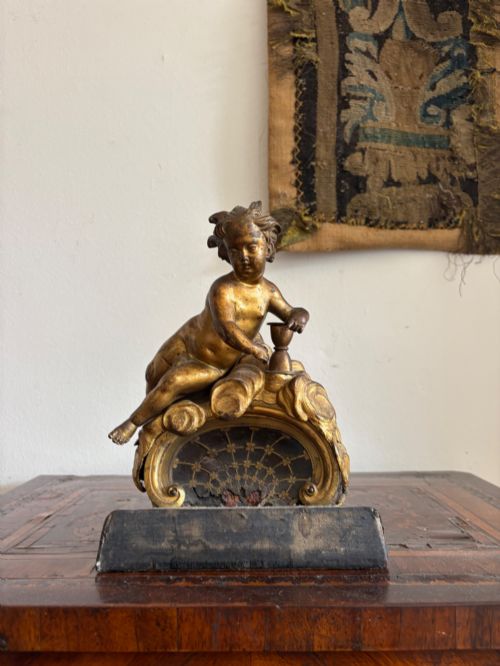
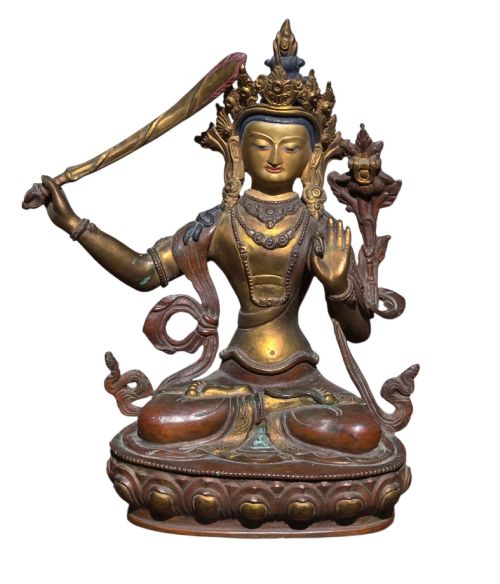

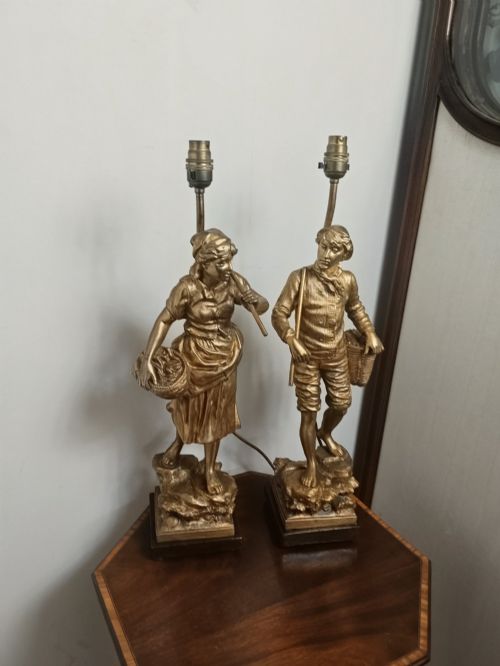
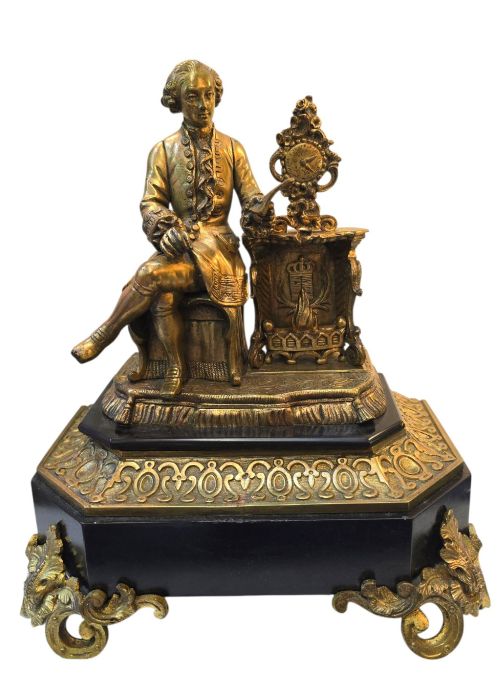
Gold Bronze Statue
These gold bronze statue pieces bring figures and deities into a room, shaped in cast metal and carrying the weight of past centuries.
What a gold bronze statue is
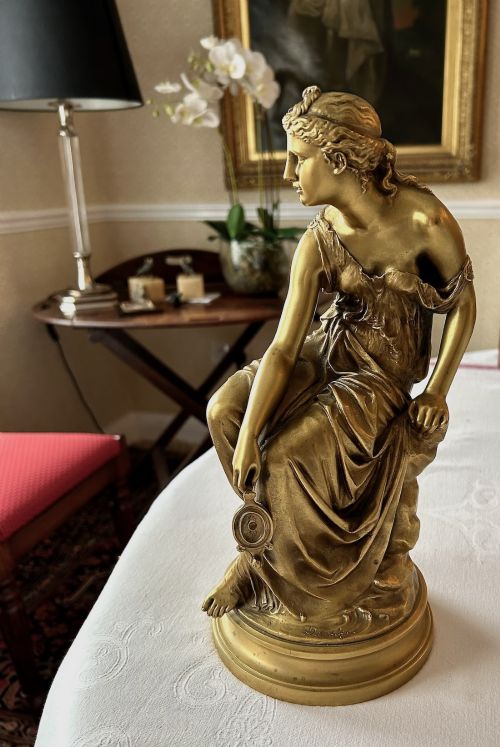
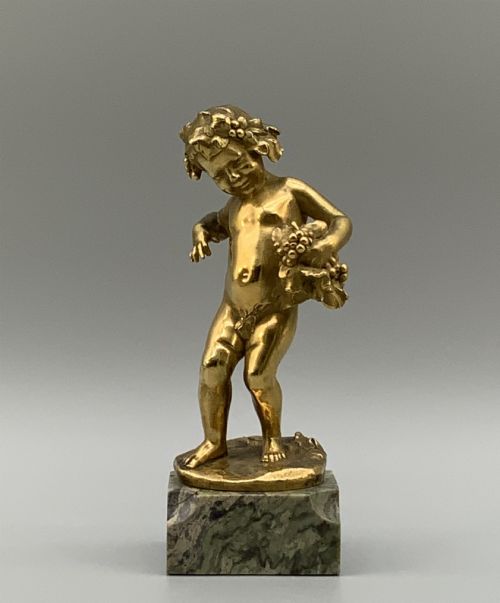
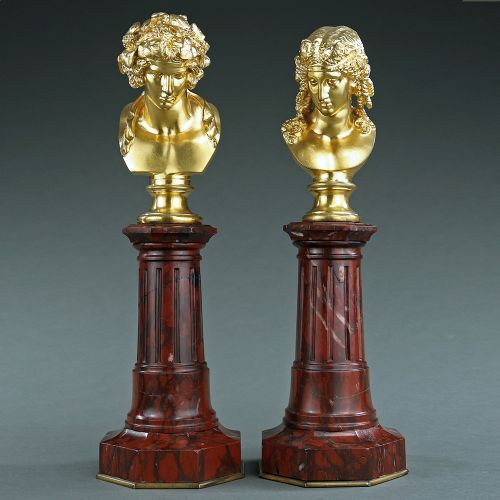
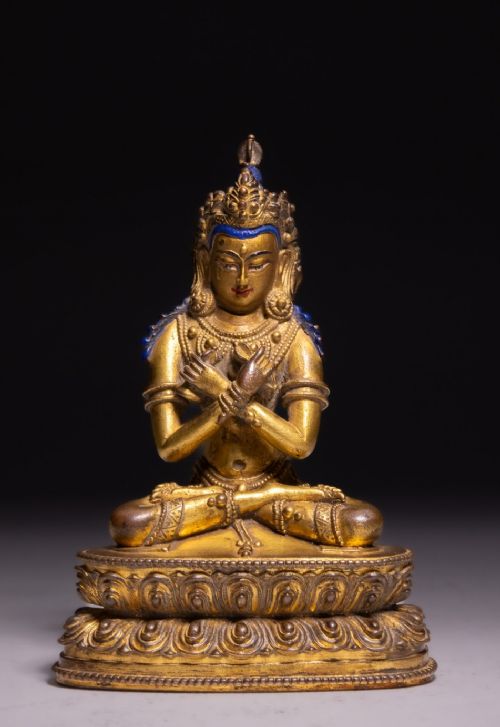
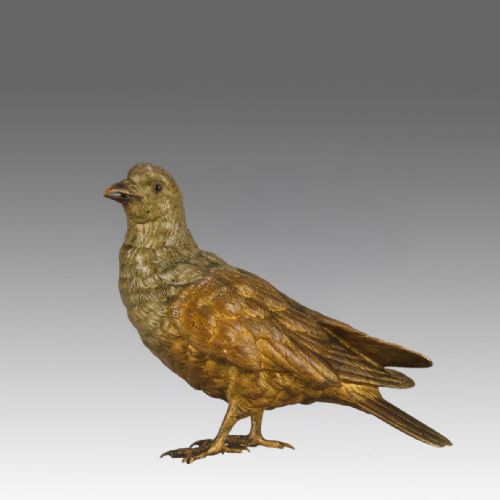
A gold bronze statue represents sculpted figures cast in metal, often highlighted with gilding or gold leaf. The pieces span from the sixteenth century through the nineteenth century and into the early twentieth century.
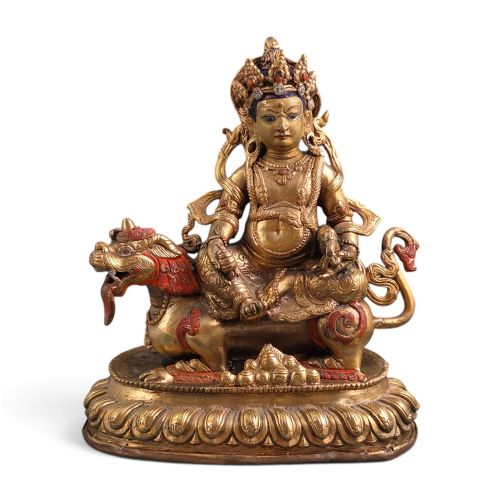
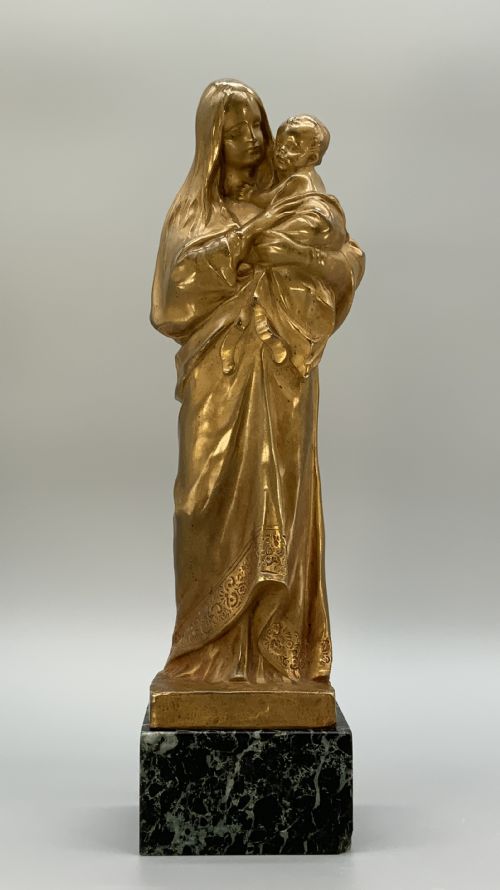
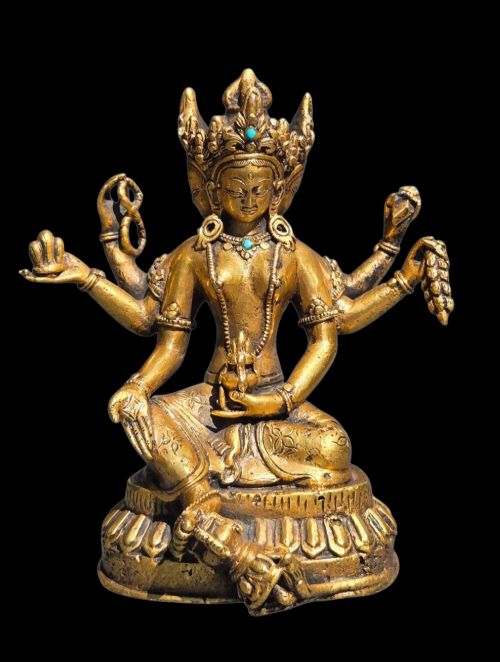
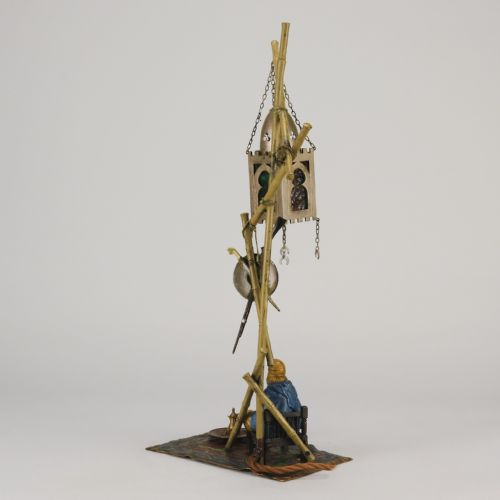
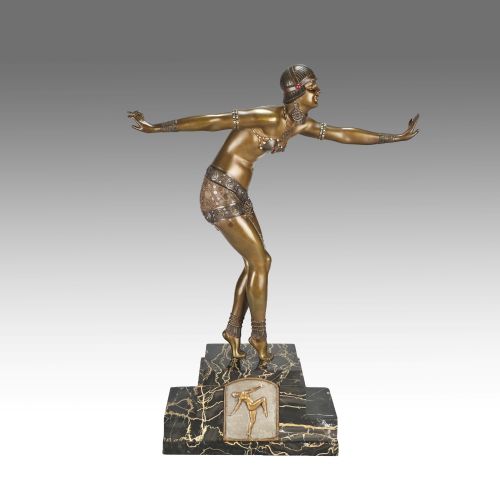
Buyers encounter diverse regional traditions within these listings, ranging from Ayutthaya style Buddhas and Javanese classical statuettes to French figures and Art Deco dancers. Object types include sculptures, statues, and figurines.
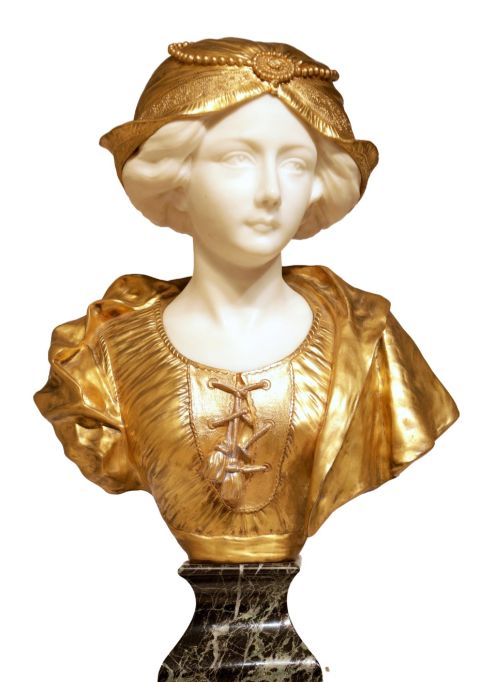
Materials extend beyond pure bronze to include gilt bronze, gilded bronze, brass, marble, ivory, and onyx. These works appear in styles such as Art Deco, Neoclassical, and French Renaissance Revival.
How they were made
Makers shaped these sculptures using cast metal techniques, utilising bronze, gilt bronze, and brass. Many examples received layers of gold leaf or gilt finishes to enhance their visual depth.
Composite pieces combine metal casting with carved elements such as ivory. Other works incorporate carved bases or mounts made from marble and onyx to support the main figure.
Retail Price Guide 2026
Typical UK retail prices for gold bronze statue, calculated from the Sellingantiques database of over a million retail prices indexed since 2003. This retail price guide relies exclusively on Sellingantiques data; no external sources or auction records are used, so the figures do not describe the wider market.
Current listings feature items spanning from pre-sixteenth century examples to the early twentieth century, incorporating materials like marble, onyx, and ivory.
What varies in quality
The refinement of the casting and the crispness of the chased details distinguish finer works from simpler productions. Mastery in rendering drapery, facial expressions, and anatomical proportions elevates a piece.
The application and preservation of the gold leaf, gilt, or gilding heavily influence the visual impact. Sculptures that integrate materials like carved ivory and marble with secure metal fitting show superior craftsmanship.
Demetre Chiparus·Paul Philippe·Eurotrope Bouret
The Gold Bronze Statue Glossary
- Gilt bronze
- Metal coated with a thin layer of gold or gold leaf. This technique provides the rich surface sheen seen on many period sculptures.
- Chryselephantine
- A term for statues made from a combination of bronze and ivory. This method gained prominence during the Art Deco era.
- Ayutthaya Period
- An era of Southeast Asian art known for distinctive Buddhist iconography and styling. Pieces from this tradition often feature traditional cast metal forms.
- Javanese Classical
- A historical style of sculpture originating from Java. These works typically depict deities with elaborate traditional attire and ornamentation.
Frequently Asked Questions
What periods do these sculptures cover?
The pieces span from pre-sixteenth century works up to the early twentieth century. This includes specific items from the sixteenth and nineteenth centuries.
Each period brings distinct stylistic characteristics, ranging from classical Asian deities to nineteenth-century French figures and Art Deco dancers.
What materials are used in these figures?
Sculptures utilise bronze, gilt bronze, gilded bronze, and brass as primary metals. Some examples incorporate gold leaf for surface enrichment.
Additional materials include carved ivory, marble, and onyx, which often serve as bases or complementary sculptural components.
How do I care for gilt bronze?
Gilt bronze surfaces require gentle dusting with a soft, dry cloth to prevent accumulation of grit. Avoid using chemical cleaners or abrasive polishes that can strip the gold layer.
Keep the pieces away from excessive moisture and direct sunlight to preserve the integrity of both the metal and any secondary materials like ivory.
Are these works signed by artists?
Certain sculptures bear signatures or attributions to known makers, particularly those from the nineteenth and early twentieth centuries. Other historical pieces, such as temple statuettes, are attributed to broader regional traditions and periods.
Checking the base or lower edges of the metal often reveals maker marks or foundry stamps.