
Antique Religious Figure
An antique religious figure carries centuries of devotion in wood, bronze, and earthenware.
Antique Religious Figure
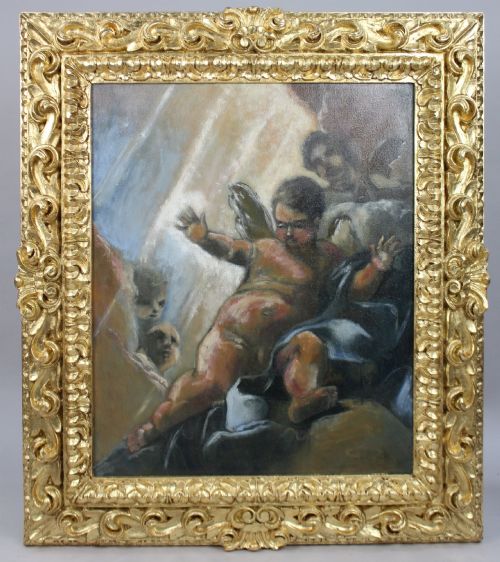
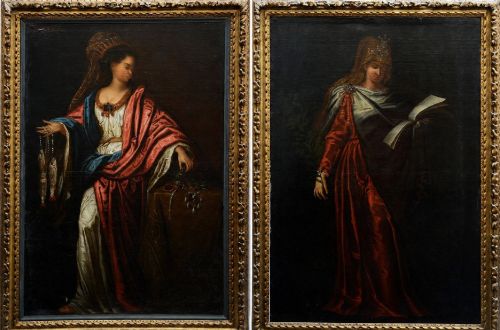
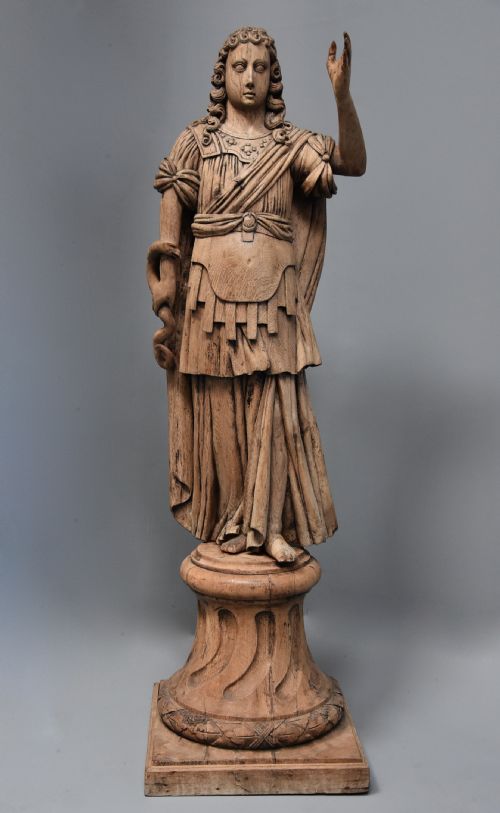
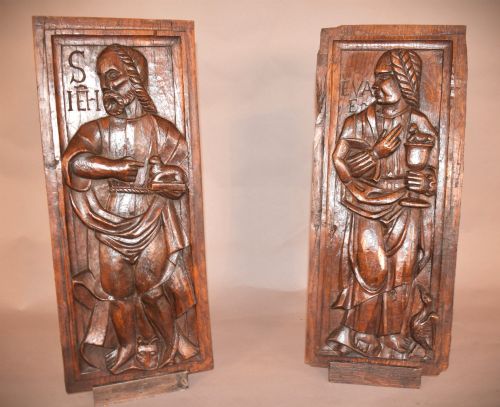
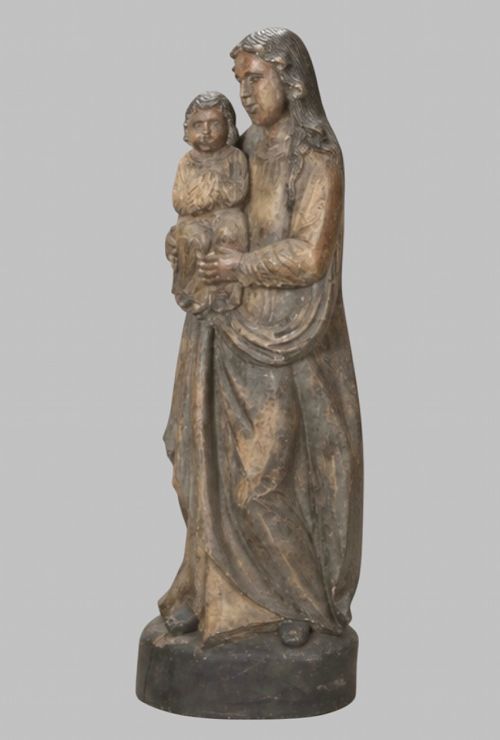
An antique religious figure encompasses devotional carvings, statues, and sculptural groups originating from various European and global traditions. Buyers find representations of madonnas, saints, and deities rendered in media ranging from humble folk art pottery to grand life-size church carvings.
Devotional art serves both domestic prayer and ecclesiastical display. Collectors encounter small household devotional groups as well as substantial architectural figures intended for altars or private chapels.
How they were made
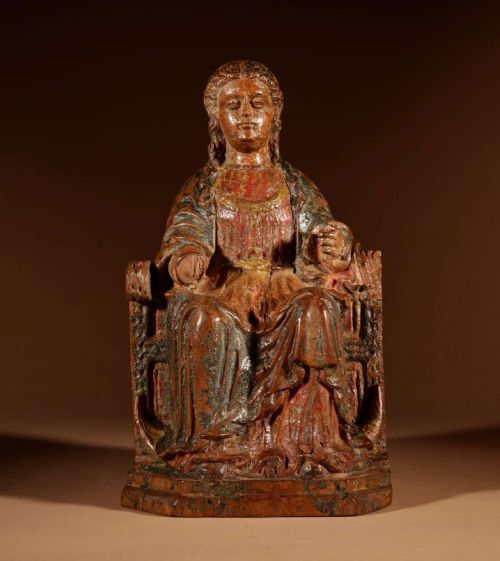
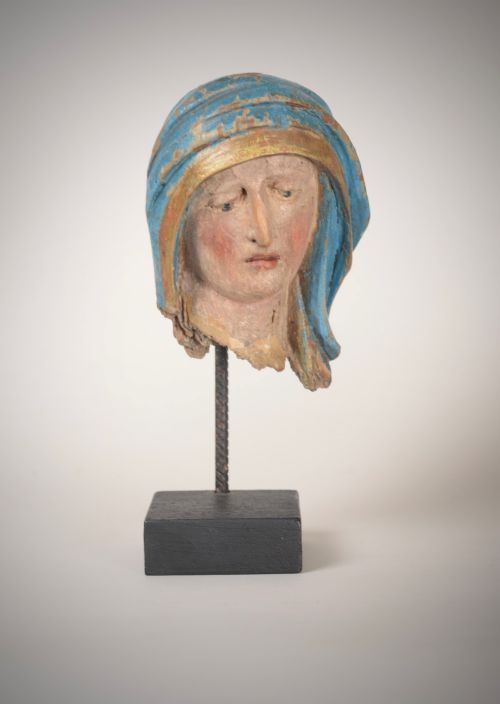
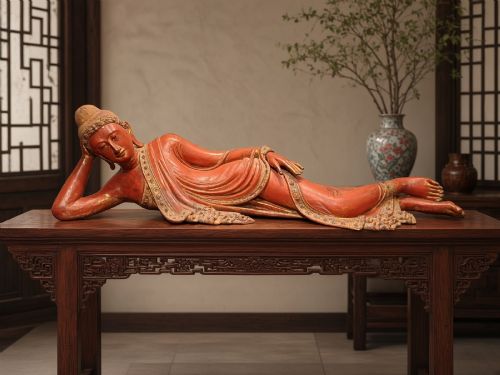
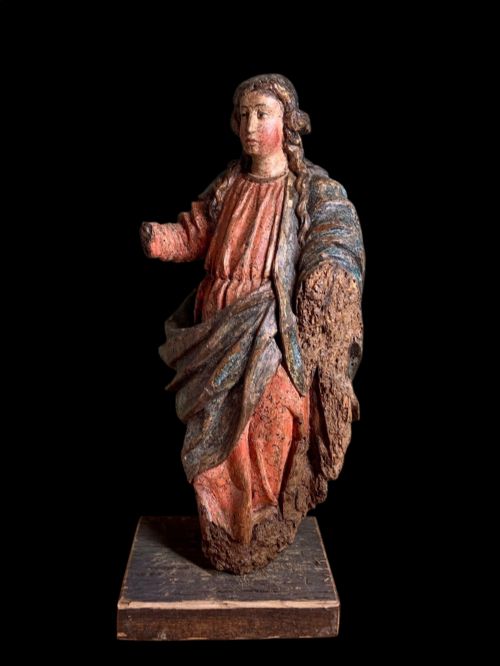
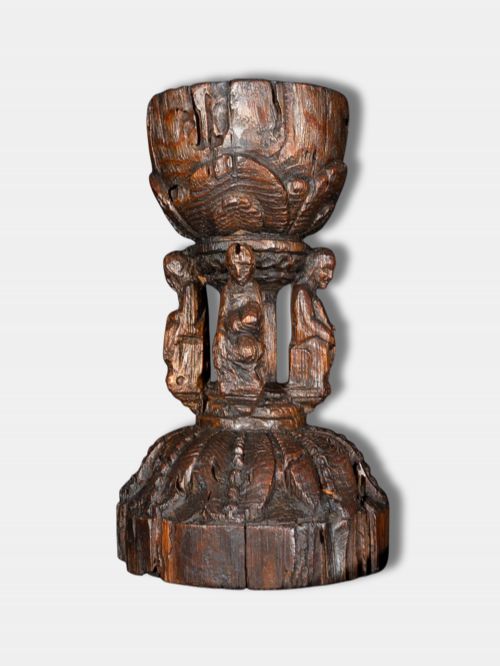
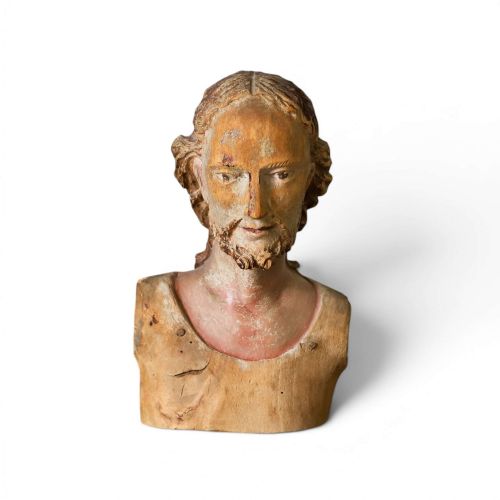
Carved wood works utilise traditional timbers such as oak, walnut, limewood, and olive wood. Artisans frequently applied gesso surfaces followed by polychrome paint and gold leaf to enhance the visual impact of saints and madonnas.
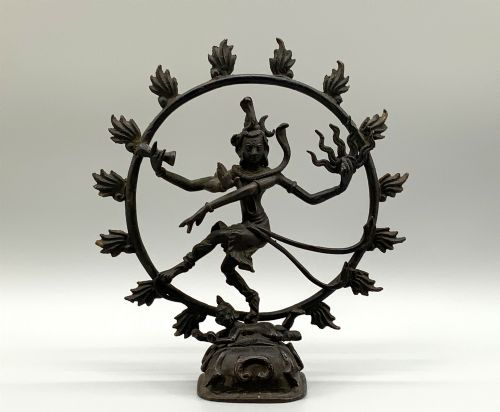
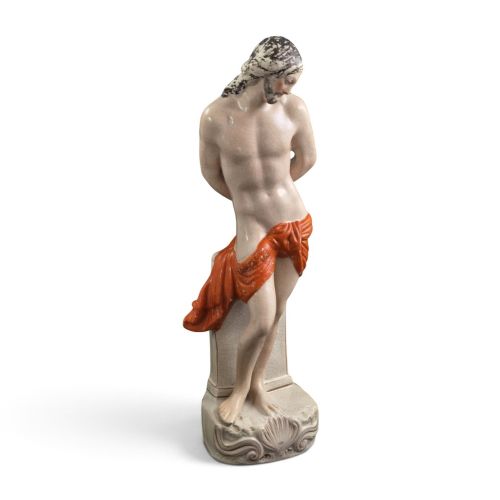
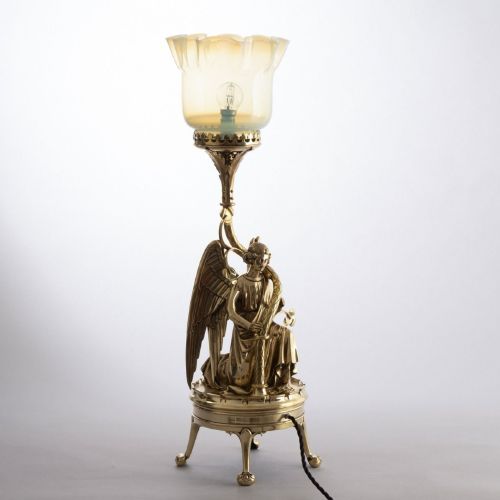
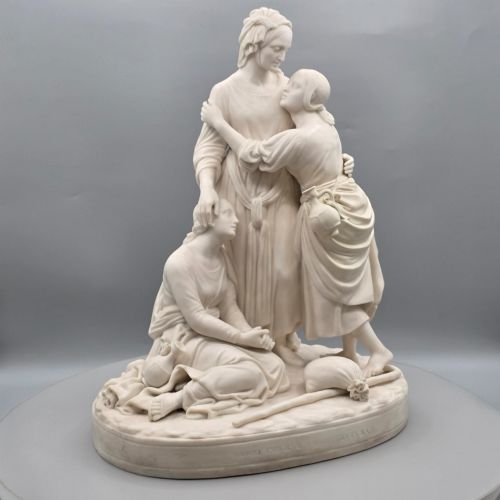
Metal sculptures employ bronze casting techniques, producing patinated figures and devotional objects. Ceramic examples utilise earthenware, porcelain, and Parian bodies shaped in moulds and finished with glazes or painted details.
Some nineteenth-century figures wear real fabric garments tacked directly to their wooden frames by historical owners.
What varies in quality
The preservation of original surface finishes significantly influences character and integrity. Retained polychromy, historical gilding, and undisturbed patina elevate the visual and historical interest of early devotional sculpture.
The Antique Religious Figure Glossary
- Polychrome
- Decoration applied in several colours to the surface of wood or stone sculpture. This technique was widely utilised in medieval and baroque ecclesiastical art.
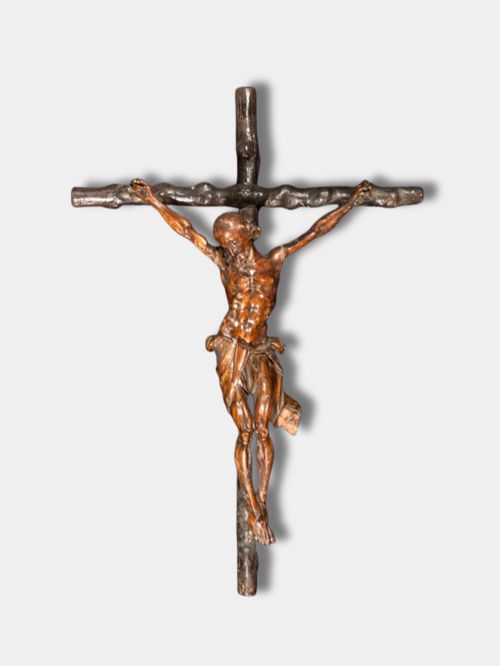
- Corpus Christi
- A representation of the body of Jesus Christ on the cross. These figures appear in carved wood and metal across various centuries.
- Gesso
- A plaster mixture applied to wood surfaces as a base for painting and gilding. It provides a smooth ground for intricate detail.
- Parian
- A fine white porcelain resembling marble, developed in the nineteenth century. Manufacturers used this material for classical and religious figurines.
- Santos
- A carved figure of a saint or holy person used in Hispanic devotional traditions. Many examples feature articulated limbs for ceremonial dressing.
Antique Religious Figure: Frequently Asked Questions
How do I date a wooden religious carving?
Dating relies on tool marks, timber selection, and stylistic traits associated with periods like the Renaissance or Baroque. Examining the construction methods and the wear of underlying gesso provides further clues.
Comparative analysis with documented examples helps narrow the decade of production. Experts also evaluate the ageing of the wood and historical repair work.
Where were these figures originally displayed?
Many originated in churches, monasteries, and private household shrines across Europe and Asia. Life-size pieces often occupied niches in chapels, while smaller groups stood on domestic altars.
Travellers also purchased smaller bronzes and ivories during Grand Tours. Folk art examples typically served rural home devotion.
Are painted finishes usually original?
Surfaces often experienced overpainting or restoration during subsequent centuries of devotional use. Ultraviolet light examination and microscopic inspection help determine the presence of historical layers.
Original polychromy appears as a fragmented, stable layer integrated with the gesso. Subsequent repainting layers sit visibly on top of earlier finishes.
How should I care for antique wood sculptures?
Maintain stable humidity and temperature levels to prevent the wood from splitting or warping. Avoid direct sunlight, which fades delicate polychrome and gilt surfaces.
Dust gently with a soft, dry brush rather than using chemical polishes or damp cloths. Professional conservators should handle structural stabilization.