




Ecclesiastical Wood Sculpture
These ecclesiastical wood sculpture pieces bring centuries of devotional craft into domestic and institutional spaces.
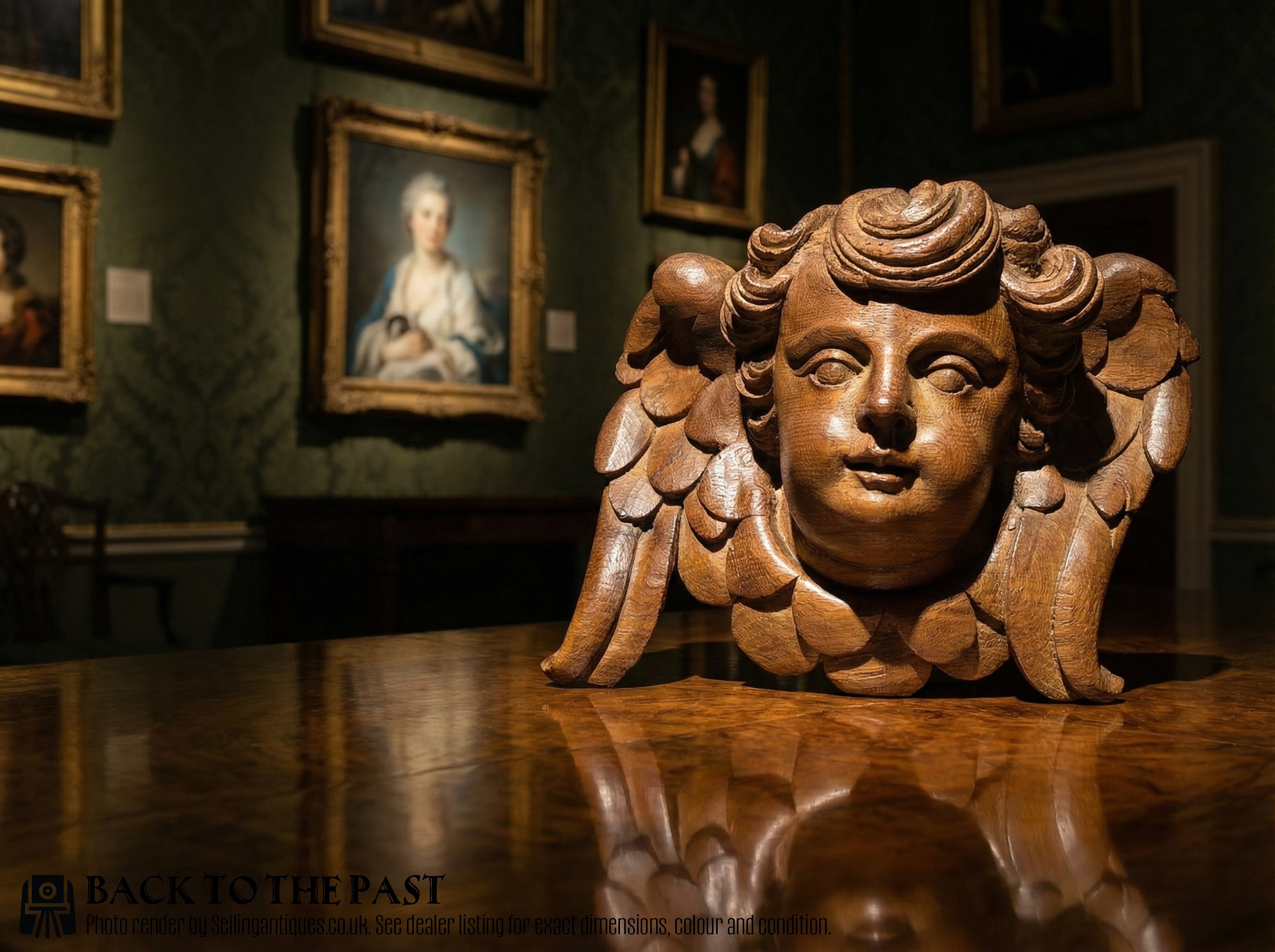
Ecclesiastical wood sculpture
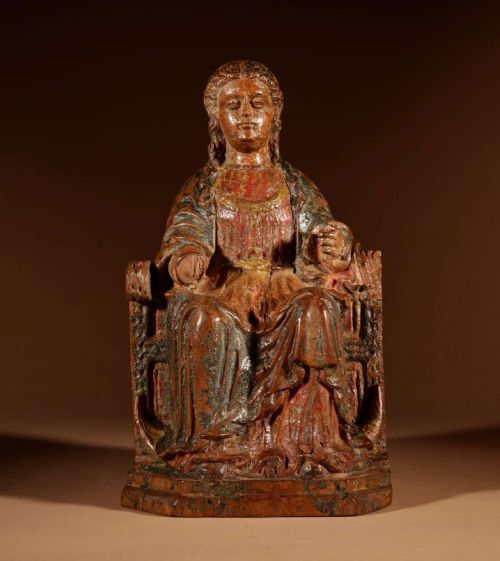
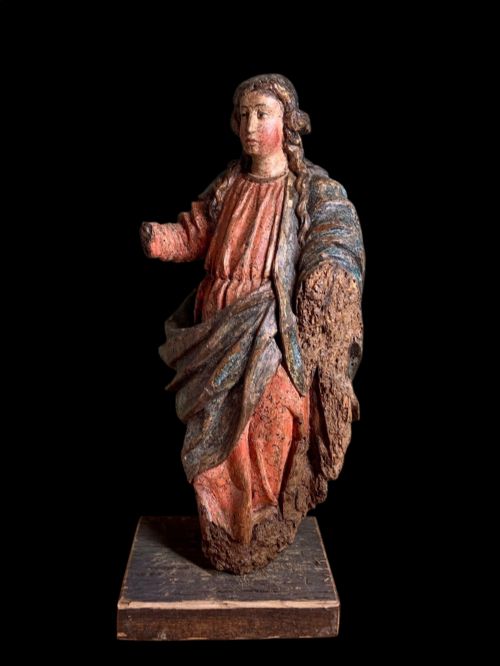
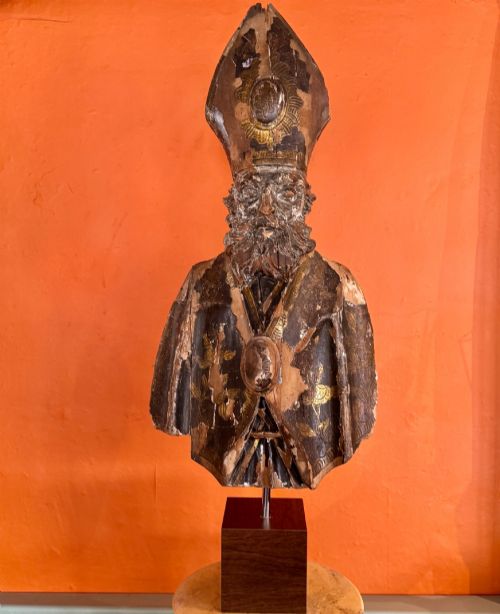
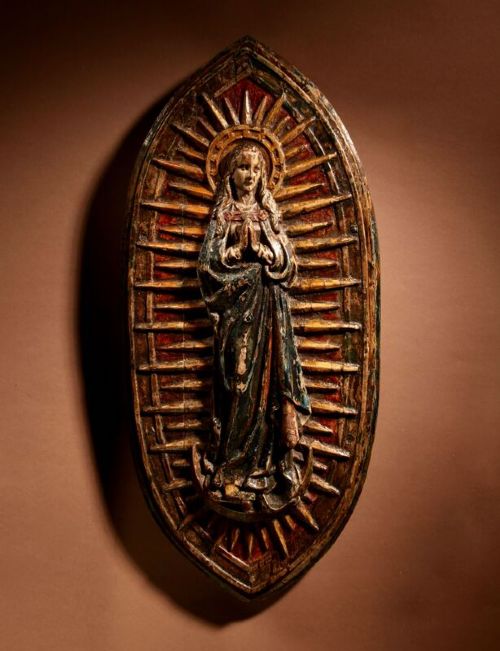
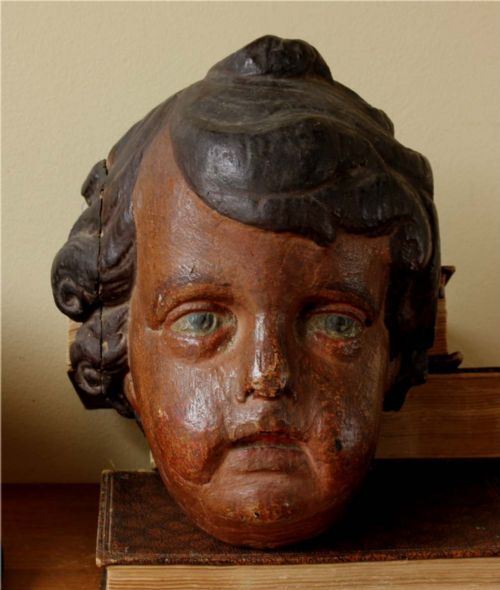
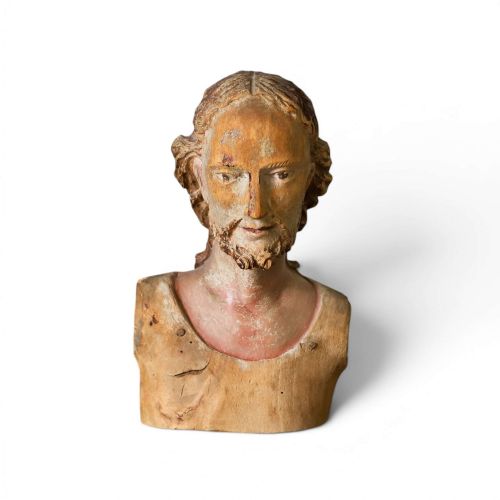
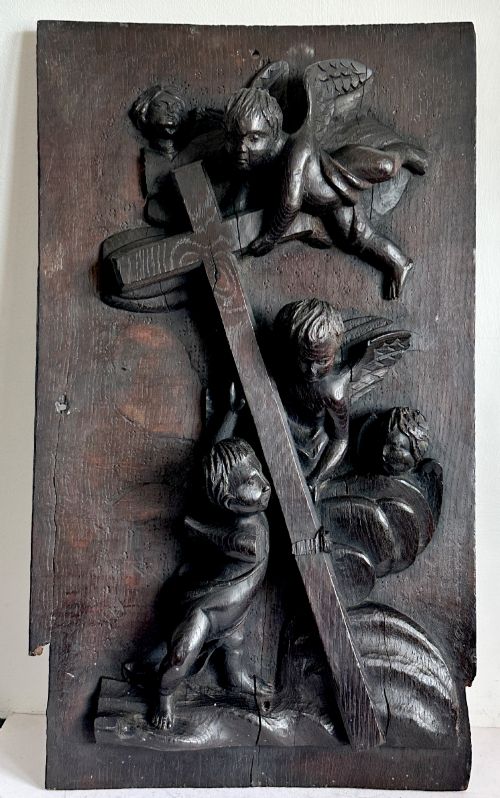
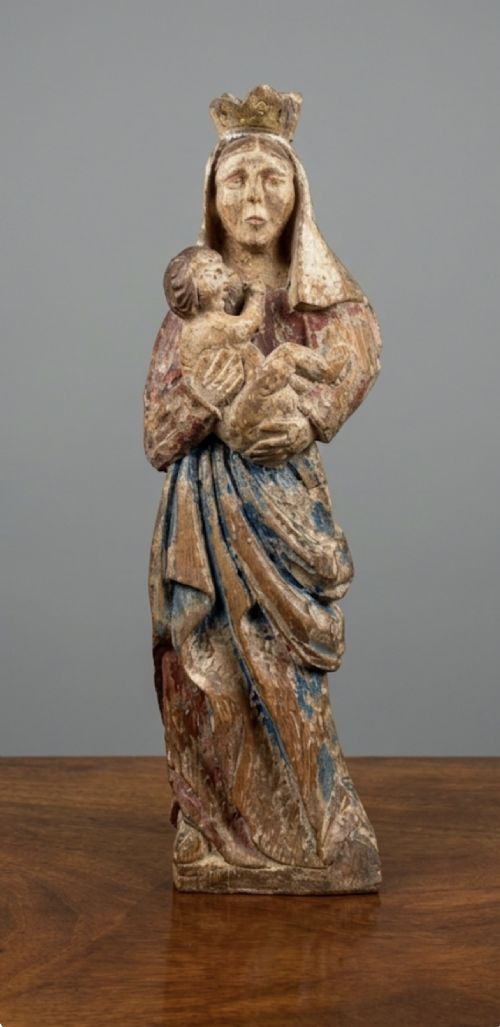
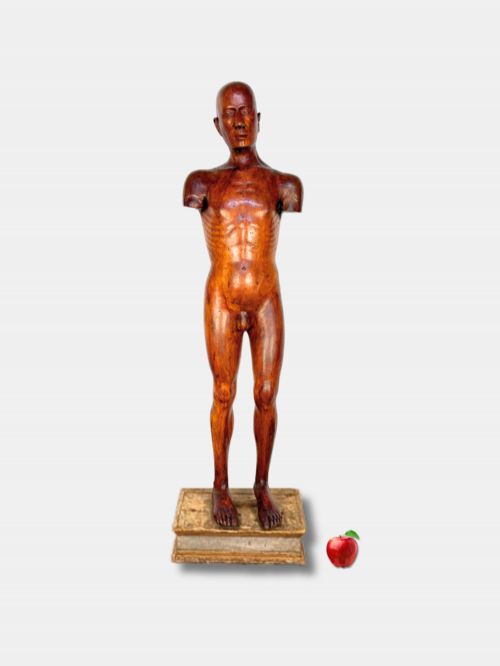
Ecclesiastical wood sculpture encompasses religious figures, saints, cherubs, and narrative panels created for sacred settings. When searching this phrase, buyers encounter three-dimensional figures alongside high relief wall panels.
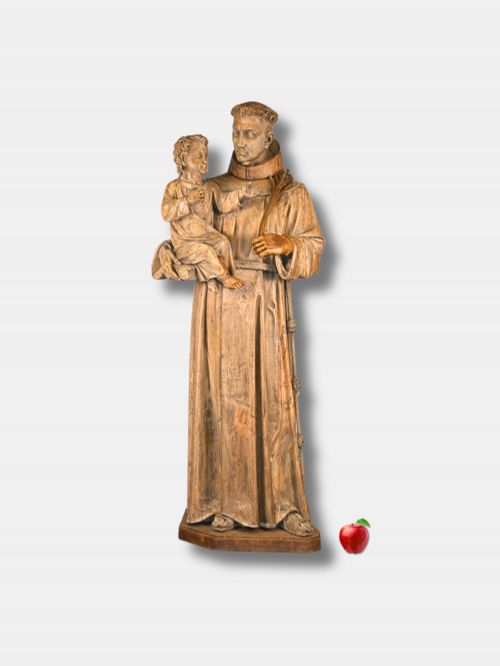
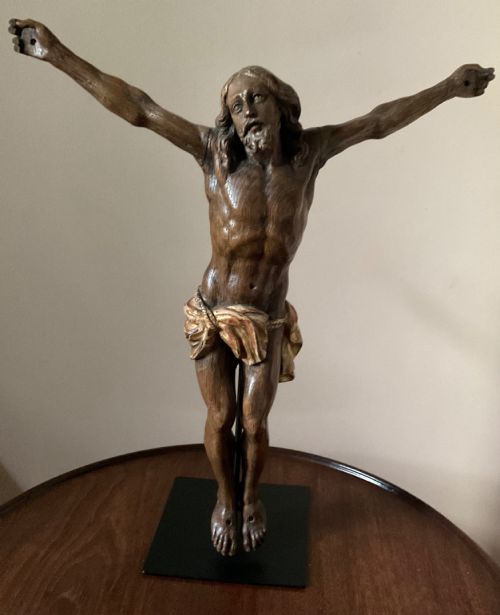
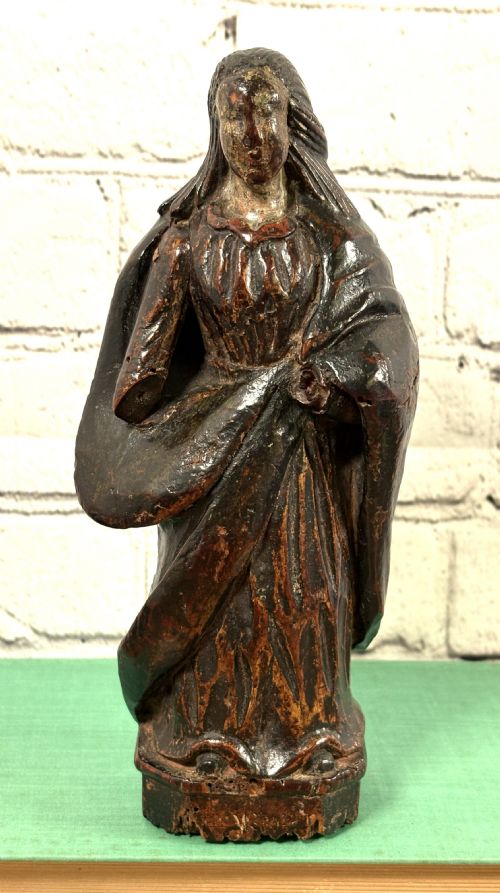
The pieces on this page span the sixteenth century through to the mid nineteenth century. Examples range from life-size French devotional figures to smaller Continental Baroque and Northern Renaissance works.
Subjects include representations of Christ, saints such as Anthony, and traditional cherubs. These devotional objects demonstrate the enduring presence of sacred art across various European origins.
Materials and methods
Carvers utilised European hardwoods such as oak and limewood to construct these devotional works. Timber selection dictated the depth and intricacy of the final carving.
Surfaces frequently received applications of gesso and polychrome decoration. Pigments and metallic leaf enhanced the visual drama of the figures, though many pieces now display weathered or stripped timber.
Retail Price Guide 2026
Typical UK retail prices for ecclesiastical wood sculpture, calculated from the Sellingantiques database of over a million retail prices indexed since 2003. This retail price guide relies exclusively on Sellingantiques data; no external sources or auction records are used, so the figures do not describe the wider market.
Current listings feature materials including oak, limewood, and gesso across periods spanning the sixteenth to the nineteenth century.
Judging quality
The survival of original surface treatments, including polychrome and gesso layers, elevates a piece. Later interventions or losses to the carved wood change the integrity of the object.
The Ecclesiastical Wood Sculpture Glossary
- Polychrome
- Decoration applied in multiple colours on the surface of wood or gesso. This traditional finish brought realism to sacred figures.
- Limewood
- A fine-grained hardwood favoured by carvers for its lack of prominent grain. It allowed artisans to execute intricate undercut details without splitting.
- Relief sculpture
- Carving where the figures project from a flat background panel. This technique was often employed to depict narrative scenes such as the journey to Calvary.
- Gesso
- A plaster-like mixture applied to timber as a preparation for paint or gilding. It provided a smooth, uniform ground for polychrome decoration.
- Baroque
- An artistic style characterised by dynamic movement and dramatic tension. In these sculptures, it manifests in swirling drapery and emotional intensity.
Frequently Asked Questions
How do I date these sculptures?
Dating relies upon stylistic markers, tool marks, and the characteristics of the wood used. Renaissance and Baroque pieces display distinct approaches to form and drapery.
Reference points include period conventions in carving and the historical context of the region of origin.
Where were these pieces originally placed?
Such sculptures typically stood within churches, chapels, and monastic settings as part of altarpieces, rood screens, or devotional shrines. Some smaller reliefs were commissioned for private domestic or corporate prayer spaces.
Over time, many pieces migrated from ecclesiastical settings into secular collections and museums.
How should I care for historic wood sculpture?
Historic wood requires stable environmental conditions with controlled humidity to prevent timber movement and cracking. Keep pieces away from direct heat sources and strong sunlight.
Dust gently with a soft, dry brush and avoid applying modern polishes or cleaning agents to the historic surfaces.