
Antique Wood Carving
These pieces of antique wood carving span centuries of craftsmanship, offering tactile depth and historic character to any interior.
Antique Wood Carving
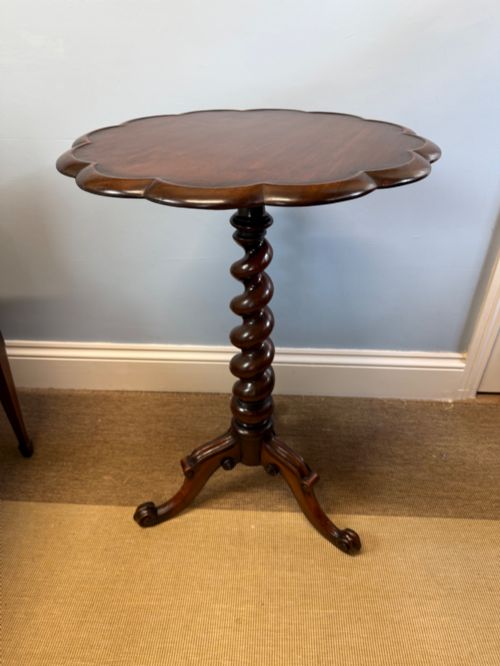
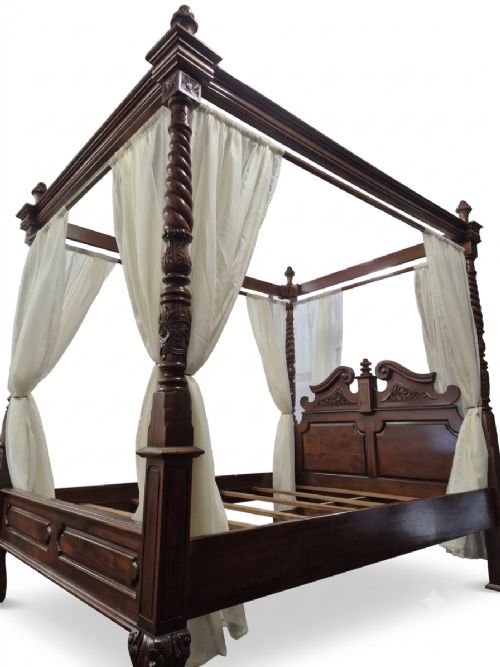
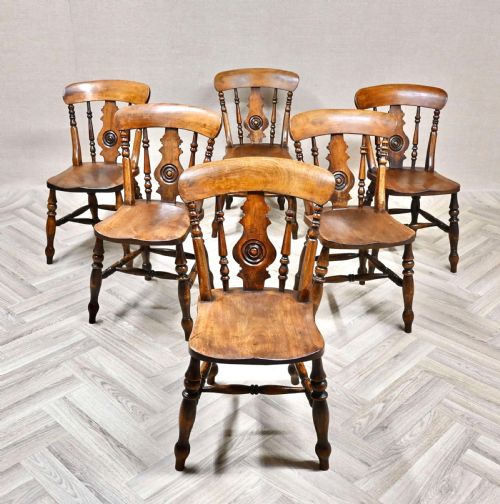
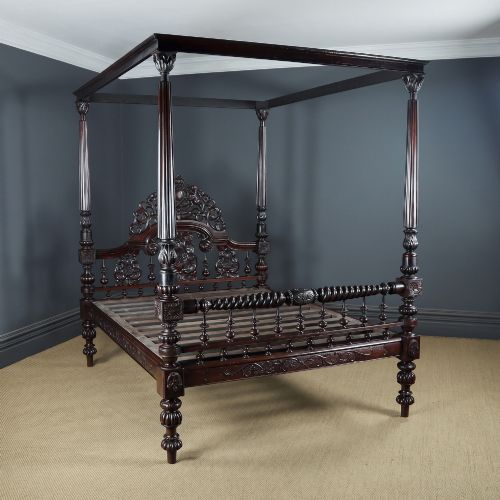
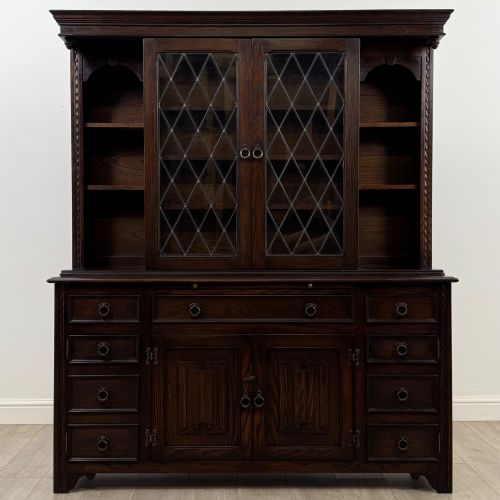
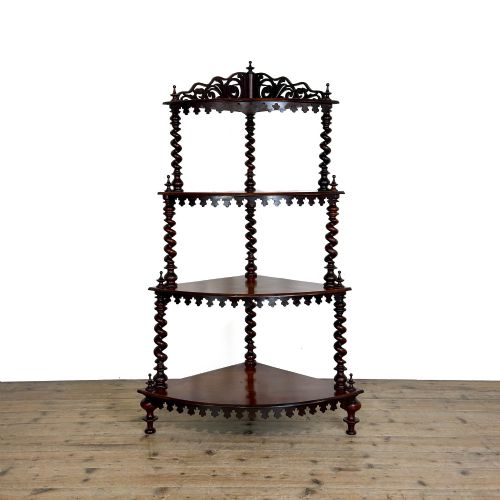
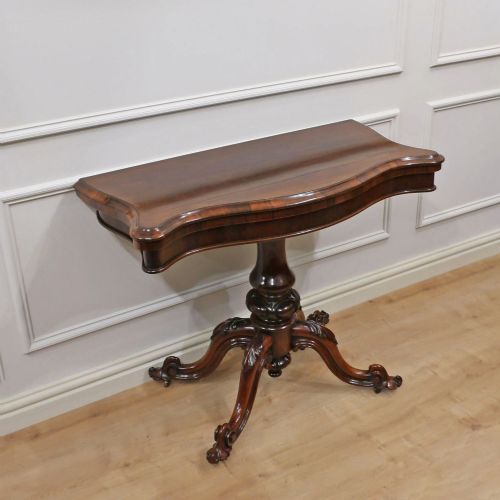
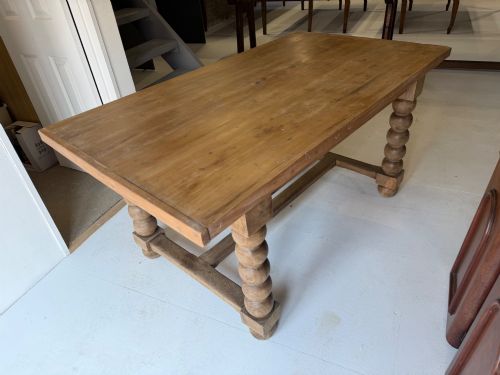
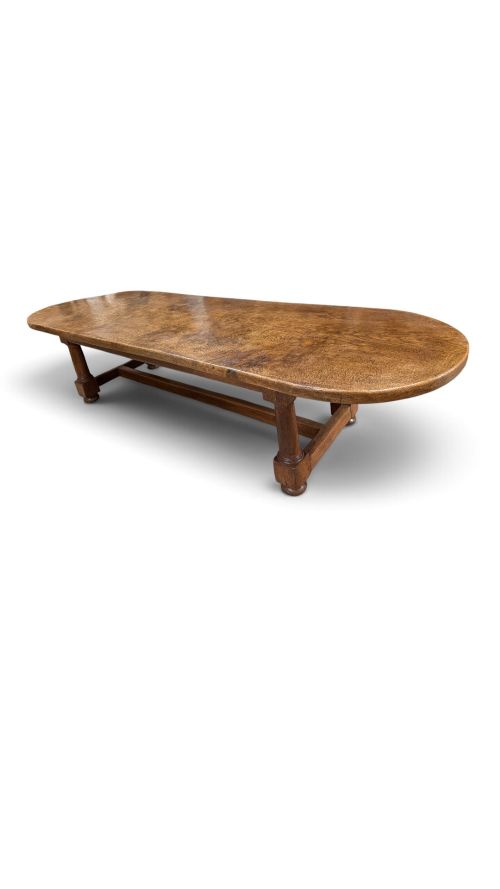
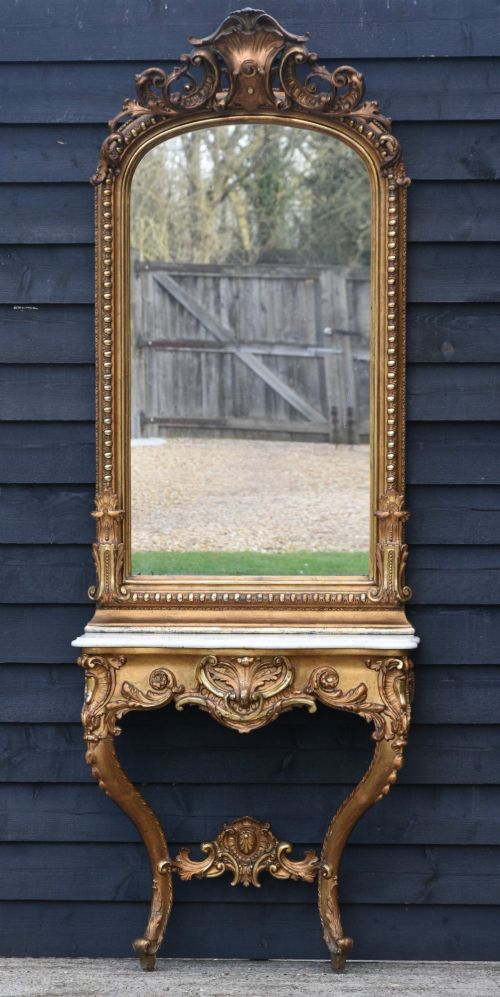
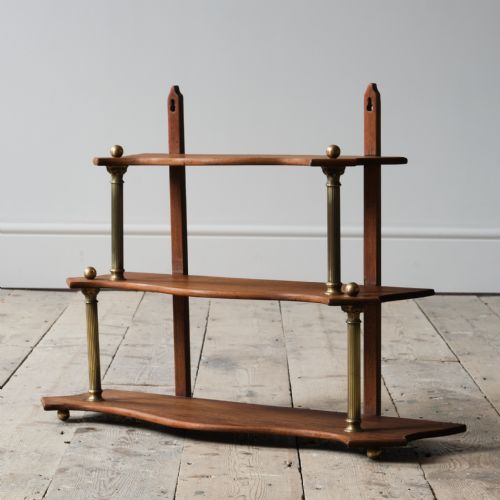
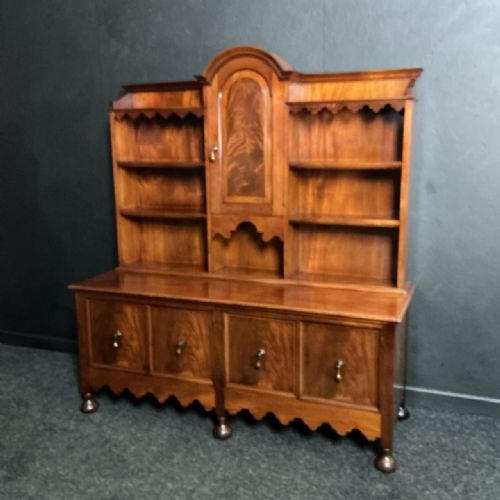
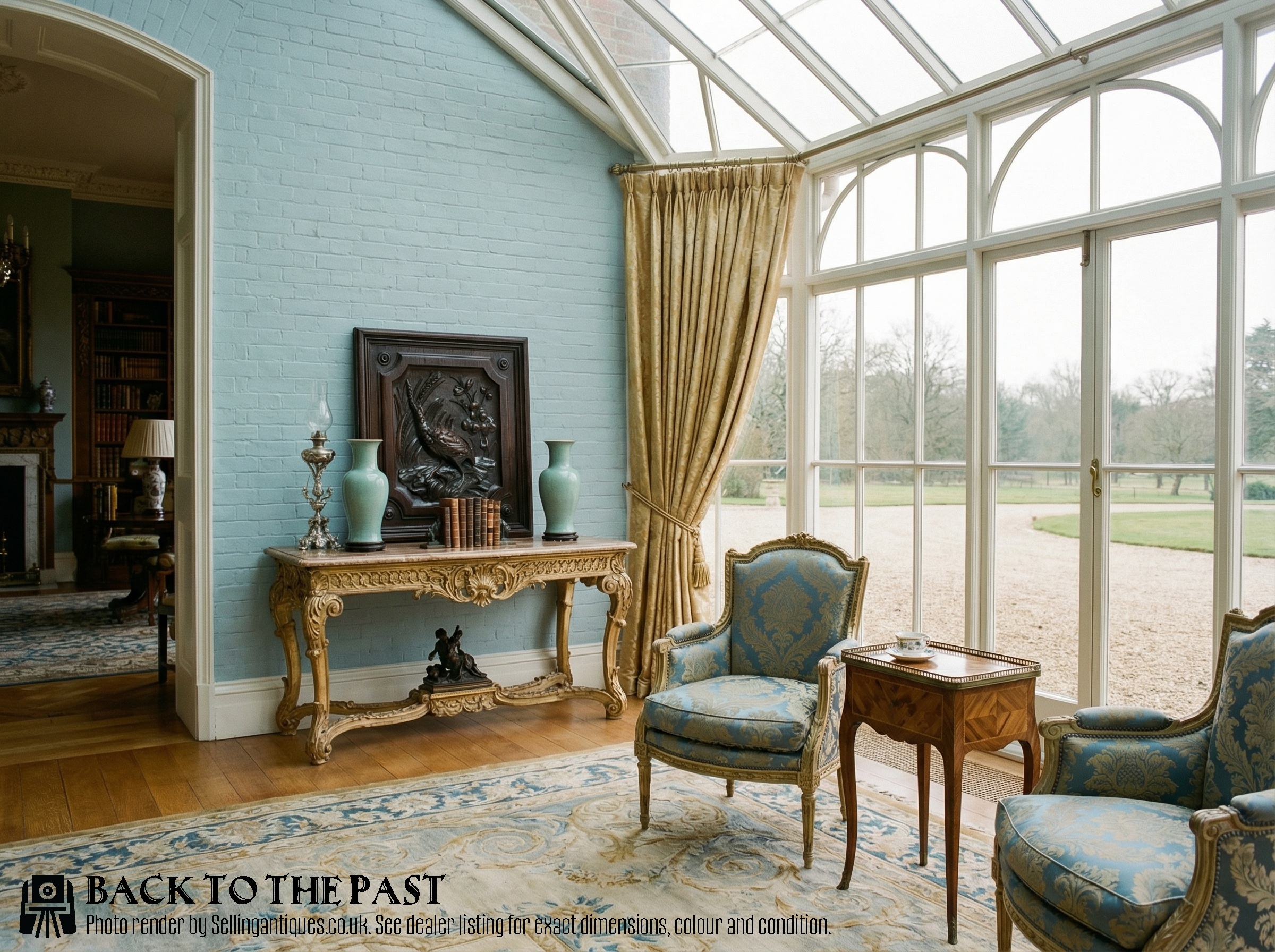
When you search for antique wood carving, you encounter a diverse array of items ranging from architectural elements and furniture to standalone sculptures and decorative objects. The selection includes domestic furniture with carved enrichment, such as dining chairs, console tables, and display cabinets from the Victorian and Edwardian eras.
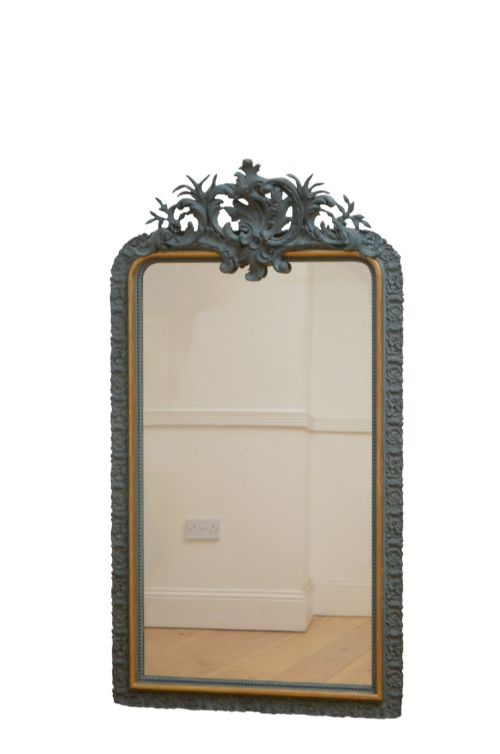
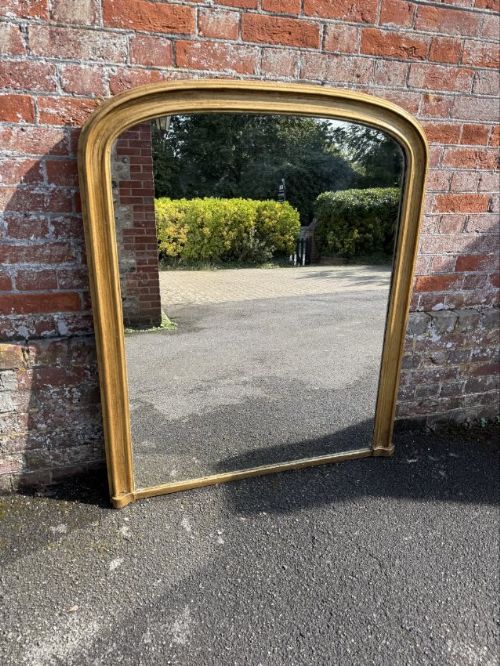
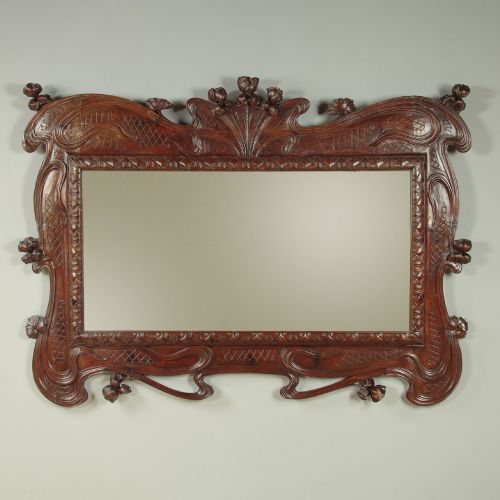
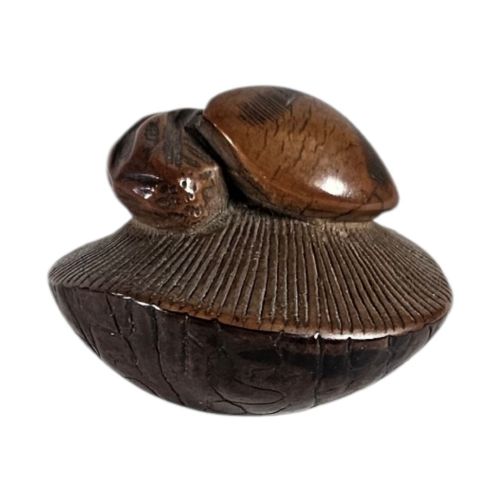
Beyond furniture, the category encompasses smaller decorative works like Japanese boxwood netsukes, Black Forest bear benches, and wall mirrors framed in giltwood or carved pine. Eighteenth-century examples often present console tables and mirrors in French Rococo styles, alongside Dutch Baroque side chairs in Cuban mahogany.
The material origins stretch globally, featuring Anglo-Indian padouk and sandalwood pieces alongside European oak, walnut, and fruitwood. Buyers frequently meet nineteenth-century manifestations where traditional joinery meets elaborate surface decoration, reflecting both utility and ornamental ambition.
How they were made
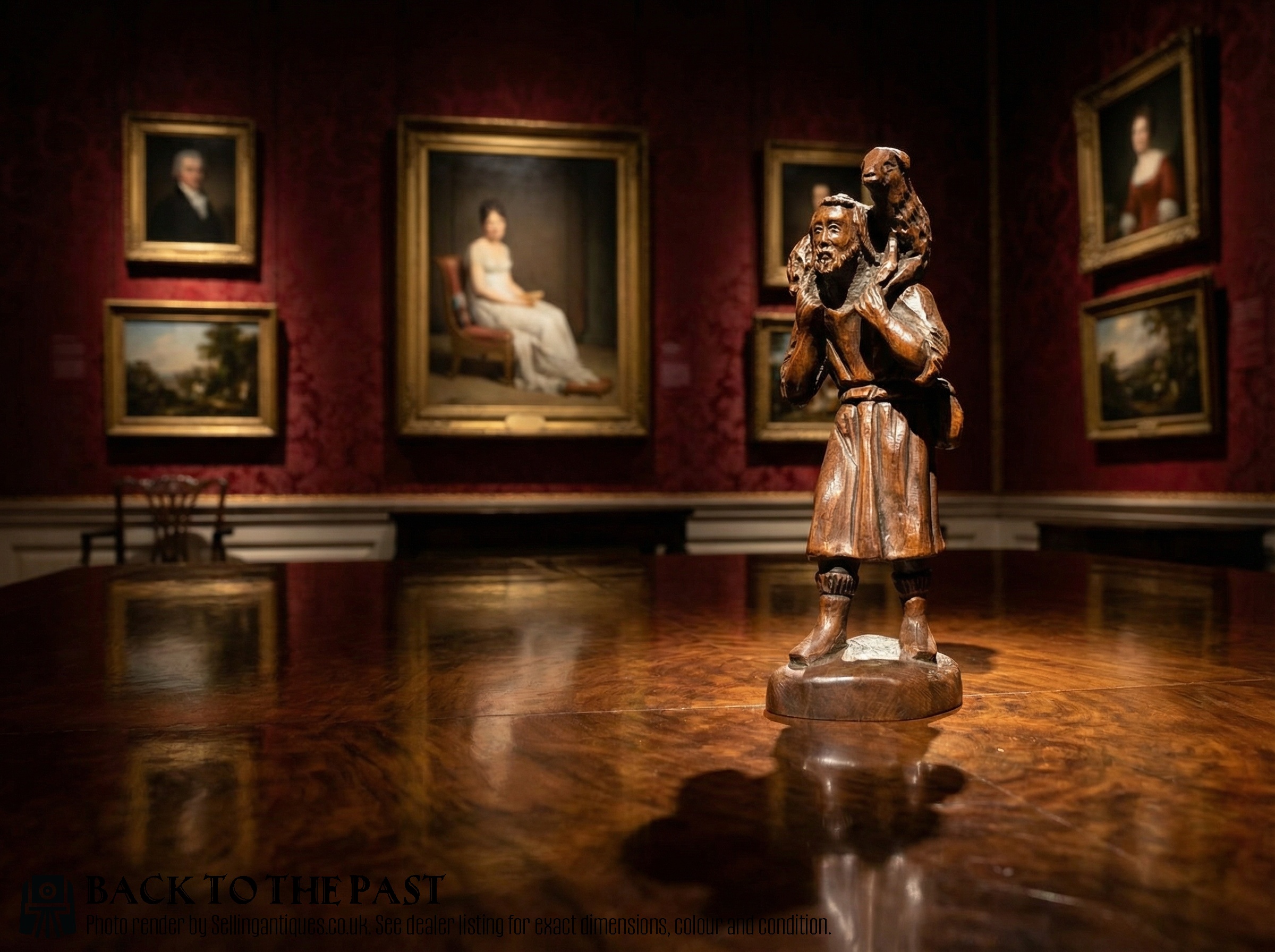
Makers utilised a variety of native and exotic hardwoods, including mahogany, oak, walnut, boxwood, and camphor wood, often pairing structural timbers with softer woods suited for detailed chisel work. Giltwood and gesso applications frequently embellished carved pine or softwoods, providing a reflective surface finish for mirrors and frames.
Hand tools such as gouges, chisels, and parting tools shaped the timber directly, producing the relief panels, figurative sculptures, and intricate scrollwork seen across periods. Joinery techniques like mortise and tenon secured the primary frames, while surface treatments ranged from wax polish to ebonising and gilding.
Antique Wood Carving Retail Price Guide 2026
Typical asking prices for wood carving among the pieces listed under this phrase on Sellingantiques today, from the lower quarter to the upper quarter. They describe what is for sale here now, not the wider market.
Bears appear frequently in the timber record, holding fish, forming benches, or carrying walking sticks with surprising domestic charm.
What varies in quality
The distinction between ordinary and exceptional carving lies in the crispness of the chisel work and the depth of the relief. Superior examples display anatomical accuracy in figures and clean, undercut foliage where details retain their sharpness without sanding blurs.
Material selection also dictates worth, as dense, well-figured timbers like Cuban mahogany or finely grained boxwood hold intricate cuts far better than coarse softwoods. Furthermore, the integration of the carving into the structural form demonstrates the maker's competency, ensuring ornamentation enhances rather than compromises stability.
The Antique Wood Carving Glossary
- Giltwood
- Wood that has been coated with gold leaf or powder. This finish is commonly found on eighteenth- and nineteenth-century mirror frames and console tables.
- Gesso
- A plaster-like mixture applied to wood surfaces to prepare them for gilding or painting. It provides a smooth base that can also be modelled into relief details.
- Netsuke
- A small carved toggle traditionally used in Japan to secure small pouches to a kimono sash. Boxwood and hardwood examples often feature elaborate figurative carving.
- Corbel
- A structural piece of stone or wood protruding from a wall to support a weight. Carved wooden examples frequently depict cherubs or architectural motifs.
- Pedestal
- A structural base supporting a table, desk, or sculpture. Multiple pedestal dining tables often feature carved pillar supports.
Antique Wood Carving: Frequently Asked Questions
How do I clean an antique wood carving?
Dust the surface regularly with a soft, dry natural bristle brush to prevent particle buildup within the carved recesses.
Avoid using modern liquid polishes or silicone sprays, applying instead a microcrystalline wax sparingly when the timber appears dry.
Can I place these pieces in direct sunlight?
Prolonged exposure to direct sunlight causes timber to dry out, fade, and eventually split along the grain.
Position carved items away from south-facing windows and intense heat sources to preserve the original patina and finish.
How do I identify the wood species?
Examine the grain pattern, colour, and weight of the timber under good natural light. Oak displays prominent medullary rays, while mahogany and walnut exhibit distinct tonal richness and growth ring characteristics.
What is the difference between gesso and carved wood?
Carved wood involves cutting directly into the solid timber substrate using hand tools. Gesso is a plaster applied over the wood base to build up smooth surfaces or moulded decorative reliefs.