
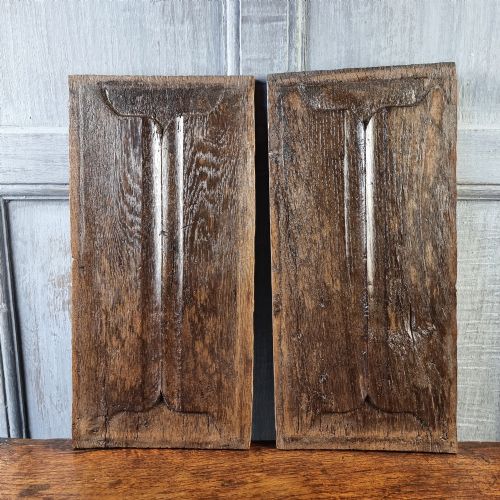
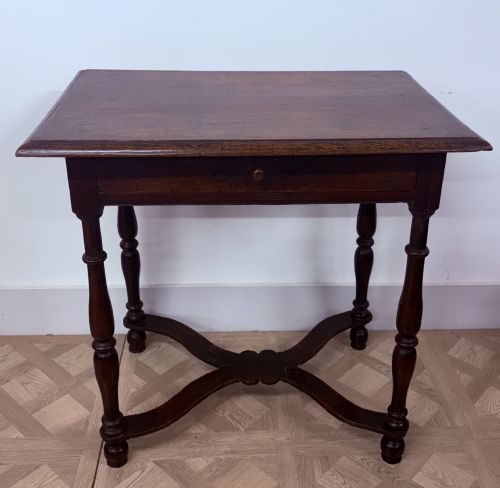
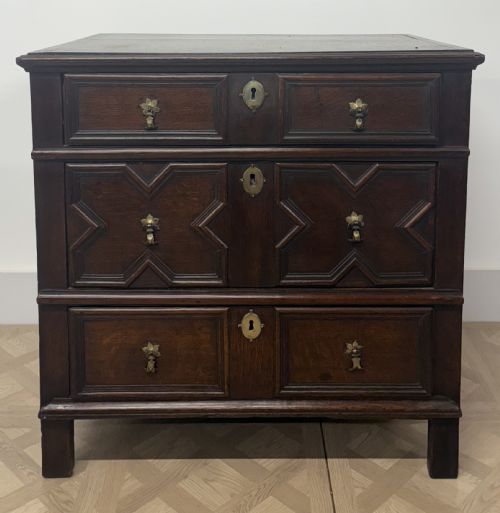
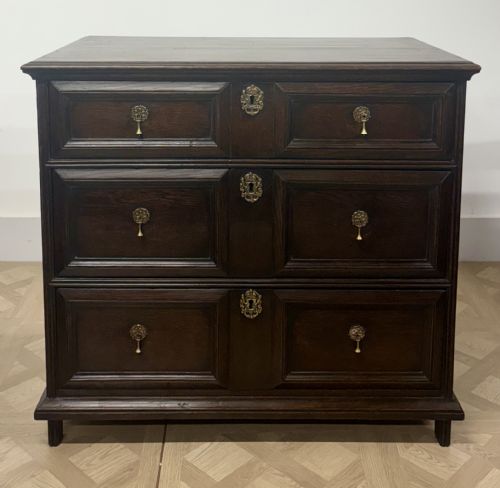
17th Century Wood Carving
These surviving pieces of 17th century wood carving bring tactile, centuries-old domestic and religious devotion straight into a modern interior.
What 17th century wood carving pieces are
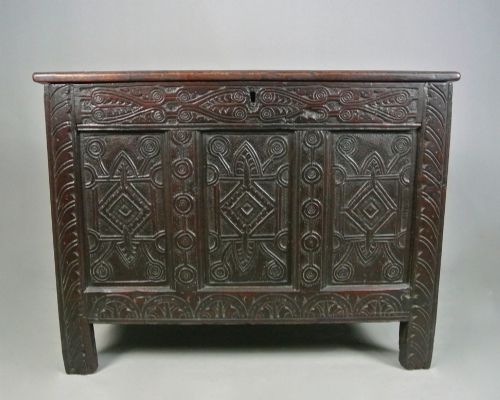
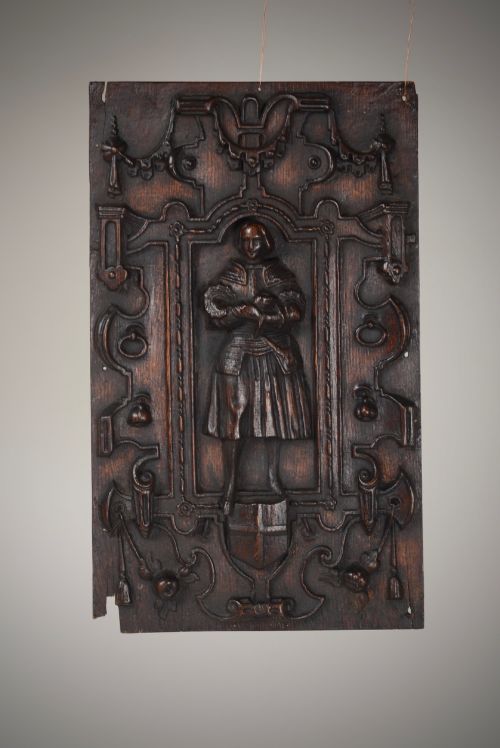
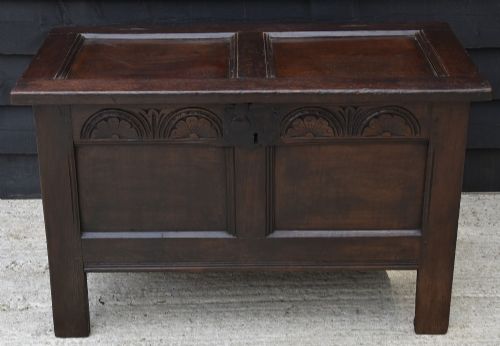
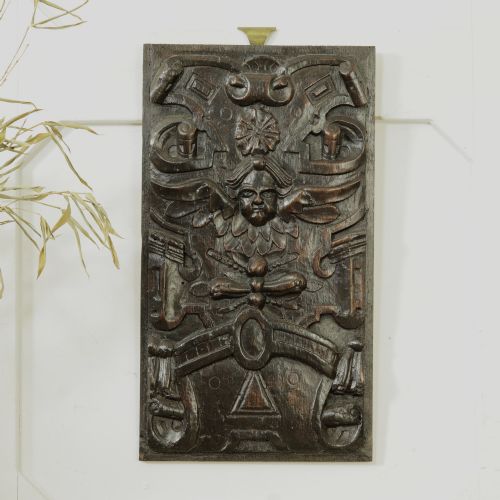
When you search for 17th century wood carving, you encounter solid timber artefacts created for both sacred spaces and domestic settings. The selection ranges from architectural salvage and wall reliefs to fully realised figures representing religious subjects.
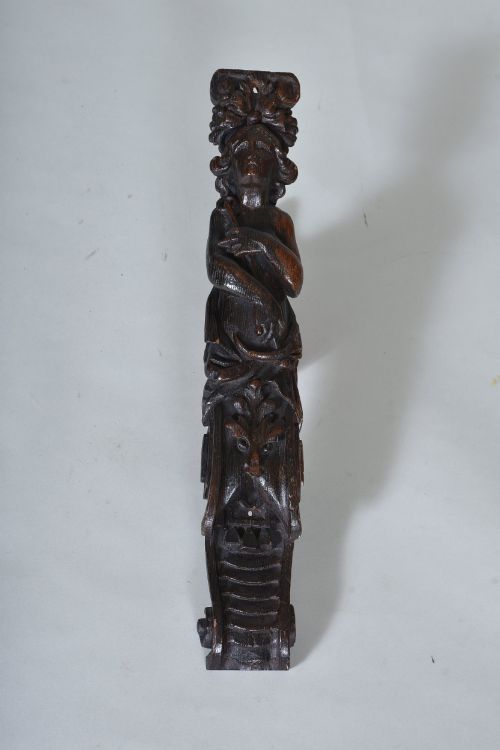
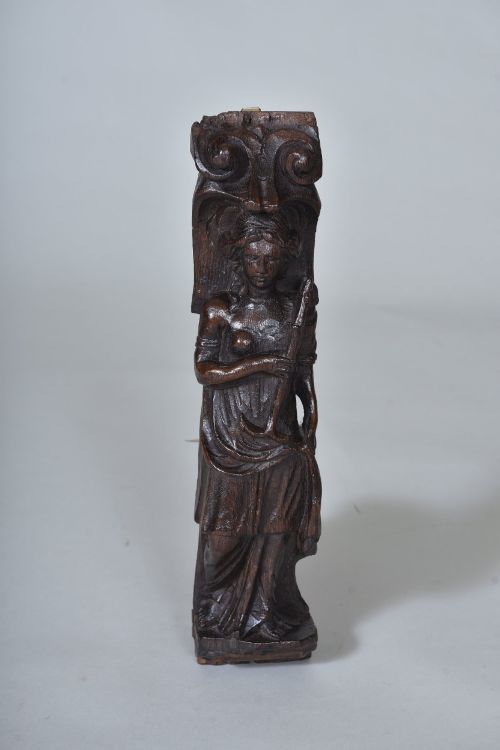
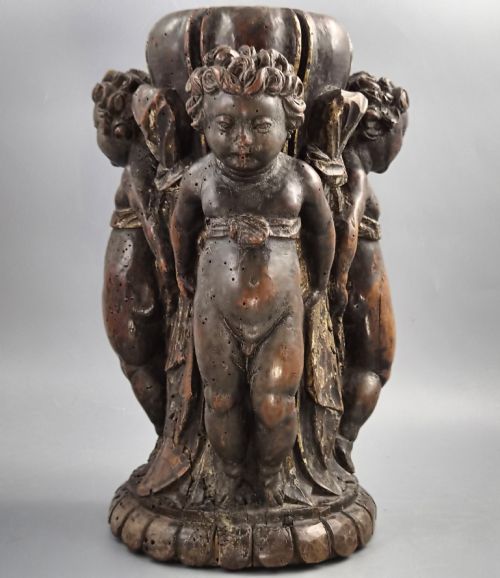
The objects most frequently met on this page include standing figures and wall sculptures depicting subjects such as the Lady of Sorrow, God the Father, angels, and the Madonna and Child. These works capture the devotional and sculptural impulses of the seventeenth century.
Origins and periods span the seventeenth century itself, alongside occasional works dated near the turn of the sixteenth century or designated as early. The regional focus encompasses European traditions expressed through regional styles.
Materials and construction
Some surfaces retain traces of polychrome pigment, showing that figures were originally painted to heighten their realism and devotional impact. The carving technique relies entirely on hand tools, leaving subtle chisel marks across the timber substrate.
Retail Price Guide 2026
Typical UK retail prices for 17th century wood carving, calculated from the Sellingantiques database of over a million retail prices indexed since 2003. This retail price guide relies exclusively on Sellingantiques data; no external sources or auction records are used, so the figures do not describe the wider market.
God the Father comes accessorised with an orb, ready to oversee your mantelpiece.
Judging quality in early carvings
Quality in a seventeenth-century carving rests upon the anatomical confidence of the sculptor and the depth of the relief. Master hands achieved fluid drapery and expressive faces that rise convincingly from the background timber.
The survival of original surface treatments, such as polychrome pigment, elevates the historical completeness of a piece. Lesser examples present worn or stripped surfaces where the carver's original handling has been obscured by later intervention.
The 17th Century Wood Carving Glossary
- Polychrome pigment
- Paint applied to wood sculpture to provide colour and lifelike detail. Surviving pigment adds significant historical value.
- Architectural salvage
- Elements removed from buildings, such as panels or figures originally integrated into interior woodwork or church furnishings.
- Wall relief
- A sculptural technique where figures project from a flat background panel rather than existing in the round.
- Baroque
- A dynamic artistic style of the seventeenth century characterised by dramatic movement and emotional intensity in figurative work.
- Jacobean
- The early seventeenth-century style of design in Britain, often marked by solid construction and linear ornamentation.
Frequently Asked Questions
What subjects appear on 17th century wood carving?
Subjects are predominantly religious, reflecting the devotional art of the period. Figures include God the Father, the Madonna and Child, angels, and the Lady of Sorrow.
These representations served both private contemplation and larger architectural schemes within sacred or domestic interiors.
Which woods were used for 17th century wood carving?
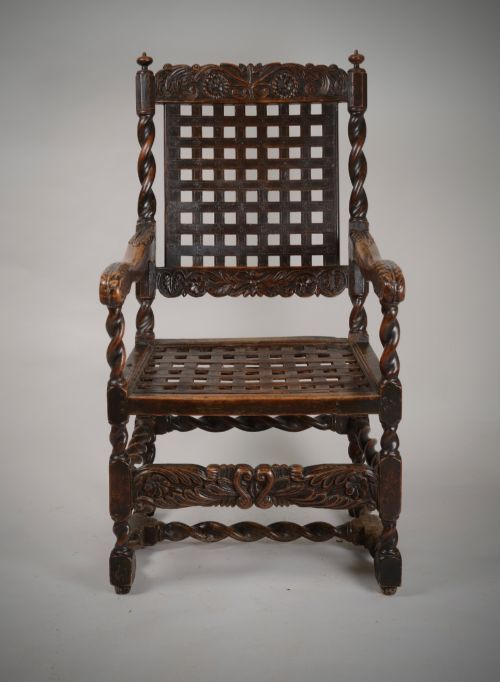
Carvers utilised local hardwoods that offered stability and fine grain for detailed work. Oak, walnut, applewood, and various fruitwoods appear frequently in these sculptures.
Each timber aged differently, developing distinct patinas over the centuries depending on its exposure to indoor environments.
Did 17th century wood carving pieces have colour?
Many figures were originally painted with polychrome pigment to enhance their visual impact. Over time, much of this pigment has worn away or been removed.
Traces of surviving colour offer important clues regarding the original appearance and intended display of the sculpture.
How do I display a wall relief?
Wall reliefs and sculptures require secure mounting on structural walls capable of supporting solid timber weight. Keep them away from direct heat sources and dramatic humidity fluctuations.
Allowing adequate breathing space around the wood ensures the sculpture remains stable in a modern room.