





Continental Carved Wood Sculpture
Continental carved wood sculpture brings centuries of devotional and decorative artistry into a room, offering rich textures and historic forms.
Continental Carved Wood Sculpture
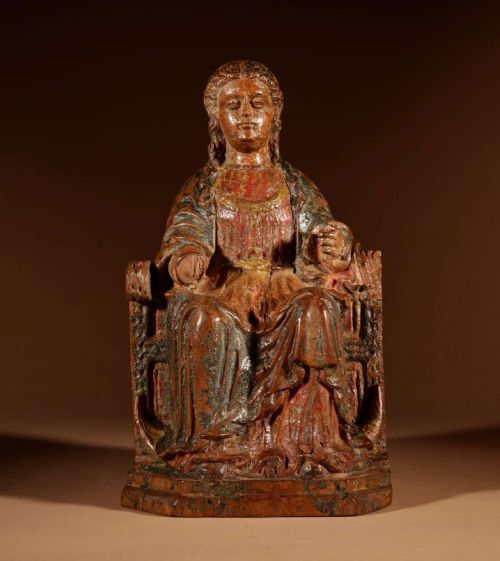
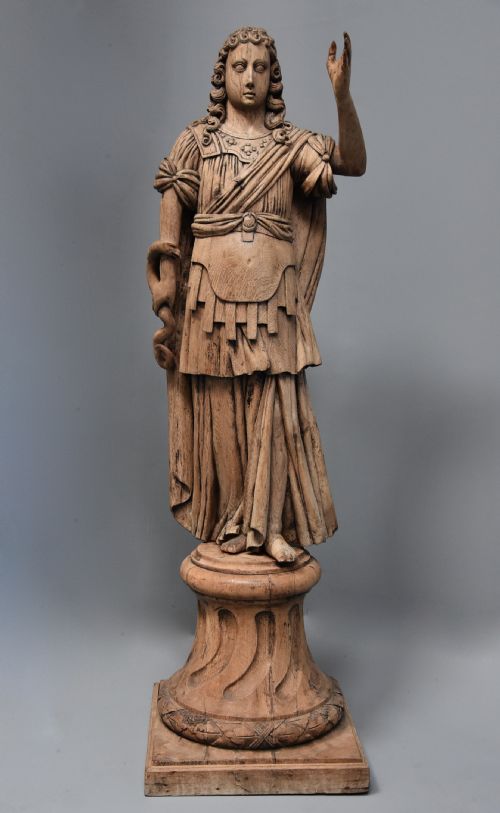
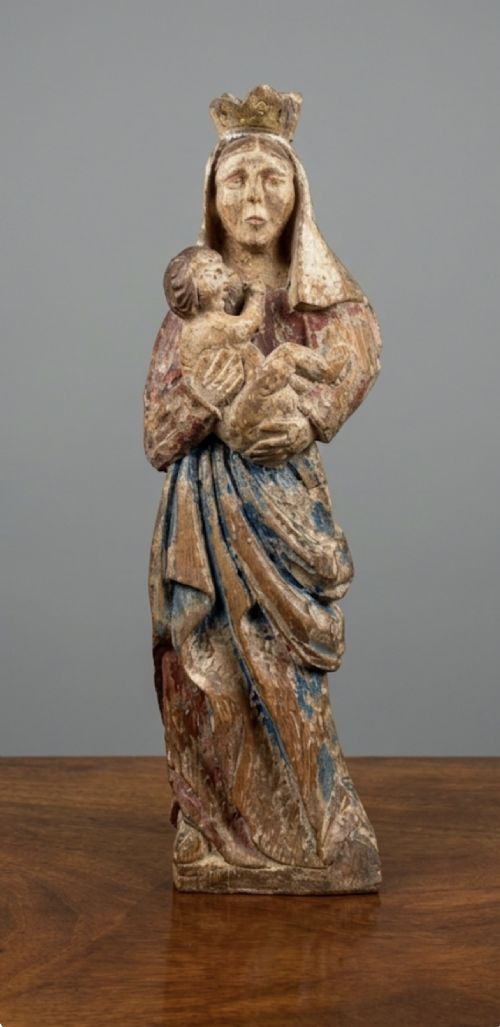
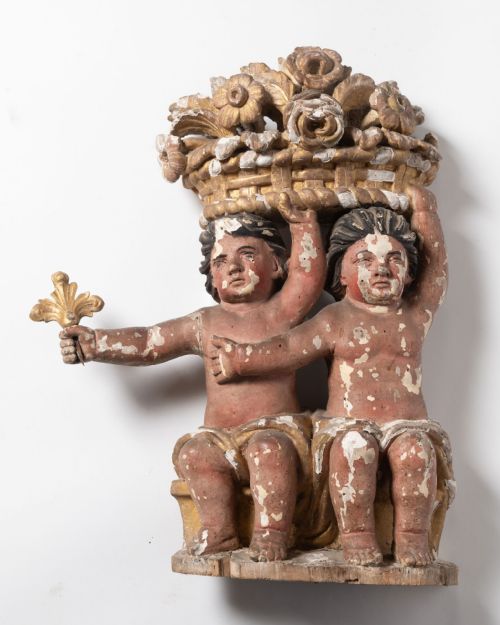
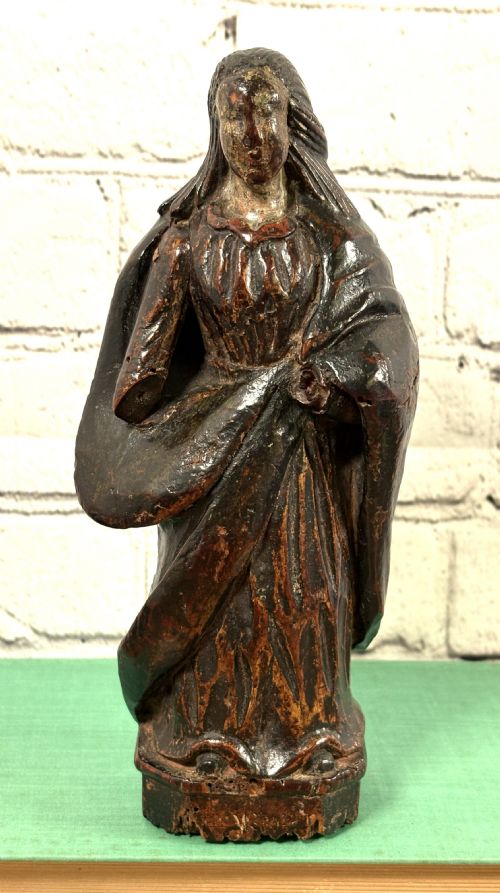
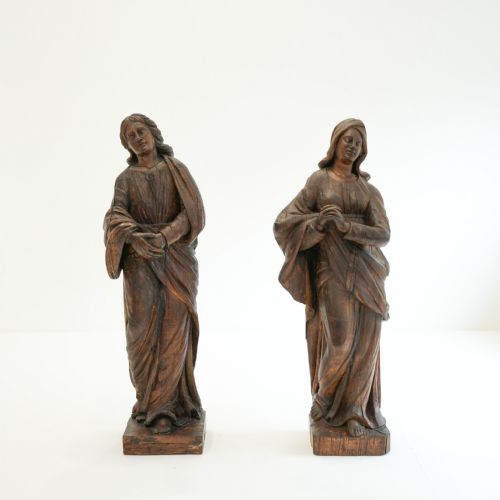
Continental carved wood sculpture encompasses figures of saints, Madonnas, cherubs, and religious scenes originating from European workshops across multiple centuries. Buyers encounter pieces ranging from small limewood devotional carvings to life-size oak statues on plinths.
The selection on this page spans from pre-sixteenth century medieval works to nineteenth-century decorative figures and carousel horses. Religious subjects dominate the early periods, reflecting the primary patronage of churches and domestic shrines.
Regional variations appear across Italy, Germany, and Croatia, showing distinct local preferences in timber selection and sculptural style. Figures of saints, Mary and Jesus, and Corpus Christi forms form the core of the available material.
Materials and techniques
Carvers utilised native timbers such as oak, limewood, walnut, pine, applewood, and hardwood depending on regional availability and the intended scale of the work. Limewood and fruitwoods offered tight grain for intricate detail, while oak provided sturdy support for large life-size figures.
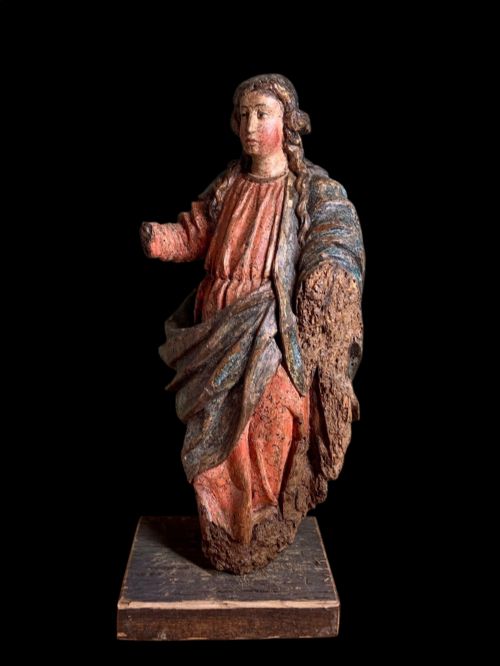
Many surfaces received layers of gesso preparation before finishing with polychrome paint, silvering, or gold leaf. This applied finish protected the timber while adding visual splendour and liturgical significance to the devotional objects.
Cherubic figures peer from beneath saints' feet and ride on painted clouds, watching over centuries of quiet continental devotion.
Judging quality and execution
The survival of original polychrome paint and gilding significantly elevates an object's integrity. Later overpainting or stripped surfaces alter the visual balance intended by the original workshop.
The Continental Carved Wood Sculpture Glossary
- Polychrome
- Painted in several colours. This surface treatment was standard for medieval and baroque church figures.
- Limewood
- A pale timber with fine grain favoured by German and continental carvers for intricate detail work. It resists splitting and takes crisp chisel marks.
- Gesso
- A plaster mixture applied to wood as a base for paint or gold leaf. It provides a smooth ground for decorative finishes.
- Corpus Christi
- A representation of the body of Jesus on the cross. These carvings focus on anatomy and emotional intensity.
- Socle
- A short plinth or pedestal supporting a statue or candlestick. It elevates the carved figure visually.
Continental Carved Wood Sculpture: Frequently Asked Questions
Where were these sculptures displayed?
These figures originally stood in churches, domestic chapels, and roadside shrines across Europe. They served as focal points for prayer and contemplation.
Today, collectors place them on mantelpieces, brackets, or dedicated plinths within domestic interiors to highlight their sculptural form and age.
How do I care for wooden sculptures?
Keep wooden sculptures away from direct heat sources, strong sunlight, and sudden humidity fluctuations to prevent timber movement or cracking. Dust them gently with a dry, soft brush rather than liquid cleaners.
Preserving original polychrome or gilded surfaces requires stable environmental conditions and minimal handling. Consult a conservator before attempting any surface cleaning.
How can I tell the age of a carving?
Age is determined by stylistic markers such as drapery folds, facial carving, and the specific iconography of the saint or subject. Baroque and Renaissance conventions differ visibly from medieval or nineteenth-century revivals.
Examine the wood itself for tool marks, oxidation, and shrinkage patterns that align with historical working methods. Tool marks left by gouges and chisels provide direct clues to the period of manufacture.
What is a Santos figure?
A Santos figure is a devotional statue, often articulated or mounted on a plinth, used in private religious practices particularly in southern European traditions. These pieces frequently wore real fabric garments in addition to carved wooden elements.
They appear in domestic shrines and processional settings, bringing a personal dimension to continental religious art.