


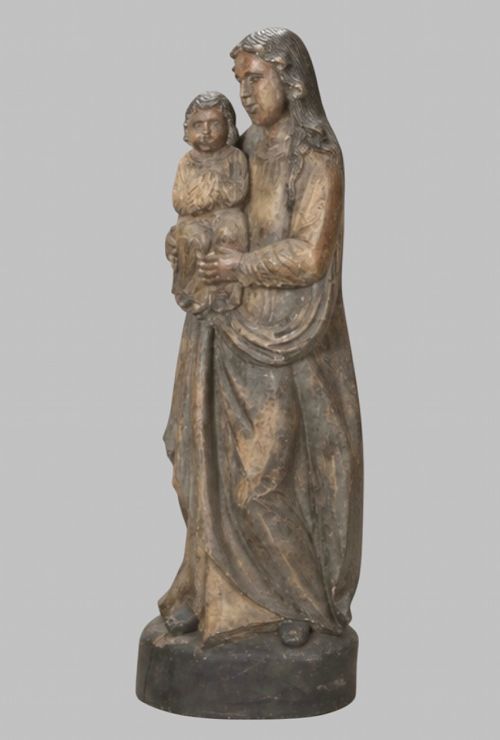
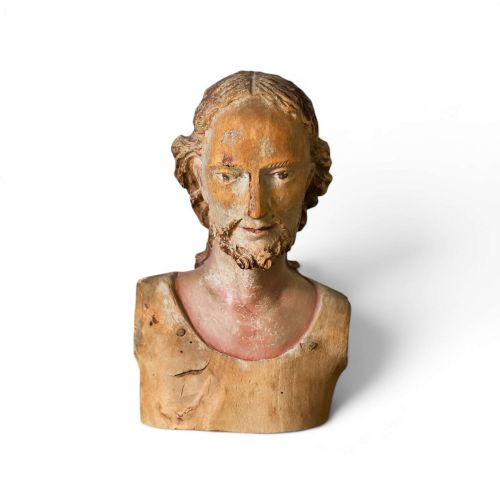
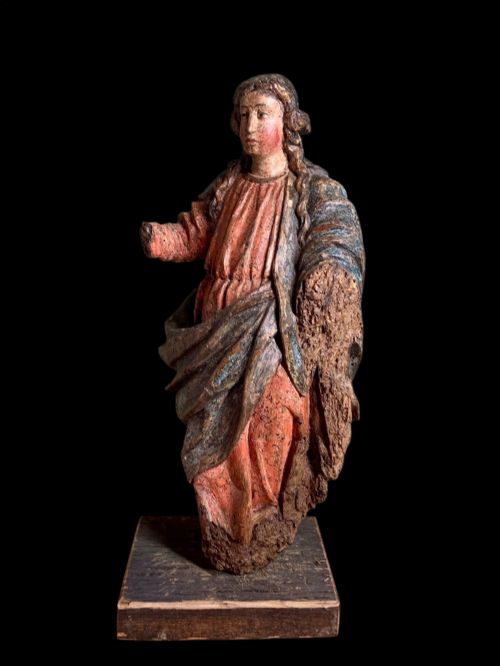
Antique Religious Wooden Statue
An antique religious wooden statue brings centuries of devotion, master hand-carving and sacred iconography directly into a domestic interior.

Antique Religious Wooden Statue
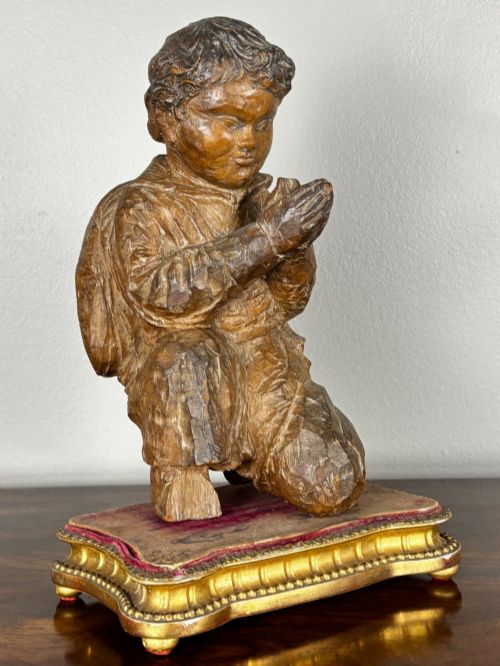
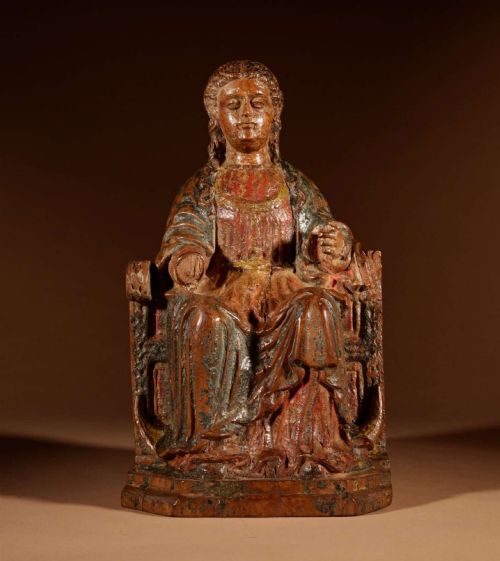
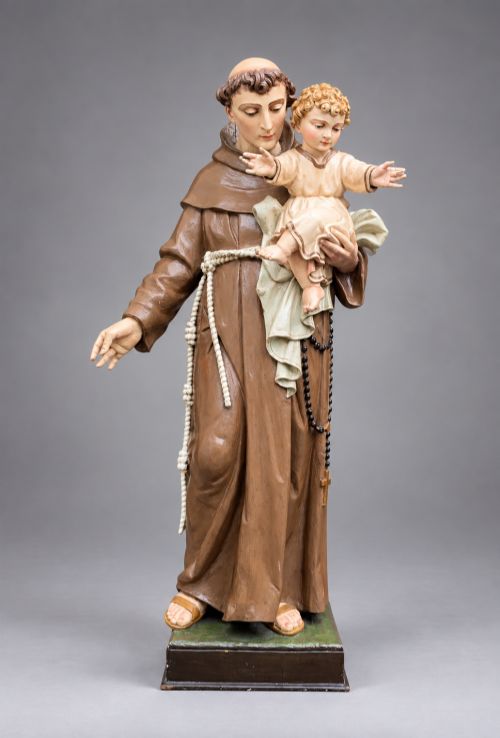
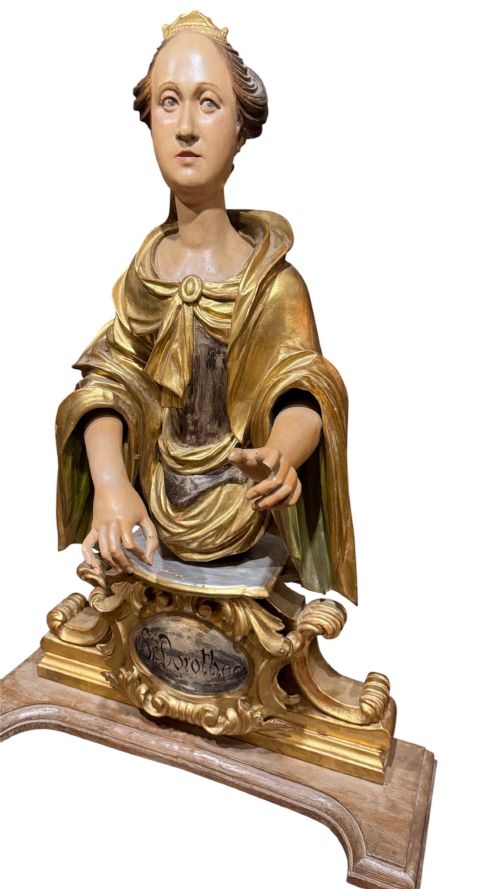
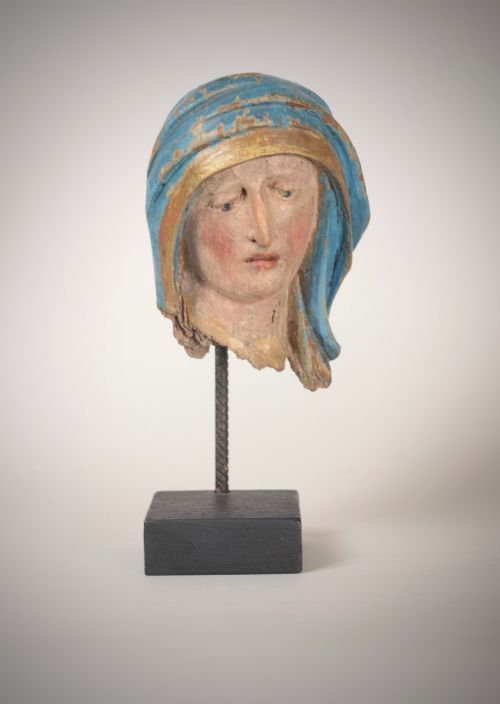
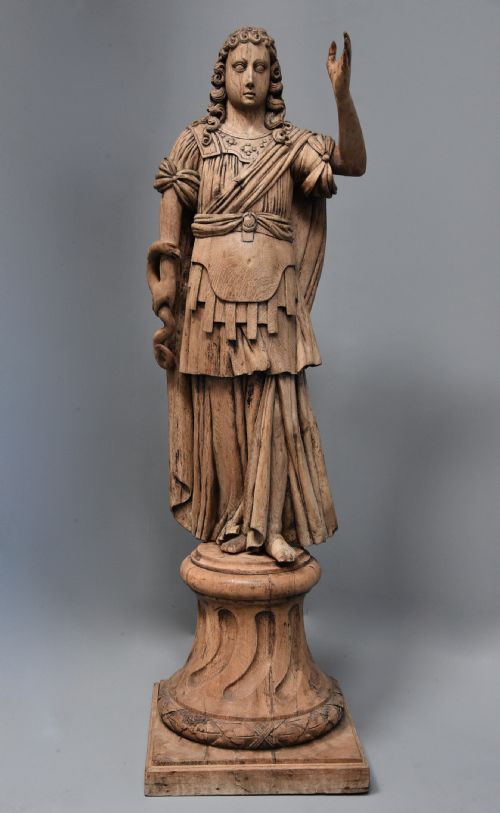
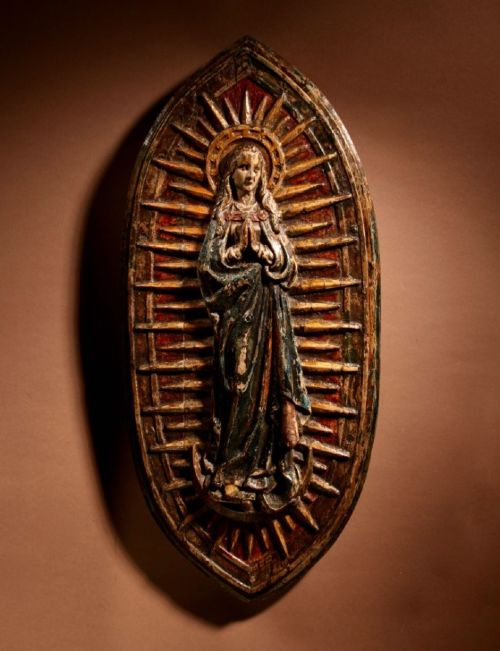
An antique religious wooden statue encompasses devotional sculptures, altarpiece fragments and ecclesiastical figures originating from European, Asian and domestic church environments. These objects range from life-sized Continental saints and Madonna figures to small folk art carvings and putti heads intended for private or communal worship.
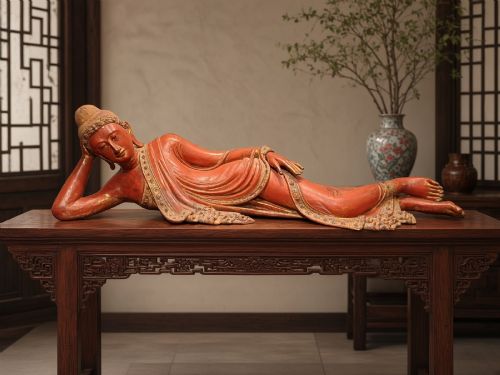
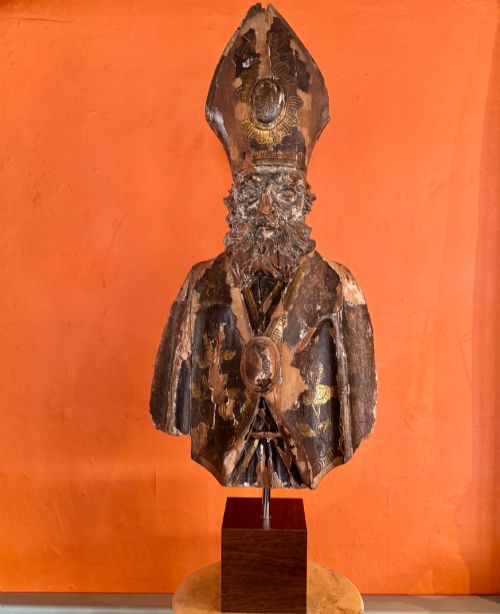
Buyers on this page most frequently encounter Continental European pieces from the eighteenth and nineteenth centuries, alongside earlier medieval fragments and diverse international representations like Burmese and Chinese figures. Common subjects include the Virgin Mary, various saints, bishops, cherubim and reclining or seated Buddhas.
The primary forms vary from solitary standing saints on plinths to complex group carvings depicting the Pieta or Madonna and Child. Whether sourced from a grand Spanish capipote or a simple Italian folk art shrine, each piece reflects the specific theological and artistic traditions of its maker.
Materials and Techniques
Carvers utilised local timber woods such as oak, walnut, lime, and olive wood, selecting dense grains that could support intricate chisel work without splitting over centuries. Larger life-sized sculptures often employed segmented timber construction joined discreetly to manage the natural movement of the wood.
Antique Religious Wooden Statue Retail Price Guide 2026
Typical asking prices for religious wooden statue among the pieces listed under this phrase on Sellingantiques today, from the lower quarter to the upper quarter. They describe what is for sale here now, not the wider market.
Materials represented across the selection include carved oak, walnut, limewood, olive wood, gesso, gold leaf, and polychrome paint.
Distinctions in Quality
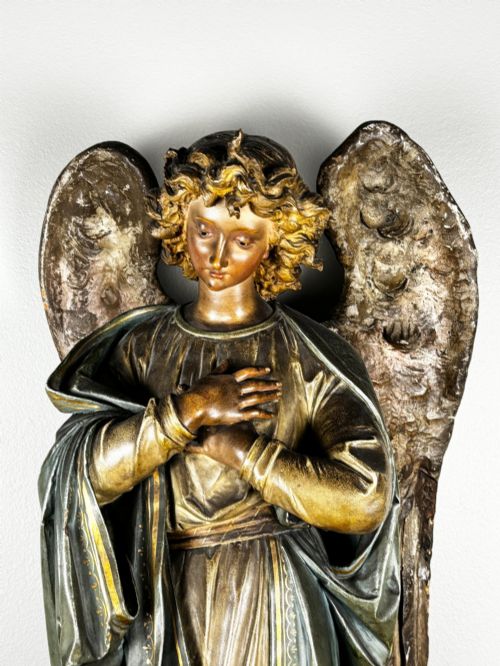
The survival of original surface treatments, including layered polychromy and gold leaf, determines the visual power and historical integrity of the sculpture. Pieces retaining undisturbed historic gesso and paint layers command greater interest than those stripped down to bare timber or heavily repainted.
The Antique Religious Wooden Statue Glossary
- Polychrome
- Painted in several colours. This term describes statues finished with pigments directly applied to the wood or over a gesso ground.
- Gesso
- A plaster mixture used as a base. Artisans spread this preparation over wooden sculptures to create a smooth surface for gilding and painting.
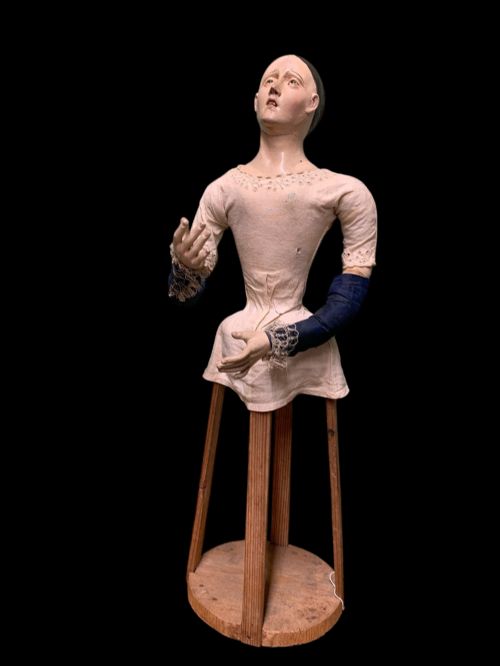
- Capipote
- A Spanish devotional figure with a carved wooden head and hands attached to a framework body. These statues were traditionally dressed in real fabric garments for processions.
- Altarpiece
- A structured artwork set above an altar. Fragments from these large architectural assemblies frequently survive as independent wooden panels or relief sculptures.
- Putti
- Representations of small winged infants or cherubs. These decorative figures appear frequently in Baroque and ecclesiastical church carvings.
Antique Religious Wooden Statue: Frequently Asked Questions
Where were these statues originally displayed?
These wooden statues originally stood within churches, cathedrals, monastic chapels, or served as focal points for domestic shrines and home altars. Many larger figures once formed part of elaborate multi-panel altarpieces or architectural church schemes.
Over time, changing ecclesiastical fashions and secularisation led to these devotional objects entering private collections, where they now function as sculptural works of art.
How do I care for antique wooden carvings?
Antique wooden sculptures require stable environmental conditions with moderate humidity to prevent the timber from drying out, cracking, or warping. Keep them away from direct sunlight, heating vents, and rapid temperature fluctuations.
Dust the surface gently with a soft, dry brush and avoid applying liquid cleaners, modern waxes, or polishes that could damage delicate historic gesso and polychrome paint layers.
How can I tell the age of a wooden statue?
Dating relies on examining the tool marks left by the carver, the wood species, stylistic attributes of the drapery and hair, and the composition of the underlying gesso. Tool marks from hand chisels differ significantly from later mechanical manufacturing methods.
Additionally, the natural ageing of the timber, known as patination, along with the craquelure of old paint layers, helps establish the chronological period of the piece.
What is the difference between a saint and a Madonna figure?
A Madonna figure specifically depicts the Virgin Mary, frequently shown holding the Christ Child, seated on a throne, or participating in scenes such as the Pieta. Statues of saints represent specific canonised holy figures, often identifiable by traditional attributes like books, keys, or symbols of their martyrdom.
Saint figures often include male or female holy figures such as Saint Anthony, Saint Jerome, or Saint Barbara, each rendered with specific ecclesiastical vestments or monastic robes.