


Antique Ecclesiastical Sculpture
Antique ecclesiastical sculpture brings devotional carved wood and polychrome figures into the home, offering centuries of hand-carved craft.
Understanding antique ecclesiastical sculpture
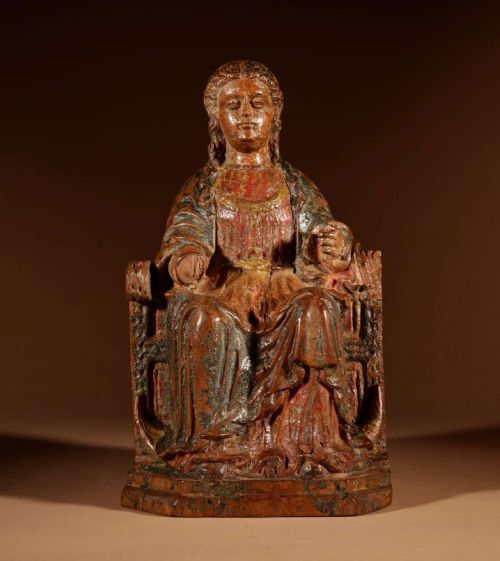
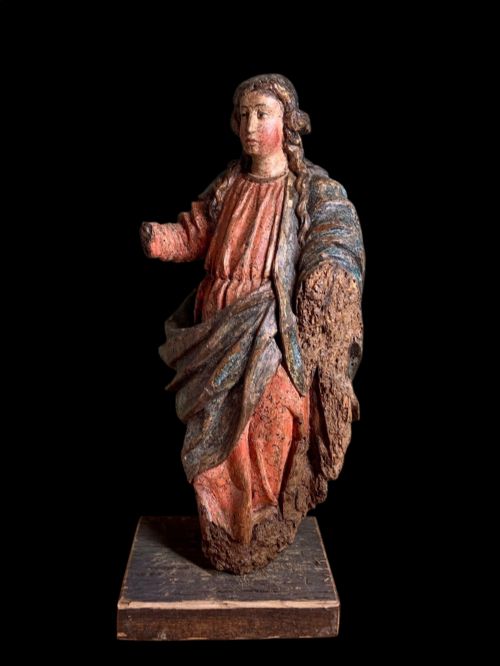
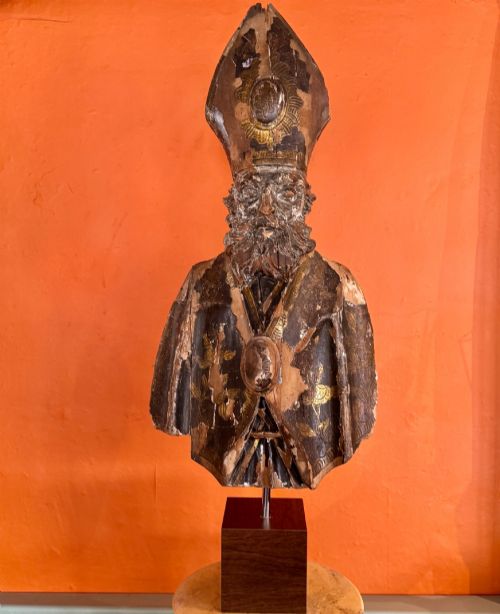
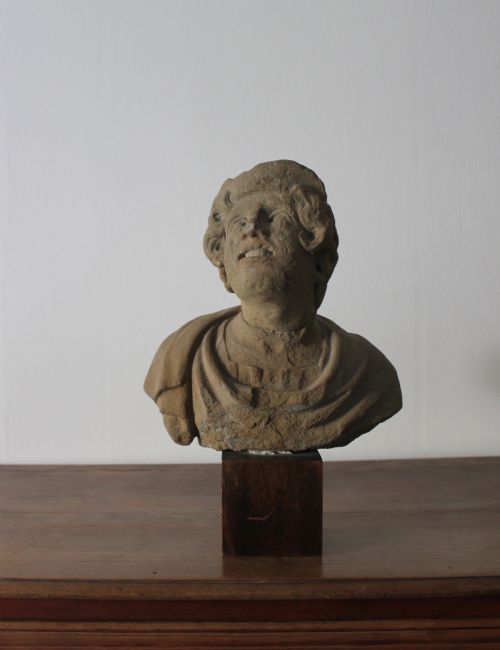
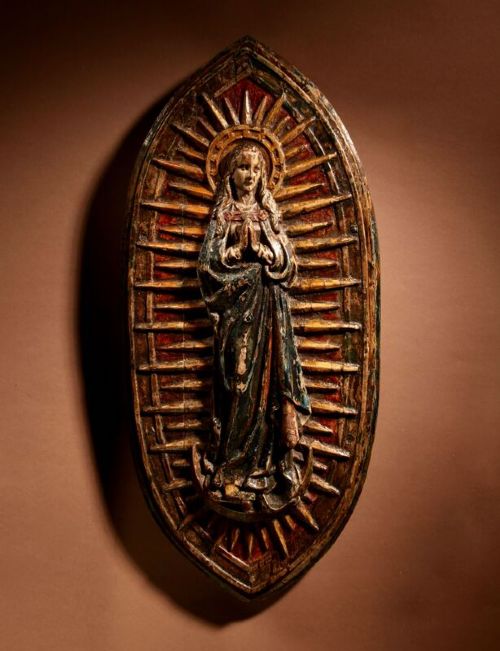
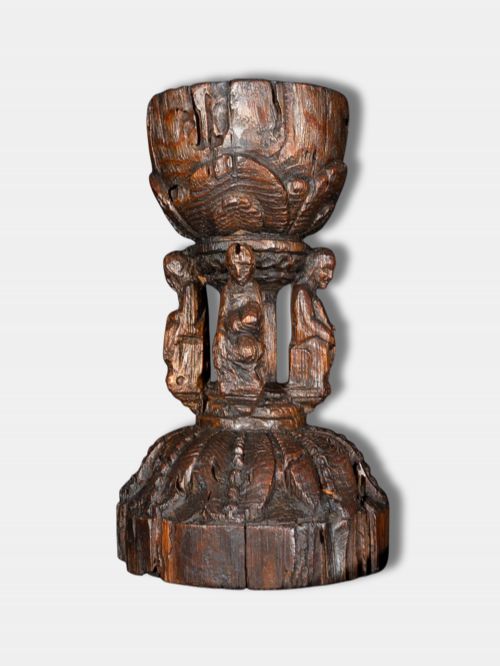
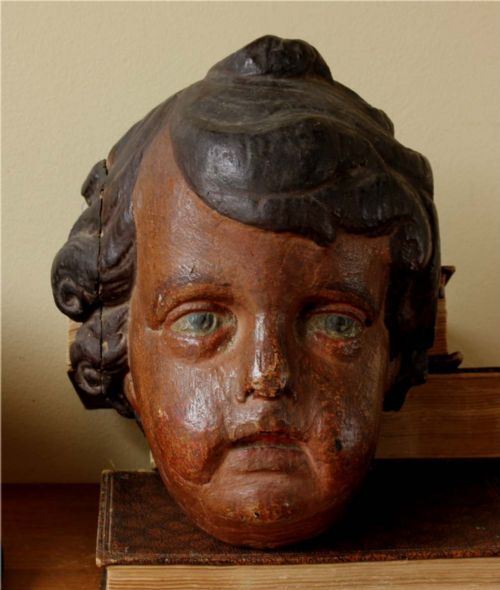
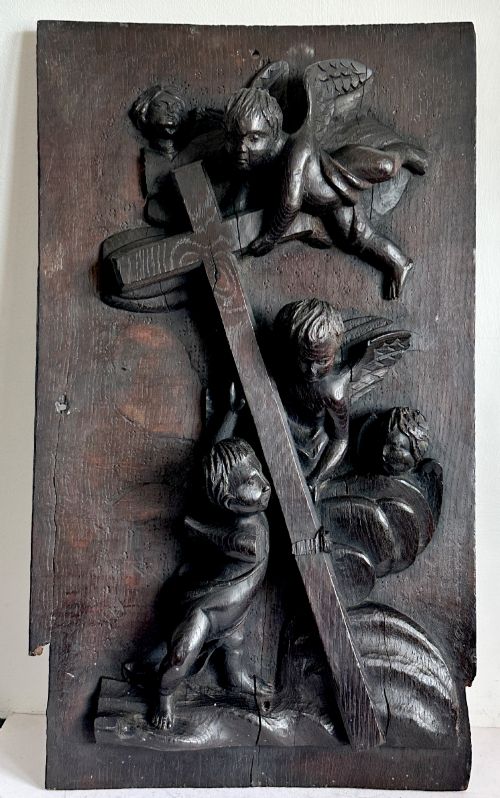
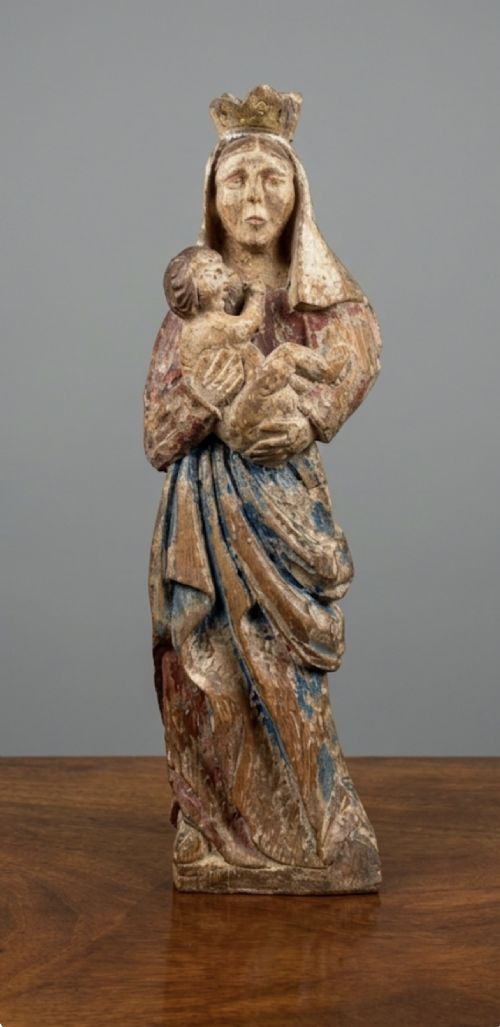
Antique ecclesiastical sculpture comprises religious wood carvings, statues, and wall sculptures created for devotional settings. The selection on this page spans from the seventeenth century through the nineteenth century, reflecting various European traditions.
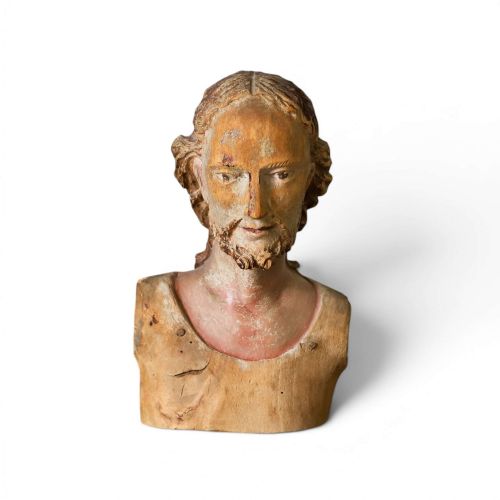
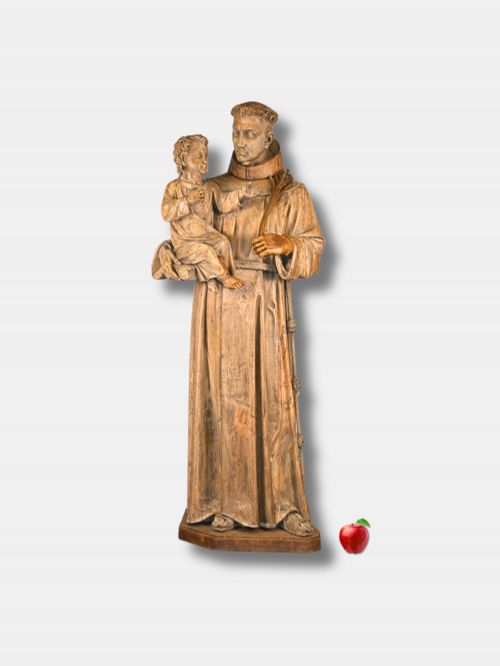
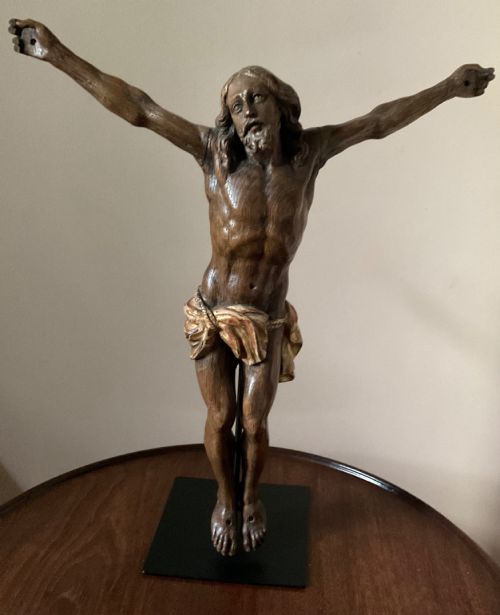
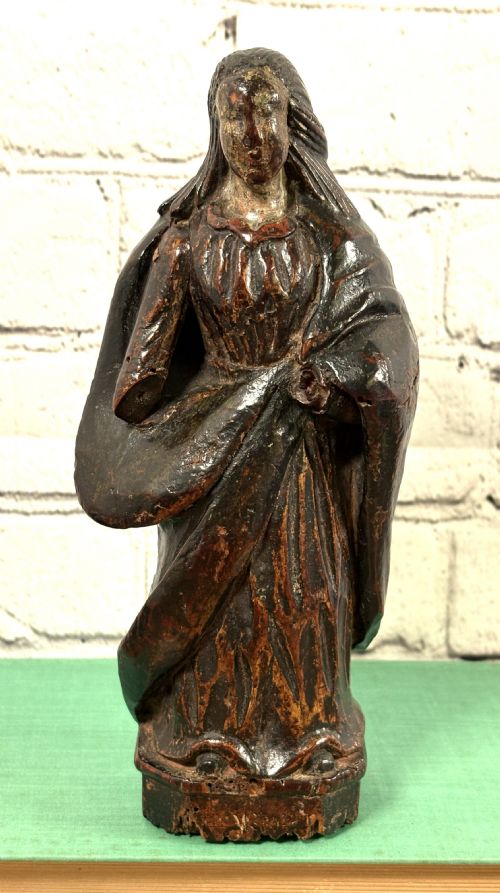
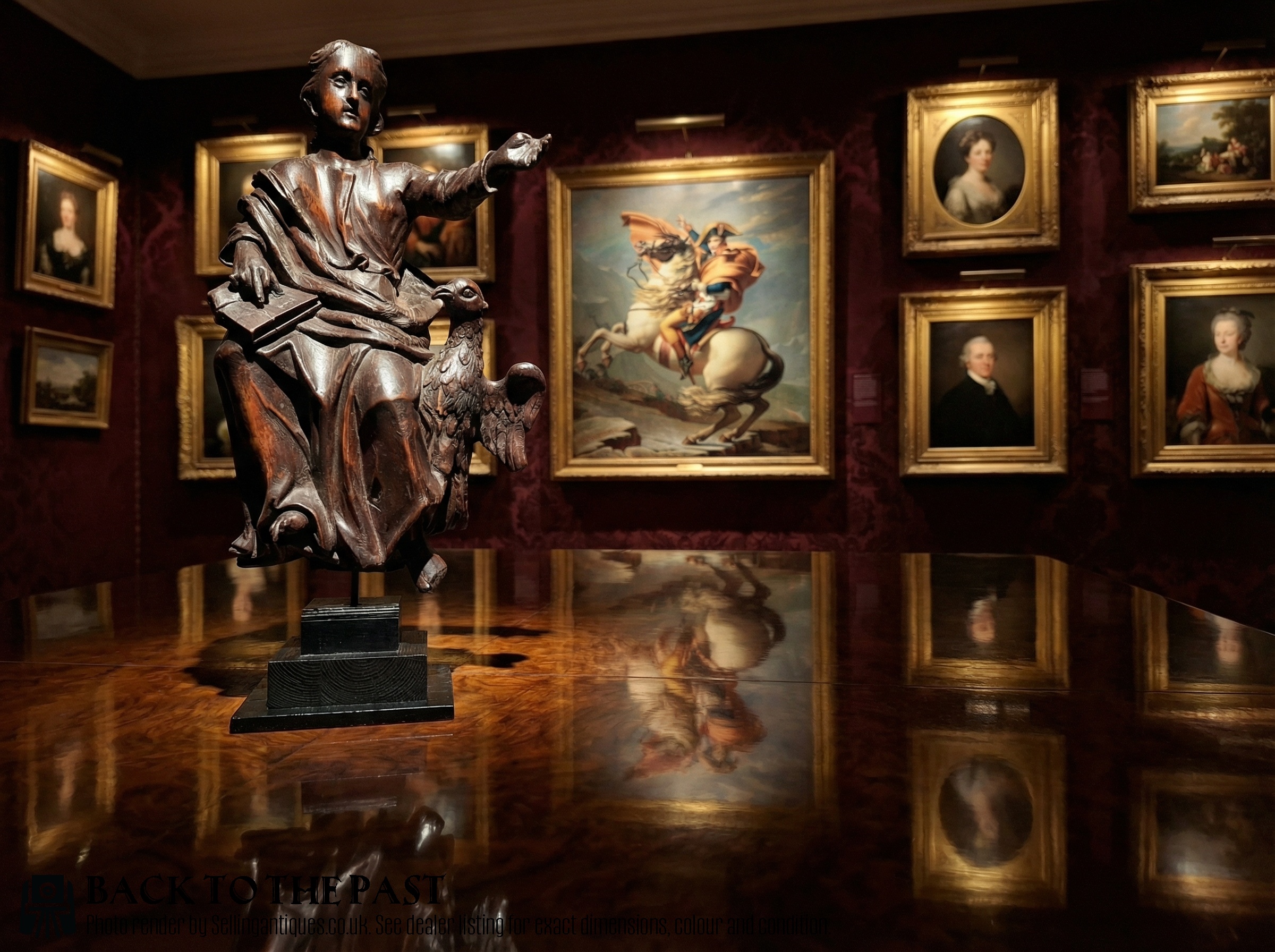
Buyers will encounter figures such as corpus christi carvings, angels, and representations of saints like Saint John, alongside depictions of God the Father. These pieces range from seventeenth-century Low Country and walnut works to nineteenth-century Italian polychrome examples.
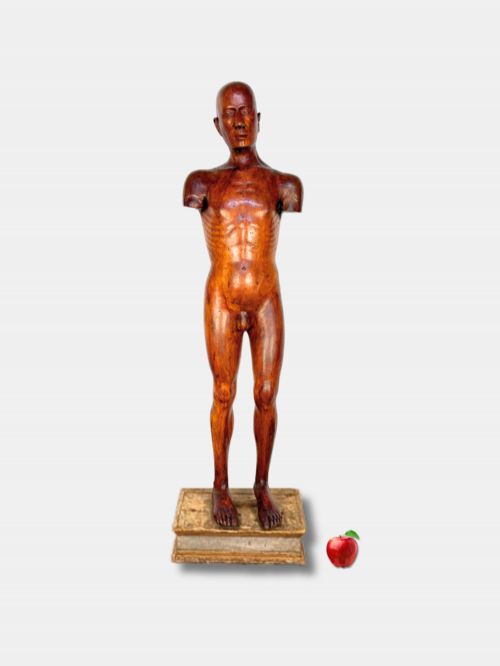
The forms vary from wall sculptures to substantial freestanding figures, usually originating from church or chapel environments. Each piece demonstrates the distinct devotional iconography of its period and region.
Materials and methods of construction
These sculptures are produced primarily from carved wood, including walnut, oak, and various hardwoods. Artisans shaped these dense timbers using traditional hand-carving chisels and gouges to achieve complex anatomical and drapery details.
Surface decoration frequently involves polychrome paint, parcel gilt, and gold leaf applied over a prepared ground. These finishes add rich colour and metallic highlights to the carved wooden substrates, surviving in varying states across the centuries.
Retail Price Guide 2026
Typical UK retail prices for ecclesiastical sculpture, calculated from the Sellingantiques database of over a million retail prices indexed since 2003. This retail price guide relies exclusively on Sellingantiques data; no external sources or auction records are used, so the figures do not describe the wider market.
Saint John arrives accompanied by his traditional eagle, keeping a sharp carved eye on the room.
Distinctions in quality and execution
The preservation of original surface treatments, such as polychrome paint and gold leaf, significantly influences the character of a piece. Traces of early gilding and layered pigments provide tangible evidence of the original workshop finish.
The Antique Ecclesiastical Sculpture Glossary
- Corpus Christi
- A sculptural representation of the body of Jesus Christ on the cross. These wooden figures emphasise the physical details of the crucifixion.
- Polychrome
- Painted in several colours, typically applied to wood or stone sculpture. This technique adds realistic tones to vestments, flesh, and hair.
- Parcel Gilt
- Partially gilded with gold leaf, leaving areas of the underlying wood or paint exposed. This method highlights specific details such as halos or garment trims.
- Baroque
- An artistic style from the seventeenth and eighteenth centuries characterised by dynamic movement and deep emotional intensity. Sculptures in this manner feature dramatic, sweeping drapery.
Frequently Asked Questions
What is ecclesiastical sculpture?
Ecclesiastical sculpture refers to religious artwork created for churches, chapels, and private devotional spaces.
These pieces typically depict sacred figures, saints, and biblical narratives carved from timber.
How were these sculptures finished?
Carvers applied traditional finishes including polychrome paint, gold leaf, and parcel gilt to the timber.
These layers provided vibrant colour and decorative brilliance within dimly lit religious interiors.
Which periods do these sculptures date from?
The available pieces primarily span the seventeenth, eighteenth, and nineteenth centuries.
Examples range from early seventeenth-century Low Country carvings to later nineteenth-century Italian works.
How do I care for carved wood?
Keep wooden sculptures away from direct heat sources and sudden temperature fluctuations to prevent timber splitting.
Dust gently with a soft brush and avoid applying liquid polishes to historic painted or gilded surfaces.