


Gilded Wood Statue
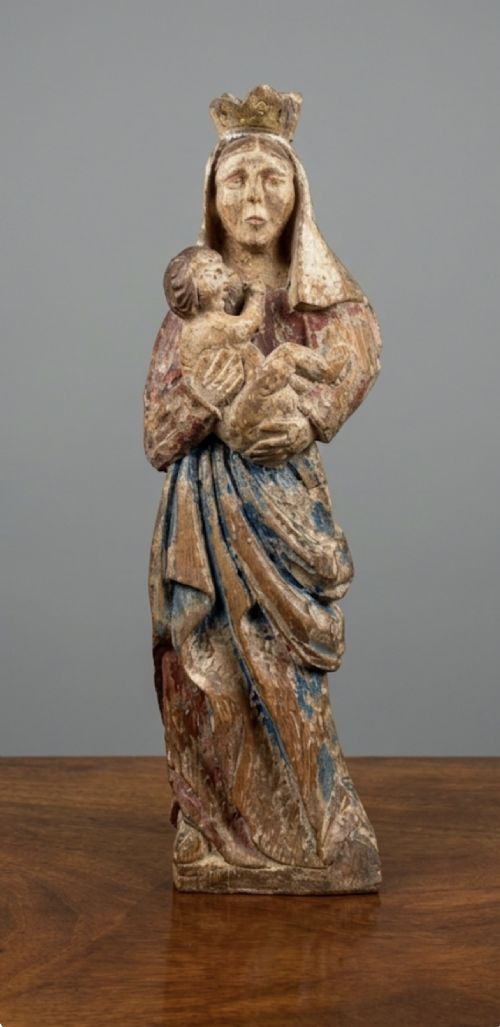
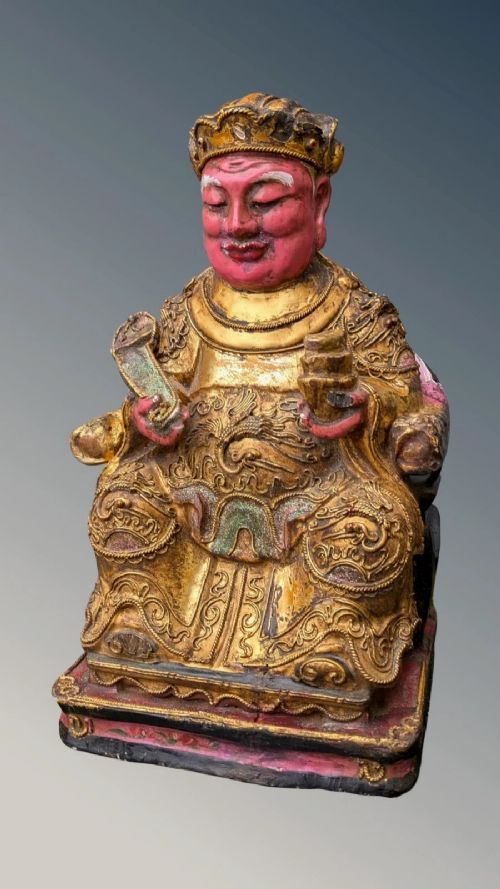
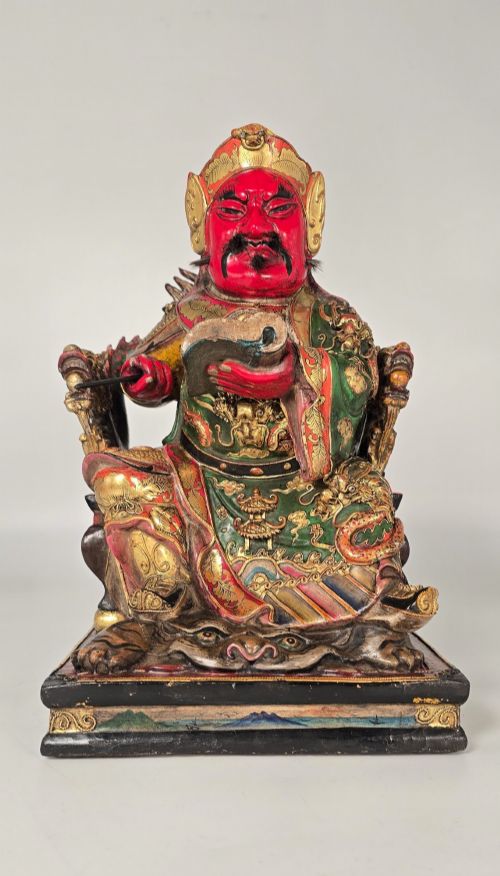
These gilded wood statue examples bring centuries of carved figures, religious icons and decorative animals into a room with layered gold leaf and rich pigment.
Gilded Wood Statue
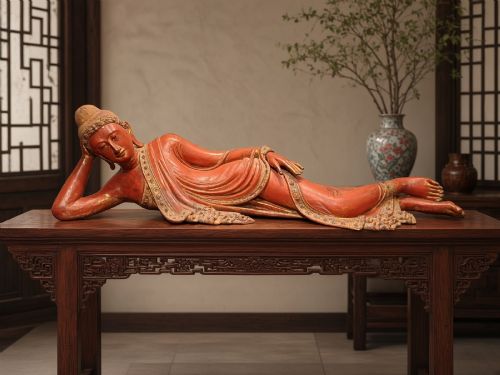
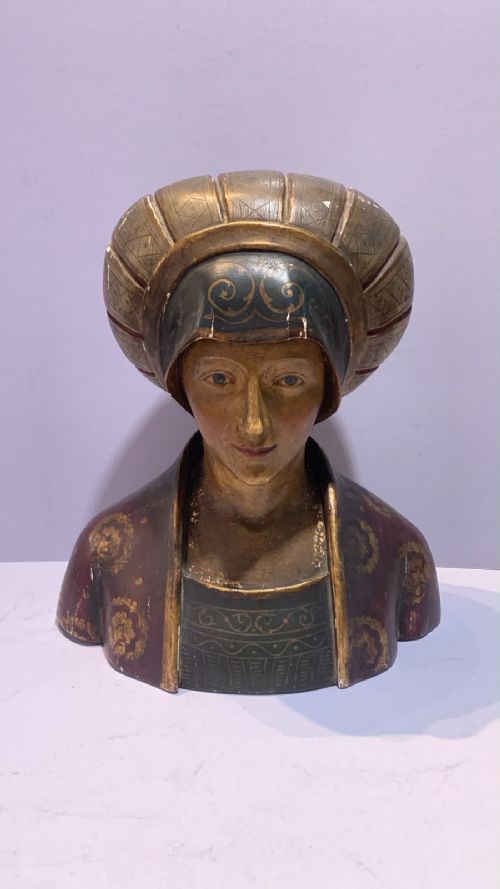
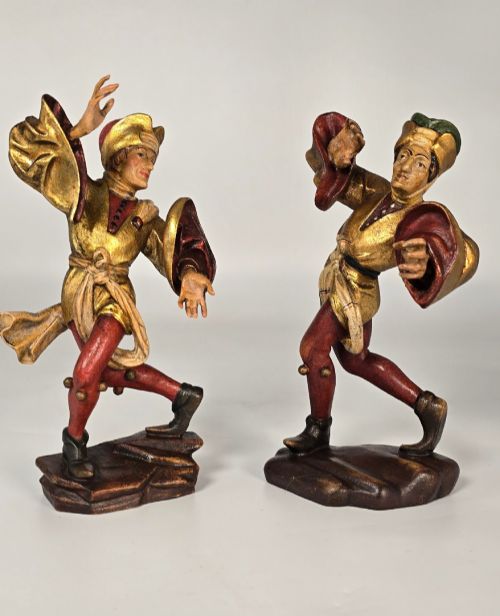
A gilded wood statue represents carved forms shaped across the seventeenth, eighteenth and nineteenth centuries, taking the shape of European religious figures, angels, putti, animals and Asian deities. European examples often stem from Italian, Venetian, German and Spanish workshops, while Asian pieces span Chinese temple figures, scholars and Burmese Buddhas.
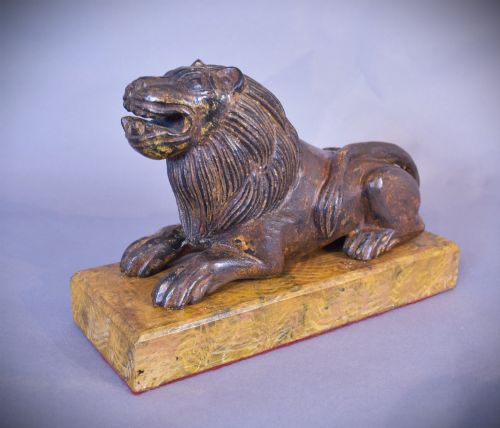
Buyers meet works executed in various regional traditions, from Italian Baroque church pieces to Qing Dynasty temple guardians and Burmese Mandalay Buddhas. The selection ranges from devotional altarpieces and Santos figures to decorative animals, lions, eagles and Venetian torchères.
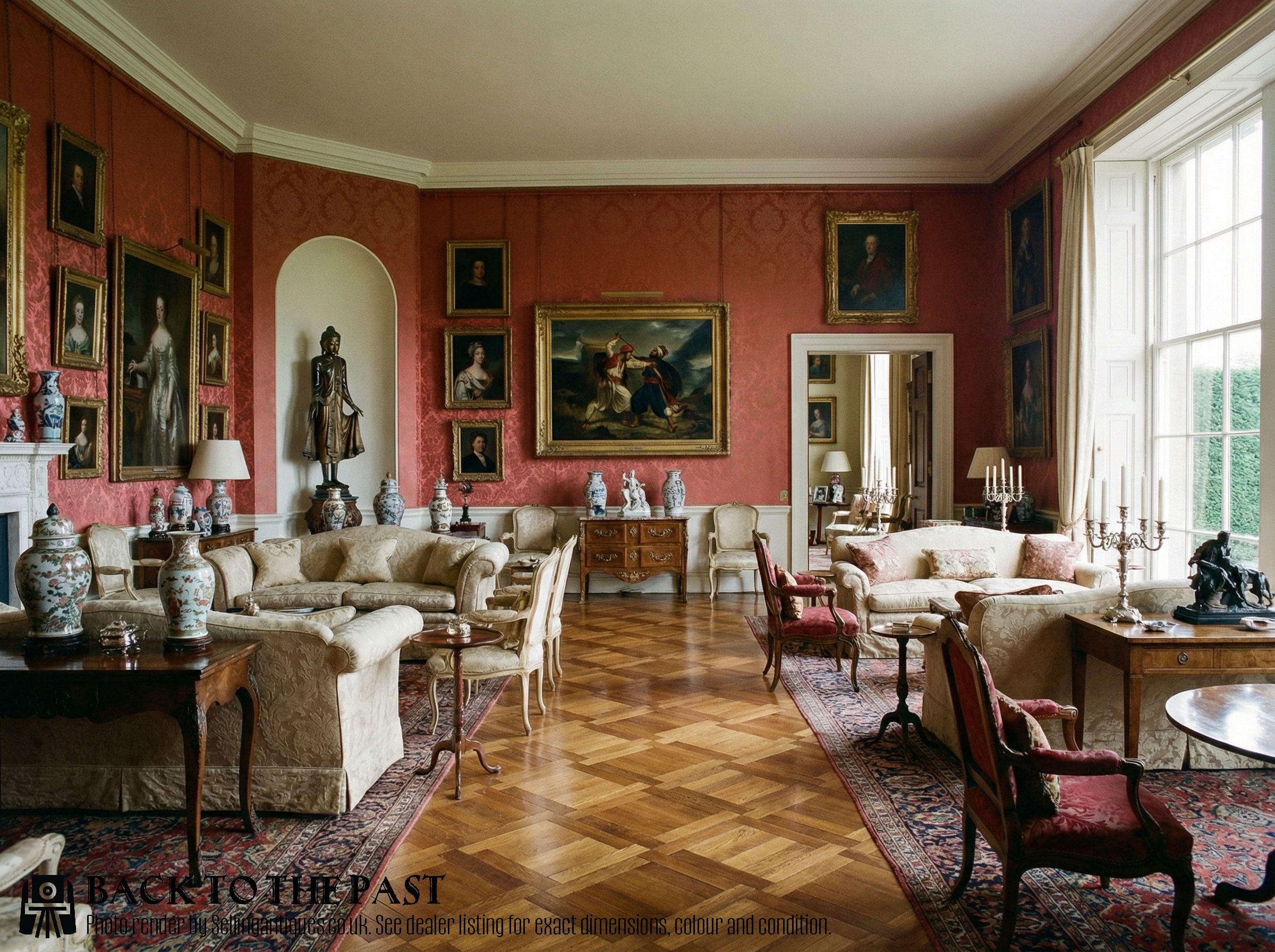
The objects serve as focal points in domestic interiors, carrying histories of worship, civic display or decorative arts. Each piece reflects the aesthetic priorities of its origin, whether the dramatic movement of Venetian carving or the serene posture of an Asian deity.
Materials and construction
Carvers shaped these pieces from timbers such as oak, lime wood, olive wood and general hardwoods, applying a layer of gesso to smooth the grain before gilding. Artisans laid thin sheets of gold leaf over the prepared ground, sometimes burnishing the metal to a high sheen.
Many surfaces combine gold leaf with polychrome paint, adding flesh tones, garments and floral motifs in mineral colours. Lacquer also appears on Asian pieces, sealing the carved timber beneath durable layers of refined sap.
The listings span the sixteenth through the twentieth centuries, featuring gold leaf, gesso, lacquer and polychrome paint on carved wood.
Assessing quality and execution
The preservation of the original surface finish dictates the visual impact, particularly where gold leaf and polychrome paint interact. Pieces retaining undisturbed original gilding and pigment display a harmony that later touch-ups or over-painting obscure.
The Gilded Wood Statue Glossary
- Giltwood
- Wood that has been coated with gold leaf or gold paint. This technique gives carved surfaces a radiant metallic finish.
- Polychrome
- Decorated in several colours. Artisans applied paints over gesso or directly to wood to render garments and flesh.
- Gesso
- A plaster mix applied to wood as a base for gilding and painting. It creates a smooth surface for fine detail work.
- Santos figure
- A devotional sculpture used in religious practices, particularly in Spanish and Latin traditions. These figures often wear fabric garments over carved wooden bodies.
- Torchère
- A tall ornamental stand or candlestick. In sculpture, it frequently takes the form of a carved figure holding a light source.
Gilded Wood Statue: Frequently Asked Questions
How do I clean a gilded wood statue?
Dust the surface gently with a soft, dry brush to prevent accumulation. Avoid all water, chemical cleaners and commercial polishes, which strip fragile gold leaf and historical paint.
Keep pieces away from direct sunlight and radiators to prevent the wood from drying, cracking or warping over time.
Are these statues meant for outdoor display?
These pieces are strictly intended for indoor environments. Fluctuating temperatures, humidity and moisture quickly ruin historic gesso, gold leaf and polychrome paint.
Place statues in stable interior climates where environmental conditions remain consistent throughout the year.
How can I tell the age of the wood?
Inspect the tool marks left by the carver, as hand chisels leave distinct textures that differ across centuries. Tool work, joinery methods and the natural ageing of the timber offer clues to the period.
Examine the underlying gesso and the wear patterns on the gold leaf, which develop distinct patina through handling and time.
What is the difference between European and Asian figures?
European pieces often reflect Christian iconography, featuring angels, saints and allegorical figures rooted in Baroque or Neoclassical traditions. Their surfaces frequently combine giltwood with rich polychrome pigments.
Asian pieces encompass Buddhist and secular subjects, including temple guardians, deities and scholars. These statues utilise carved wood, gold leaf, lacquer and detailed polychrome painting specific to Chinese and Burmese aesthetics.