


Southeast Asian Statue
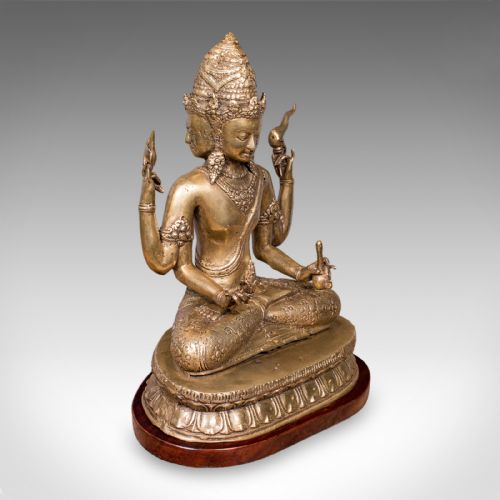
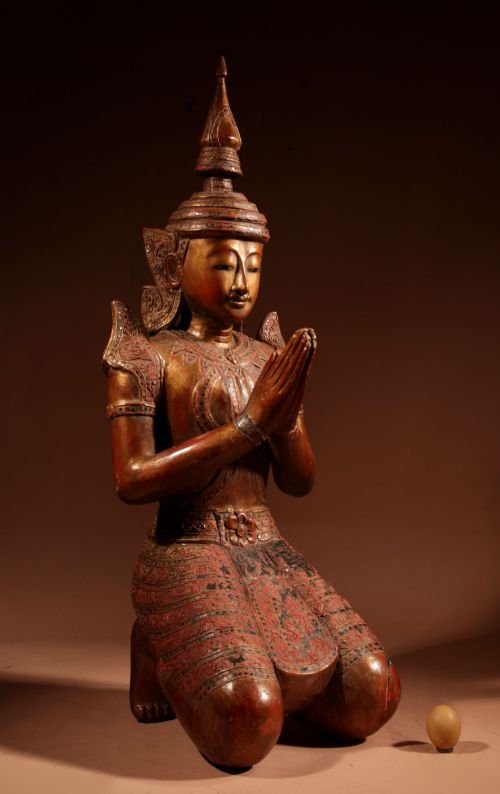
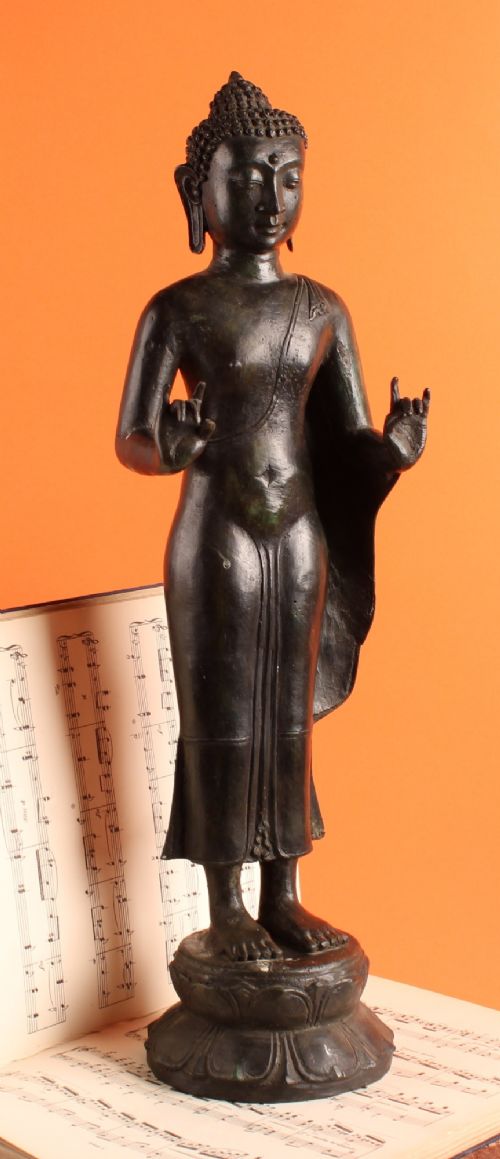
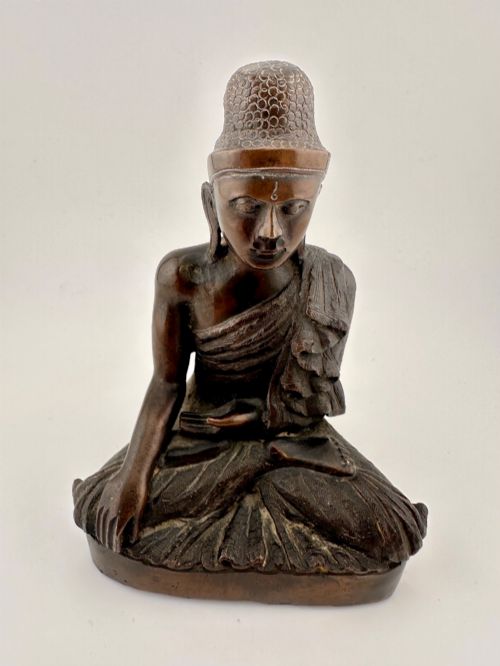
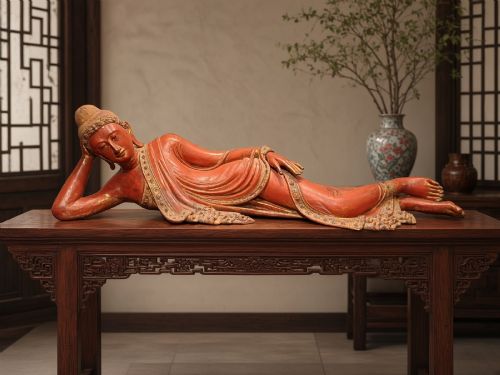
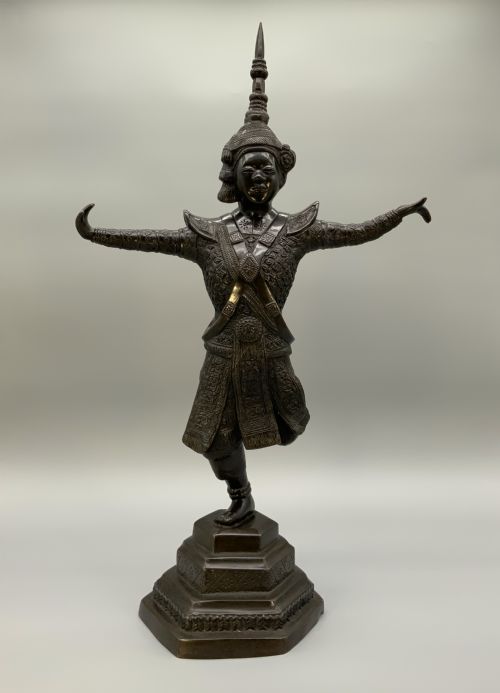
A southeast asian statue brings centuries of regional ritual art into a room, offering bronze buddhas, carved temple guardians and gilt figures.
Southeast Asian Statue
When you search for a southeast asian statue, you encounter devotional figures, temple carvings and secular dancers shaped across centuries of regional craft. The selection ranges from pre-sixteenth century deities to twentieth-century court dancers originating in Thailand, Burma, Java, and Cambodia.
You meet bronze standing and reclining buddhas, carved wooden garudas, terracotta priests, and gilt temple lions. These works reflect the distinct iconography of Ayutthaya, Rattanakosin, Mandalay, and Khmer traditions.
The objects serve as physical records of religious devotion and courtly performance, spanning small domestic devotional items and large temple sculptures.
How they were made
The metalworks rely on copper alloy and bronze casting, often finished with original patination, gold leaf, or silver. Makers also utilised carved wood, stone, marble, and terracotta, sometimes applying paint or glass inlay to surface details.
Gilt wood and carved hardwood pieces display traditional hand-chiselling techniques seen in temple carvings and figures of dancers. Terracotta and stone sculptures demonstrate regional modelling and carving methods employed across early periods.
Listings span bronze, copper alloy, carved wood, marble, and terracotta forms across multiple centuries.
What varies in quality
Proportion, detail in the mudra or crown, and the survival of original surface treatments such as gold gilding or polychrome paint dictate the distinction between ordinary production and masterworks.
The Southeast Asian Statue Glossary
- Mudra
- A symbolic hand gesture in Buddhist and Hindu iconography. Each specific position communicates a teaching, fearlessness, or the touching of the earth.
- Bronze
- An alloy primarily of copper and tin used widely for durable statues. Over time, it develops a natural surface patina.
- Gilt Wood
- Timber coated with a thin layer of gold leaf. This technique was applied extensively to temple statues and figures in Burma and Thailand.
- Terracotta
- Fired clay used for sculptural figures and architectural elements. It appears in Khmer and regional Southeast Asian works.
- Patination
- The natural or artificial alteration of a metal surface over time. Original patination helps indicate the age and handling history of a bronze piece.
Southeast Asian Statue: Frequently Asked Questions
How do I identify a Thai Buddha statue?
Thai statues often display specific regional characteristics such as distinct crown styles, elongated earlobes, and recognizable mudras like the Bhumisparsha or double mudra. Examining the base and the bronze casting style helps determine the period.
Many pieces also carry stylistic traits from the Rattanakosin or Ayutthaya periods, showing variations in patination and surface finishing.
How should I care for a bronze statue?
Bronze statues require minimal intervention beyond dusting with a soft, dry cloth. Avoid using liquid cleaners, polishes, or abrasive materials that might disturb the historical patina.
Keeping the piece in a stable environment away from excessive moisture preserves the metal surface over time.
What distinguishes Burmese wood carvings?
Burmese wood carvings often utilise teak or hardwood, frequently enhanced with gold leaf, glass inlay, or polychrome paint. They depict figures such as monks, nats, and temple animals.
The carving technique demonstrates deep relief work and traditional regional iconography associated with monastic and temple commissions.