



Carved Wooden Guardian
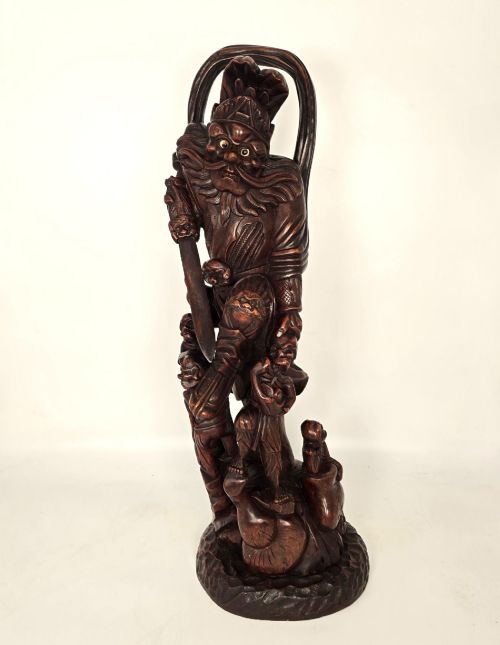
These carved wooden guardian figures stand as centuries-old protectors from diverse cultural traditions, bringing potent presence and rich hand-carved detail into a modern interior.
Carved Wooden Guardian
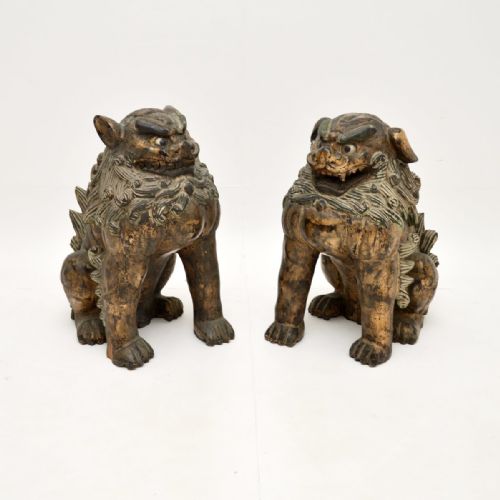
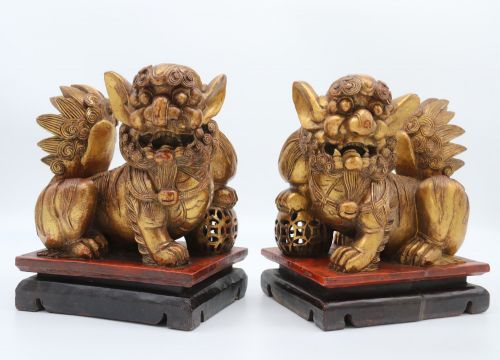
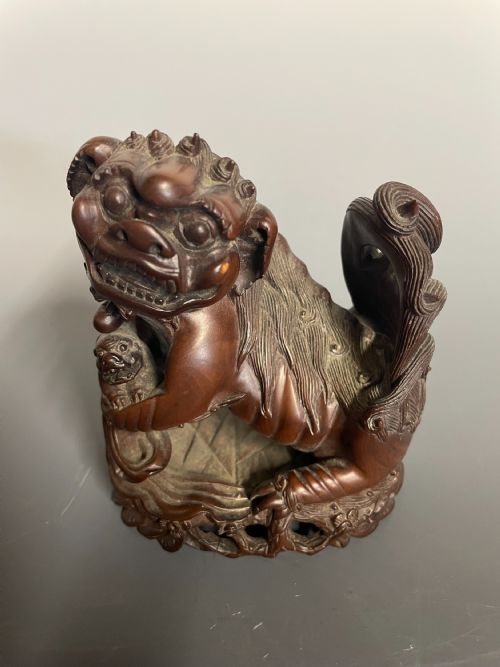
A carved wooden guardian takes many distinct forms across its origins, spanning majestic Chinese temple figures and ritual heads to kneeling Thai figures and paired temple lions. When exploring this selection, a buyer encounters everything from monumental hardwood sculptures to smaller boxwood carvings and root wood figures.
The traditions represented here cross several geographic regions and cultural styles, notably Chinese traditional works, Thai Buddhist subjects, and African tribal art. These pieces emerge from periods ranging from the late eighteenth century through the early twentieth century, reflecting varied regional carving conventions.
Temple guardians, Foo dogs, and ritual reliquary heads make up the core of these listings, often appearing as single monumental statues or balanced pairs. Each object serves a protective or symbolic function rooted in its original religious or cultural context.
Materials and construction methods
Makers utilised various timbers suited to detailed carving, including dense hardwoods, boxwood, root wood, and patinated wood. These woods allowed artisans to carve intricate facial expressions, flowing garments, and muscular forms with remarkable precision.
Many surfaces received applied decoration such as layers of lacquer, gilding, and polychrome pigments. These finishes enhanced the visual impact of the temple guardians and lions, adding metallic sheen and colour to the carved wooden bodies.
The selection includes regional expressions from China, Thailand, and Gabon, taking the form of temple guardians, statues, and reliquary heads.
Assessing quality in carved figures
The preservation of original surface treatments, including traces of gilt, lacquer, and polychrome pigment on patinated wood, contributes significantly to the integrity of an antique figure. Natural ageing and handling leave honest marks that complement the original craftsmanship without obscuring the form.
The Carved Wooden Guardian Glossary
- Lokapala
- A Buddhist guardian king who watches over one of the four cardinal directions. These figures often appear in monumental Chinese sculpture holding defensive attributes.
- Reliquary
- A container or sculptural head designed to hold sacred relics or ancestral remains. The Fang Byeri head exemplifies this ritual function.
- Polychrome
- Painted or decorated in several colours. This surface treatment brings realistic or symbolic hues to carved wooden temple statues.
- Boxwood
- A dense, pale hardwood prized for minute and detailed carving. It allows artisans to render fine textures on small-scale animal and human figures.
Carved Wooden Guardian: Frequently Asked Questions
Where were carved wooden guardians placed originally?
These figures typically stood at temple entrances, ancestral shrines, or domestic thresholds to ward off malevolent spirits and protect sacred spaces.
Pairs of guardian lions or Foo dogs often flanked doorways, while specific deities guarded altars or sacred directional points.
How do I care for antique carved wood?
Keep wooden sculptures away from direct sunlight, heating vents, and rapid humidity fluctuations to prevent the wood from drying out and splitting.
Dust gently with a soft, dry brush and avoid applying modern polishes or cleaning agents that might damage historic lacquer or gilt surfaces.
What is the difference between a temple guardian and a Foo dog?
Temple guardians generally represent divine kings, warriors, or spiritual protectors in human form, often rendered with dynamic posture and stern expressions.
Foo dogs are stylized guardian lions derived from Buddhist tradition, combining feline and canine attributes to serve a similar protective role.
How do I date a carved wooden guardian?
Dating relies on examining tool marks, timber characteristics, wear patterns, and the style of the carving relative to known regional periods.
Surface finishes such as traditional lacquer, period gilding, and the natural patina of the wood also provide key indicators of age.