



Carved Wood Buddha Statue
A carved wood buddha statue brings centuries of meditative calm and precise regional artistry straight into a room.
Carved Wood Buddha Statue
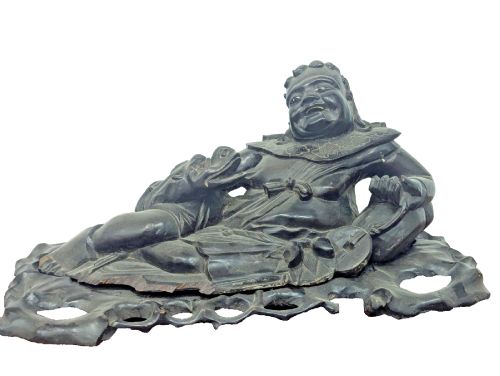
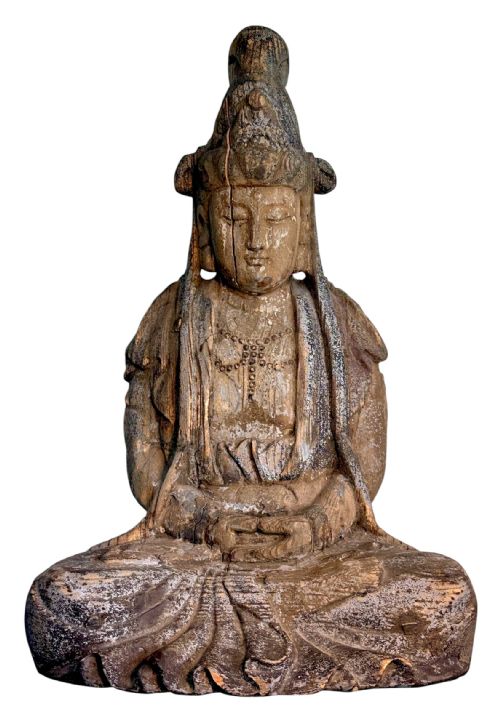
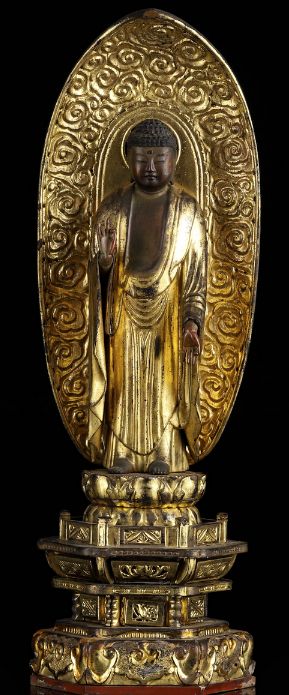
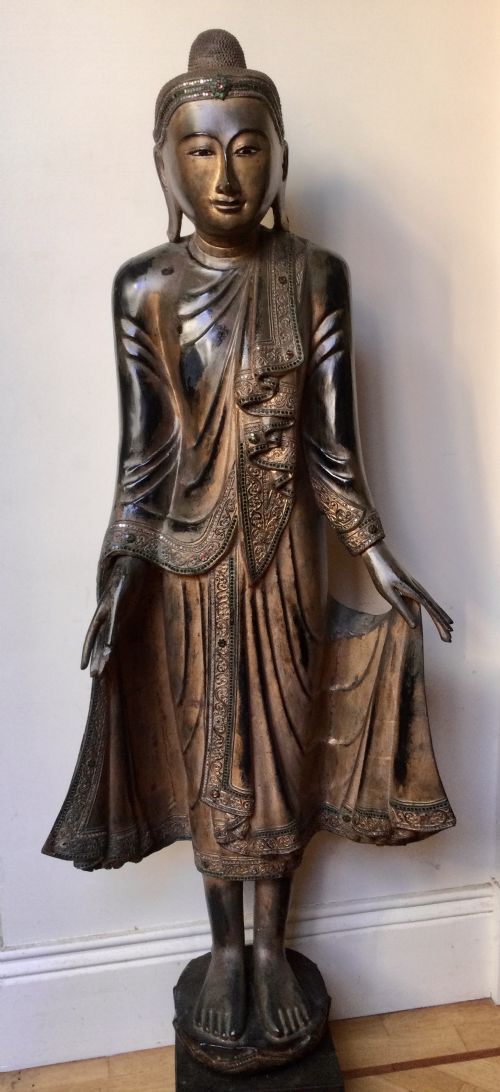
When you search for a carved wood buddha statue, you encounter sacred figures spanning the nineteenth century down to the Edwardian era, originating from China, Burma, Tibet, and Japan. These sculptures range from monumental temple guardians and reclining forms to corpulent smiling figures and serene meditative postures.
The pieces appearing on this page include Chinese Qing Dynasty works, Burmese Mandalay pieces, and regional Asian antiques carved from solid timber. Each example reflects the distinct sculptural conventions and religious iconography of its specific place and period of origin.
Materials and Construction
Certain pieces incorporate glass inlay to catch the light, adding depth to ornaments and eyes. The combination of hand carving and surface finishing creates the characteristic tactile warmth found across these traditional sculptures.
Several corpulent figures remind viewers that traditional sculpture could happily embrace a cheerful, well-fed belly alongside profound spiritual calm.
Assessing Quality and Execution
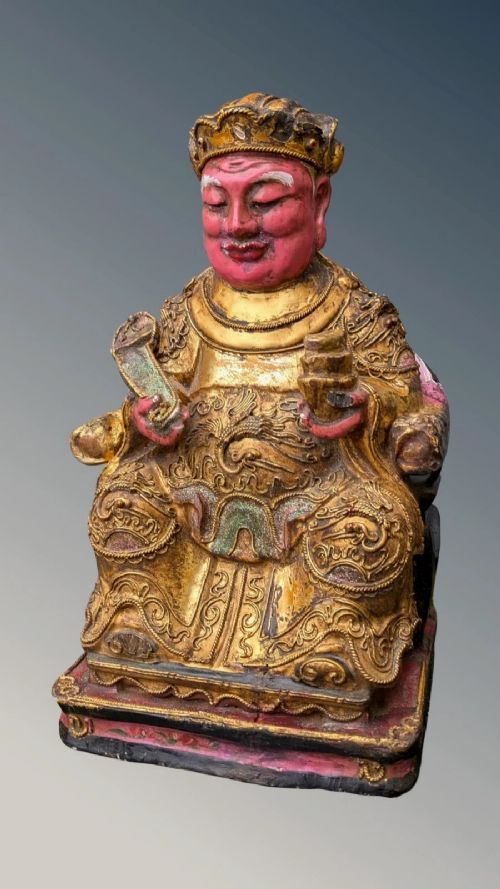
The survival of original gilt wood, lacquer, and polychrome paint significantly elevates a piece, as does the structural integrity of the underlying timber. Untouched surfaces retain the authentic character imparted by historical workshops.
The Carved Wood Buddha Statue Glossary
- Polychrome
- Painted in several colours. This term describes statues finished with pigments applied directly over wood or gesso.
- Gilt Wood
- Wood decorated with gold leaf. Artisans applied thin sheets of gold to prepared surfaces to achieve a luminous finish.
- Gesso
- A plaster mixture used as a base. This material was smoothed over wood to create a uniform surface for painting and gilding.
- Qing Dynasty
- The final imperial dynasty of China. Pieces from this period date between sixteen forty-four and nineteen twelve.
Carved Wood Buddha Statue: Frequently Asked Questions
How do I clean a wooden Buddha?
Dust the surface gently with a soft, dry brush to prevent accumulating grit in the carved recesses. Avoid liquid cleaners, oils, or polishes that might damage historic painted or gilded finishes.
Keep the sculpture away from direct sunlight and strong temperature fluctuations to protect the wood and gesso layers from cracking.
Where should I place my statue?
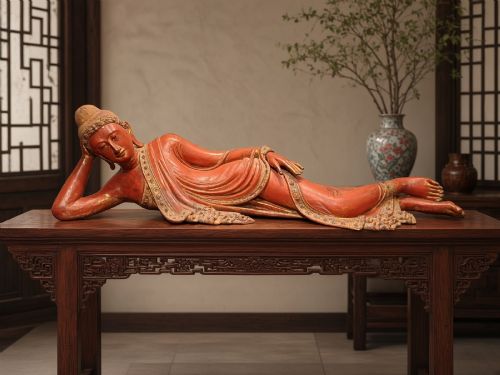
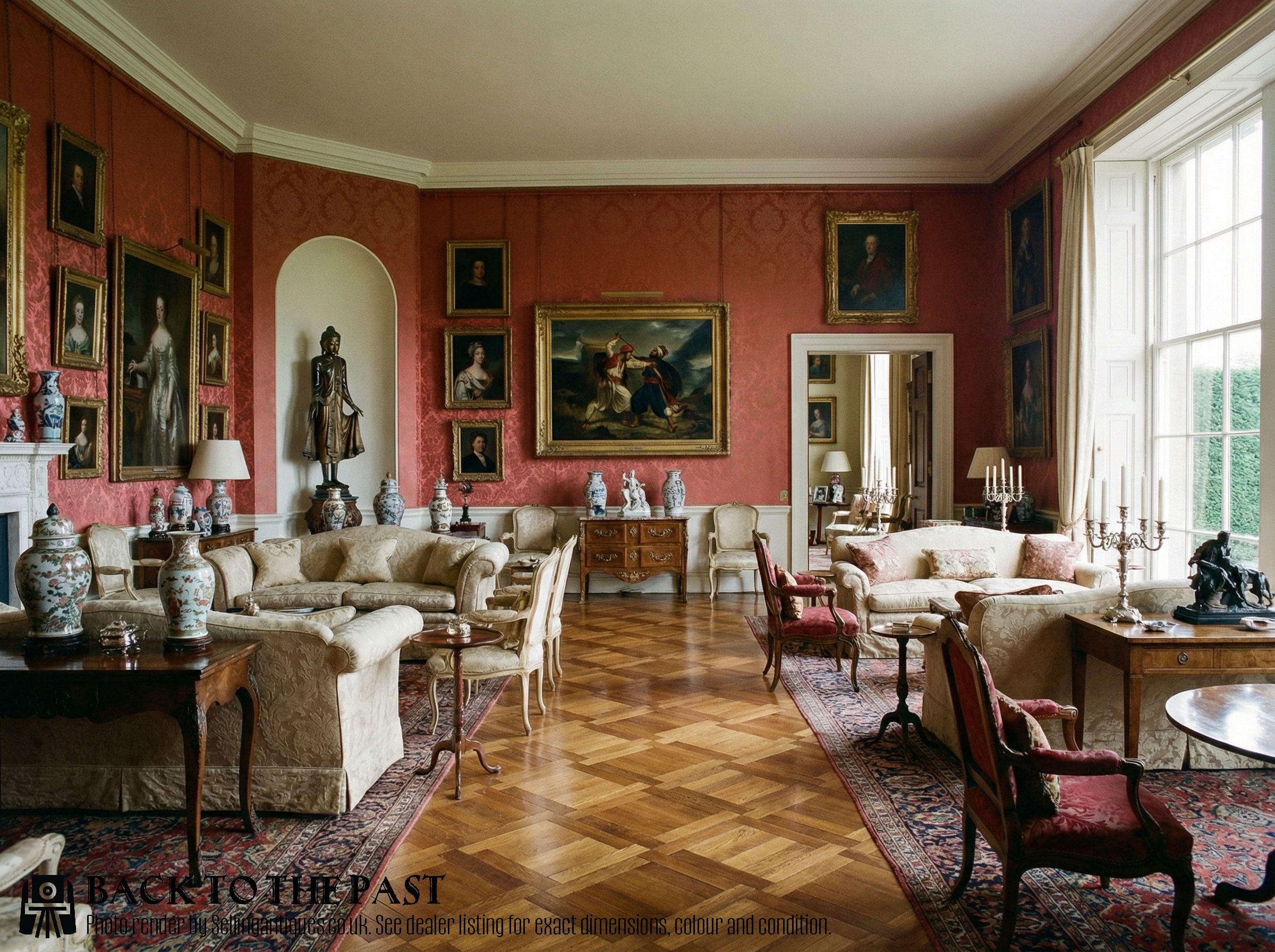
Position the figure on a stable, flat surface at a respectful height, such as a sideboard or dedicated console table. Ensure the location remains dry and stable to preserve the integrity of the antique timber.
Allow enough surrounding space for the sculpture to serve as a focal point within the room.
What does a reclining Buddha represent?
A reclining form depicts the historical Buddha during his passage into parinirvana. This posture conveys profound peace and spiritual tranquility rather than physical rest alone.
Such figures often command attention through their elongated silhouettes and carefully draped garments.