


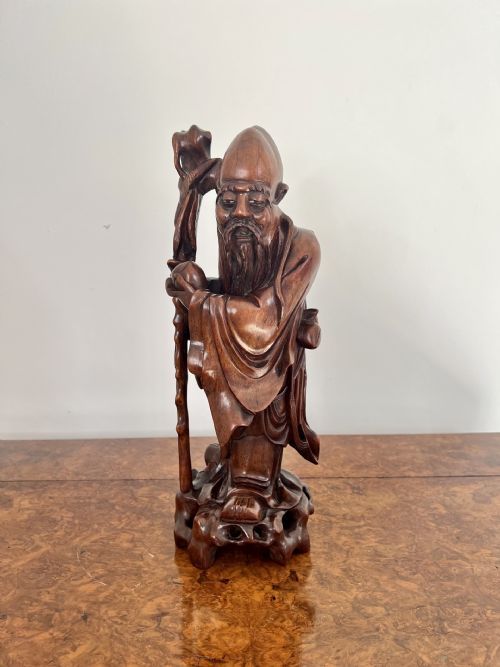


Hand Carved Chinese Statue
A hand carved chinese statue brings centuries of sculptural craft into a room, taking the form of immortals, animals and scholars carved from timber or stone.
Hand Carved Chinese Statue
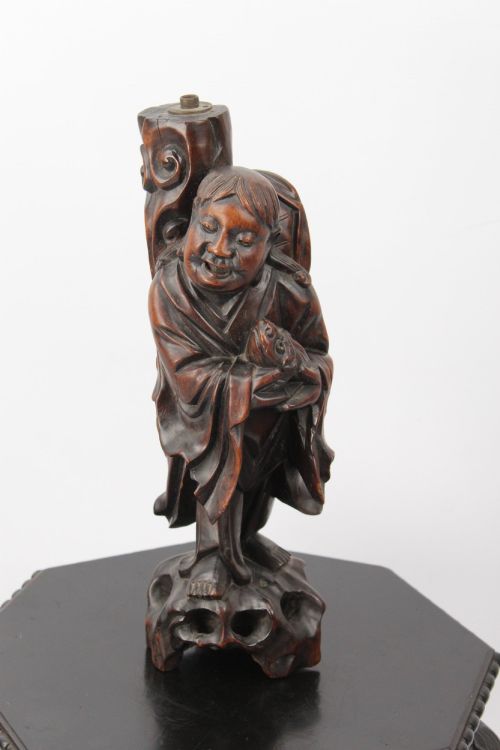
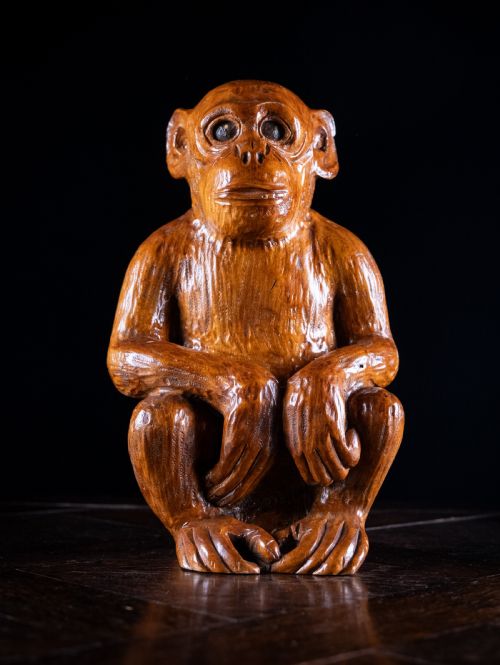
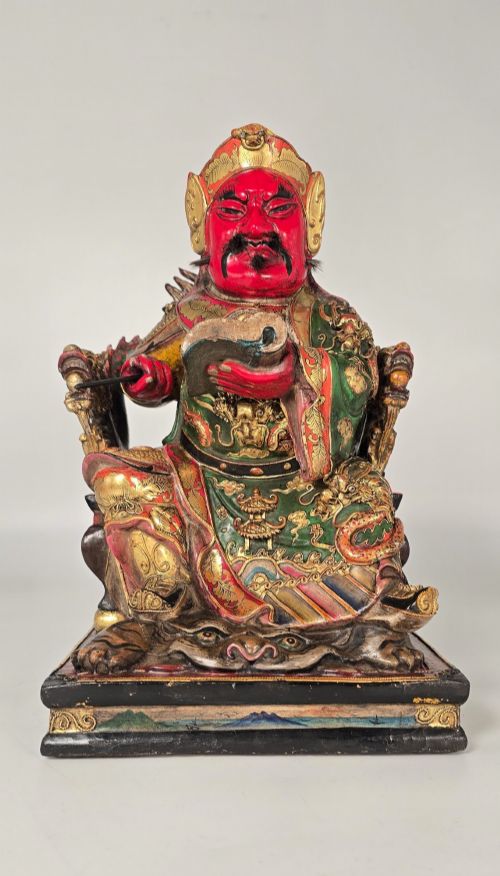
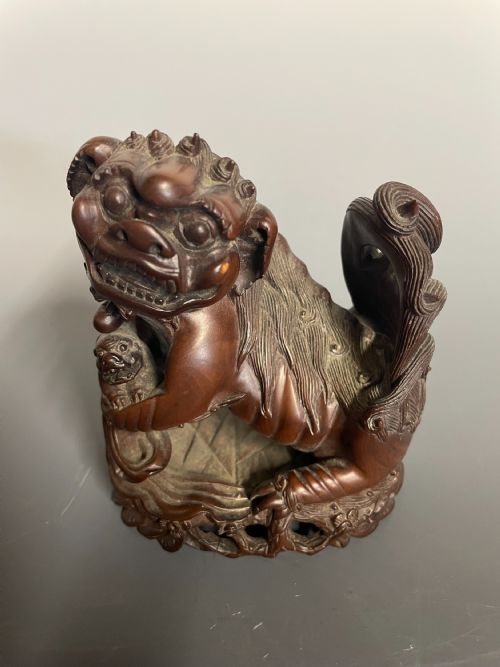
A hand carved chinese statue encompasses figures, groups and temple guards shaped from wood, soapstone, boxwood, root wood and jade spanning from the eighteenth century into the twentieth century. These carvings depict Daoist immortals, fishermen, scholars and deities alongside animals such as Foo Dogs, water buffaloes, monkeys and ducks.
The pieces appearing most frequently on this page are nineteenth-century and early twentieth-century hardwood sculptures, often showing figures in daily life or mythical subjects. Buyers also encounter soapstone groups, root wood carvings, and stone or jade sculptures reflecting Qing Dynasty and traditional Chinese styles.
Makers ranged from village artisans shaping local folk art to skilled workshops producing intricate figures for domestic and export markets. The historical scope stretches from pre-sixteenth century stone works up to the Republic period.
How they were made
Carvers worked with dense materials including boxwood, root wood, hardwood, soapstone, agate, jade and stone, often following the natural grain and gnarled contours of the raw medium. Artisans utilised hand chisels and gouges to define garments, facial expressions and natural textures.
Surfaces received various finishes such as lacquer, gesso, gold leaf, or silver inlay to highlight details on figures like scholars, deities and water buffaloes. Root wood pieces relied heavily on the organic shape of the timber to suggest figures or animals with minimal removal of material.
Object forms span from Daoist immortals and scholars to Foo Dogs, water buffaloes, and figures carrying companions across various centuries.
What varies in quality
The selection of the raw material dictates the baseline of a piece, with fine-grained boxwood, unblemished jade, or well-figured burl timber commanding greater attention than simpler softwoods. Subtle details like silver inlay or layered lacquer finishes elevate the visual depth of a sculpture.
The Hand Carved Chinese Statue Glossary
- Foo Dog
- A traditional guardian lion-dog figure placed at temple entrances or domestic thresholds to ward off malevolent spirits. These stone or wooden sculptures typically display a ferocious expression and guard a ball or cub.
- Root Wood
- Timber formed from the gnarled underground parts of a tree, prized for its twisting natural shapes. Carvers incorporated these organic contours into figures of sages or animals.
- Soapstone
- A soft, talc-based stone that is easily carved into detailed figurines and animal groups. It possesses a smooth, soapy texture and accepts polished finishes well.
- Daoist Immortal
- A legendary figure from Chinese tradition who attained spiritual perfection and supernatural longevity. Sculptures frequently portray them with specific attributes such as a peach, staff, or gourd.
- Sancai
- A traditional three-colour glaze technique utilised on ceramic and porcelain figures, typically combining amber, green, and creamy white tones.
Hand Carved Chinese Statue: Frequently Asked Questions
How old is my statue?
Dating relies on stylistic clues, tool marks, and the ageing of materials like hardwood, soapstone, and root wood. Pieces from the eighteenth century often display deeper wear and traditional Qing conventions.
Twentieth-century examples frequently show different patination and sharper tool work. Comparing the carving technique with known period pieces helps narrow down the decade or century.
What are these statues made from?
Carvers utilised a wide range of organic and mineral substances, most commonly dense hardwoods, boxwood, root wood, and bamboo. Mineral materials such as soapstone, jade, agate, and hardstone also appear frequently.
Selected pieces incorporate surface treatments like lacquer, gesso, gold leaf, or silver inlay to enhance specific details.
Where should I place a wooden carving?
Wooden and root wood sculptures require stable indoor environments away from direct sunlight and sudden temperature shifts. Excessive heat or dryness can cause timber to split over time.
Positioning them on sturdy surfaces where air circulates freely protects the patina and prevents moisture accumulation.
How do I clean soapstone or wood?
Dust wooden carvings gently with a dry, soft bristle brush or a clean microfiber cloth. Avoid using water, oils, or chemical polishes that can damage the historical finish.
Soapstone figures can be wiped with a slightly damp cloth if needed, followed immediately by thorough drying with a soft towel.