

Wooden Religious Sculpture
These wooden religious sculpture pieces span centuries of devotion, bringing carved saints, Madonnas, and figures into contemporary spaces.
Wooden Religious Sculpture
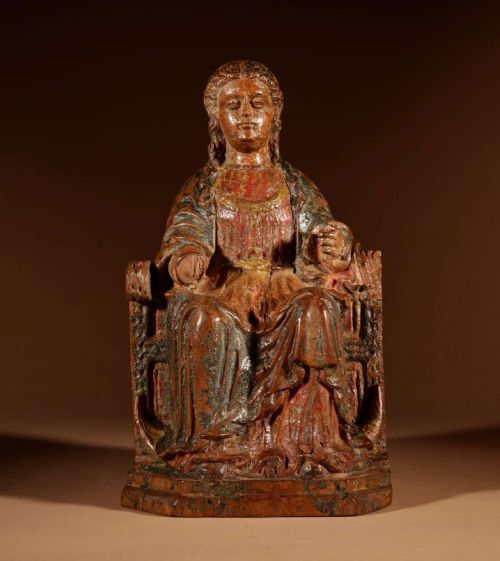
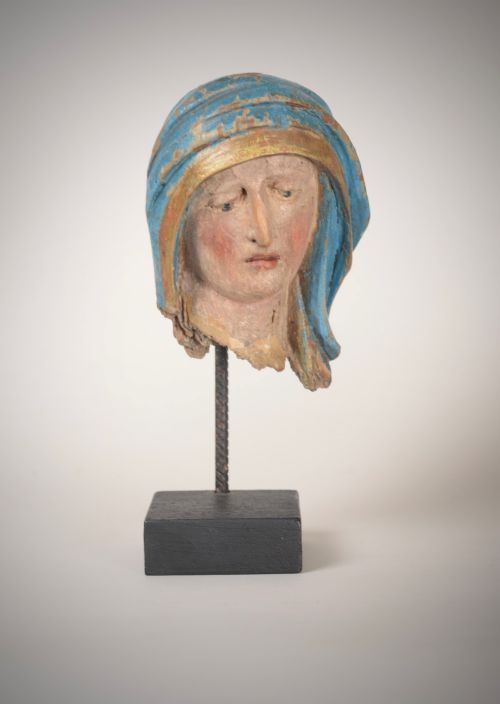
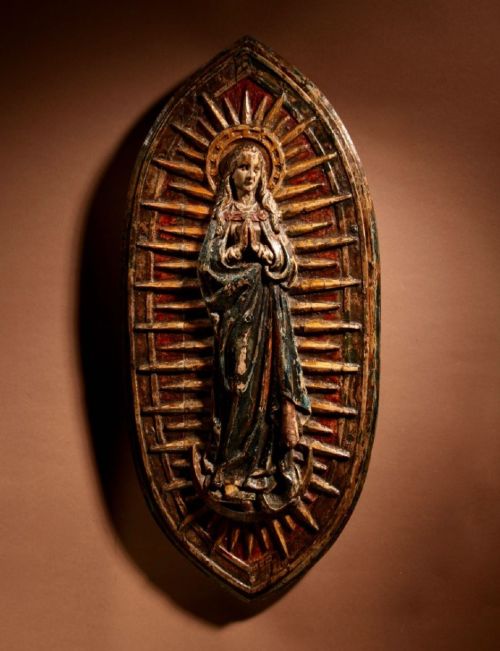
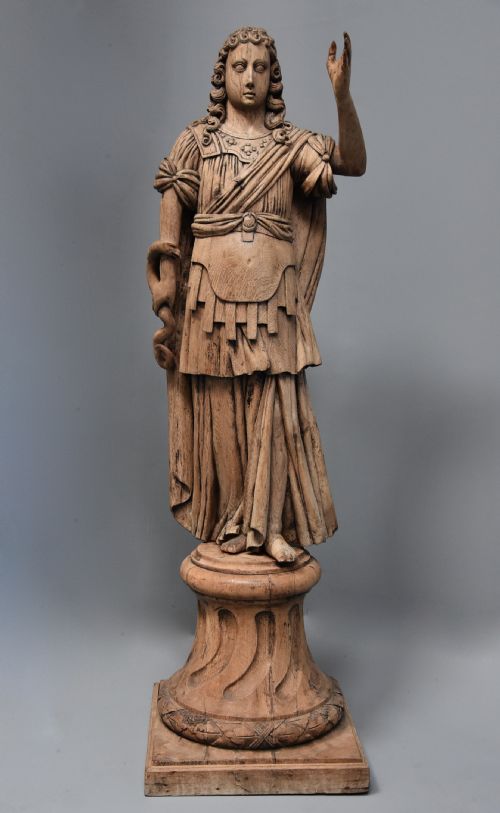
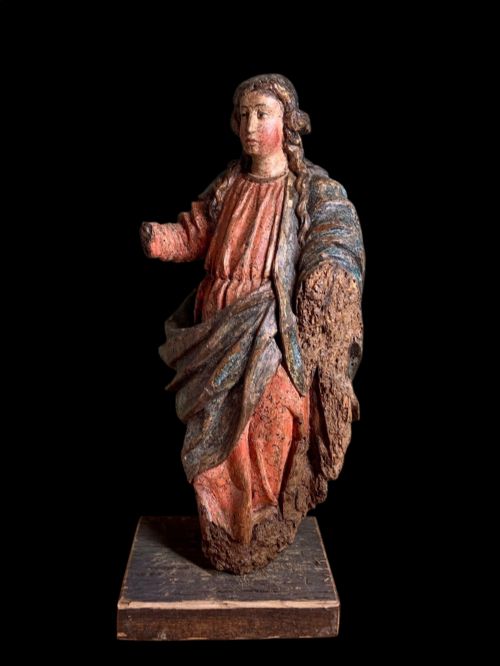
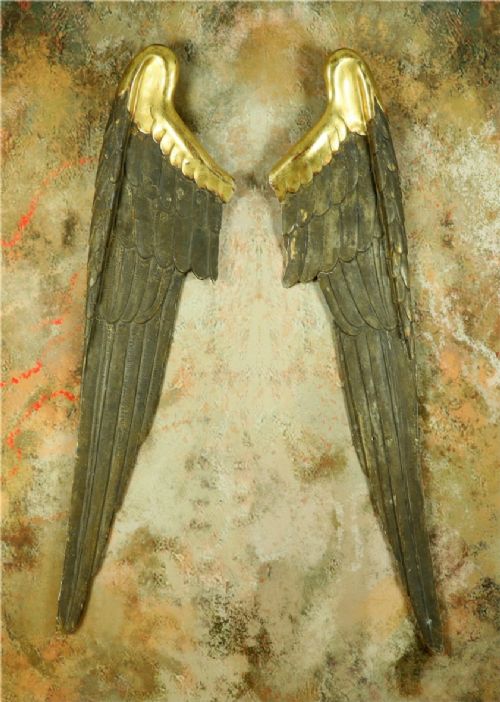
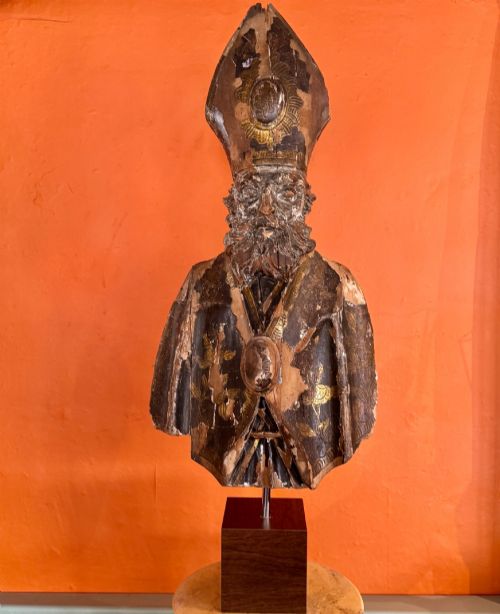
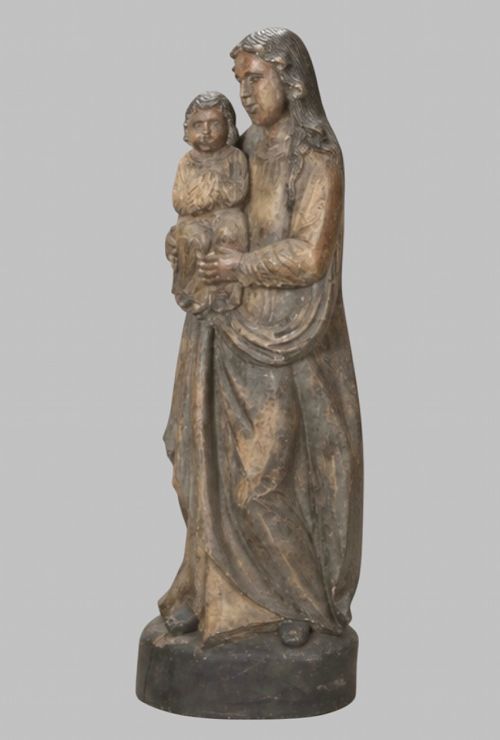
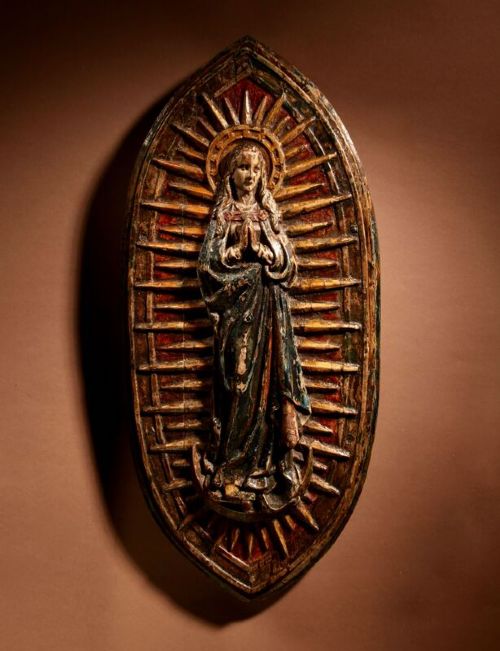
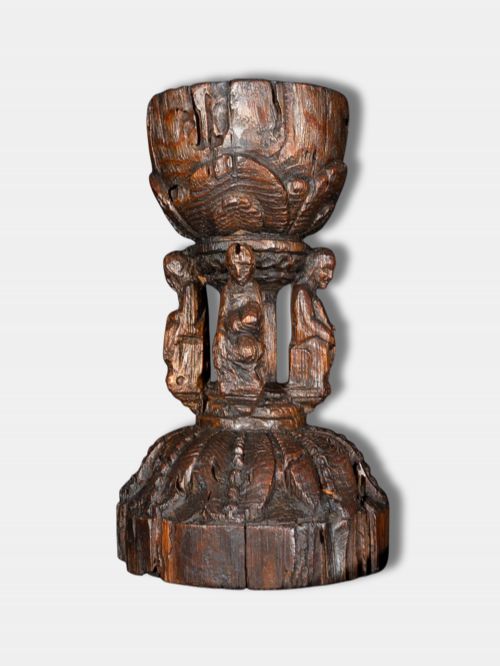
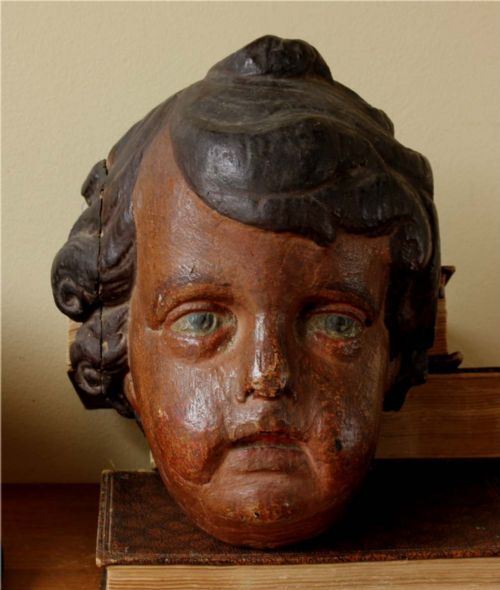
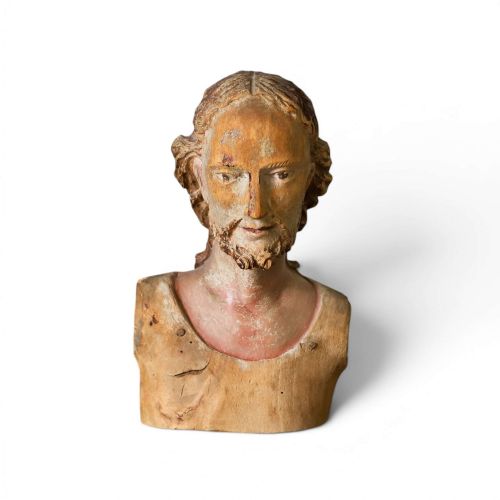
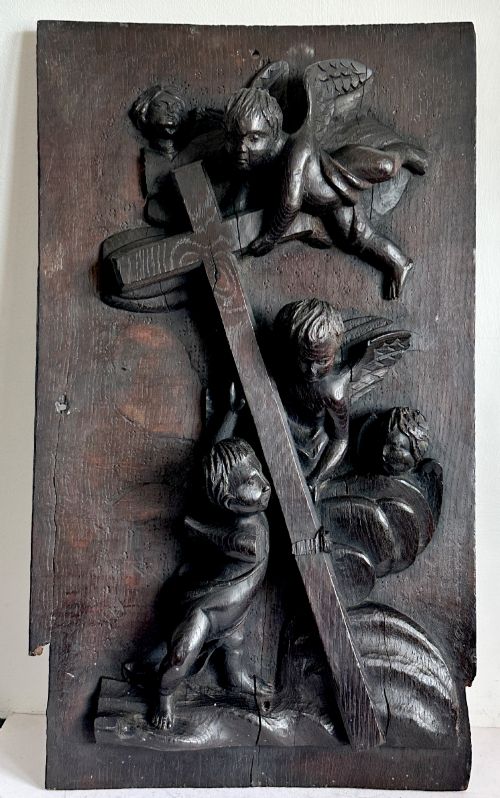
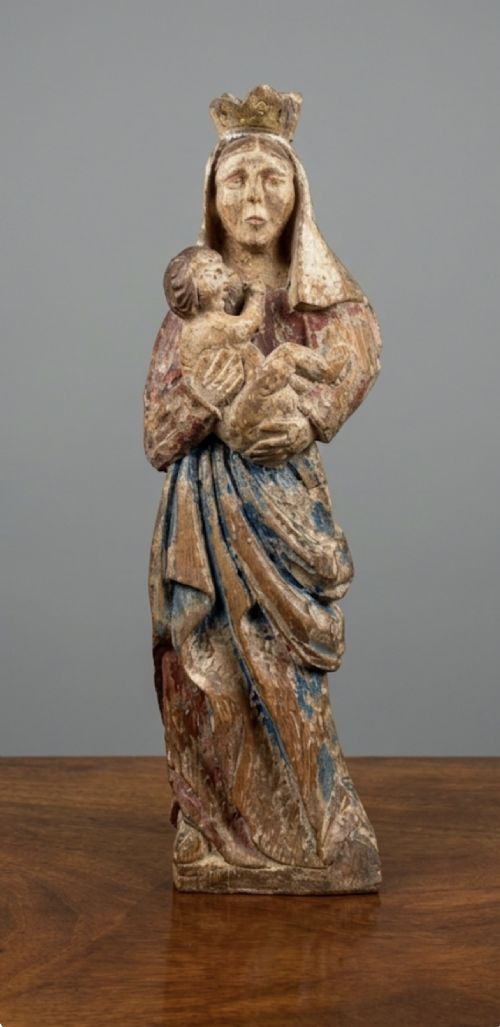
A wooden religious sculpture manifests as devotional figures, altarpiece panels, and life-size saints originating from European and Asian traditions. The selection frequently includes depictions of the Madonna and Child, bishops, and ecclesiastical fragments shaped across the sixteenth through nineteenth centuries.
Buyers encounter Continental oak figures, Italian limewood studies, and Spanish polychrome works alongside Burmese and Asian Buddhas. These objects survive from domestic shrines, churches, and monastic settings, retaining their original architectural or devotional context.
Materials and Technique
Carvers shaped these pieces primarily from dense timbers such as oak, walnut, chestnut, and limewood, allowing for intricate detail work. Artisans frequently applied gesso surfaces to prepare the wood grain for subsequent painting or gilding.
Finishes rely upon polychrome paint and gold leaf layers to delineate vestments, flesh tones, and halos. Many surviving surfaces display the weathered interaction of exposed wood and historical pigment remnants.
The listings span the sixteenth to the twentieth centuries, incorporating oak, limewood, walnut, and gesso.
Assessing the Workmanship
Quality rests upon the sculptural depth and anatomical proportion achieved by the carver within the chosen timber. Master hands render drapery folds that convince the eye of weight and movement, whereas lesser workshop pieces remain rigid and flat.
The survival of original polychrome pigment and gold leaf substantially elevates the integrity of a piece. Retained surface layers preserve the intended visual impact of the ecclesiastical maker.
The Wooden Religious Sculpture Glossary
- Polychrome
- Painted in several colours. This surface treatment brings devotional figures to life with applied pigments.
- Gesso
- A plaster mixture used as a base for paint or gold leaf. It creates a smooth white ground on wooden sculptures.
- Corpus Christi
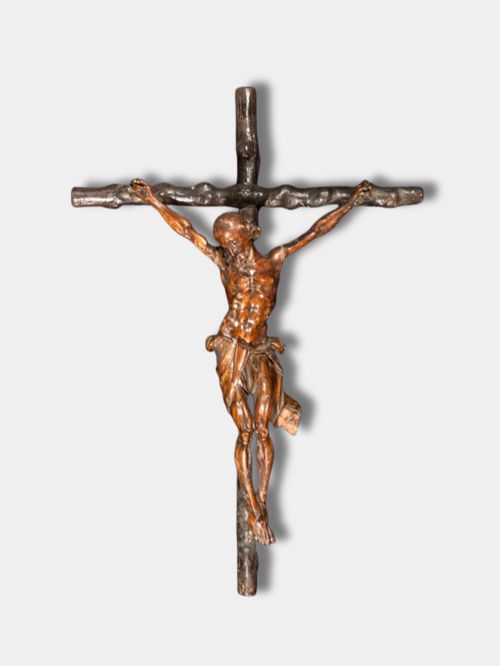
- The body of Christ depicted on a crucifix. These wooden carvings focus upon the physical suffering of the subject.
- Altarpiece
- A structure set above an altar. Central panels often house carved religious figures in high relief.
Wooden Religious Sculpture: Frequently Asked Questions
How do I date an old wooden figure?
Dating relies upon examining tool marks, timber species, and stylistic traits associated with specific centuries like the sixteenth or eighteenth. Tool technology and carving conventions shifted noticeably across these periods.
Secondary evidence such as the composition of underlying gesso layers and the natural ageing of the wood grain provides further chronological indicators.
Where were these sculptures originally displayed?
Many pieces originated inside churches, abbeys, and private domestic chapels as focal points for prayer. Larger life-size figures occupied niches along sanctuary walls or supported architectural altars.
Smaller devotional panels and busts served personal prayer in domestic quarters before entering the collector market.
Should I clean polychrome paint surfaces?
Original painted surfaces require minimal intervention to preserve historical pigments and underlying gesso. Dusting with a soft, dry brush is generally sufficient for maintenance.
Moisture and chemical cleaners damage fragile historical paint layers and should be avoided entirely by owners.
What timber species appear most often?
Oak and limewood dominate European ecclesiastical carving due to their availability and suitability for detailed chisel work. Walnut and chestnut also support significant devotional figures.
Asian traditions utilise regional hardwoods suited to local sculptural styles and environmental conditions.