


16th Century Carving
16th century carving encompasses heavy oak panels, ecclesiastical figures, and robust chests shaped by Renaissance, Gothic, and Tudor hands.
16th Century Carving
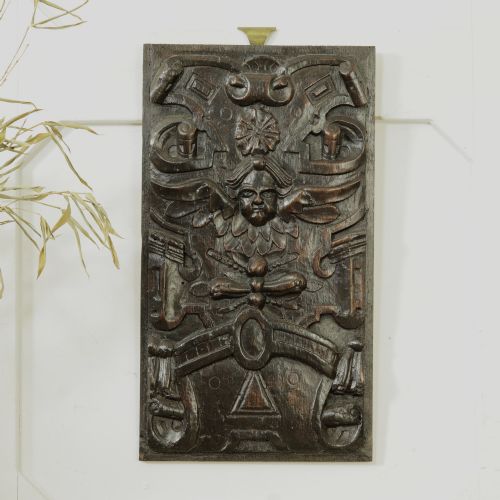
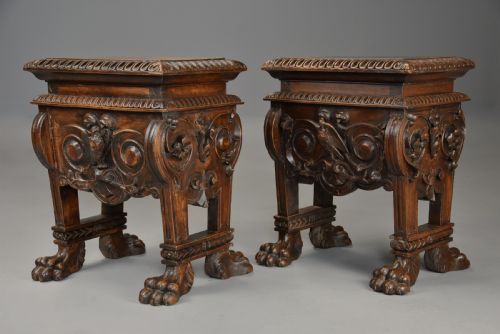
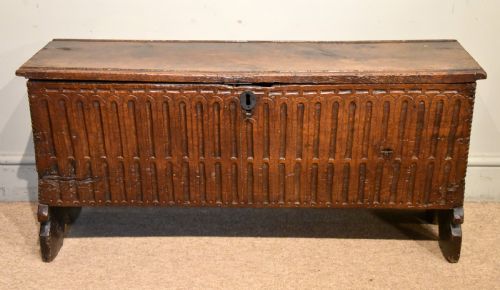
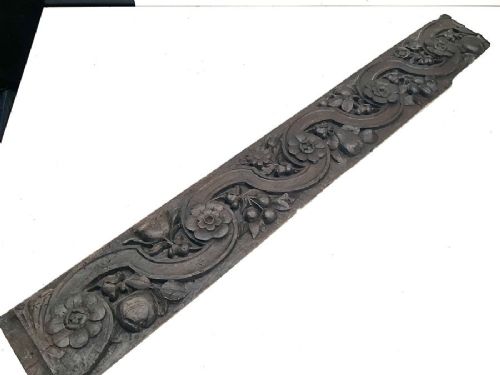
When buyers search for 16th century carving, they encounter structural timber work, religious sculptures, and domestic storage pieces spanning European and Asian workshops. The selection here brings together oak coffers, linenfold panels, and figural sculptures that reflect the prevailing religious and secular motifs of the period.
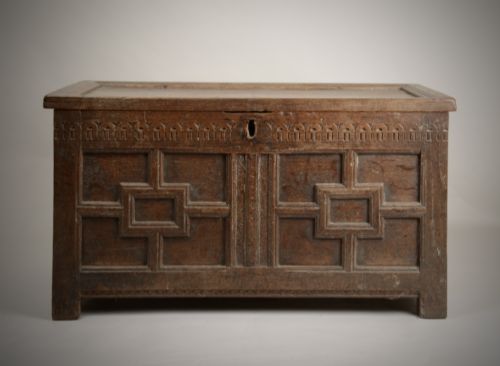
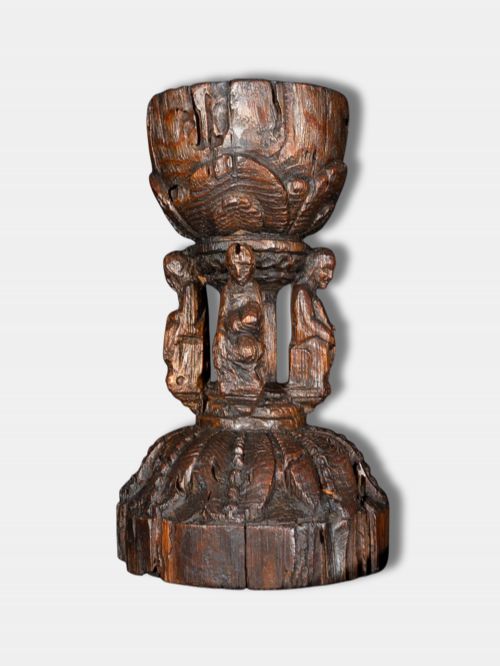
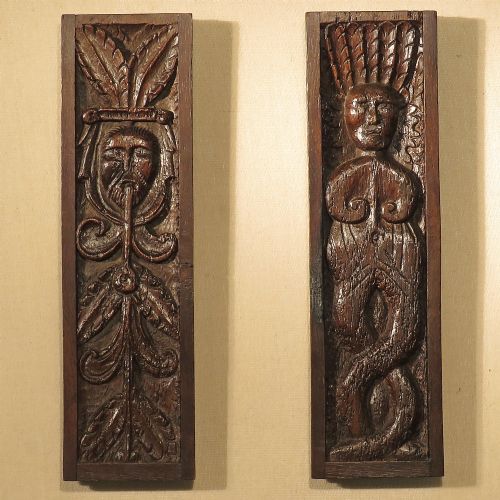
The most common forms on this page are sturdy oak chests and architectural panels, alongside limewood and walnut saintly figures. These items frequently display Tudor, Gothic, or Renaissance styling, ranging from simple plank construction to high-relief theological depictions.
How they were made
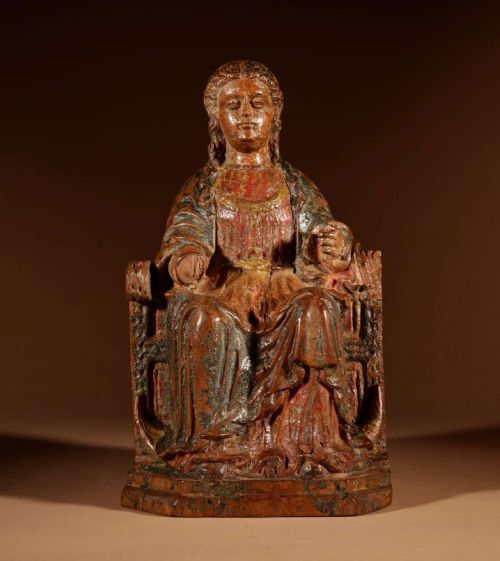
Makers shaped these objects primarily from native hardwoods such as oak and walnut, utilising hand chisels and gouges to produce deep undercutting and sharp relief. Surfaces occasionally retain traces of polychrome paint and gold leaf, applied directly to the timber or gesso ground.
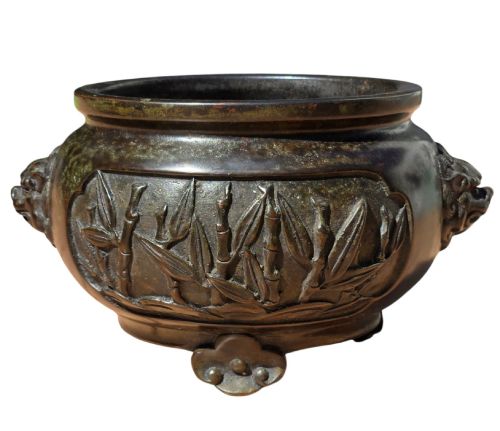
Joinery for larger forms like coffers relied heavily on pegged mortise and tenon frames, while panels were rebated to allow for seasonal wood movement. Bronze and wrought iron components appear in auxiliary metalwork and censers, demonstrating concurrent mastery in foundry casting.
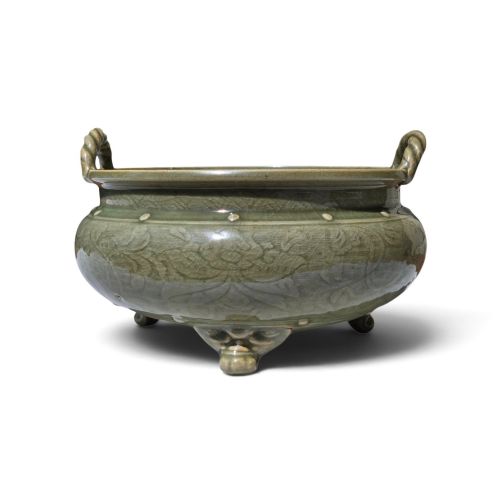
Listings feature oak, walnut, and bronze objects spanning European Renaissance workshops and Ming Dynasty kilns.
What varies in quality
Integrity of surface and originality of timber also dictate standing, with untouched patination and minimal structural replacement commanding greater appreciation. Pieces preserving their original polychrome or integrated ironwork demonstrate higher historical completeness.
The 16th Century Carving Glossary
- Linenfold
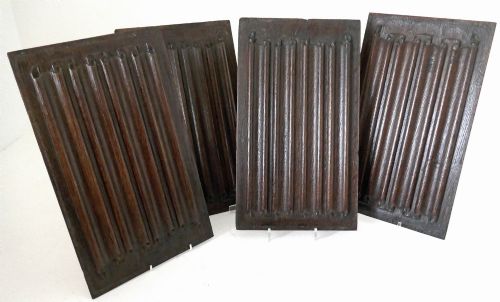
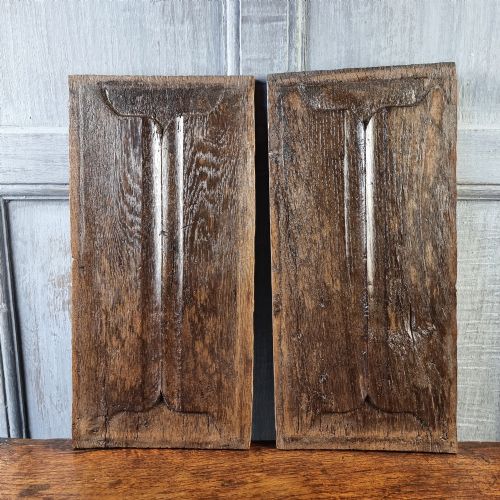
- A style of wood carving used to decorate panels, resembling vertically folded cloth or parchment. It became widely popular on Tudor oak furniture and wall panelling.
- Coffer
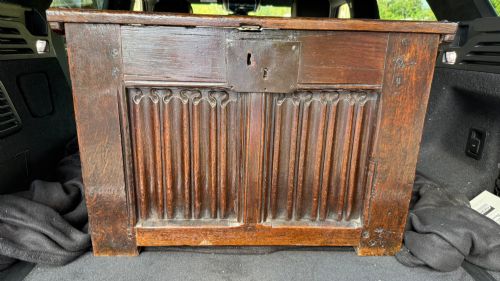
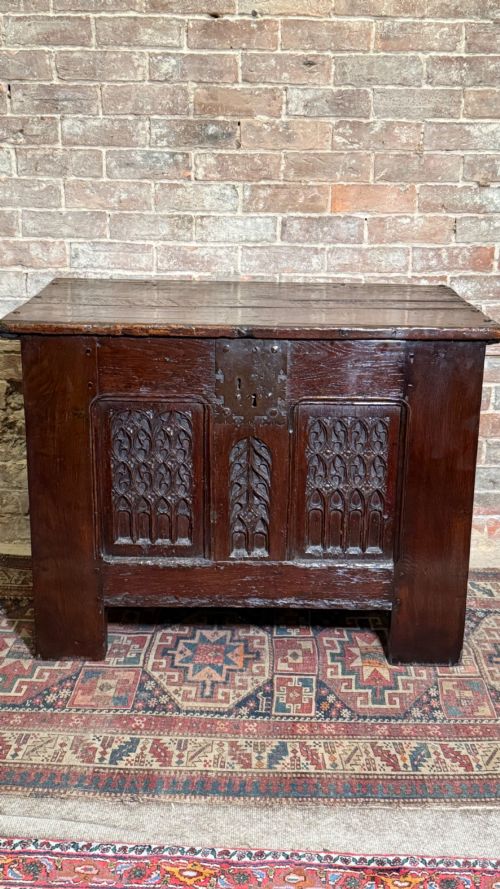
- A large wooden chest used for domestic storage, typically constructed from heavy planks or framed panels. Many examples from this era feature robust iron locks and hinges.
- Polychrome
- The practice of decorating architectural elements or wooden sculptures in multiple colours. Pigments were bound in mediums such as tempera or oil over a prepared ground.
- High-Relief
- A sculptural technique where figures project significantly from the background plane, often appearing almost detached. This method creates strong shadow play and spatial depth.
16th Century Carving: Frequently Asked Questions
What is a linenfold panel?
A linenfold panel is a thin piece of wood carved to imitate folded cloth, commonly fitted into the framework of Tudor chests and wall panelling. This decorative motif dominated domestic interior joinery throughout the sixteenth century.
Craftsmen used specialised moulding planes and gouges to achieve the characteristic vertical rolls of fabric. These panels added architectural texture to otherwise plain furniture surfaces.
How were oak coffers used?
Oak coffers served as secure domestic storage for valuables, documents, textiles, and household provisions. Their sturdy plank and frame construction allowed them to double as benches or tables within the great hall.
Heavy iron locking mechanisms safeguarded contents against theft in both merchant households and noble estates. Their portable nature made them essential furniture for travelling households.
How do I identify a Tudor carving?
Tudor carvings typically display dense native oak construction combined with motifs such as linenfold, naturalistic foliage, and geometric strapwork. The surfaces exhibit the tool marks left by hand chisels rather than mechanical saws.
Proportions tend to be robust and functional, reflecting English domestic vernacular traditions of the period. Secondary woods and modern fixings generally indicate later restoration work.
Why do some sculptures retain paint?
Many sixteenth-century wood sculptures were originally coated in gesso and brightly painted to enhance their visual impact in churches and private chapels. Surviving traces of polychrome pigment reveal the original vibrant appearance before centuries of stripping or wear.
These delicate pigment layers require careful environmental control to prevent flaking off the wooden substrate. Finding authentic remaining colour is exceptionally desirable for collectors.