


Antique Wooden Chalice
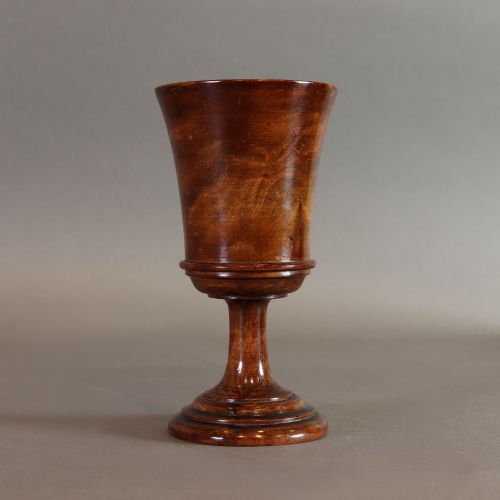
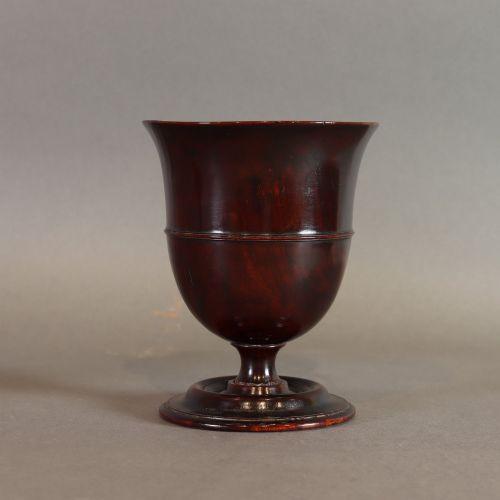
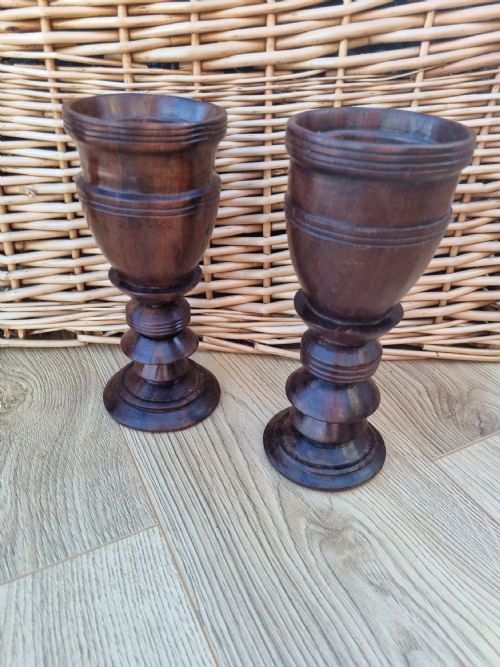
An antique wooden chalice is a turned or carved vessel shaped for ritual or display, prized for its tactile warmth and historic timber.
Antique Wooden Chalice
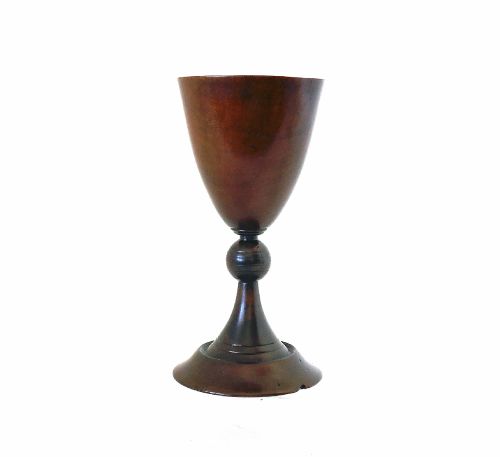
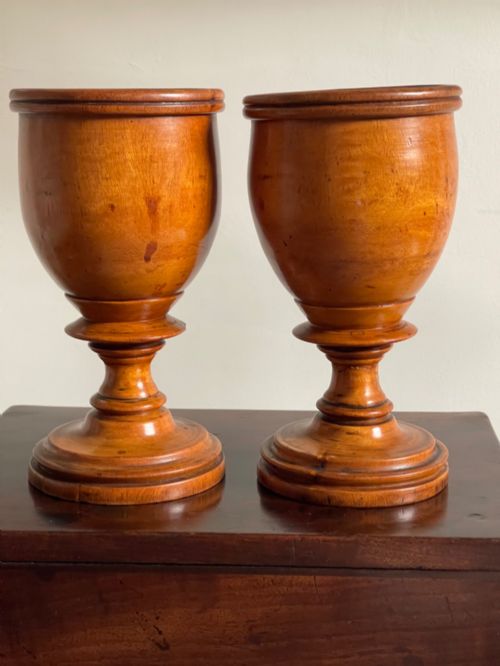
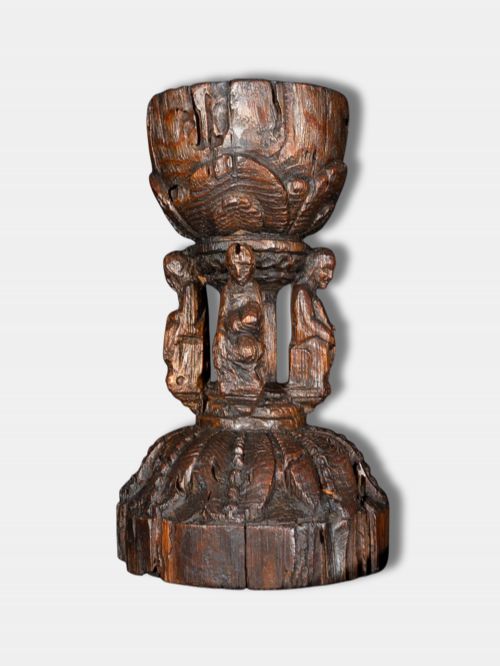
An antique wooden chalice spans several centuries of turning and carving traditions, appearing in forms such as pedestalled goblets, lidded chalices, and tazze. You are most likely to encounter nineteenth-century turned examples alongside earlier walnut and oak vessels.
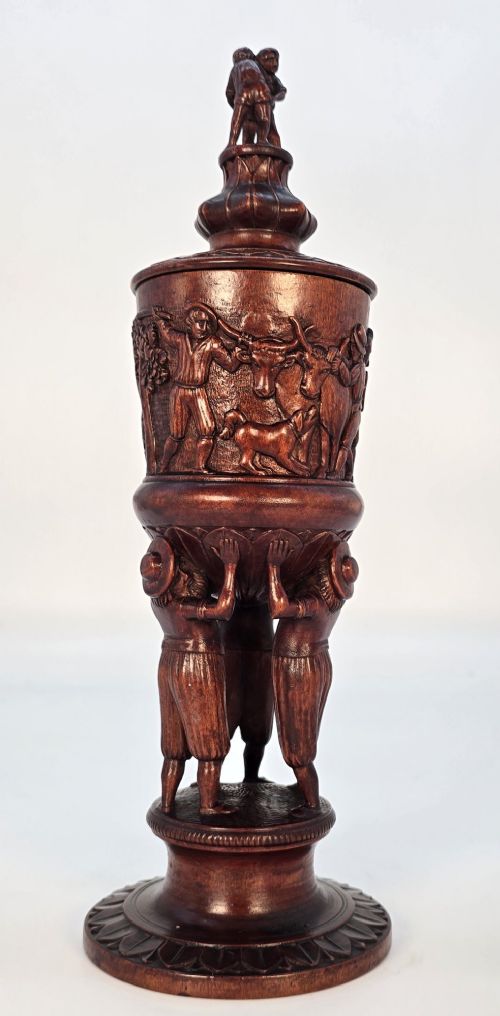
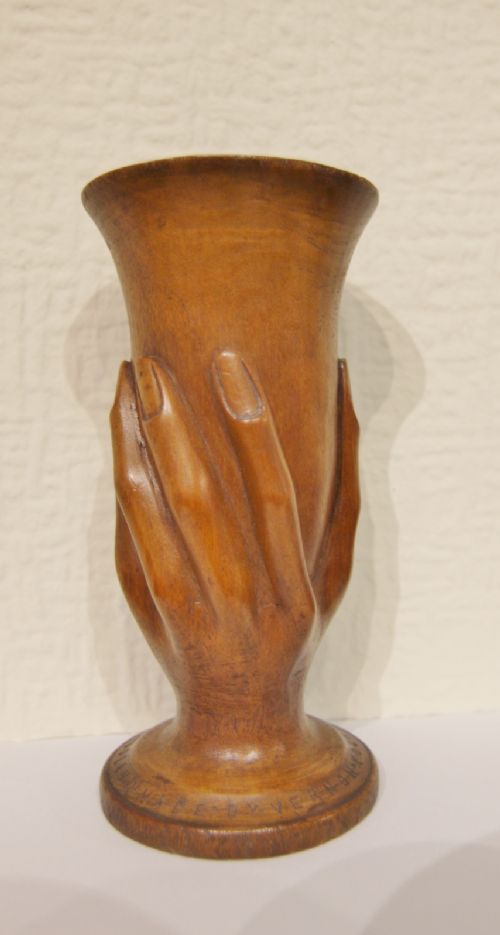
These items sit firmly within the realm of treen and decorative objects, ranging from utilitarian drinking vessels to heavily carved Renaissance revival display pieces. Their origins stretch from English workshops to Swiss and Italian hands.
Collectors seek out these chalices for their material honesty and the distinct character imparted by decades of handling. Each piece records the timber's grain and the turner's skill in a way metal or ceramic cannot replicate.
Materials and construction
Turners shaped these vessels on a lathe using dense, characterful hardwoods such as walnut, oak, fruitwood, and lignum vitae. The choice of timber determined both the weight in the hand and the crispness of any turned detail.
Carved details often accompanied the turning, particularly in Swiss Brienz and Italian Renaissance revival pieces where walnut and oak took deep relief work. Artisans selected woods like plum and specimen timbers for their distinct colour and grain patterns.
Antique Wooden Chalice Retail Price Guide 2026
Typical asking prices for wooden chalice among the pieces listed under this phrase on Sellingantiques today, from the lower quarter to the upper quarter. They describe what is for sale here now, not the wider market.
Listings feature woods such as walnut, oak, lignum vitae, fruitwood, plumwood, and diverse specimen timbers.
Judging quality in turned treen
Quality rests upon the balance of the proportions and the crispness of the turning lines, where a confident hand leaves subtle tool marks rather than a lifeless polish. The choice of timber also dictates standing, with dense lignum vitae or figured walnut holding greater appeal than plain domestic woods.
The integrity of the timber and the depth of the carving separate standard turned objects from exceptional works. Surface wear should feel soft and consistent, showing age without masking the original profile of the bowl and stem.
The Antique Wooden Chalice Glossary
- Treen
- Small handmade wooden household objects. These items were turned or carved for daily or decorative use.
- Lignum Vitae
- A dense, heavy wood historically used for turned vessels. Its natural oils yield a dark, lustrous finish when polished.
- Fruitwood
- Timber derived from fruit-bearing trees such as pear or plum. Turners valued it for a tight grain that held fine detail.
Antique Wooden Chalice: Frequently Asked Questions
What is an antique wooden chalice used for?
These vessels served various functions ranging from domestic drinking goblets to ecclesiastical display objects and decorative centerpieces.
Over time, many transitioned purely into decorative treen collected for their craftsmanship and historic timber.
How do I date an old wooden chalice?
Dating relies on identifying the timber species, tool marks left by the lathe, and stylistic cues from periods like the Georgian era or Renaissance revival.
Comparing the turning profile with dated examples helps narrow the decade of manufacture.
How should I care for historic treen?
Keep wooden chalices away from direct sunlight and sudden humidity changes to prevent the timber from splitting or warping.
An occasional application of microcrystalline wax helps nourish the dry grain without building up a sticky residue.