


Antique Wooden Goblet
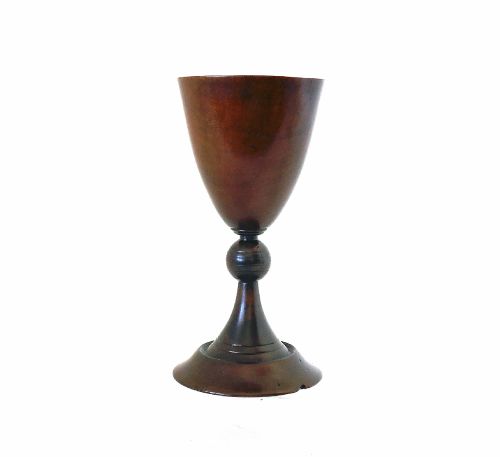
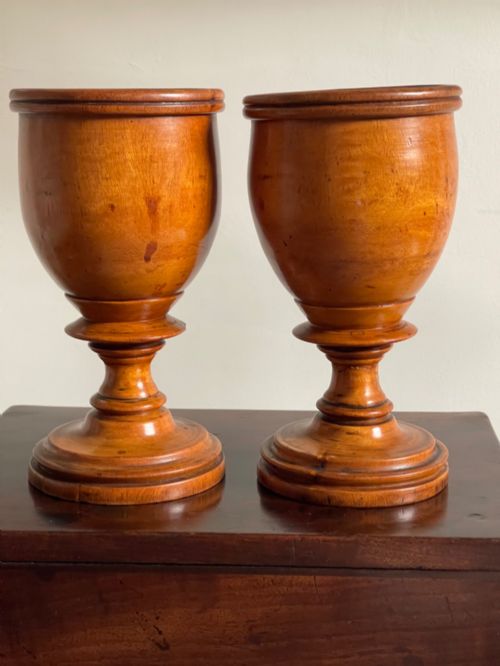
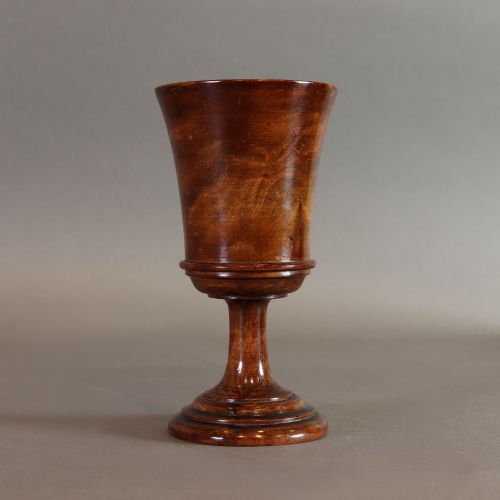
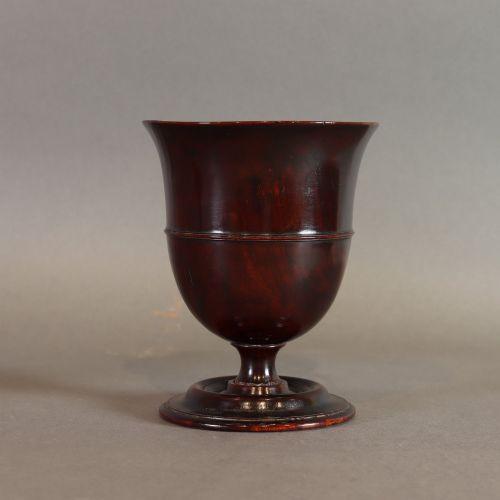
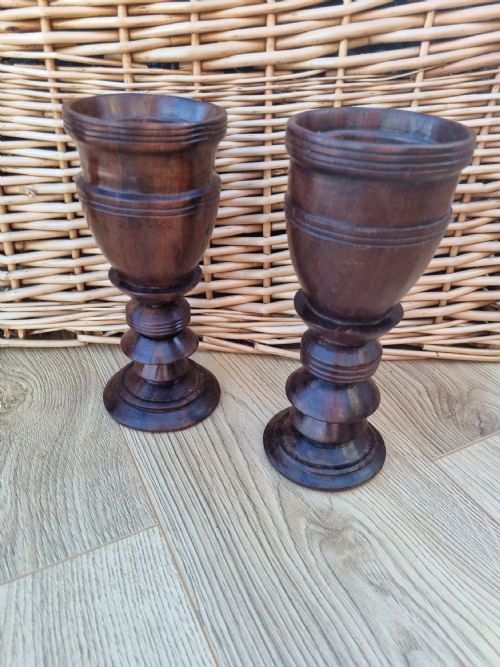
These antique wooden goblet examples are turned and carved treen vessels shaped for display rather than the table, prized for their rich timber patina.
Antique Wooden Goblet
When you search for an antique wooden goblet, you encounter turned treen vessels originating from the sixteenth century through to the early twentieth century. The selection ranges from domestic fruitwood and walnut drinking vessels to decorative Swiss carved walnut chalices and specimen wood pieces.
Most items you meet on this page belong to the eighteenth and nineteenth centuries, taking the form of pedestal goblets or lidded chalices. Makers utilised various native and exotic timbers to fashion these decorative objects, often categorising them under treen or folk art.
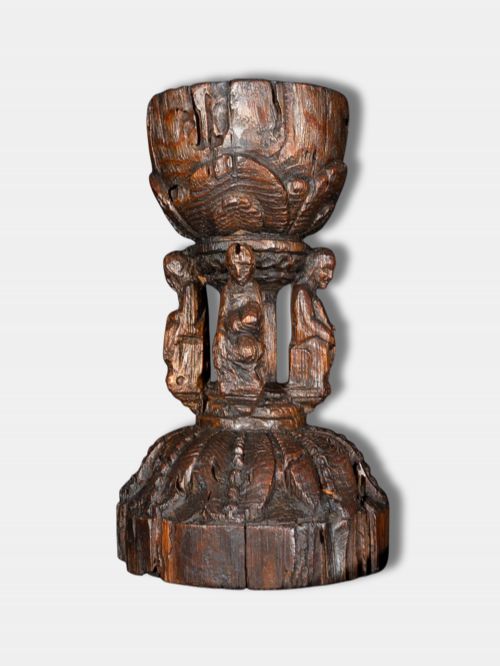
Forms span from simple George III turned drinking vessels to elaborate Italian Renaissance carved oak chalices and Arts and Crafts specimen wood creations. Each piece reflects the turning and carving traditions of its specific period, from Georgian simplicity to Victorian ornamentation.
Materials and construction
Turners shaped these vessels on a lathe using dense hardwoods such as lignum vitae, walnut, fruitwood, yew wood, plum wood, and oak. The natural grain of the timber dictates the surface character, enhanced by decades or centuries of handling.
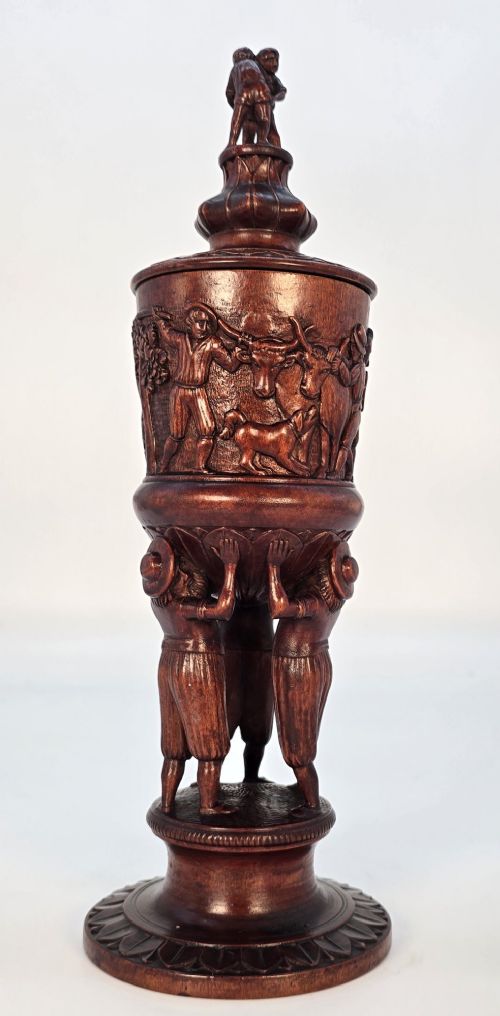
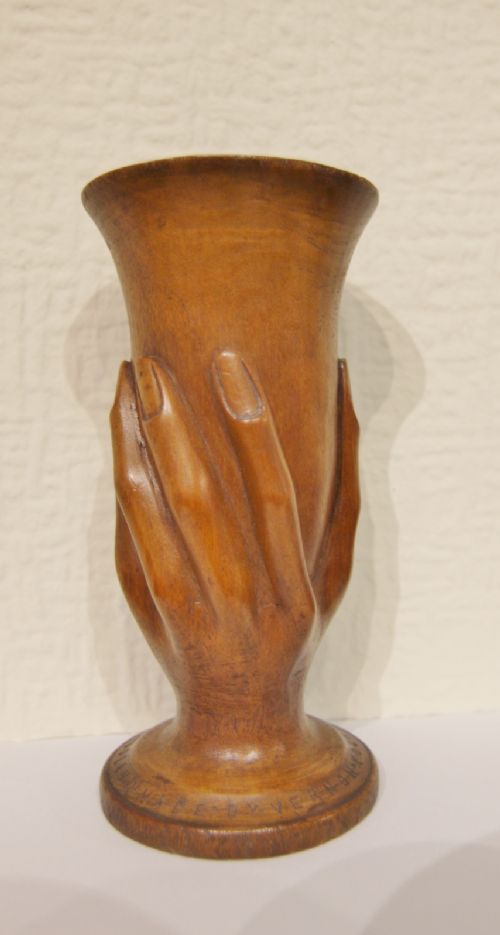
Carved examples, particularly Swiss Brienz work and Italian Renaissance pieces, demonstrate intricate hand-carving techniques applied to walnut and oak. Turned pedestal goblets rely on precise lathe work to achieve balanced proportions, slender stems, and stable bases.
Antique Wooden Goblet Retail Price Guide 2026
Typical asking prices for wooden goblet among the pieces listed under this phrase on Sellingantiques today, from the lower quarter to the upper quarter. They describe what is for sale here now, not the wider market.
Periods represented span from sixteenth-century Italian Renaissance work through Georgian and Regency eras to late nineteenth-century Arts and Crafts.
Judging quality and character
Quality rests in the crispness of the turning, the selection of the timber, and the preservation of the original surface patina. Dense, heavy woods like lignum vitae and well-figured walnut display superior grain definition compared to plain, softer timbers.
The sophistication of the form distinguishes standard domestic treen from exceptional decorative objects. Finely carved details on Swiss chalices or Italian Renaissance vessels elevate a piece above basic utilitarian turning.
The Antique Wooden Goblet Glossary
- Treen
- Small handmade wooden objects for domestic or decorative use. The word derives from the old English word for tree.
- Lignum vitae
- A dense, heavy exotic hardwood prized by turners for its durability and oily nature. It frequently shows a rich, dark greenish-brown tone.
- Fruitwood
- A generic term for timber from fruit-bearing trees such as apple, pear, or plum. Turners favoured these woods for their fine, even grain.
- Pedestal goblet
- A drinking vessel raised on a distinct stem and foot. In antique treen, these served decorative display purposes.
- Specimen wood
- An object constructed from multiple different timber species to display contrasting colours and grain patterns. This technique became popular during the Arts and Crafts period.
Antique Wooden Goblet: Frequently Asked Questions
What were antique wooden goblets used for?
Most antique wooden goblets functioned as decorative objects or display pieces rather than practical drinking vessels. Their delicate turned stems and dense woods made them unsuited for regular liquid use.
Over time, collectors and owners prized them as cabinet pieces or mantle ornaments, appreciating the warmth and grain of the timber.
How do I care for wooden treen?
Keep wooden vessels away from direct sunlight, radiators, and rapid temperature changes that cause the timber to split. Avoid harsh cleaning products or soaking the wood in water.
A light application of appropriate wax occasionally helps maintain the dry lustre of the surface without building up a heavy residue.
How can I tell the period of a goblet?
Dating relies on observing the turning style, timber choice, and tool marks left on the underside of the base. Georgian pieces often show simpler, classic proportions while Victorian and Arts and Crafts items display more complex carving or multi-wood construction.
Comparing the patina and wear patterns with documented examples from specific eras provides further confirmation.
What is Swiss Brienz carving?
Swiss Brienz carving originates from a renowned woodcarving centre in Switzerland active during the nineteenth century. Artisans there specialised in deeply carved walnut objects featuring naturalistic motifs, animals, or foliage.
Pieces from this tradition display high levels of sculptural detail distinct from standard English lathe-turned treen.