

Antique Wooden Urn
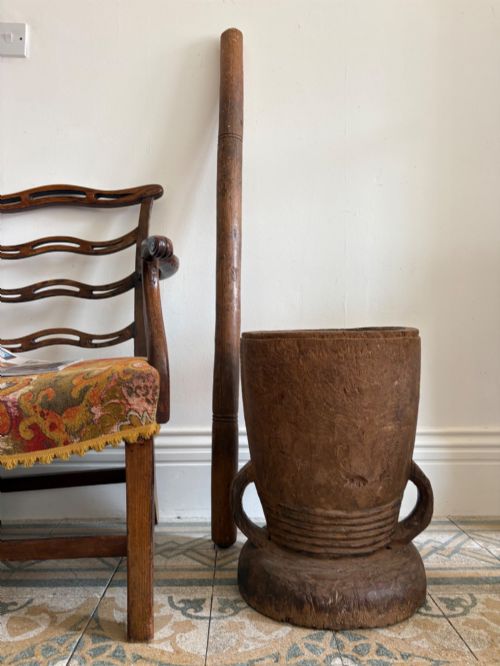
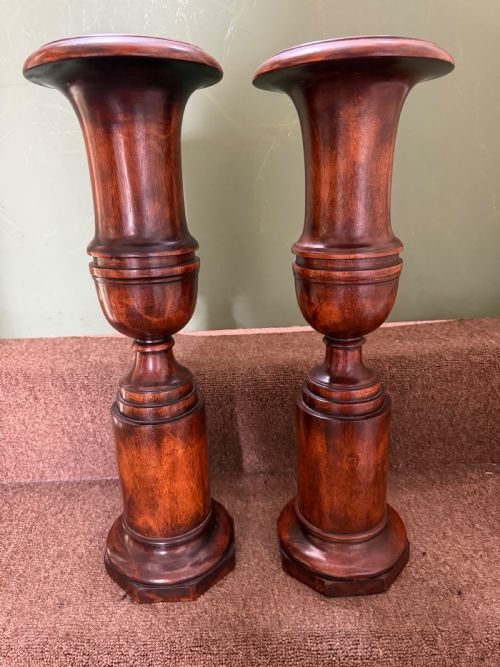
An antique wooden urn brings sculptural dignity to a room, offering classical form and rich timber grain in designs spanning several centuries.
Antique Wooden Urn
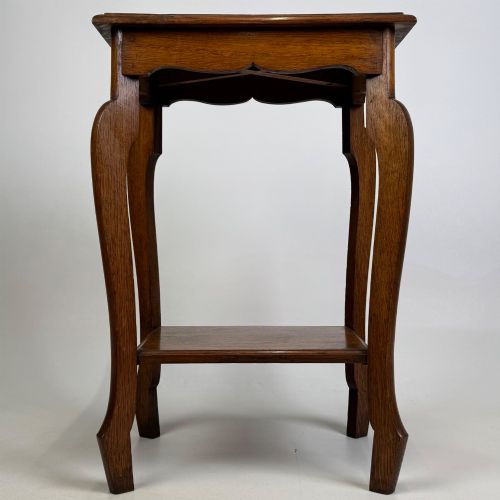
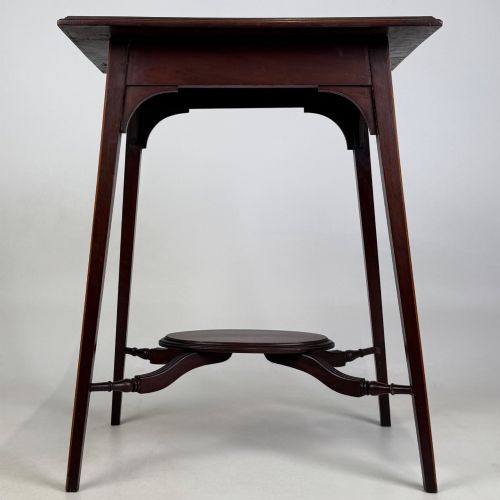
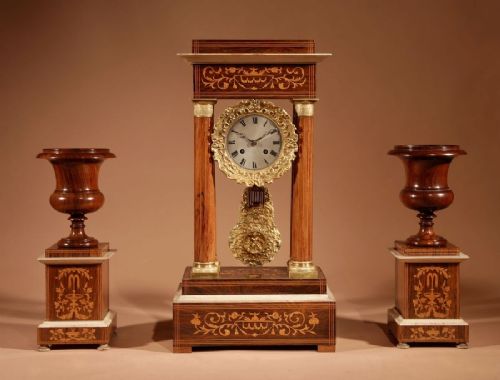
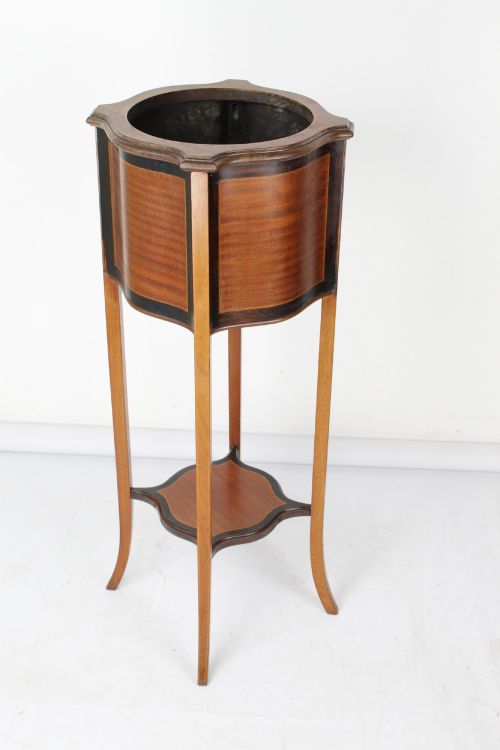
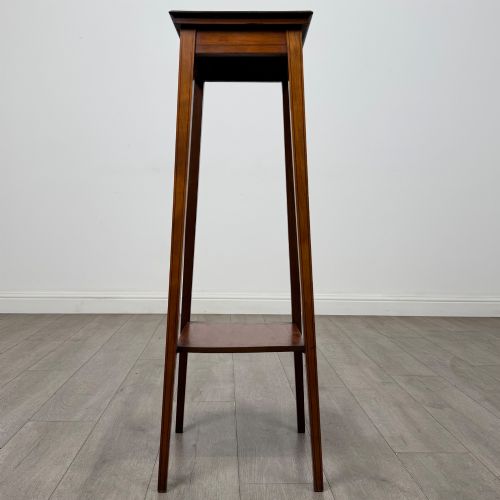
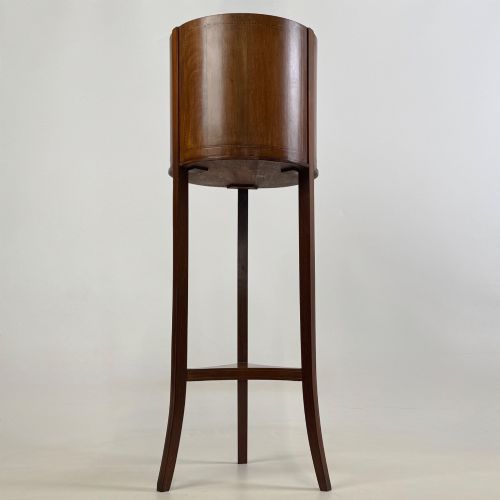
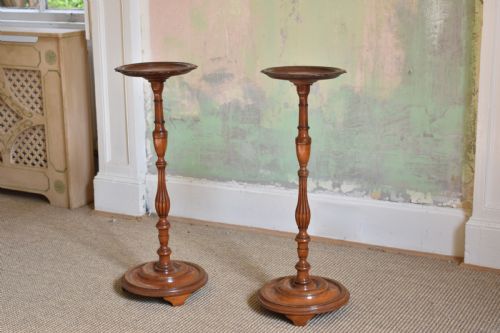
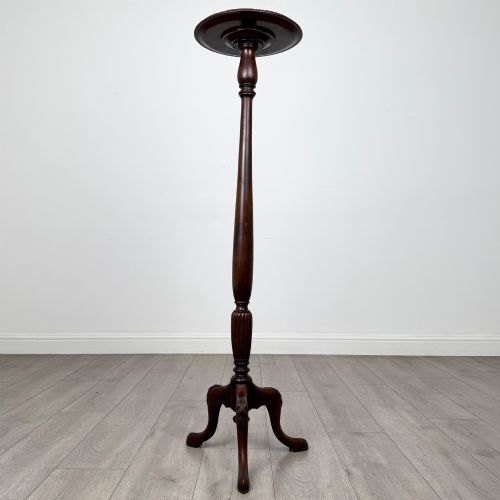
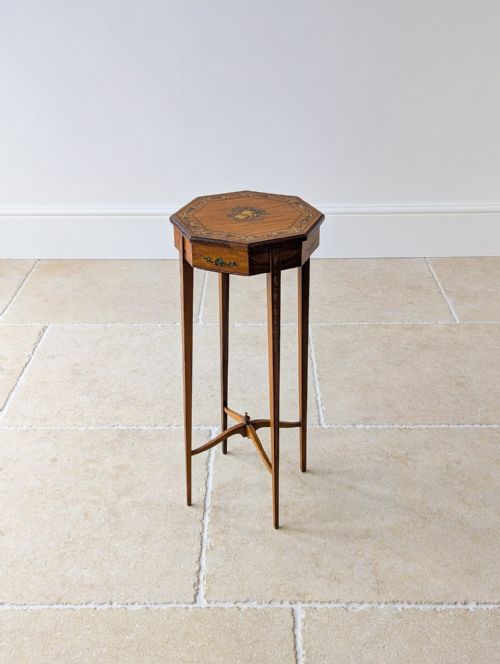
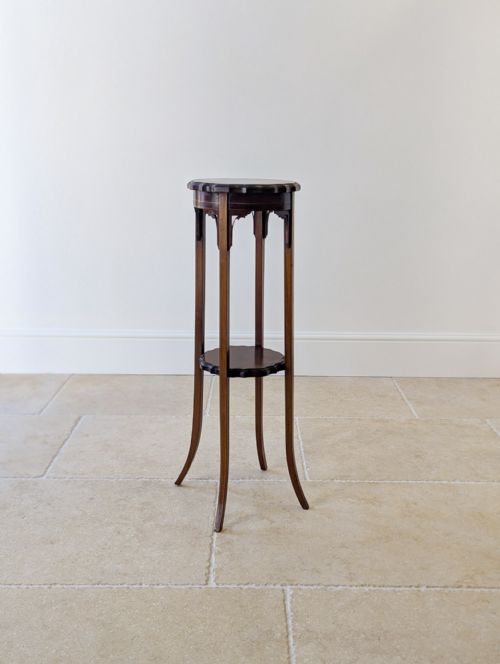
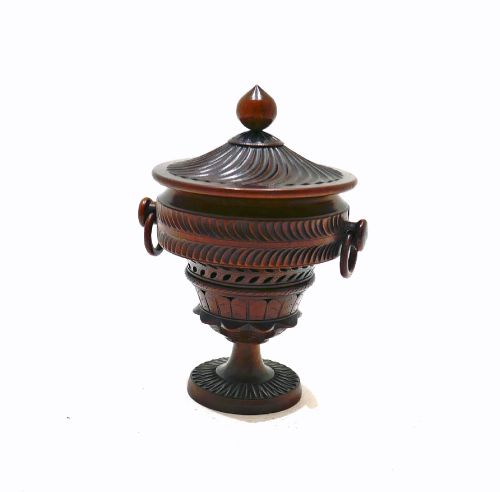
When searching for an antique wooden urn, buyers encounter pieces ranging from decorative lidded vessels and chalices to tall torcheres, plant stands, and specialised tea or kettle tables.
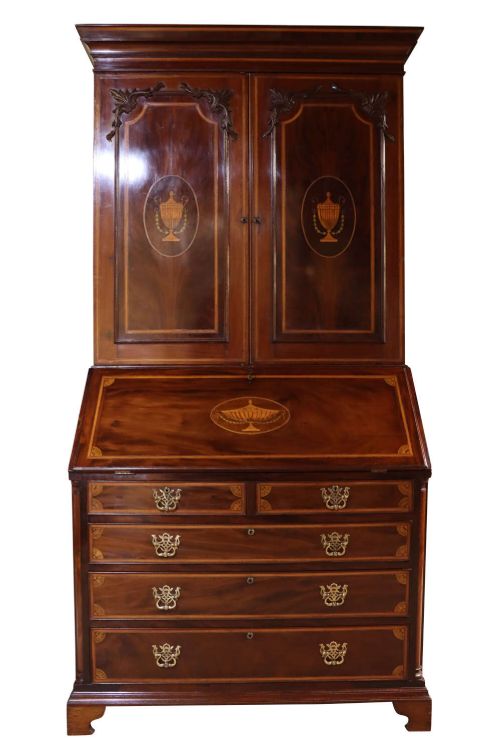
The selection includes Georgian mahogany urn stands, Edwardian satinwood pieces, and turned walnut examples influenced by neo-classical design.
Makers and origins stretch from English workshops to continental Europe and Asia, utilising various hardwoods and fruitwoods across the eighteenth, nineteenth, and early twentieth centuries.
Materials and Technique
Craftsmen utilised timbers such as mahogany, walnut, satinwood, and fruitwood, often turning them on a lathe to achieve smooth, symmetrical profiles for vases, columns, and stands.
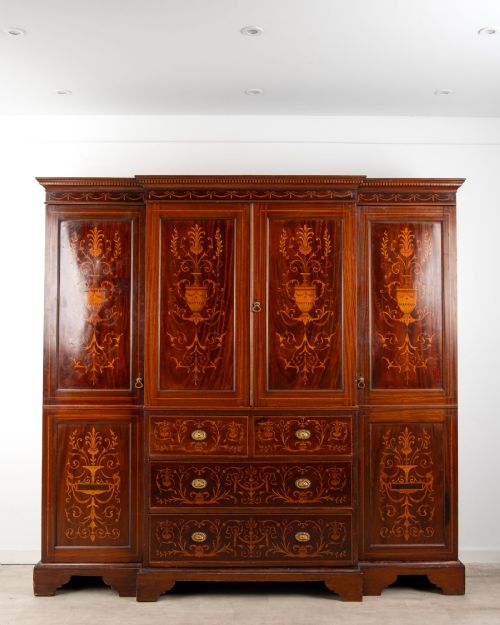
Many items incorporate delicate inlay, marquetry, and brass detailing, combining structural joinery with surface ornamentation characteristic of Georgian and Edwardian cabinetmaking.
Materials represented include mahogany, walnut, satinwood, boxwood, and various other hardwoods and fruitwoods.
Judging Quality
Quality rests upon the crispness of the turning, the selection of timber figures such as flame mahogany or figured walnut, and the precision of any marquetry inlay.
Pieces from established London retailers or identified makers exhibit superior joinery, stability in structural columns, and well-preserved original patination.
Druce and Co London·Edwards and Roberts·Liberty of London·Shoolbred
The Antique Wooden Urn Glossary
- Torchere
- A tall, slender stand designed to support a lamp, candleholder, or decorative vessel.
- Marquetry
- Decorative veneer work arranged in pictorial or geometric patterns using various coloured woods.
- Treen
- Small handmade wooden household objects and utensils, valued for their tactile qualities and age.
- Turned
- Shaped on a rotating lathe using cutting tools to create rounded, symmetrical wooden components.
Antique Wooden Urn: Frequently Asked Questions
What were antique wooden urns used for?
Many served as decorative ornamental items or architectural elements within a room, while related forms like kettle stands and torcheres functioned to hold tea equipment or lighting.
Over time, their roles shifted from practical household accessories to purely decorative display pieces highlighting cabinetmaking skills.
How do I date an antique wooden urn?
Dating relies on identifying the prevailing style, such as Georgian neo-classical or Edwardian satinwood revival, alongside the specific timber species and construction methods used.
Examining the turning techniques and any maker marks or stamps provides further clues to the period of origin.
How should I care for wooden urns and stands?
Maintain the timber by keeping pieces away from direct heat sources and sudden humidity changes to prevent wood splitting or veneer lifting.
Regular dusting with a soft, dry cloth preserves the natural surface sheen without the need for heavy chemical polishes.