


18th Century Yew
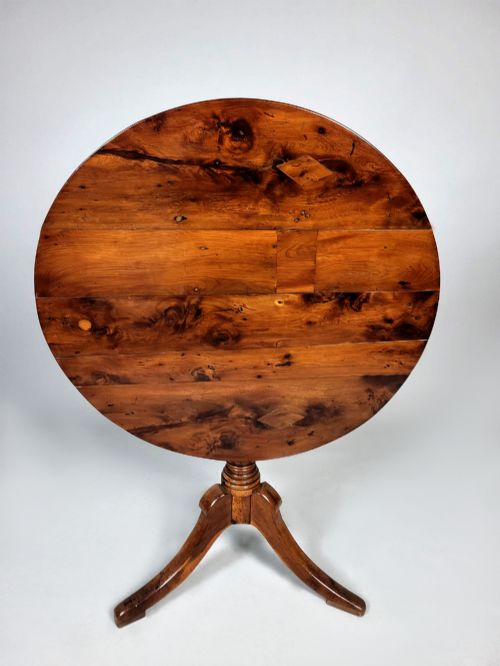
18th century yew brings together figured English timber and vernacular furniture forms, offering the buyer rich golden grain and deep patination.
18th Century Yew
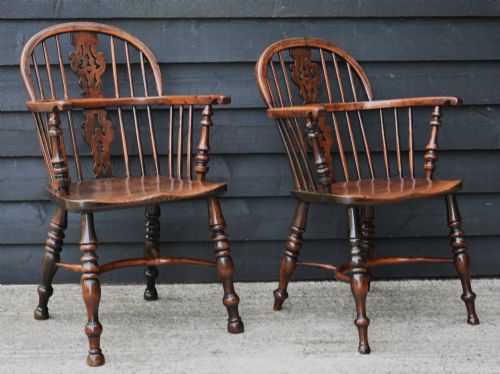
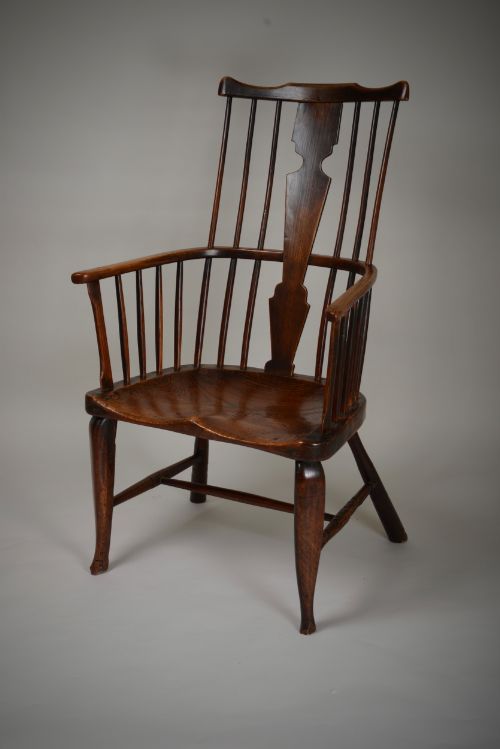
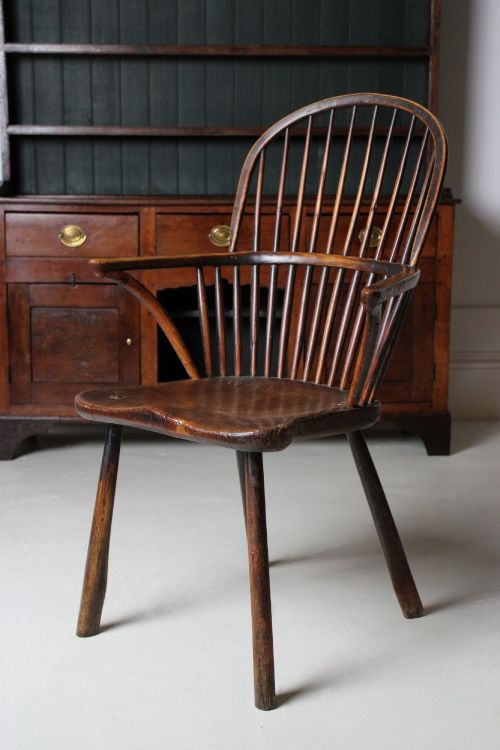
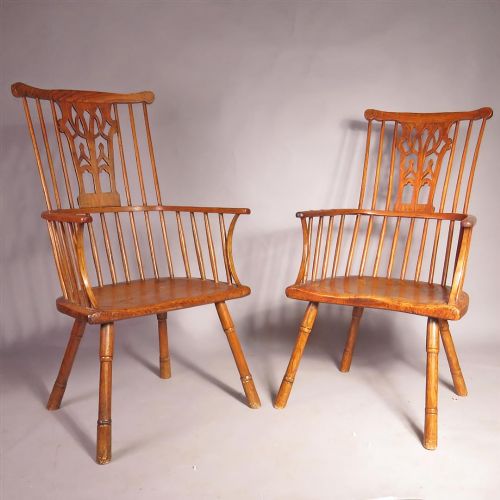
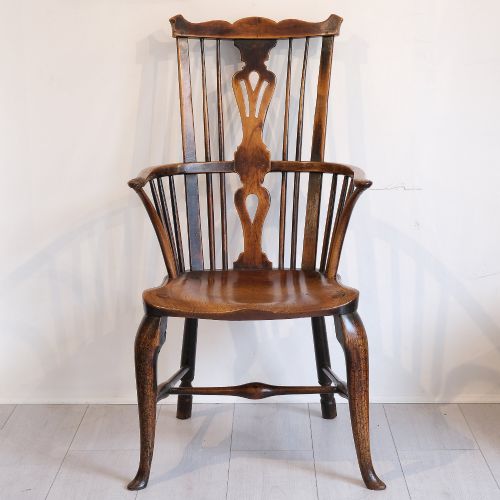
18th century yew encompasses seating, tables, and cabinetry produced during the Georgian period across English regional workshops. Windsor armchairs in comb back and low back designs dominate the seating forms, frequently paired with elm seats.
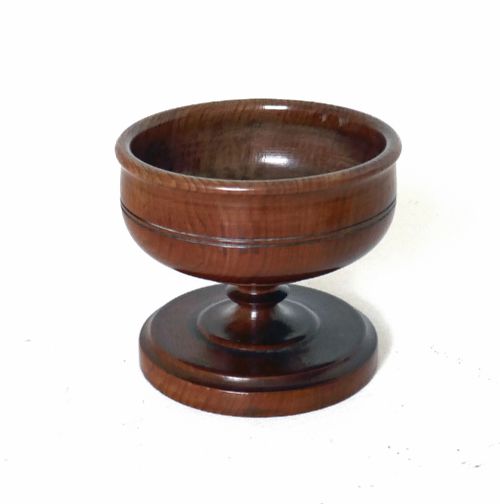
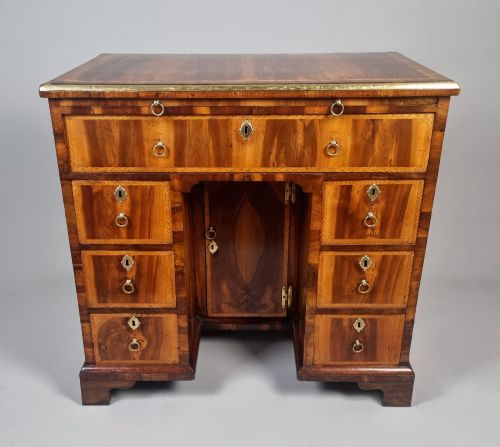
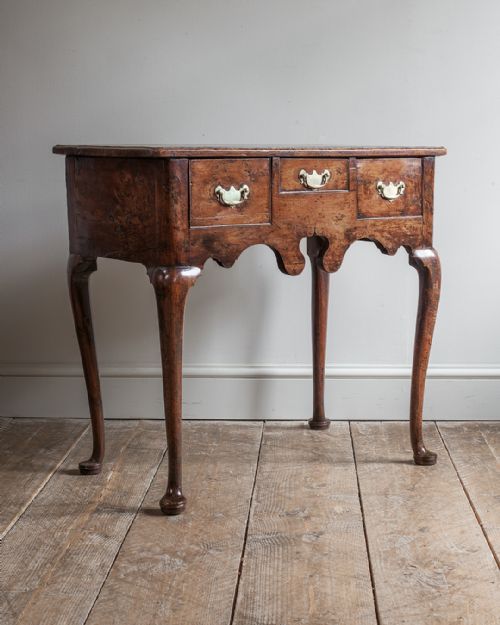
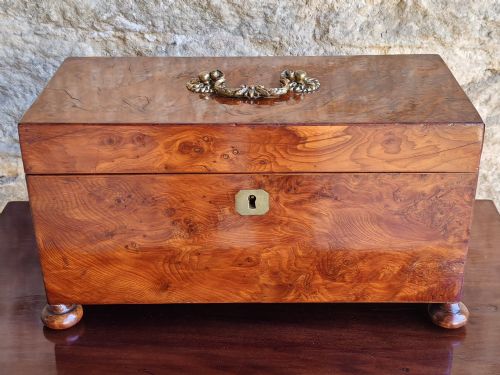
Case furniture ranges from lowboys and chests of drawers to bureau bookcases and Pembroke tables. Regional vernacular makers utilised native timber for domestic utility items including tea caddies, treen, and dressing mirrors.
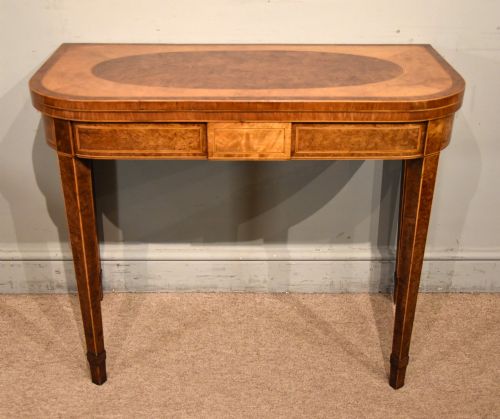
English country and Thames Valley traditions supply the majority of the vernacular forms, alongside occasional French provincial and Italian examples in the archive. Cabinet makers also applied burr yew veneers to sophisticated George III commodes and card tables.
Materials and Technique
Cabinet makers and turners combined solid yew with elm, ash, oak, and fruitwood to construct regional seating and tables. Burr yew veneers were sliced to display complex knot clusters on tea caddies, card tables, and commodes.
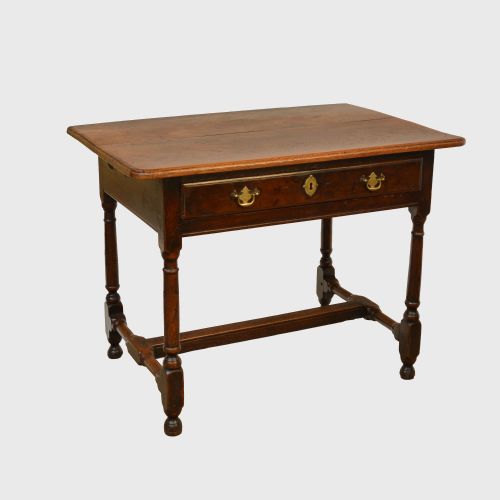
Joinery methods include traditional frame and panel construction for cupboards, dovetailing for drawer construction, and spindle turning for Windsor chair legs and comb backs. Brass handles, escutcheons, and original brasses secure secondary drawer fronts and doors.
Makers occasionally utilised discarded fruitwood and laburnum branches alongside yew to complete the undercarriages of primitive country armchairs.
Assessing the Pieces
The visual appeal of 18th century yew relies heavily on the depth of the timber's natural grain and the warmth of the surface patination. Grain configuration ranges from straight-grained planks to dense, highly figured burr patterns on elite cabinet pieces.
Structural integrity depends on the retention of original components, such as turned legs, spindles, stretchers, and brass hardware. Regional variations in seating design, from basic vernacular sticks to elaborate cabriole leg Windsor forms, dictate the degree of sculptural refinement.
John Brand of Sleaford·Rockley Maker
The 18th Century Yew Glossary
- Comb back
- A Windsor chair design where the central vertical spindles extend upwards into a horizontal crest rail resembling the teeth of a comb.
- Lowboy
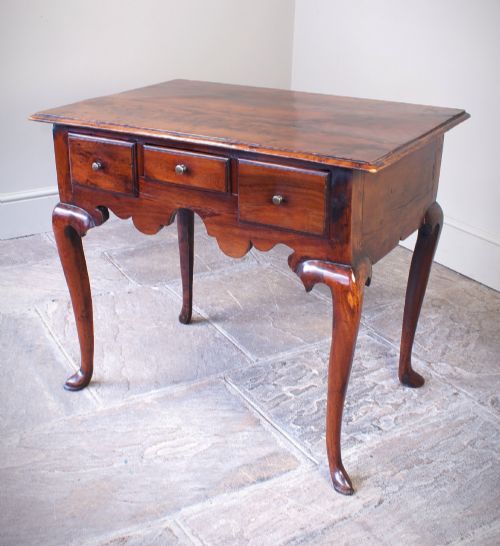
- A small side table or dressing table featuring a low drawer arrangement supported by four legs, commonly styled with cabriole legs in the early Georgian period.
- Burr yew
- Highly decorative timber cut from tree growths containing numerous dormant buds, yielding intricate swirling grain patterns used for veneers.
- Treen
- Small handmade wooden household objects and utensils, such as salt cellars, vases, and stands, turned on a lathe from dense native hardwoods.
- Gateleg table
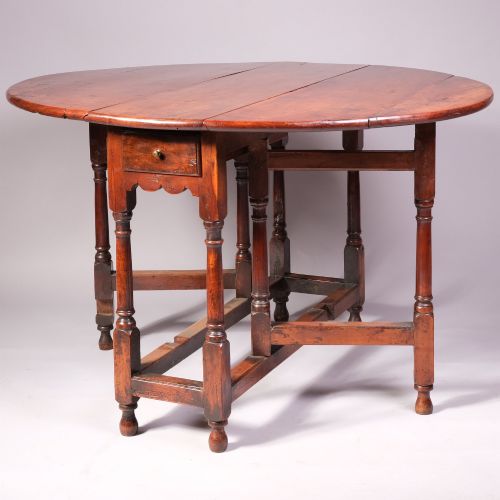
- A drop-leaf table featuring hinged flaps supported by pivoting legs that swing out like a gate to bear the weight of the leaves.
18th Century Yew: Frequently Asked Questions
How do I identify a Thames Valley Windsor chair?
Thames Valley Windsor chairs are distinguished by their sculptural volute handgrips, arched crinoline stretchers, and generous elm seats paired with yew spindles.
These regional pieces often incorporate multiple native timbers including ash and fruitwood within a single frame.
Are yew wood tables suitable for daily dining?
Most 18th century yew tables on record are side tables, wine tables, or Pembroke tables designed for occasional use rather than heavy family dining.
Their smaller proportions and delicate timber construction require careful placement away from direct heat sources.
What is the difference between solid yew and burr yew?
Solid yew utilises planks sawn directly from the trunk, displaying a warm, striated grain with characteristic pin knots and deep golden hues.
Burr yew involves thin slices of highly figured burr timber applied as a veneer over a secondary wood base on high-status George III furniture.
How should I care for 18th century yew furniture?
Maintain the historic surface by applying traditional beeswax sparingly and buffing with a soft cloth to preserve the natural patination.
Keep the timber away from direct sunlight and maintain stable room humidity to prevent splitting in the aged wood.