
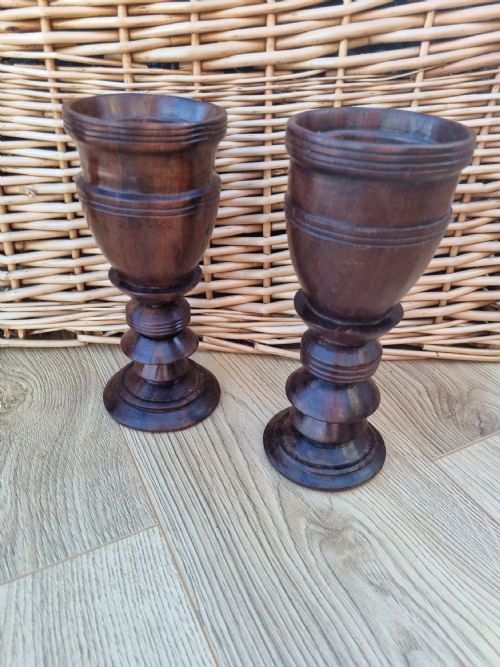


Antique Treen Goblet
An antique treen goblet is a turned wooden drinking vessel carrying centuries of domestic utility, prized for the warm patina of fruitwood and lignum vitae.
Antique Treen Goblet
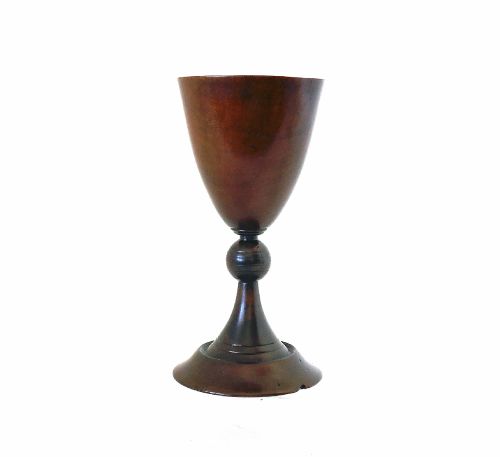
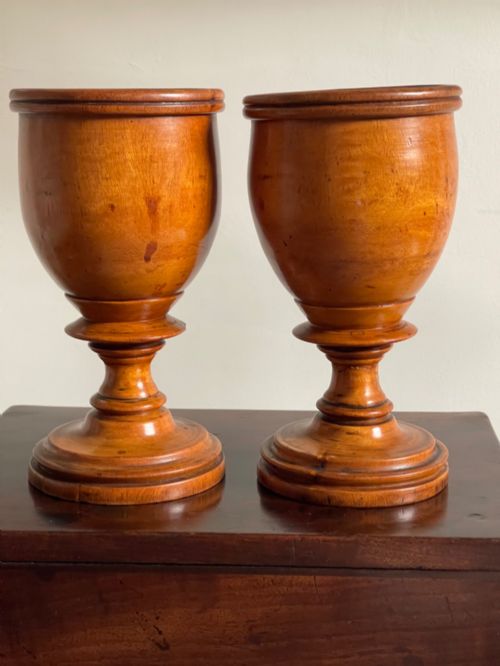
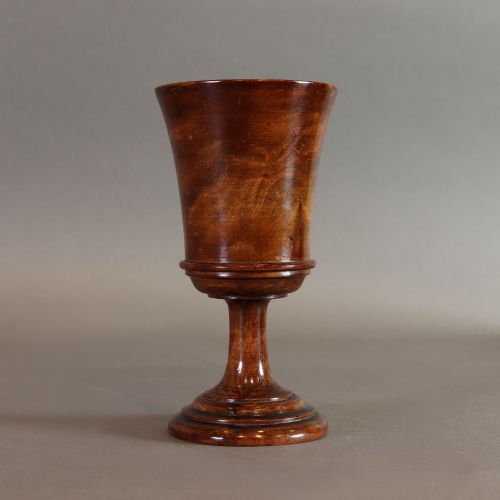
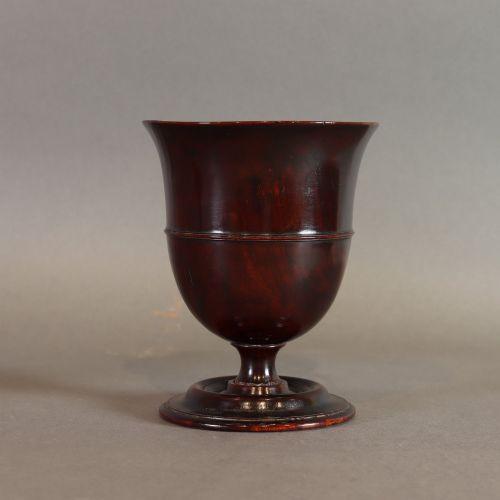
An antique treen goblet takes the form of a small turned drinking vessel fashioned by hand on a lathe. You are most likely to encounter 19th century and Georgian examples made from dense native timbers such as fruitwood, walnut and yew wood.
The objects span simpler utilitarian drinking vessels to decorative pedestal pieces with raised bases. Examples range from humble turned fruitwood drinking cups to grander George III specimens and vernacular folk art pieces.
How they were made
Makers shaped these drinking vessels on a lathe using dense hardwoods like lignum vitae, walnut and various fruitwoods including plum, apple and peach wood. The natural grain of the timber dictates the surface pattern, turned with clean lines and raised pedestal bases.
Craftsmen selected tightly grained woods to ensure the vessels could hold liquid before settling into purely decorative roles over time. Surface finishing relied on friction polishing and natural oils rather than heavy varnishes.
Listings feature items spanning the Georgian period, Regency era, and the Arts and Crafts movement, utilising fruitwood, lignum vitae, walnut, and yew wood.
What varies in quality
The merit of an antique treen goblet rests on the crispness of the lathe turning and the choice of timber. Pieces carved from dense lignum vitae or figured specimen wood display superior weight and sharpness of profile compared to softer timbers.
Proportion and balance define the better specimens, where the stem and pedestal base harmonize with the bowl. Clean execution of the turning without excessive shrinkage or distortion separates standard domestic items from finer examples.
The Antique Treen Goblet Glossary
- Treen
- Small handmade wooden objects for domestic use. This category encompasses everything from drinking vessels to small household utensils.
- Lignum vitae
- A dense, heavy tropical hardwood prized for its self-lubricating properties and dark greenish-brown hue. It was frequently selected for turned vessels requiring durability.
- Fruitwood
- Timber sourced from fruit-bearing trees such as pear, apple, plum and peach. These woods take a fine turning and develop a rich warm patina over decades of handling.
- Pedestal base
- A raised foot or stem elevating the bowl of the goblet. This architectural feature provides stability and balances the proportions of the drinking vessel.
Antique Treen Goblet: Frequently Asked Questions
How do I date an old wooden goblet?
Dating relies on timber choice, tool marks and the stylistic profile of the turning. Georgian and Regency pieces often feature specific pedestal proportions and denser hardwoods.
Comparing the object to recorded examples from the eighteenth and nineteenth centuries helps narrow the period of manufacture based on wear and construction.
Were these wooden goblets used for drinking?
Many early examples functioned as actual drinking vessels, particularly those turned from dense woods like lignum vitae or sealed fruitwood. Over time, shrinkage and changing domestic habits turned many into purely decorative cabinet pieces.
Their survival depends on how they were treated by previous owners and whether the timber withstood the stresses of holding liquid.
What woods were used for treen goblets?
Makers utilised a wide variety of timbers, most commonly fruitwoods like plum, peach, apple and pear. Hardwoods such as walnut, yew wood and lignum vitae also appear frequently in the record.
Each wood imparts a different weight and colour to the vessel, influencing both its appearance and how the lathe cut the grain.