


Antique Pedestal Goblet
These antique pedestal goblets combine historic drinking vessels with raised display forms, offering tactile weight and period presence for the collector.
Antique Pedestal Goblet
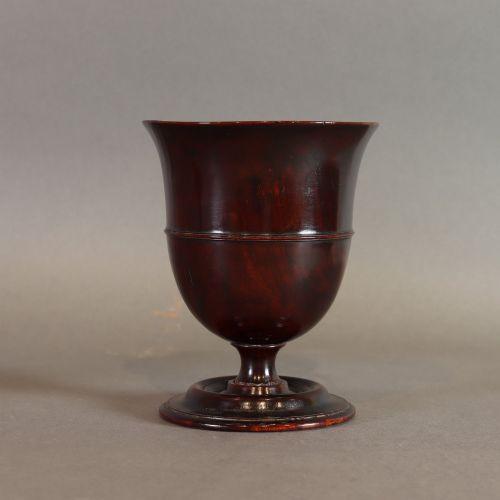
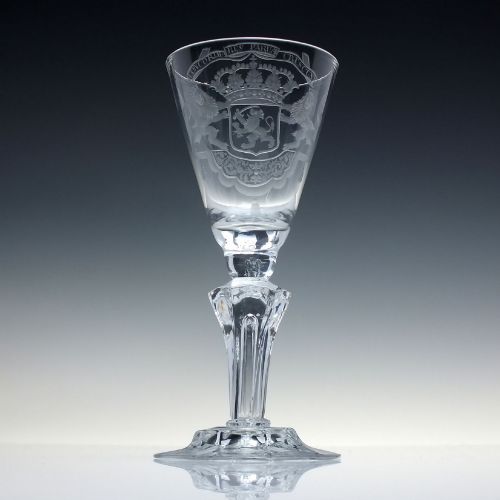
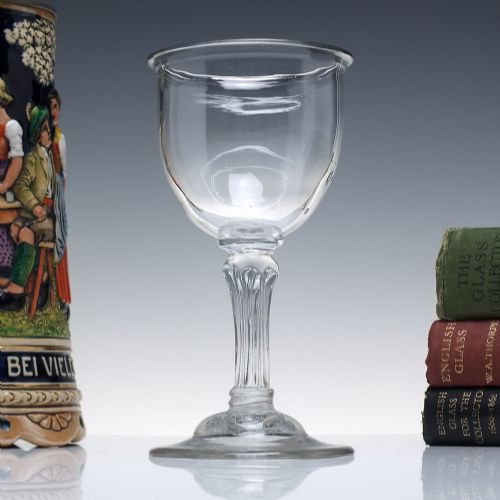
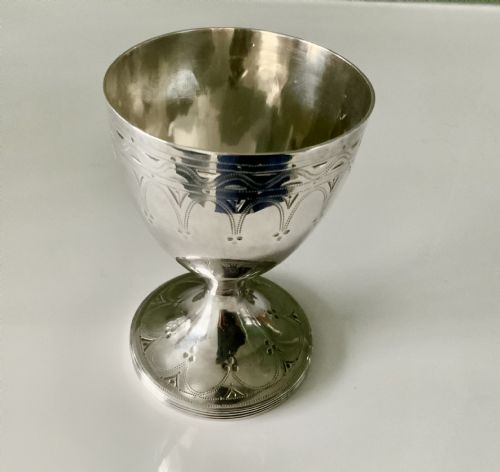
An antique pedestal goblet is a drinking vessel or ceremonial cup raised on a distinct stem and foot, drawing upon historic forms from the eighteenth and nineteenth centuries. When you search for this phrase, you encounter a diverse material record spanning Georgian glassware, sterling silver, turned treen wood, and cast bronze.
The selection on this page ranges from Georgian lead glass wine stems and bright-cut silver presentation pieces to nineteenth-century treen turnings and continental Grand Tour bronzes. These objects served functional drinking roles, ceremonial purposes, or decorative display functions within period interiors.
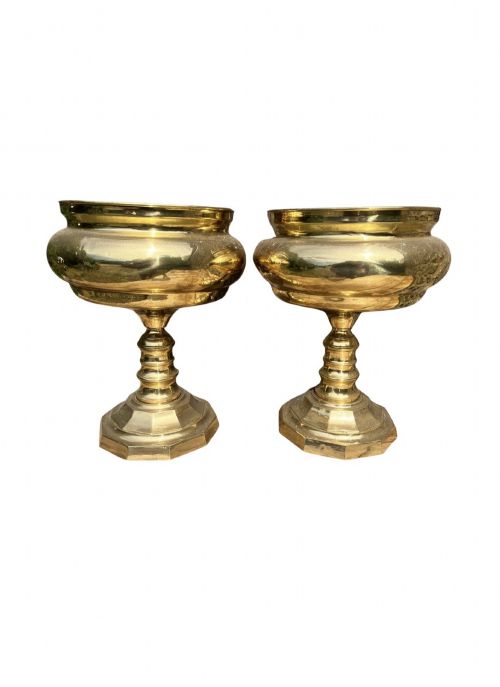
Georgian examples often showcase lead glass or silver fabrication, while nineteenth-century items frequently introduce decorative brass, marble, or arts and crafts interpretations. Each piece maintains the characteristic elevated base that separates the bowl from the supporting foot.
Materials and construction
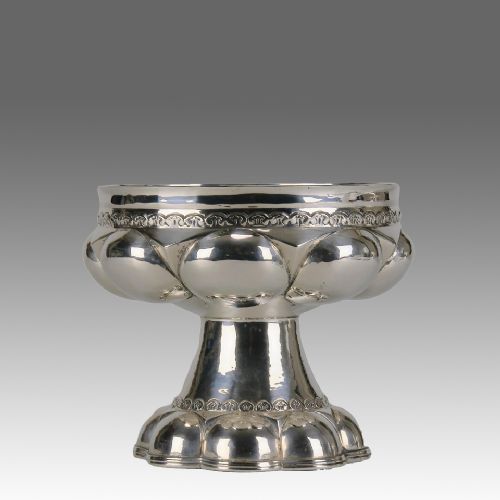
Makers shaped these objects using traditional metalworking, glass blowing, and woodturning techniques appropriate to their respective periods. Sterling silver and Old Sheffield Plate involved hammering, casting, and bright-cut engraving, while bronze and brass items utilised foundational casting methods.
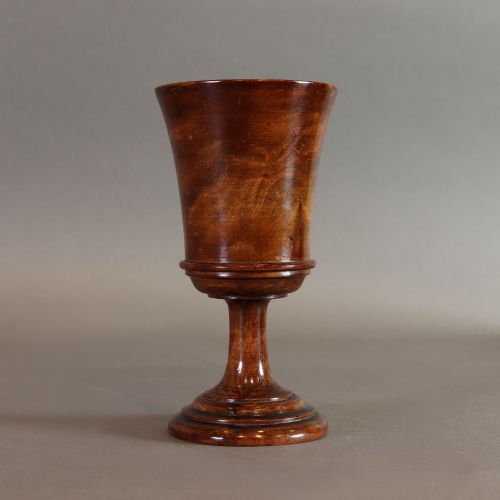
Glassware examples demonstrate lead glass composition shaped through hot-tool manipulation, stem formation, and folded feet or basal bubbles. Treen and hardwood pieces relied on lathe turning to achieve the symmetrical contours of the raised pedestal base.
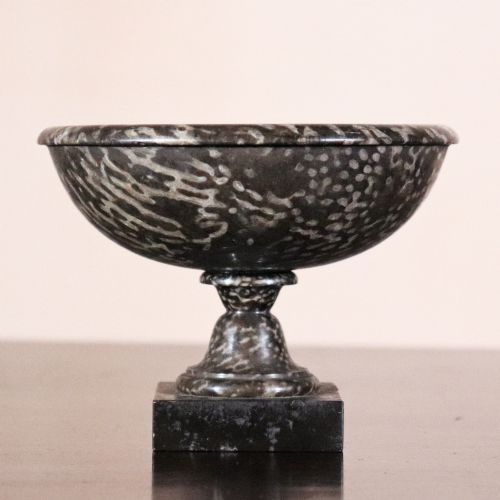
Marble and stone variations required precision cutting and polishing to form architectural tazzas and decorative vessels. Artisans combined these material-specific methods to ensure structural stability along the slender pedestal shafts.
One cheerful item is an egg cup boasting a blue wrythened glass twist.
Assessing quality and execution
Quality in these pieces rests upon the crispness of the turning, the purity of the metal or glass material, and the balance of proportions between the bowl and the stem. Superior examples display confident hand-tool marks, well-defined engraving, or flawless crystal clarity without excessive internal striations.
The sophistication of the design execution separates standard utility items from exceptional artistic commissions, such as armorial engraving on eighteenth-century glass or finely cast Grand Tour bronzes. Structural integrity at the junction where the stem meets the foot and the bowl remains a primary indicator of careful original manufacture.
Nathan and Hayes·Makeig-Jones Wedgwood
The Antique Pedestal Goblet Glossary
- Pedestal stem
- A raised vertical shaft that elevates the drinking bowl above a circular or spreading foot. This architectural element provides height and visual balance to the vessel.
- Treen
- Small handmade wooden objects produced by turning or carving. Lignum vitae and fruitwood are common hardwoods found in this category.
- Wrythen
- A twisted decorative pattern moulded into glass vessels during production. It creates a dynamic optical effect as light passes through the material.
- Basal bubble
- An enclosed air bubble deliberately trapped within the lower section of a glass stem. Makers used this technique as an ornamental feature in eighteenth-century drinking glasses.
- Bright-cut engraving
- A surface decoration technique utilising faceted cuts made with a sharp graving tool. It produces brilliant reflective facets across silver and metal surfaces.
Antique Pedestal Goblet: Frequently Asked Questions
What were antique pedestal goblets used for?
These vessels functioned primarily as ceremonial drinking cups, wine glasses, or presentation pieces during formal dinners and toasts. Many later examples transitioned into decorative display objects or hunting trophies.
Their elevated form made them prominent centrepieces on dining tables and sideboard displays throughout the Georgian and Victorian eras.
How do I care for silver and glass goblets?
Sterling silver and plated items require gentle cleaning with non-abrasive silver polishes to maintain their surface lustre without wearing away fine engravings. Glass and crystal pieces need hand washing in warm, soapy water using soft cloths to prevent thermal shock and scratching.
Store them securely away from edge hazards to protect the delicate pedestal stems from accidental impacts.
How can I tell a Georgian glass goblet from a later reproduction?
Georgian glass frequently exhibits high lead content, pontil marks on the underside of the foot, and subtle irregularities in the metal caused by historic hand-manufacturing methods. Examining the weight, the ring of the glass when tapped, and the construction of the stem helps confirm period authenticity.
Reference pieces often show authentic wear patterns on the foot rim consistent with age and use.
Are wooden treen goblets safe for holding liquids?
Most antique treen goblets served decorative or dry display purposes rather than practical liquid consumption, as historic wood treatments can degrade over time. Lignum vitae and fruitwood structures can split or warp if exposed to liquids and repeated moisture changes.
It is best to treat antique wooden vessels as display objects rather than functional drinkware.