


Lignum Vitae Treen
Lignum vitae treen brings heavy, dense turned wood items from past centuries into modern hands for daily utility and display.
Identifying Lignum Vitae Treen
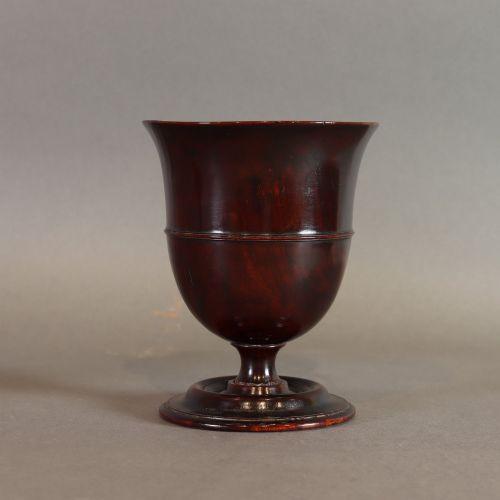
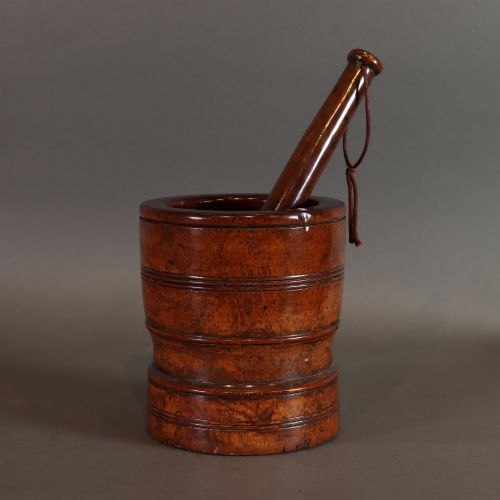
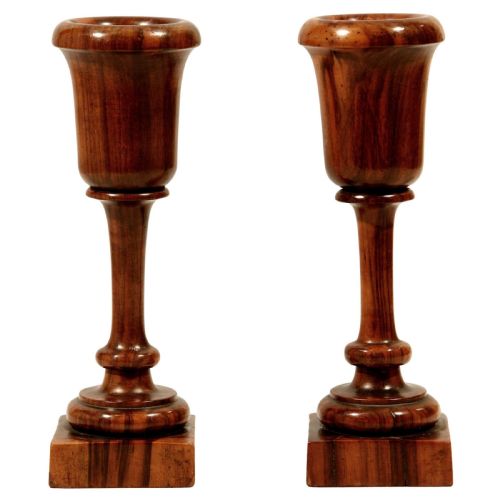
The objects span a diverse functional range, including string barrels, candlesticks, mortars and pestles, and various desktop or kitchen accessories. Examples regularly bridge decorative appeal with functional design from the eighteenth through the nineteenth century.
Georgian and Victorian pieces form the core of available stock, showing remarkable survival rates due to the sheer durability of the wood. Collectors frequently encounter utilitarian forms ranging from match holders and spice grinders to utilitarian bowls.
Materials and Turning Methods
Makers utilised lignum vitae, a famously dense and heavy hardwood known for its natural self-lubricating oils and deep dark heartwood. This timber resisted splitting and wear, making it suitable for items subjected to friction and daily handling.
Craftsmen shaped the timber primarily on a lathe, producing ring-turned decoration, smooth baluster profiles and symmetrical vessels. The natural figuring of the wood often provided the main decorative element without applied ornament.
Retail Price Guide 2026
Typical UK retail prices for lignum vitae treen, calculated from the Sellingantiques database of over a million retail prices indexed since 2003. This retail price guide relies exclusively on Sellingantiques data; no external sources or auction records are used, so the figures do not describe the wider market.
Factors of Quality
Quality rests in the precision of the lathe work and the distinctness of the wood's natural grain and colour contrast. Crisp ring turnings and well-balanced proportions distinguish finer utilitarian items from standard workshop output.
Condition and completeness matter greatly, particularly for items with threads, lids or matching pestles. Pieces retaining their original surface patina without excessive modern interference command stronger interest.
The Lignum Vitae Treen Glossary
- Treen
- Small handmade wooden domestic objects. The term derives from the old English word for tree.
- Lignum Vitae
- A botanical hardwood translated as tree of life. It sinks in water due to its extreme density and natural resins.
- Pounce Pot
- A small container with a perforated lid used to sprinkle resin powder over parchment. This prepared rough paper surfaces for ink writing.
- String Barrel
- A turned container designed to dispense twine through a central hole in the lid. These objects protected cordage in domestic and commercial settings.
- Saddlers Treen
- Wooden smoothing tools utilised in leatherwork. The dense timber endured heavy pressure without scoring.
Frequently Asked Questions
What is lignum vitae wood?
Lignum vitae is an exceptionally heavy and dense tropical hardwood harvested from trees in the genus Guaiacum. It contains natural oils that give it a soapy feel and remarkable durability against moisture.
Craftsmen valued this timber for items requiring high resistance to wear and friction, such as pulleys, mallets and turned household vessels.
How do I date these pieces?
Dating relies on stylistic clues, turning profiles, tool marks and historical context. Georgian items often display simpler baluster forms, while Victorian examples frequently show more complex multi-ring turned decoration.
Comparing known dated examples in archives helps narrow the decade of production for unmarked utilitarian objects.
Were these items used daily?
Most pieces served practical functions in kitchens, offices, maritime environments and workshops. Objects like string dispensers, mortars, and coffee grinders saw frequent handling by past owners.
Their survival in good condition demonstrates both the initial quality of the timber and the care taken by generations of users.
How should I clean my treen?
Maintenance requires minimal intervention to preserve the historic wax and oil finish. Dusting with a dry cloth is usually sufficient for regular care.
Harsh detergents and excessive water must be avoided, as moisture can raise the grain and strip the natural patination built up over centuries.