

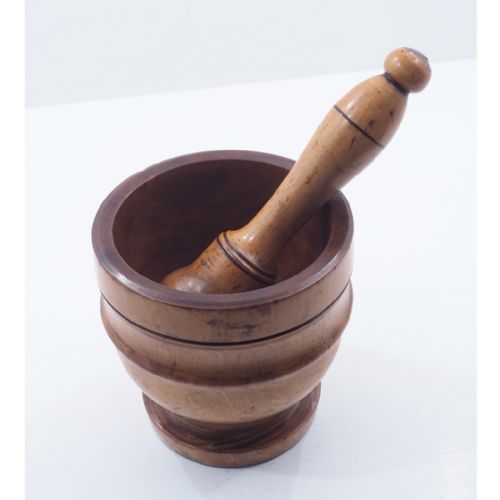


Antique Wooden Mortar
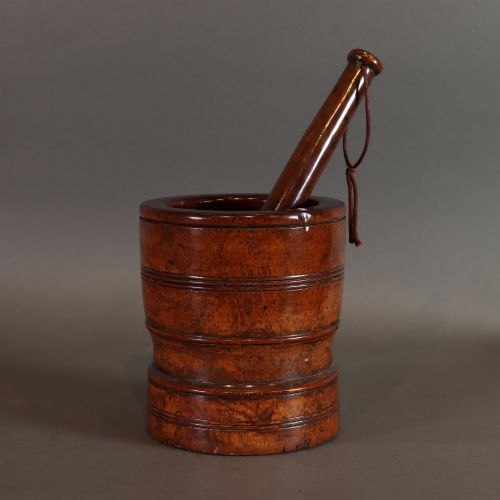
An antique wooden mortar is a heavy vessel shaped for crushing, most frequently seen here in hard timbers like lignum vitae and walnut from the seventeenth to nineteenth centuries.
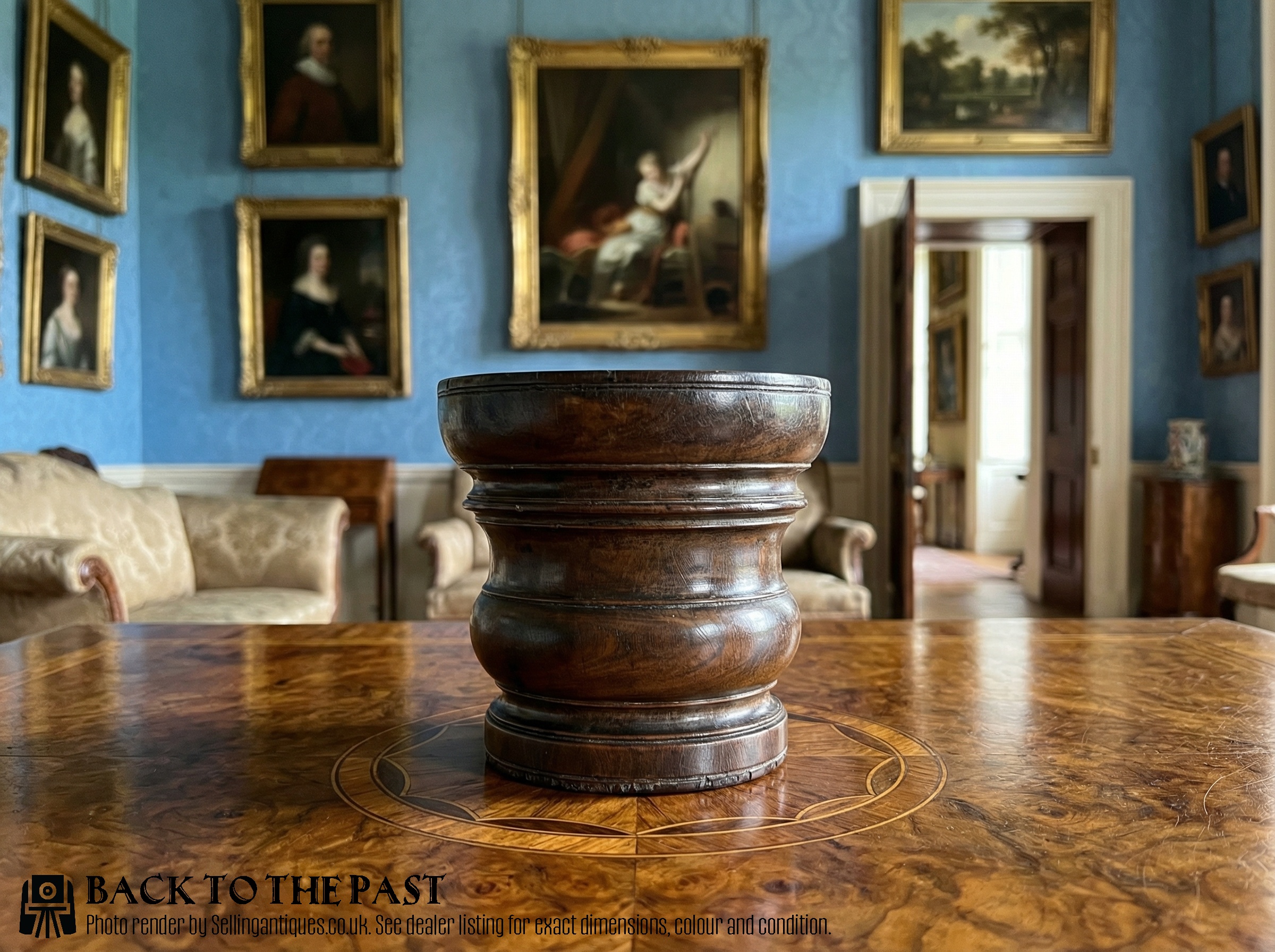
Antique Wooden Mortar
When you search for an antique wooden mortar, you find utilitarian vessels intended for grinding spices, herbs, and apothecary compounds. The examples gathered here span domestic kitchenalia, traditional treen, and apothecary equipment.
Most pieces date from the seventeenth, eighteenth, and nineteenth centuries, taking forms that range from turned treen bowls to rustic fruitwood and oak vessels.
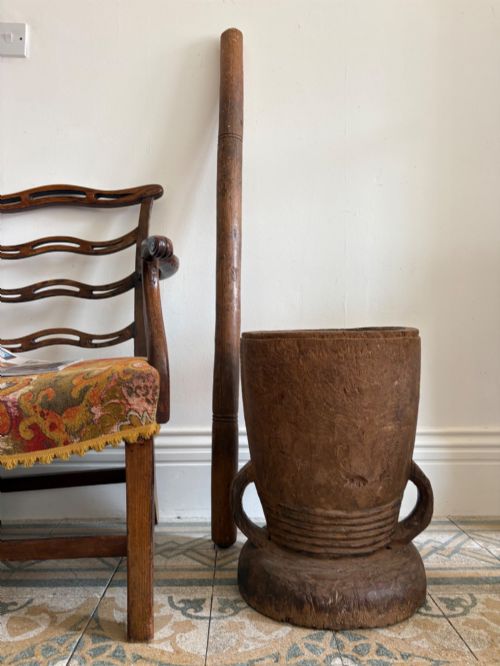
You will also encounter specialised items such as Chinese elm mortars, snuff grinders, and African primitive grain mortars alongside European kitchenware.
What varies in quality
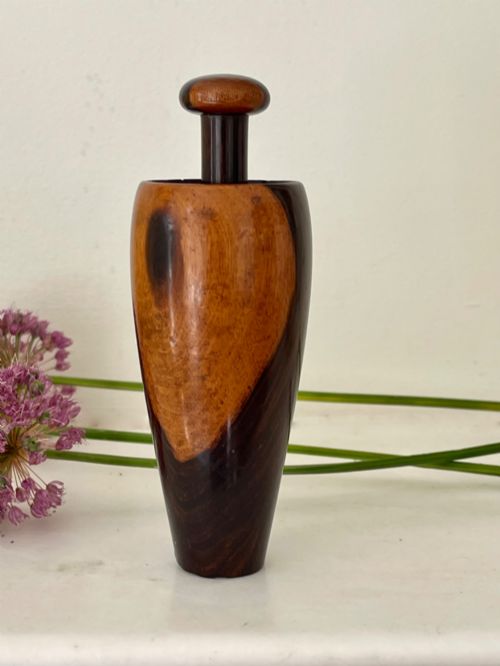
Quality rests primarily on the density and choice of material, with heavy tropical hardwoods like lignum vitae achieving superior durability and finer turning lines than softer fruitwoods. The crispness of the original lathe work and the survival of a matching pestle define the upper tier of these vessels.
Proportion and wear also dictate value, where honest patination from centuries of domestic or apothecary service distinguishes a well-preserved survivor from a compromised piece.
Antique Wooden Mortar Retail Price Guide 2026
Typical asking prices for wooden mortar among the pieces listed under this phrase on Sellingantiques today, from the lower quarter to the upper quarter. They describe what is for sale here now, not the wider market.
Some seventeenth-century lignum vitae mortars are so dense they sink straight to the bottom of a bucket of water.
The Antique Wooden Mortar Glossary
- Treen
- Small handmade wooden domestic objects and utensils. These items were carved or turned for everyday household utility.
- Lignum vitae
- A dense, heavy exotic hardwood prized for turning. Its natural oils made it resistant to splitting under heavy impact.
- Apothecary
- A practitioner who prepared and sold medicines. Their equipment included specialised mortars for crushing medical ingredients.
- Kitchenalia
- Collectible domestic utensils and equipment used in food preparation. This category spans centuries of culinary practice.
Antique Wooden Mortar: Frequently Asked Questions
What were wooden mortars used for?
These vessels served primarily in kitchens and apothecaries for pounding dry spices, fresh herbs, and medicinal ingredients into powders or pastes.
The matching pestle was used to apply downward pressure and rotational force against the interior walls of the bowl.
How do I date a wooden mortar?
Dating relies on timber selection, tool marks left by lathes or hand-carving, and the overall form associated with specific centuries.
Seventeenth-century examples often display heavy turned lignum vitae profiles, while later nineteenth-century pieces show different stylistic turns and wood choices.
Can I still use an antique mortar?
While these vessels were built for heavy kitchen work, dry ingredients like whole peppercorns or spices are usually suitable for older turned woods.
Moisture and aggressive pounding can compromise dry historical timbers that have aged over hundreds of years.
Why do some mortars have iron mounts?
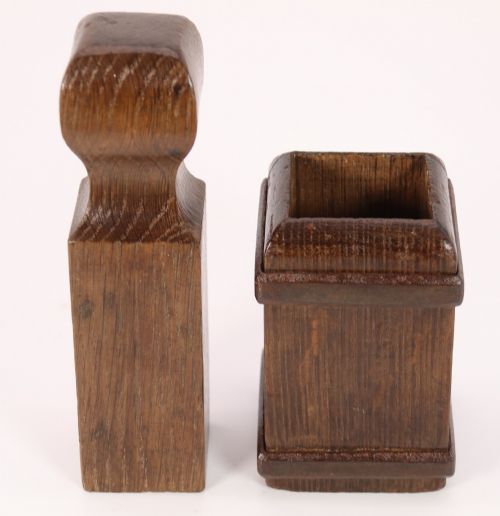
Wrought iron bands were occasionally added to seventeenth and eighteenth-century apothecary crushers to prevent the hardwood body from splitting under heavy force.
These metal reinforcements indicate rigorous professional use in medical preparation.