
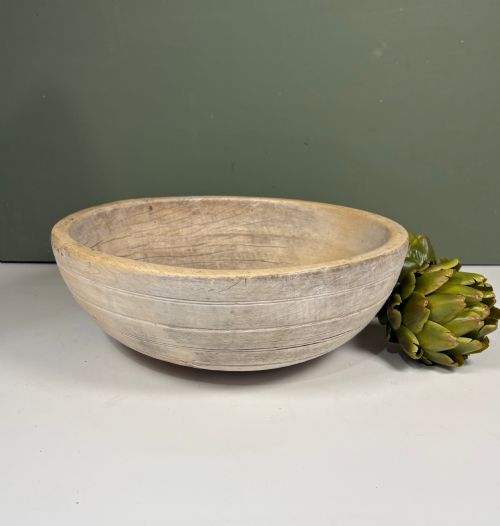

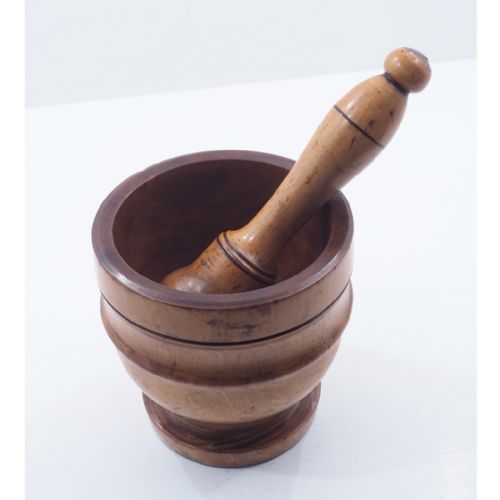


Turned Wood Bowl
A turned wood bowl is a tactile domestic vessel shaped on a lathe, prized for its honest grain and enduring utility.
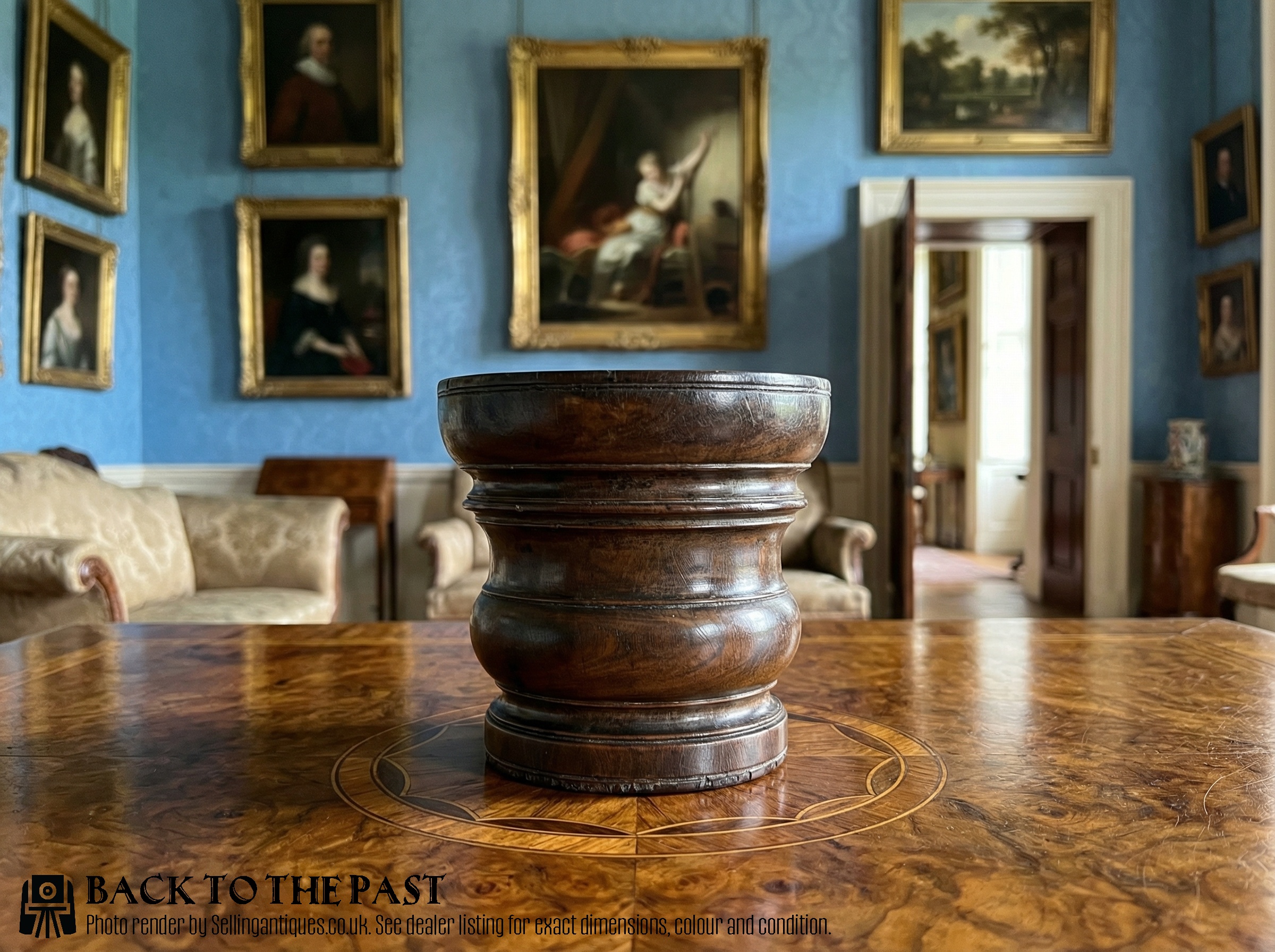
Turned Wood Bowl
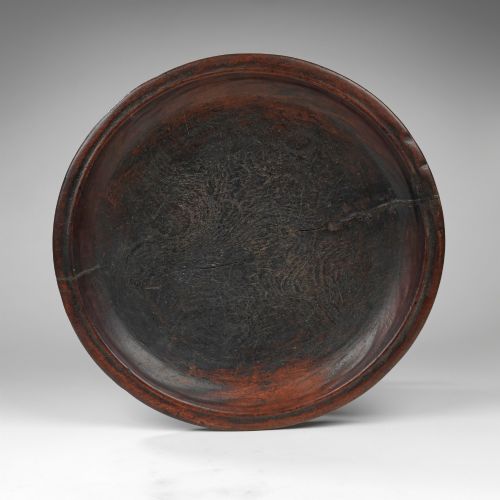
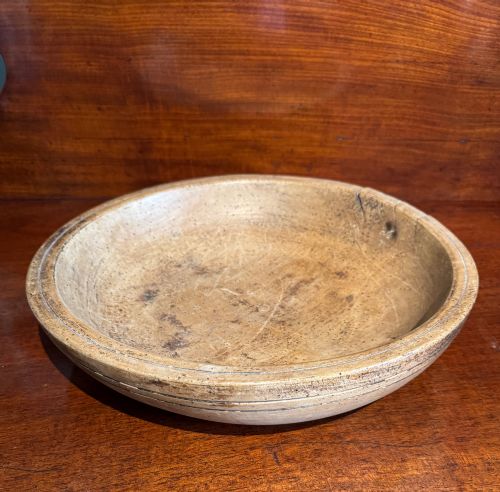
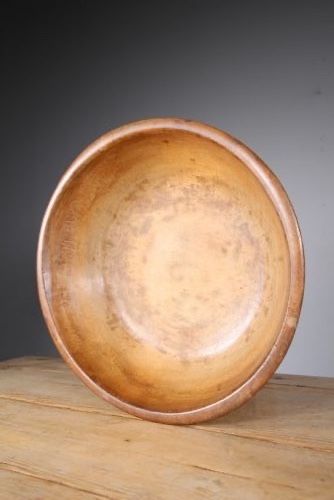
A turned wood bowl is an item shaped on a lathe, appearing frequently in dairy, table, and kitchen forms across the centuries. The pieces on this page span the Georgian and Victorian eras up to the nineteen-twenties and nineteen-thirties, reflecting domestic and rural routines.
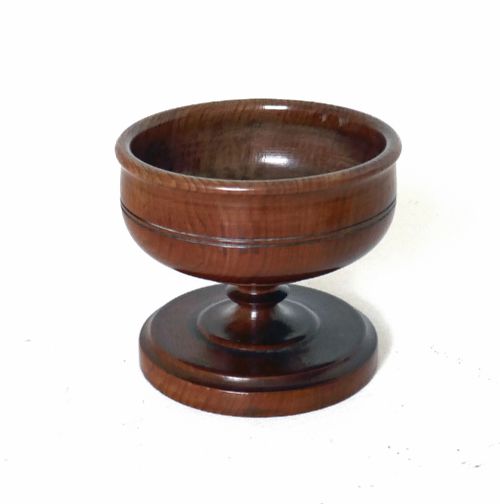
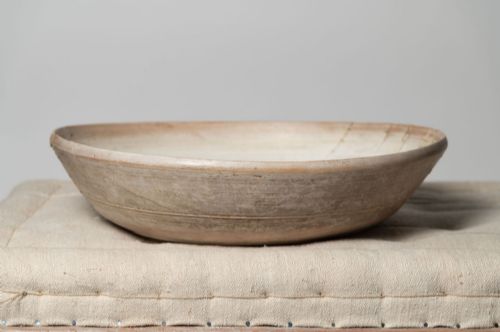
Dairy bowls dominate the selection, turned from pale timbers like sycamore for use in creameries and butter-making. Alongside these sit fruit bowls, salts on raised bases, and mortars hewn from denser woods for grinding spices and medicines.
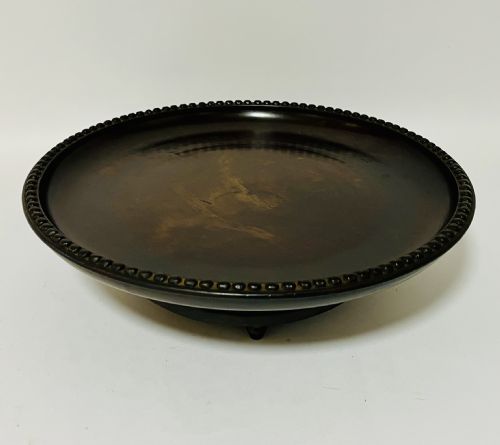
English and Welsh vernacular pieces sit alongside French provincial and Scandinavian country examples. Their forms range from simple serving vessels to items with integral stands or brass mounts, all shaped by the turners of the past.
How they were made
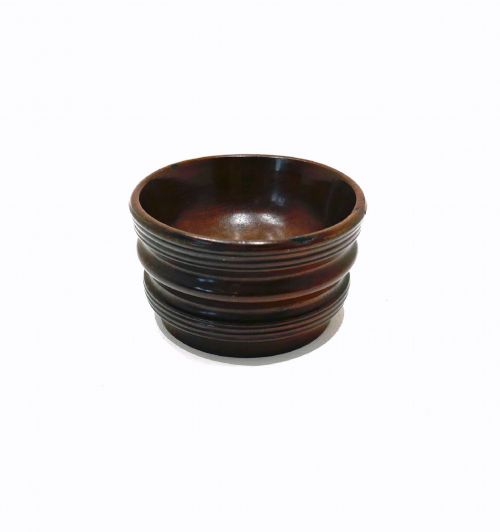
Turned wood bowls are shaped on a lathe using various timbers such as sycamore, fruitwood, mahogany, walnut, yew wood, and lignum-vitae. Artisans selected these woods for their density, grain pattern, and suitability for domestic tasks like dairy work or food preparation.
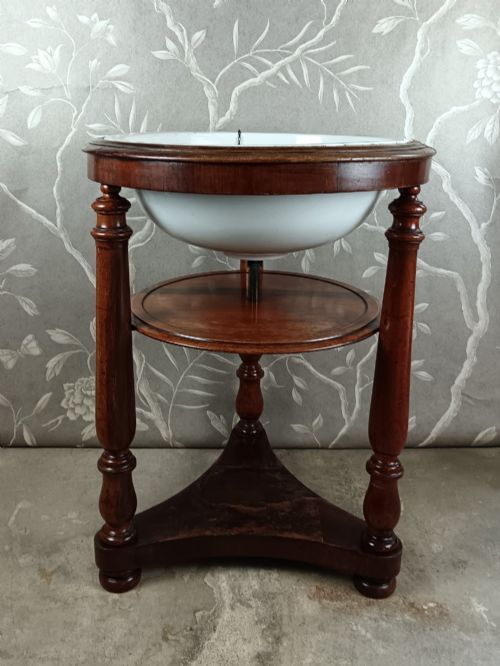
Makers utilised green wood for turning, allowing the vessel to distort slightly as it dried into organic, pleasing shapes. Some domestic items incorporated brass mounts or silver elements, joining metalwork with turned woodwork.
Listings feature items shaped from sycamore, fruitwood, mahogany, walnut, yew wood, and lignum-vitae across the Georgian and Victorian periods.
What varies in quality
Quality in a turned wood bowl rests upon the balance of the turning, the wall thickness, and how cleanly the timber has been cut from the log. A well-balanced vessel maintains an even profile that respects the natural movement of the wood fibres as they age.
Surface warmth and the character of the grain separate everyday kitchen treen from finer examples. Pieces that retain their original tool marks, rich patination, and well-preserved timber surfaces command greater appreciation among collectors.
The Turned Wood Bowl Glossary
- Treen
- Small handmade wooden objects of domestic use. This collective term covers bowls, salts, mortars, and platters shaped by the turner.
- Dairy bowl
- A wide, shallow wooden vessel used in butter-making and milk setting. Sycamore was preferred for this purpose due to its clean properties.
- Salt
- A small turned container used at the table for holding salt. These often stood on raised bases and date back to the eighteenth century.
- Mortar and pestle
- A heavy bowl paired with a club-shaped tool for grinding substances. Examples are found in walnut, olive wood, and lignum-vitae.
- Patina
- The surface sheen and colour developed through handling, ageing, and waxing over many decades. It indicates genuine age and use.
- Lignum-vitae
- A dense, heavy tropical hardwood used for robust turned items like mortars. It sinks in water due to its extreme weight and resin content.
Turned Wood Bowl: Frequently Asked Questions
What is a turned wood bowl used for?
These vessels served practical domestic purposes such as setting milk in dairies, serving fruit, or holding salt at the table. Their robust construction suited daily rural and kitchen routines.
Today, they function well as decorative centrepieces or display items, bringing organic texture and historical warmth into modern living spaces.
How do I care for a wooden bowl?
Keep wooden vessels away from direct heat sources, strong sunlight, and sudden temperature shifts to prevent the timber from splitting. Washing should be done quickly by hand rather than soaking.
Apply occasional coats of food-safe mineral oil or beeswax to nourish the dry wood and maintain its historic surface sheen.
How can I tell the age of a turned bowl?
Age is judged by tool marks left from lathe work, timber choice, regional style, and the depth of the surface patina. Eighteenth-century pieces often show hand-wrought turning characteristics.
Comparing the form and wood species with dated examples in historical records helps narrow down the likely period of manufacture.
What is treen?
Treen refers to small wooden objects made for the home, encompassing items like spoons, platters, spice pots, and bowls. These pieces bridge the gap between utilitarian tools and folk art.
Collectors prize treen for its tactile qualities and the glimpse it provides into pre-industrial domestic life.