



Vintage Wooden Mortar
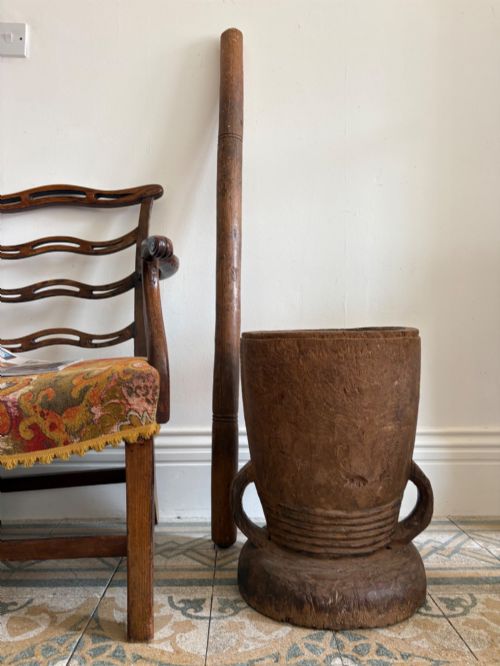
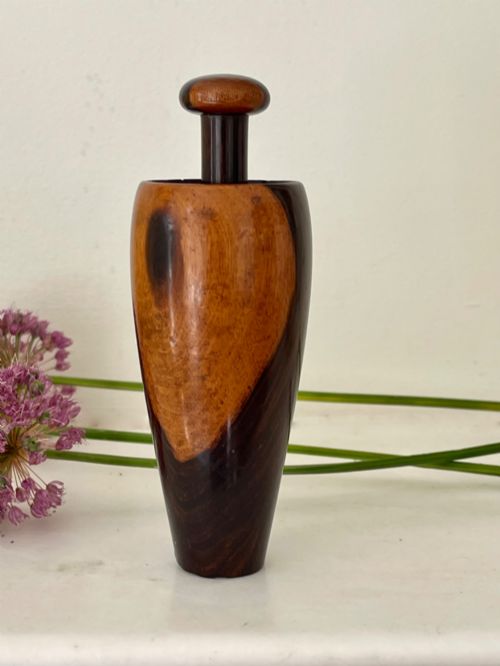
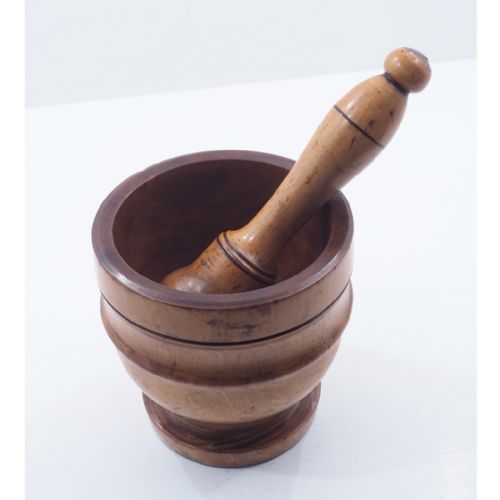
These vintage wooden mortar vessels are heavy, tactile tools shaped by centuries of grinding herbs, spices, and grains.
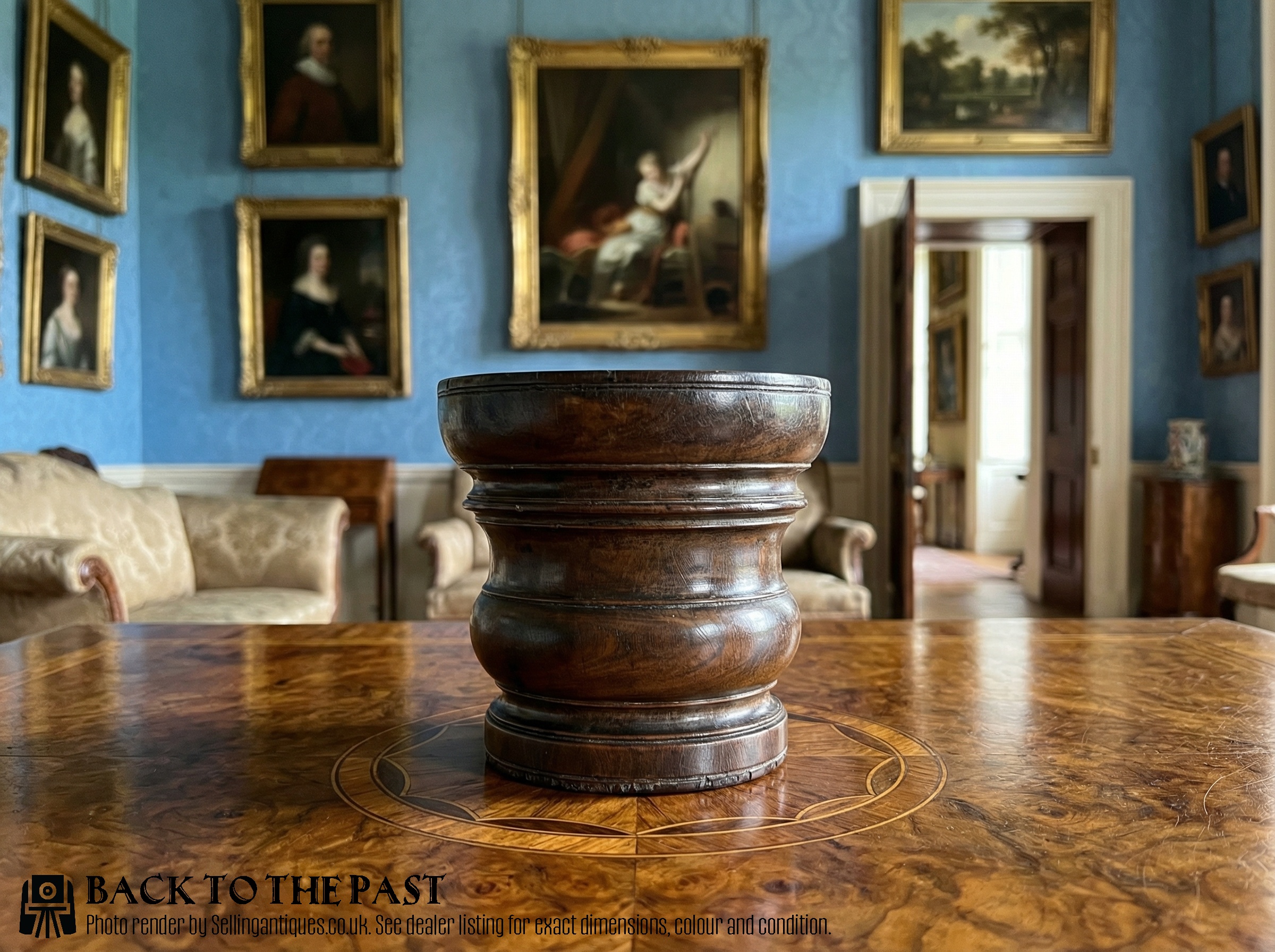
Vintage Wooden Mortar
When you search for a vintage wooden mortar, you encounter robust domestic and apothecary vessels spanning several centuries. The selections range from utilitarian kitchenalia to specialised snuff and spice grinders.
You are most likely to meet 19th-century turned examples alongside earlier seventeenth-century specimens. These pieces take various forms, from simple octagonal herb chopper bowls to substantial African primitive grain mortars.
Origins stretch from English country workshops to Chinese provinces and African tribal communities. Each piece carries the distinct marks of its regional woodworking traditions and daily domestic service.
How they were made
Turners shaped these vessels on lathes using dense hardwoods such as lignum vitae, fruitwood, elm, and olive wood. This heavy timber resisted splitting under the forceful action of a matching pestle.
Other examples relied on hand-carving techniques, hollowing out solid tree trunks or sections of root timber with gouges and adzes. The tool marks left behind reveal the direct, unhurried labour of the maker.
Materials span lignum vitae, elm, walnut, sycamore, and fruitwood across the seventeenth, eighteenth, and nineteenth centuries.
What varies in quality
The density and choice of timber dictate much of the quality, with exceptionally heavy woods like lignum vitae holding higher regard than softer domestic varieties. The grain pattern and natural figuring of the wood also elevate the visual presence of a piece.
Proportion and turning skill separate basic kitchen items from masterworks of treen. Crisp, clean turning lines and balanced walls show the confident hand of an experienced artisan.
The Vintage Wooden Mortar Glossary
- Treen
- Small, functional wooden objects made for the home. This term covers everything from spice grinders to domestic bowls.
- Lignum Vitae
- An extremely dense and heavy tropical hardwood. Makers prized this material for its self-lubricating properties and resistance to wear.
- Apothecary
- A historical term relating to the preparation of medicines. Mortars from this tradition served chemists and pharmacists for grinding dry ingredients.
- Fruitwood
- Timber sourced from fruit-bearing trees such as pear, apple, or plum. Woodturners favoured these woods for their fine grain and smooth finish.
Vintage Wooden Mortar: Frequently Asked Questions
What were old wooden mortars used for?
These vessels served everyday domestic and medicinal purposes across centuries. Households and apothecaries relied on them to pulverize dried herbs, crush spices, and grind grains into powder.
The matching pestle worked against the interior walls to break down stubborn ingredients. Their heavy construction absorbed the repeated impacts without cracking.
How can I tell the age of a wooden mortar?
Dating relies heavily on tool marks, timber selection, and overall form. Seventeenth-century examples often display distinct hand-turned ridges and dense lignum vitae construction.
Nineteenth-century pieces tend to show more standardised lathe work or specific regional vernacular styles. Comparing the patina and wear patterns to documented examples confirms the period.
Are antique wooden mortars safe for food?
Most antique mortars retain historical residues from centuries of spices, chemicals, or medicinal herbs. Using them for modern culinary preparation is generally discouraged.
Instead, collectors display these vessels as sculptural objects of domestic history. Their rich patinas and varied wood grains make them striking decorative pieces.