





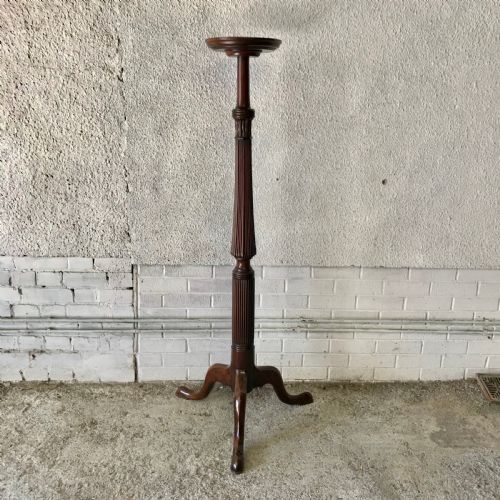
Traditional Carved Wood Urn
Traditional carved wood urn brings together turned vessels, plant stands, and torchères shaped from hardwood, mahogany, and rosewood.
Traditional Carved Wood Urn
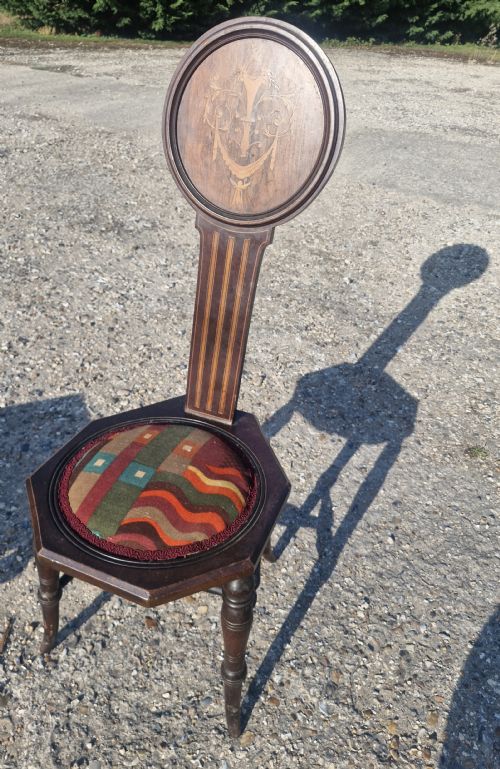
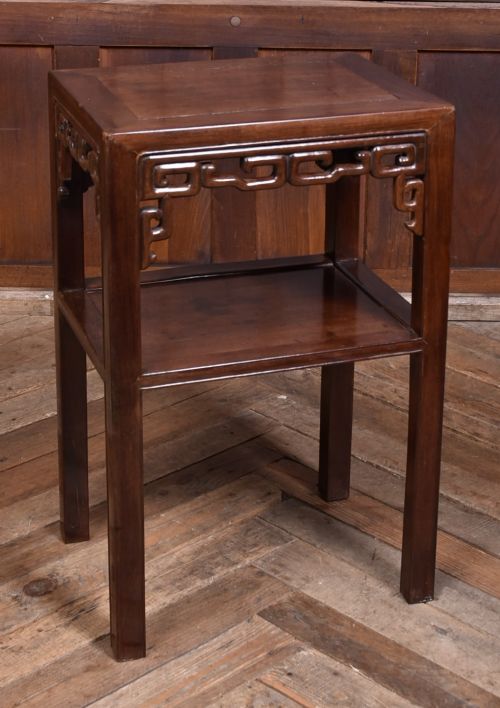
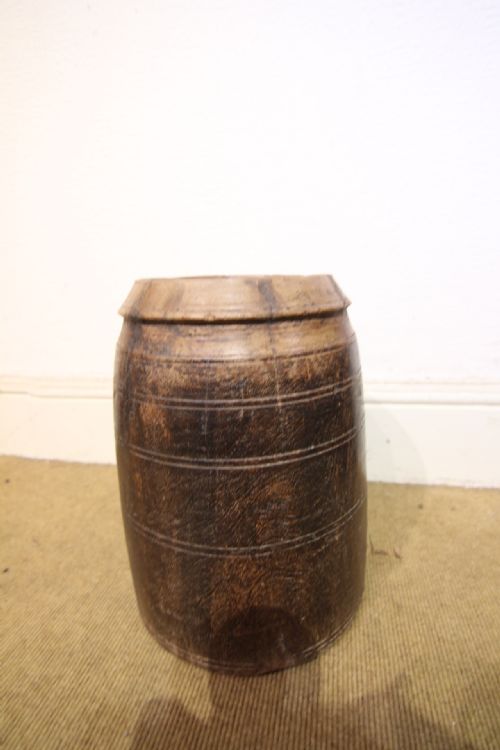
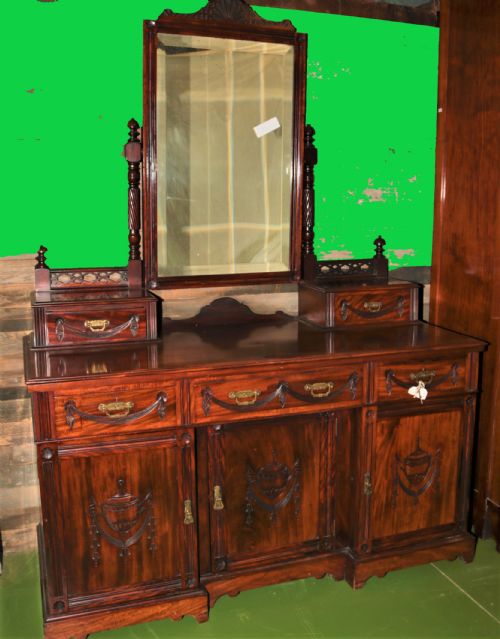
A traditional carved wood urn encompasses various turned wooden vessels, vases, and pedestals appearing across the 18th century, Victorian, and Edwardian periods. Buyers encounter forms ranging from 19th-century turned wooden churns to Chinese carved hardwood torchère stands and mahogany plant stands.
Materials and construction
Artisans utilised dense timbers such as mahogany, rosewood, oak, and general hardwood to shape these vessels, stands, and tables. Turning and carving techniques created the turned wooden bodies, barley twists, and intricate ornamental details seen on torchères and plant stands.
Metal and glass elements occasionally supplement the wooden structures, appearing alongside brass and fabric details on specific stands and decorative tables. Construction methods reflect the prevailing cabinet-making standards of the Georgian, Victorian, and Edwardian eras.
Evaluating craftsmanship and design
Quality separates simple utility items from pieces exhibiting finer carving depth, balanced proportions, and superior timber selection. Rosewood and mahogany examples with crisp detailing stand apart from simpler turned wooden vessels.
The complexity of the form dictates distinction, where multi-tiered stands or detailed torchères display greater joinery skill than basic single-piece planters.
The Traditional Carved Wood Urn Glossary
- Torchère
- A tall ornamental stand designed to support a lamp or vase. These pieces elevate display objects within a room.
- Jardinière
- An ornamental pot or stand for holding plants or flowers. They often feature turned wooden legs or barley twist columns.
- Kettle stand
- A small occasional table used historically for holding tea kettles. Georgian and later examples often utilise mahogany.
- Barley twist
- A spiral carving resembling a twisted rope found on wooden legs and columns. This decorative turn appears frequently on oak and hardwood planters.
Traditional Carved Wood Urn: Frequently Asked Questions
What periods do these pieces span?
The inventory covers items produced from the 18th century through the Georgian, Victorian, and Edwardian eras up to the early 20th century.
Dates range from George III pieces to 1920s tables, reflecting evolving styles in hardwood and mahogany.
How were torchères used?
Torchères served as elevated stands for lighting devices or decorative vessels in period interiors.
Today they function similarly as plant stands or display pedestals for vases and bowls.
Are Chinese styles represented?
Several pieces originate from Chinese traditions, including Qing Dynasty stands and vase tables.
These items showcase traditional carved hardwood construction distinct from European furniture.