



Antique Indigenous Art
Antique indigenous art brings together artefacts from global cultures, offering tangible links to traditional ways of life through sculpture, beadwork, and utilitarian objects.
Antique Indigenous Art
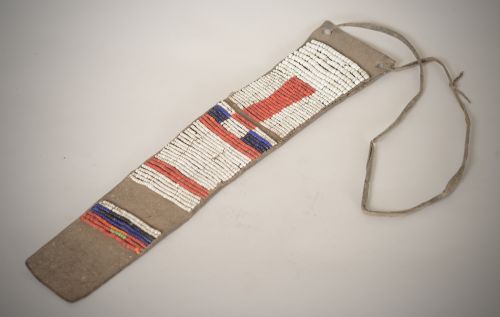
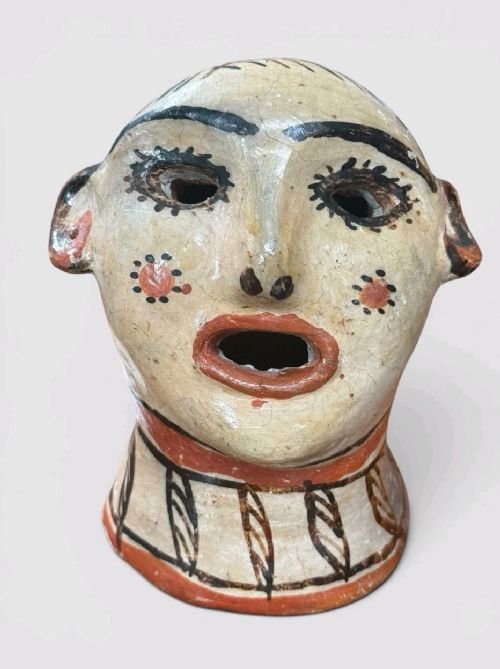
When you search for antique indigenous art, you encounter a diverse array of cultural material including ethnographic artefacts, tribal beadwork, and traditional sculptures. The selections span multiple global regions such as Indigenous Australian, Native American, Oceanic, Southern African, and Inuit communities.
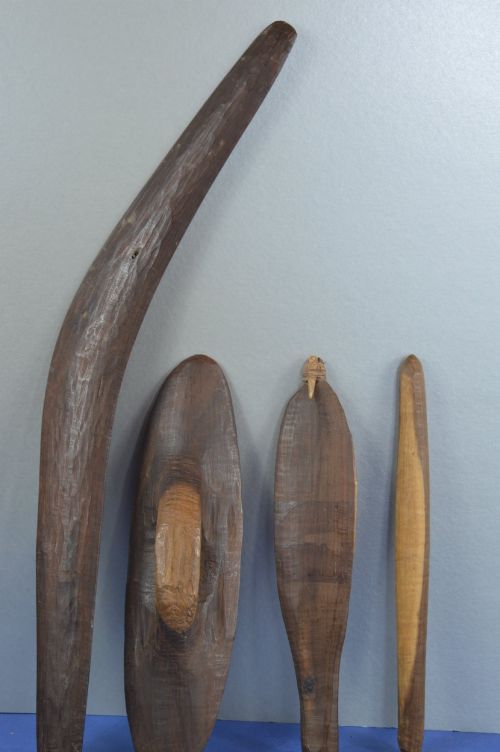
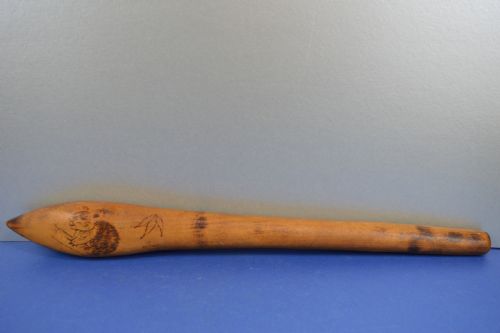
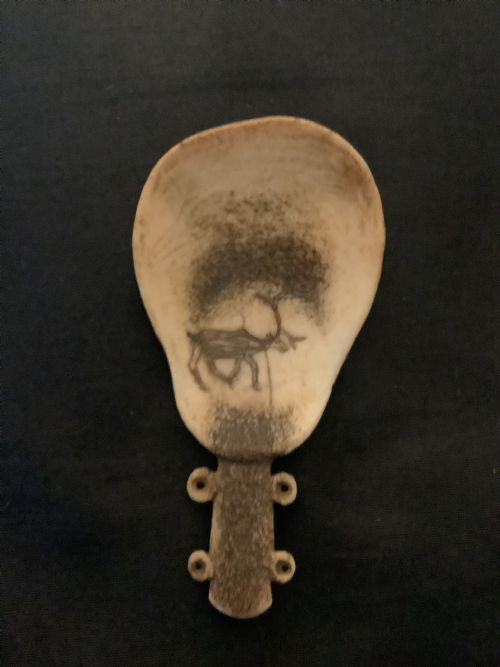
The objects vary widely in form, ranging from throwing clubs and woomeras to carved whalebone statues, beaded panels, and utilitarian items like spoons or chairs. Pieces frequently date from the nineteenth century, reflecting nineteenth-century craftsmanship and materials specific to each region's heritage.
Among the most common items on this page are carved wooden sculptures, throwing clubs, and traditional beadwork pieces. Buyers look to these artefacts for their cultural narrative, historical significance, and direct connection to indigenous makers.
Materials and construction methods
Maker communities utilised local, readily available natural materials such as hardwood, bone, hide, leather, and whalebone. Artisans shaped these mediums using traditional hand tools to create both functional tools and symbolic sculptures.
Detailing often involved delicate glass beads and thread, particularly in beadwork items, while larger sculptures relied on the skilful carving of dense timbers, antlers, or marine bone. Structural assembly remained straightforward, prioritising durability and practical use.
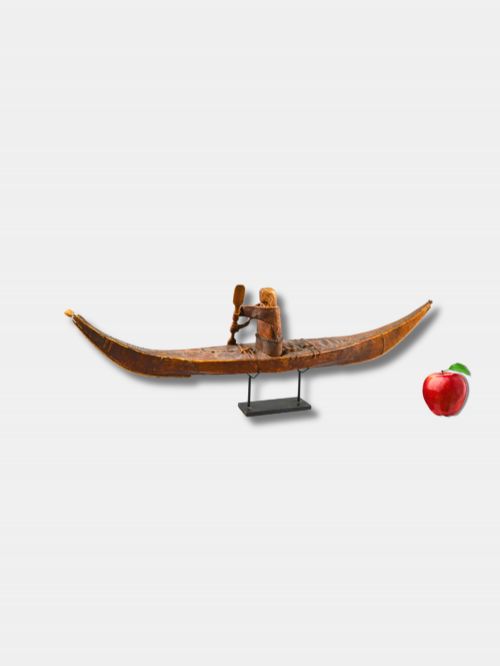
Listings feature 19th-century Inuit sculptures carved from whalebone and antler alongside Australian Aboriginal throwing clubs.
Distinctions in quality and execution
Quality in these objects rests upon the precision of the carving, the integrity of the material, and the authenticity of the cultural design. Superior examples exhibit confident tool marks, balanced proportions, and minimal structural alteration over time.
Provenance and cultural context also elevate an artefact, particularly when specific makers or well-documented regional traditions can be identified. Objects displaying skilled handling of difficult mediums like whalebone or hardwood command greater appreciation among collectors.
V . Ramirez·Abegunde of Ede
The Antique Indigenous Art Glossary
- Woomera
- A spear thrower used by Indigenous Australians to increase the velocity and range of a thrown spear. It often doubles as a tool for carrying items or preparing food.
- Nulla-nulla
- A traditional Australian Aboriginal heavy wooden club used for hunting, fighting, or throwing. These implements are typically fashioned from dense hardwood.
- Tupilak
- A carved figure in Inuit culture traditionally created to act as a revenge spirit or protective guardian. They are frequently sculpted from bone, antler, or whale vertebra.
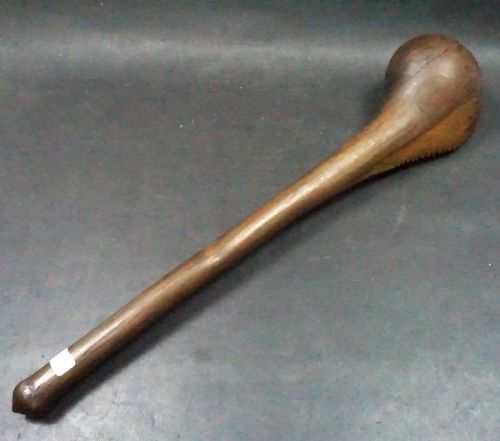
- Knobkerrie
- A traditional Southern African wooden club characterised by a large knob at the end of the shaft. They served primarily as weapons or status symbols.
- Ethnographic artefacts
- Objects made by indigenous and traditional peoples that reflect their cultural practices, social structures, and daily existence. Collectors value them for their anthropological importance.
Antique Indigenous Art: Frequently Asked Questions
What is antique indigenous art?
Antique indigenous art comprises cultural artefacts, sculptures, weapons, and decorative items created by native peoples around the world. These objects reflect traditional craftsmanship, daily routines, and spiritual practices of communities from the eighteenth century onwards.
Collectors acquire these pieces to preserve cultural heritage and appreciate the historical skill embedded in each item.
How were tribal clubs used?
Clubs such as Nulla-nullas and Fijian war clubs served as practical tools for hunting, warfare, and tribal defence. Their heavy hardwood construction provided the necessary impact force during conflicts or when subduing game.
Over time, many of these implements also took on ceremonial or symbolic significance within their respective societies.
How do I identify Inuit carvings?
Inuit carvings frequently utilise organic materials native to arctic regions, including whalebone, antler, and seal skin. Common motifs feature animals, kayaks, and spiritual figures like Tupilaks.
Examining the grain of the bone and the style of the tool marks helps differentiate these northern works from other tribal arts.
How should I display these artefacts?
Displaying these pieces safely requires stable environmental conditions away from direct sunlight and excessive humidity. Organic materials like bone, hide, and wood benefit from consistent indoor temperatures to prevent drying or cracking.
Mounting sculptures securely on custom stands allows the objects to be viewed safely from all angles.