


Oceanic Tribal Art
These pieces of oceanic tribal art bridge distant indigenous cultures and traditional craftsmanship, offering tangible histories that collectors prize for their striking forms and authentic ritual use.
Oceanic Tribal Art
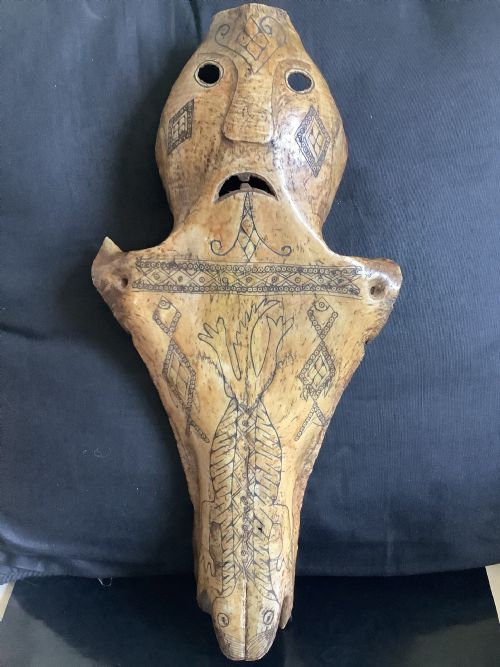
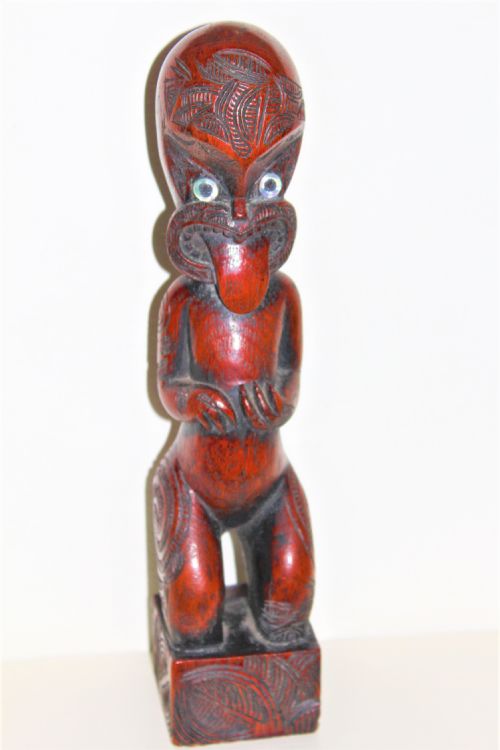
When a buyer searches for oceanic tribal art, they encounter a range of functional and ceremonial objects originating from indigenous communities across the Pacific and surrounding regions. The items appearing here span styles such as Oceanic Tribal, Indonesian Tribal, and Indigenous Australian, reflecting diverse cultural traditions.
The most common forms on this page include tribal artefacts, weapons, and sculptures dating predominantly from the nineteenth century. Buyers will frequently find items like war clubs, fighting clubs, hanging bowls, and throwing clubs fashioned by specific cultural groups.
Geographic origins recorded in the listings point towards regions such as west Timor, New Caledonia, Fiji, Papua New Guinea, and Australia. These pieces demonstrate the practical and symbolic material culture of societies that utilised local resources for daily survival and warfare.
How they were made
Makers utilised dense timbers such as hardwood and polished hardwood to carve durable implements, weapons, and vessels designed for practical resilience. These organic materials were shaped using traditional cutting tools to achieve distinct functional profiles, such as ribbed paddle clubs and spherical war club heads.
Many artefacts incorporate additional organic elements such as bone, fibre, rattan, and resin to bind, decorate, or reinforce the structure. Pigment is also applied to surfaces, providing colour and visual detail that distinguishes individual cultural artefacts.
Oceanic Tribal Art Retail Price Guide 2026
Typical asking prices for oceanic tribal art among the pieces listed under this phrase on Sellingantiques today, from the lower quarter to the upper quarter. They describe what is for sale here now, not the wider market.
Early nineteenth century warriors clearly understood aerodynamics, balancing heavy hardwood clubs so precisely that a single throw could settle an argument instantly.
What varies in quality
Quality separates objects by the crispness of the carving, the integrity of the natural materials, and the presence of authentic tribal wear gained through traditional handling. Superior examples display balanced proportions and precise tool marks that reveal the skill of the maker.
The depth of cultural context and the preservation of original elements like fibre bindings or surface pigment influence the distinction between standard artefacts and exceptional sculptural forms.
Atoni people·Kanak·Maori
The Oceanic Tribal Art Glossary
- Hardwood
- Dense timber derived from broad-leaved trees, utilised extensively in the construction of durable weapons and implements across indigenous societies.
- Woomera
- An Indigenous Australian spear thrower that increases the velocity and force of a launched spear through leverage.
- Pigment
- Coloured powder or paste applied to the surface of wooden artefacts and sculptures for decorative or ritual purposes.
- Rattan
- A climbing palm used flexibly as a binding or weaving material on various cultural artefacts and weapons.
- Ula drisia
- A specific type of Fijian throwing club characterised by its distinct lobed head used in warfare.
Oceanic Tribal Art: Frequently Asked Questions
What is a woomera used for?
A woomera acts as a spear thrower, functioning as an extension of the arm to provide greater leverage and velocity during hunting or conflict.
These wooden implements reflect indigenous engineering and are collected as significant examples of Australian material culture.
How do you date nineteenth century clubs?
Dating relies on recorded provenance, material patina, tool mark analysis, and stylistic comparisons with documented indigenous artefacts from the same era.
Nineteenth century pieces often display specific signs of traditional hand-tool manufacture prior to industrial influence.
What materials make up these weapons?
The primary material is dense tropical or native hardwood, sometimes enhanced with bone, fibre, rattan, resin, and applied pigment.
These natural components were locally sourced and selected for strength and weight in combat and ceremonial settings.