




Tribal Wooden Club
These tribal wooden club examples span nineteenth-century Oceanic, African, and Indigenous Australian traditions, offering collectors dense hardwoods shaped for combat, ceremony, and status.
Tribal Wooden Club
A tribal wooden club encompasses utilitarian weapons, ceremonial symbols, and status items from Southern African, Oceanic, and Australian Indigenous cultures. When browsing this selection, you encounter items predominantly dated to the nineteenth century, reflecting nineteenth-century craftsmanship and martial traditions.
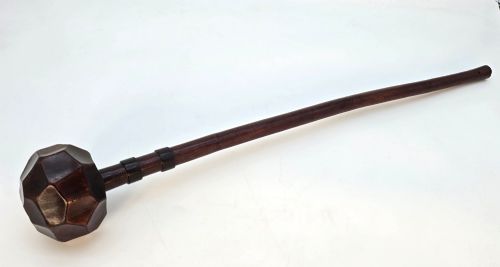
Most pieces on this page emerge from regional traditions such as Zulu, Fijian, Kanak, and Aboriginal communities. These artefacts serve as tangible connections to historic indigenous material culture, preserved through hardwood construction and traditional hand-shaping.
How they were made
Makers shaped these objects from dense local hardwoods and indigenous hardwoods, selecting timbers that offered both weight and resilience for striking or throwing. Workers utilised manual tools to carve the raw timber, often incorporating plant fibre bindings or natural resin to secure components.
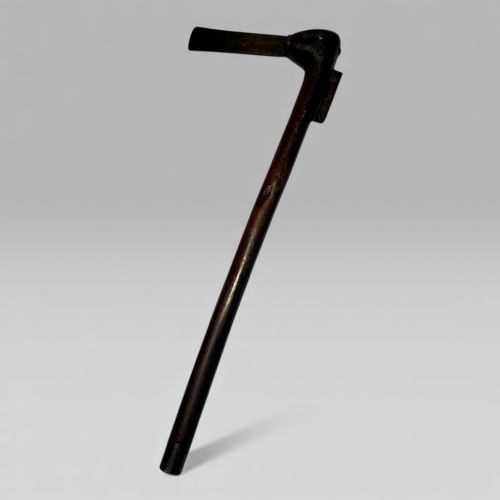
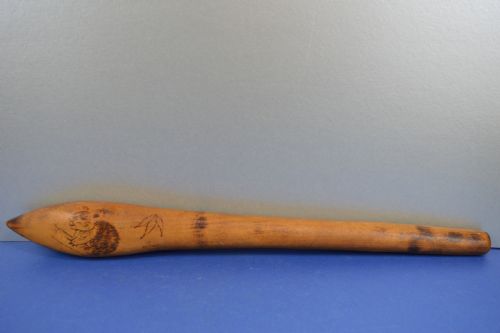
Some examples integrate forged iron or iron elements alongside the primary wooden structure, particularly in ceremonial axes and specialised regional weapons. The surface finishes range from plain polished hardwood to textured ribs and carved bird heads, achieved entirely through traditional hand-crafting methods.
What varies in quality
The standard of a piece rests upon the crispness of its carving, the integrity of the timber, and the balance of the form. Superior examples display confident, purposeful shaping by the maker, with deep relief work and well-maintained surfaces that retain their original character.
Provenance and historical attribution significantly influence the standing of an artefact within this field. Pieces that retain clear regional characteristics, such as specific Oceanic or Southern African motifs, command greater attention from serious collectors.
The Tribal Wooden Club Glossary
- Knobkerrie
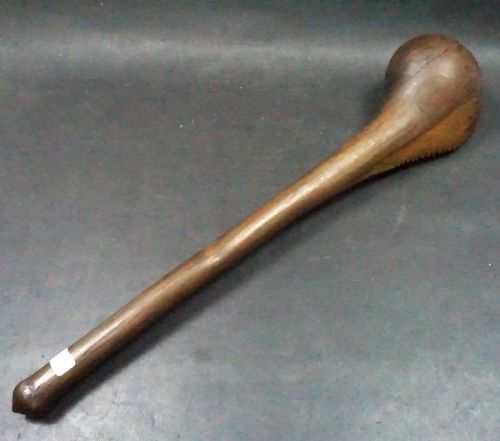
- A traditional Southern African club featuring a heavy spherical or rounded head mounted on a slender wooden shaft. It served as both a hunting weapon and a close-combat tool.
- Nulla-nulla
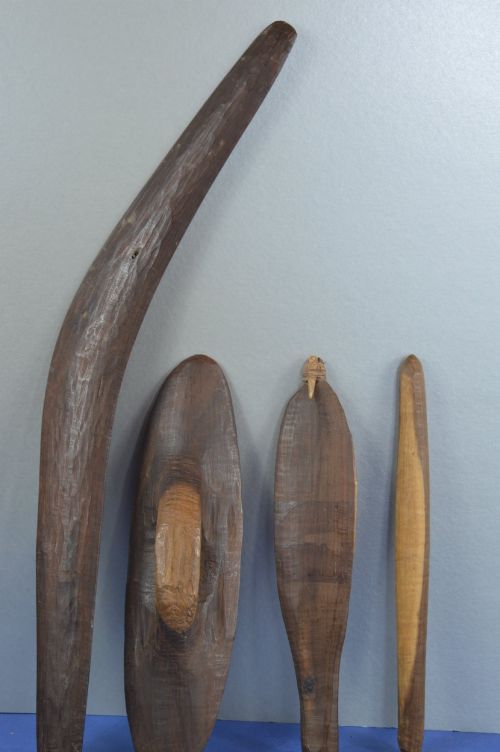
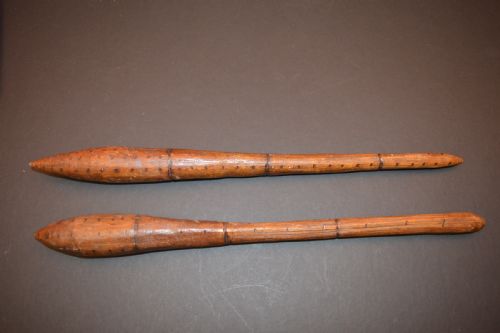
- An Australian Aboriginal wooden club or throwing stick used for hunting and fighting. These items are typically balanced for accurate hurling over moderate distances.
- Ula
- A traditional throwing club originating from Fiji, distinguished by its heavily lobed or root-stock head. Warriors used these in combat and hurled them effectively at retreating enemies.
- Vunikau
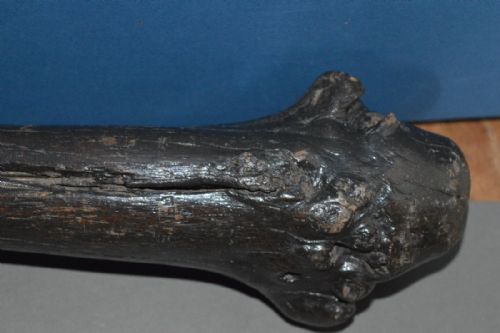
- A Fijian war club fashioned from the natural root-stock of a tree to form a dense, heavy striking head. This method ensured maximum structural strength for martial use.
- Ethnographic art
- Objects created by indigenous peoples, encompassing utilitarian items imbued with cultural, ritual, or social significance. This category spans weapons, tools, and ceremonial pieces.
Tribal Wooden Club: Frequently Asked Questions
How were tribal wooden clubs used?
These clubs served diverse functions ranging from close-quarters combat and ranged hunting to ceremonial displays of status. Warriors and hunters relied on their heft and balance for survival.
In many communities, specific designs also denoted the rank or authority of a chief or messenger. Ceremonial axes and royal pieces carried symbolic weight far beyond basic utility.
How do I care for historic clubs?
Keep wooden artefacts away from direct sunlight and sudden humidity shifts to prevent the timber from splitting. A stable indoor environment preserves the natural resin and fibre elements.
Avoid applying modern polishes or oils to the surface. Gentle dusting with a dry, soft cloth is sufficient for ongoing maintenance.
How do I identify the regional origin?
Regional origin is revealed through specific stylistic markers, such as the spherical head of a knobkerrie or the flattened blade of a Polynesian paddle club. Carving patterns and wood types offer further clues to geographic provenance.
Comparing items with documented museum pieces helps confirm whether a work belongs to Oceanic, African, or Australian Indigenous traditions.
Are these items authentic period pieces?
The selection includes authentic nineteenth-century artefacts alongside examples from around nineteen hundred. Material wear, tool marks, and traditional construction methods help indicate age.
Examine the patina of the hardwood and the integration of any plant fibre or iron components to assess the historical context of the object.