



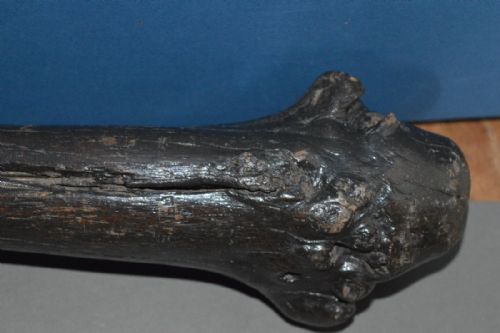
Indigenous Wooden Weapons
Indigenous wooden weapons are utilitarian implements from various global traditions, offering collectors remarkable historic craftsmanship and functional artistry.
Indigenous Wooden Weapons
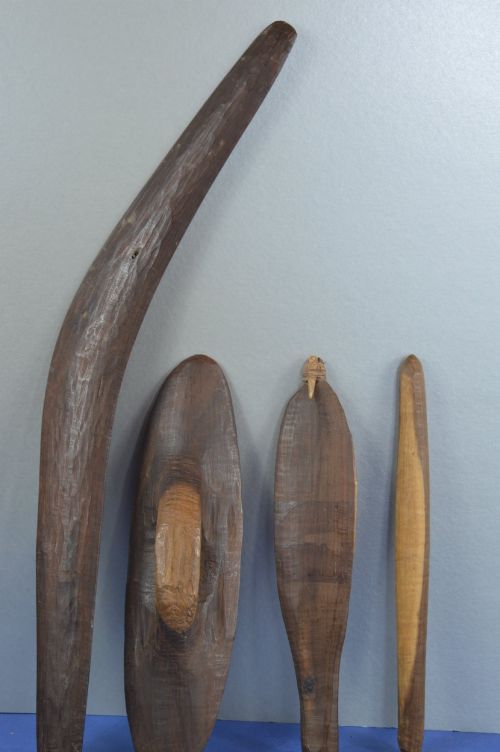
When you search for indigenous wooden weapons, you encounter material culture originating from diverse geographic regions and distinct tribal traditions. The pieces listed on this page predominantly date from the nineteenth century, with specific examples extending into the eighteenth century.
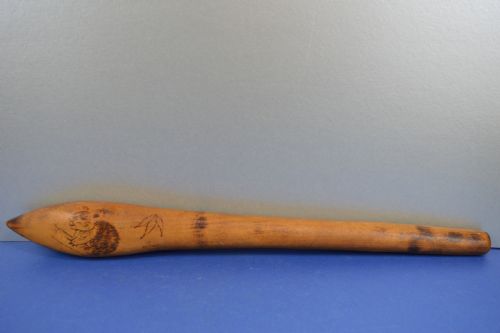
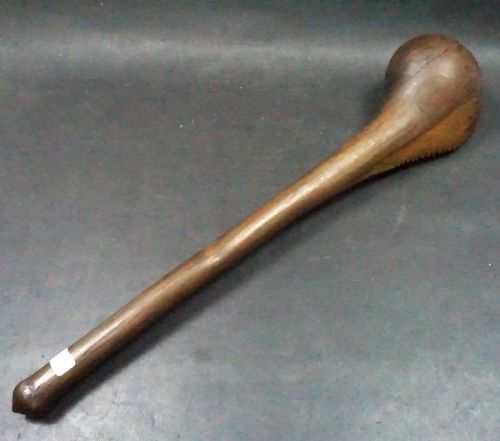
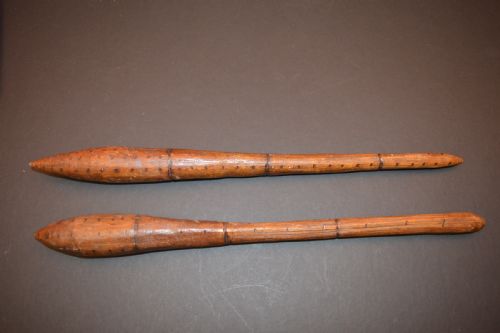
Forms include throwing clubs such as nulla-nullas, knobkerries, and oceanic war clubs, alongside specialised items like woomeras and ribbed paddle clubs. These objects span Oceanic tribal art, Indigenous Australian traditions, and Southern African tribal contexts.
A buyer examining these categories will find hunting sets tailored for children as well as full-size conflict implements. Each object reflects the specific utilitarian and cultural requirements of its makers.
Materials and construction
Makers shaped these implements from dense, durable hardwood sourced locally to their respective environments. The natural strength of this material ensured structural integrity during combat or hunting activities.
Additional organic materials such as plant fibre, natural resin, and sinew appear in the construction and binding of the items. These elements provided necessary reinforcement and practical utility without the use of metal.
Current listings feature nineteenth-century items alongside an eighteenth-century Fijian club, constructed from hardwood, plant fibre, and natural resin.
Assessing quality and authenticity
The degree of surface patination and honest wear resulting from actual use distinguishes significant historical examples from later utility pieces. Authentic handling marks demonstrate the functional history of the object within its original community.
Carving precision and sculptural form define the finer examples in this category, particularly where regional artistic conventions dictate handle decoration or clubhead geometry. The balance of the object and the integrity of the timber grain further indicate the skill of the maker.
The Indigenous Wooden Weapons Glossary
- Nulla-nulla
- An Australian Aboriginal wooden club or throwing stick used for hunting and fighting. These items typically feature a rounded or bulbous head designed for impact.
- Woomera
- An Australian Aboriginal spear-thrower that increases the velocity and force of a thrown spear. It doubles as a tool for carrying items or mixing materials.
- Knobkerrie
- A traditional Southern African wooden club with a heavy knob at one end. This weapon serves both defensive purposes and as a symbol of status.
- Vunikau
- A Fijian war club carved from the rootstock of a tree. This construction method provides exceptional natural weight and structural strength.
Indigenous Wooden Weapons: Frequently Asked Questions
How were these weapons used?
The objects served functional roles in tribal warfare, hunting expeditions, and daily subsistence activities. Throwing clubs were deployed against game or adversaries, while woomeras amplified the range and impact of hurled spears.
Some items, such as child-sized hunting sets, also fulfilled educational or cultural roles within the community. Their design directly reflects the physical demands of their original environments.
How do I live with these pieces?
Displaying these artefacts requires stable indoor conditions away from direct sunlight and extreme humidity fluctuations to protect the ancient timber. Wall mounting brackets or custom stands allow the sculptural forms to be appreciated safely.
Because these are historic ethnographic items, gentle handling preserves the original surface patination and organic bindings like sinew or resin.
How do I tell periods and types apart?
Typologies are defined by regional carving styles, such as the distinct ribbed paddles of Polynesia or the bulbous heads of Australian nulla-nullas. Geographic origin dictates the specific timber species and secondary materials utilised.
Dates are assessed through stylistic conventions, wear patterns, and historical documentation associated with specific eras like the nineteenth or eighteenth centuries.