


Dark Wood Carved Bowl
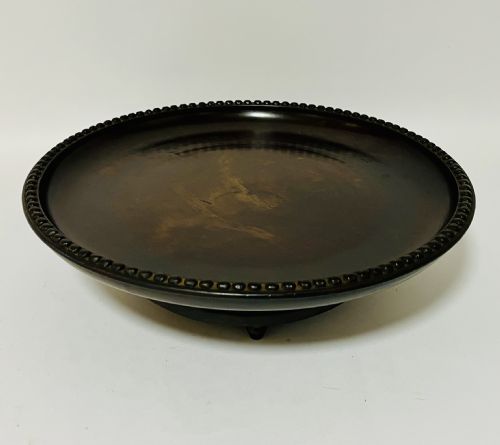
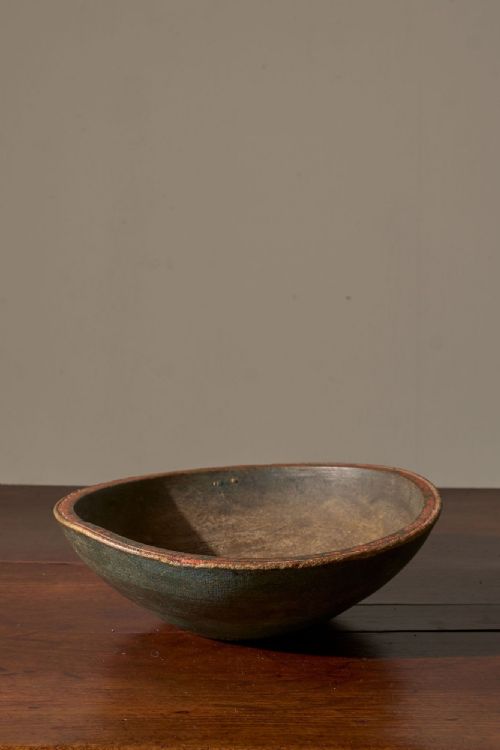
A dark wood carved bowl brings tactile warmth to a room, drawing the eye with rich grain and hand-carved detail.
Dark Wood Carved Bowl
A dark wood carved bowl encompasses a wide array of turned and sculpted vessels originating from diverse global traditions. When examining a dark wood carved bowl on this page, a buyer encounters forms ranging from European folk art and Black Forest garnitures to Asian hardwood stands and tribal hanging vessels.
The selections span several centuries, reaching back to the seventeenth century with turned mortars and extending forward through the nineteenth century and the early twentieth century. Common physical manifestations include decorative table centrepieces, lidded garniture pieces, fruit bowls, and utilitarian lawn bowls.
Geographic origins vary significantly, reflecting local timber availability and vernacular carving techniques. Buyers find examples from Swiss, Swedish, English, Chinese, Indian, and Papuan traditions, each offering a distinct aesthetic vocabulary rooted in its specific period.
Materials and construction methods
Makers utilised dense timbers such as lignum vitae, shisham wood, oak, and rosewood to ensure durability and allow for crisp, detailed carving. These dark woods were often turned on a lathe or hand-chiselled from solid blocks, preserving the natural grain beneath surface finishes.
Selected pieces incorporate mixed media, pairing carved wooden structures with brass, cut crystal inserts, ceramic jacks, or mother-of-pearl inlay. Painted surfaces and dark staining were also applied to specific regional items, notably within Swedish country traditions.
A stoic wooden bear stands ready to hold your trinkets, proving that nineteenth-century Swiss carvers knew how to mix utility with a growl.
Factors of distinction
Quality rests in the precision of the carving and the stability of the timber over time. Deep, expressive relief work, such as that seen in Black Forest or Swiss folk art examples, demonstrates a higher tier of artisan skill compared to simpler turned surfaces.
The integrity of the material condition dictates value. Pieces that retain their original structural form without excessive splitting, alongside intact auxiliary elements like crystal inserts or mother-of-pearl panels, represent the finer end of the available range.
The Dark Wood Carved Bowl Glossary
- Lignum vitae
- An extremely dense and heavy wood traditionally utilised for turned items like mortars and lawn bowls. Its natural oils give it a distinctive dark appearance and high durability.
- Black Forest
- A nineteenth-century carving style originating in central Europe, characterised by naturalistic depictions of animals and foliage rendered in dark woods. These pieces often take the form of garnitures or decorative centrepieces.
- Garniture
- A set of ornamental vessels designed to be displayed together on a mantelpiece or sideboard. They typically comprise a central piece matched with smaller flanking vessels.
- Tea poy
- A small stand or table historically used to hold tea caddies. Examples in dark woods feature lidded compartments or carved basins intended for domestic utility.
- Epergne
- A large table centrepiece featuring a central dish or tier with branching attachments for holding fruit, sweets, or cut crystal vessels. They serve as elaborate focal points for dining tables.
Dark Wood Carved Bowl: Frequently Asked Questions
What were these bowls originally used for?
Many of these vessels served specific domestic and social functions, ranging from food service and fruit display to yard games like lawn bowling and apothecary preparation.
Other items were purely decorative or ceremonial, functioning as centrepieces, vase stands, or hanging receptacles within traditional households.
How do I care for dark wood bowls?
Keep wooden vessels away from direct sunlight and sudden temperature shifts to prevent the timber from drying out and splitting over time.
Maintain the surface by occasionally applying appropriate natural waxes or oils suitable for historic hardwoods, avoiding excessive moisture.
How can I tell the period of a carved bowl?
Dating relies on identifying the characteristic tool marks, wood species, and regional carving styles associated with specific centuries, such as seventeenth-century turning techniques.
Comparing the form and ornamentation against documented examples from periods like the Edwardian era or nineteenth-century Black Forest workshops provides further clarity.
Are these bowls suitable for daily use?
While historic pieces were often utilitarian, many antique bowls function best today as decorative display objects rather than for heavy daily service.
Using them for dry items like fruit or potpourri preserves their historic surfaces while allowing them to remain part of a living space.