





Tribal Carved Bone
Tribal carved bone objects connect you directly to distant traditions through the skilful manipulation of organic material.
Tribal Carved Bone
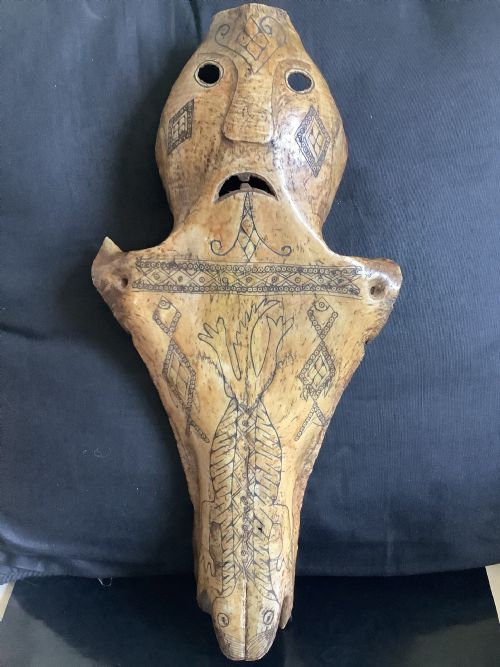
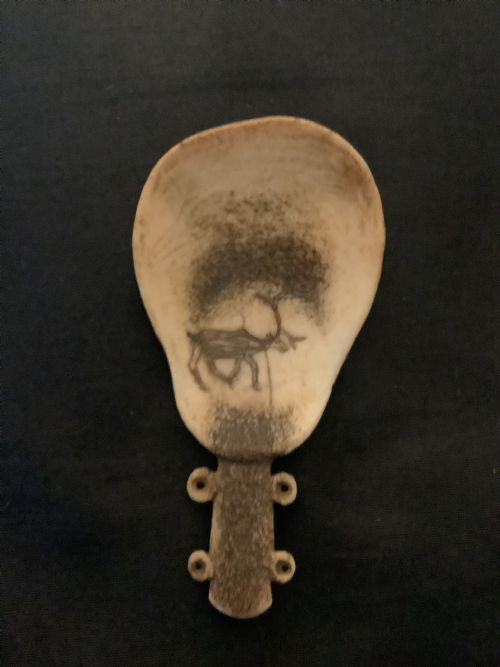
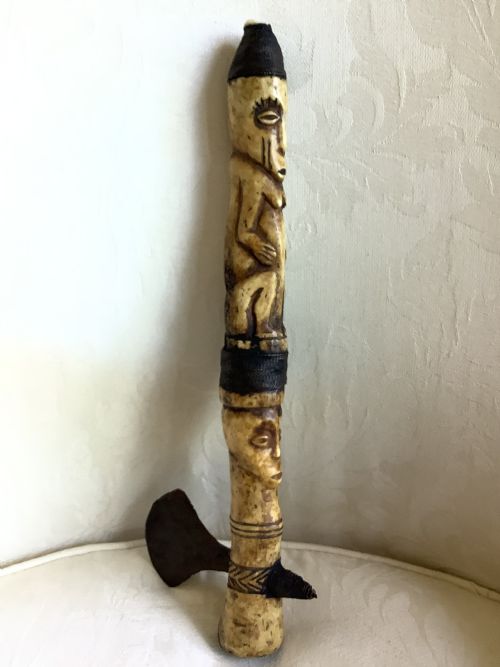
Most pieces date from the nineteenth and early twentieth centuries, reflecting traditional craftsmanship from regions including Africa, the Arctic, and Oceania. Sculptures and animal figures, such as whalebone statues and hippopotamus studies, appear frequently alongside practical implements.
Makers utilised available natural resources, combining bone and whalebone with wood, leather, and metal to create functional and symbolic objects. Each item carries the distinct aesthetic of its originating culture, whether Inuit, African tribal, or Indo-Persian.
What varies in quality
The degree of anatomical accuracy and finesse in the carving separates standard utilitarian items from exceptional sculptural works. Crisp lines in detailed figural pieces indicate superior craftsmanship by the maker.
Surface preservation and original patination heavily influence the desirability of an object. Intact auxiliary materials, such as original shell inlay or leather bindings, maintain the historical integrity of the piece.
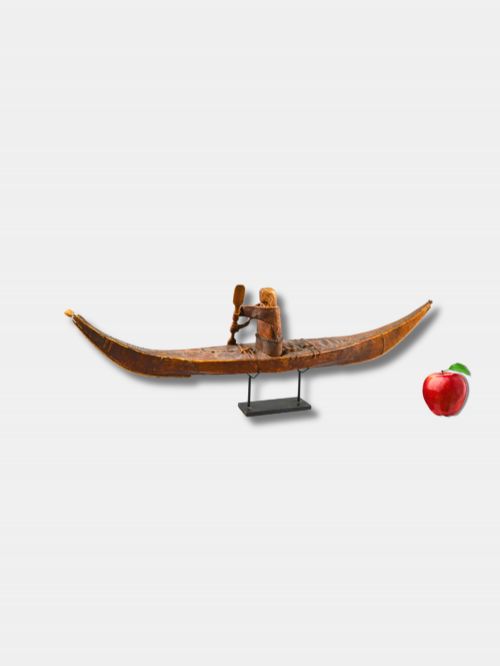
A nineteenth-century Inuit sculptor immortalised an Eskimo in a kayak using a modest combination of wood, seal skin, and bone.
The Tribal Carved Bone Glossary
- Tupilak
- A carved mythological figure created by Inuit shamans to represent and combat hostile spirits. These are typically fashioned from whale bone or vertebrae.
- Whalebone
- Dense skeletal material derived from cetaceans, utilised extensively by Arctic cultures for carving durable implements and figurative statues. It offers a heavy, close-grained alternative to terrestrial bone.
- Patina
- The surface sheen and colour depth acquired by organic materials through age, handling, and exposure to environmental elements. A rich patina indicates long-term use and natural ageing.
- Inlay
- A decorative technique where contrasting materials like shell are set flush into recesses carved within the primary bone or wood surface.
Tribal Carved Bone: Frequently Asked Questions
How do I care for bone artifacts?
Bone requires stable environmental conditions with moderate humidity to prevent drying and cracking. Keep pieces away from direct sunlight and sudden temperature fluctuations.
Avoid using harsh cleaning agents or water on antique bone objects. A soft, dry cloth is sufficient for removing dust from carved surfaces.
How are Inuit carvings identified?
Inuit carvings often utilise marine mammal materials such as whalebone, whale vertebrae, and walrus ivory. Common subjects include animals, kayaks, and mythological figures like tupilaks.
These pieces typically date from the nineteenth century and reflect the subsistence lifestyle and spiritual beliefs of Arctic communities. The distinct forms and choice of materials aid in attribution.
What indicates an older bone carving?
Older bone carvings display a deep, natural patina resulting from decades of handling and oxidation. Tool marks left by hand implements rather than modern machinery also suggest significant age.
Wear patterns around suspension holes or gripping areas indicate functional use within a traditional context. Documentation or provenance matching specific nineteenth-century styles further supports the dating.