




Antique Apothecary Equipment
These antique apothecary equipment pieces are functional medical implements and dispensers, offering sturdy bronze and cast iron design for collectors and period interiors.
Antique Apothecary Equipment
When you search for antique apothecary equipment, you encounter practical dispensary instruments and storage pieces spanning several centuries of medical history. The selection here ranges from heavy bronze and brass mortar and pestle sets to wooden tabletop cabinets and specialised tools.
You are most likely to meet 19th Century bronze and brass mortars alongside Edwardian and Georgian examples made from ceramic, beech, and lignum vitae. These objects reflect the daily work of chemists, doctors, and veterinary surgeons before modern mass production.
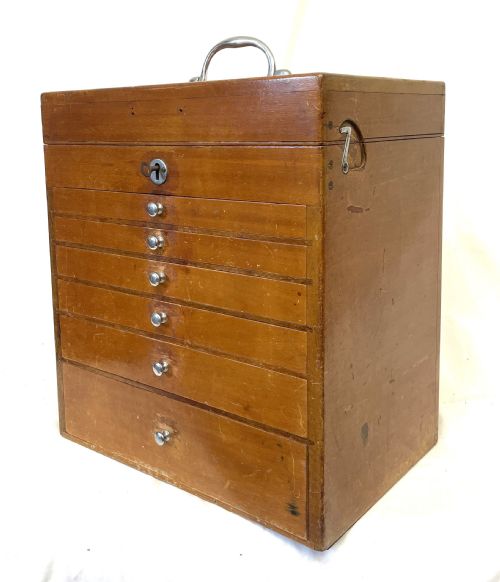
Form follows function across these listings, encompassing medical antiques, scales, and tabletop cabinets designed with multiple drawers. Styles stretch from Industrial Utility and Gothic Revival to traditional Victorian and Georgian domestic utility.
How they were made
Metal items such as mortars and pestles utilise cast bronze, brass, cast iron, and steel, shaped through founding and forging techniques. These dense metals provided the necessary weight and durability for crushing medicinal ingredients.
Wooden objects combine pine, beech, tortoiseshell, and lignum vitae, often shaped with turned details and fitted with leather or metal hardware. Cabinet pieces rely on traditional joinery to house multiple drawers for equipment storage.
Antique Apothecary Equipment Retail Price Guide 2026
Typical asking prices for apothecary equipment among the pieces listed under this phrase on Sellingantiques today, from the lower quarter to the upper quarter. They describe what is for sale here now, not the wider market.
Object forms recorded here include tabletop cabinets, medical scales, cork presses, and numerous variations of mortars and pestles.
What varies in quality
Quality rests in the weight, material density, and crispness of cast or turned details across each piece. Heavier bronze and brass examples with clean casting marks and uniform patination occupy the upper tier of the range.
The integrity of wooden cabinets and the preservation of original metal components dictate distinction among functional tools. Pieces retaining their matching pestles or complete drawer configurations demonstrate higher craftsmanship.
The Antique Apothecary Equipment Glossary
- Mortar and Pestle
- A heavy bowl and club-shaped tool used for grinding and crushing substances. These implements form the backbone of early medical preparation equipment.
- Lignum Vitae
- A dense, hard wood frequently utilised for turning mortars and pestles. Its natural oils and weight made it ideal for heavy compounding tasks.
- Cork Press
- A mechanical device used by chemists to compress and fit bottle corks securely. Late Victorian examples typically employ cast iron construction.
- Lancet
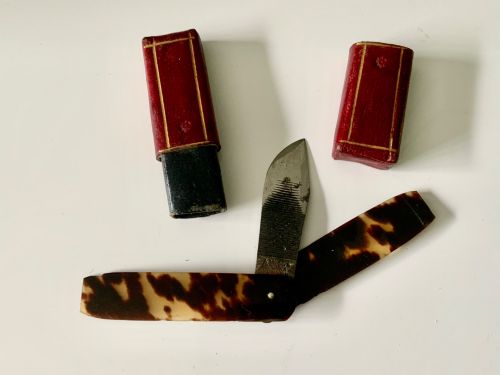
- A small surgical instrument with a sharp point used for bleeding or vaccinations. Veterinary and human medical examples date primarily from the nineteenth century.
Antique Apothecary Equipment: Frequently Asked Questions
What materials make up these apothecary tools?
The listings show a heavy reliance on metals such as bronze, brass, cast iron, and steel for crushing and pressing implements. Wooden elements incorporate pine, beech, and dense lignum vitae alongside tortoiseshell and leather.
Ceramic components also appear in specific mixing and grinding pieces. Each material was chosen for its durability against chemical and physical wear.
How were these equipment pieces used historically?
Apothecaries and chemists utilised mortars and pestles to grind raw ingredients into powders and pastes for medical remedies. Cabinets housed small instruments, ingredients, and specialised tools like vaccinating lancets.
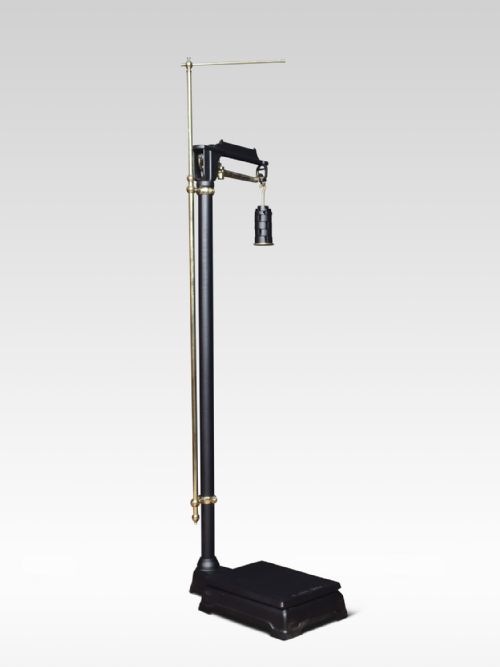
Scales weighed precise doses, while cork presses prepared bottle closures for dispensing medicines. Every item served a distinct role in the daily routine of a nineteenth or early twentieth-century dispensary.
How can I date an apothecary mortar?
Dating relies on the material composition, casting style, and decorative motifs present on the body. Seventeenth-century examples display simpler, heavier casting, while Georgian and Victorian pieces often incorporate more refined decorative bands or maker details.
Industrial utility pieces from later periods show standardised manufacturing methods. Comparing the wear patterns and wood types helps narrow the period of origin.
How do I care for antique medical wood and metal?
Metal items require gentle dusting and occasional cleaning to preserve their natural patination without stripping historical surfaces. Wooden cabinets and lignum items benefit from controlled humidity and minimal moisture exposure.
Keeping these pieces away from direct heat sources prevents the wood from splitting or warping. Regular handling helps maintain the natural oils in dense timbers like lignum vitae.