

Antique Drinking Vessel
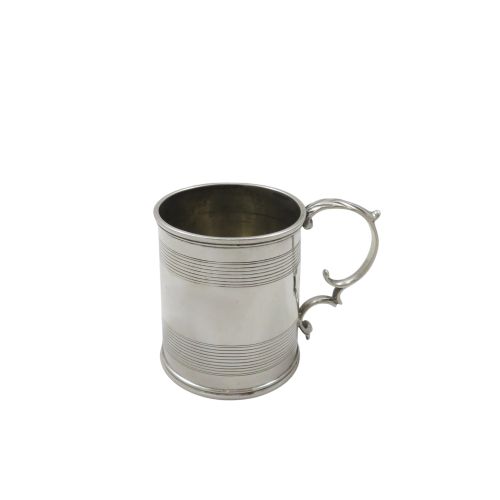
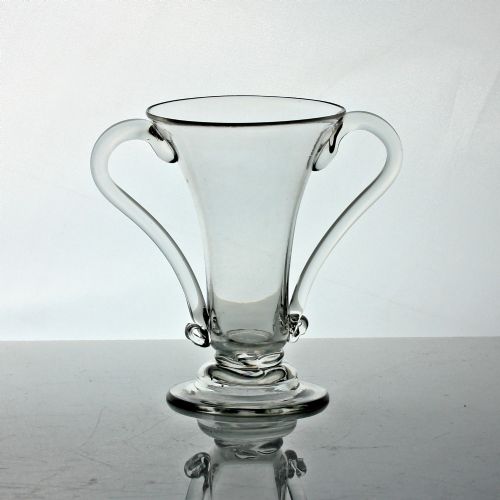
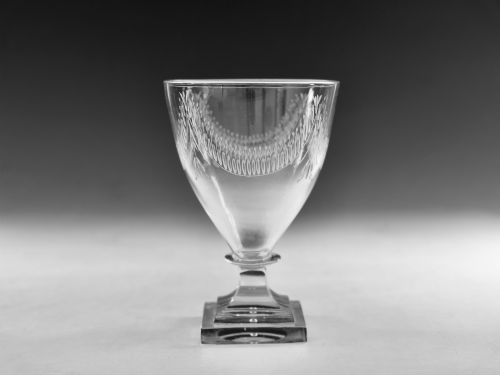
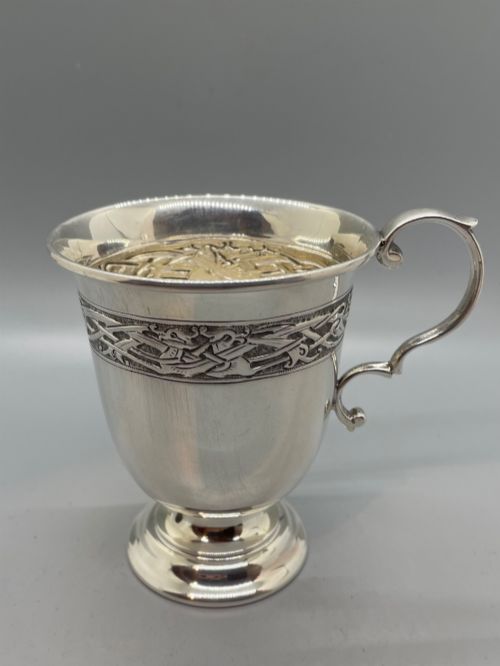
An antique drinking vessel brings centuries of social ritual straight to your hands, spanning tactile treen staved bickers, sturdy pewter tankards, and delicate glass goblets.
Identifying your antique drinking vessel
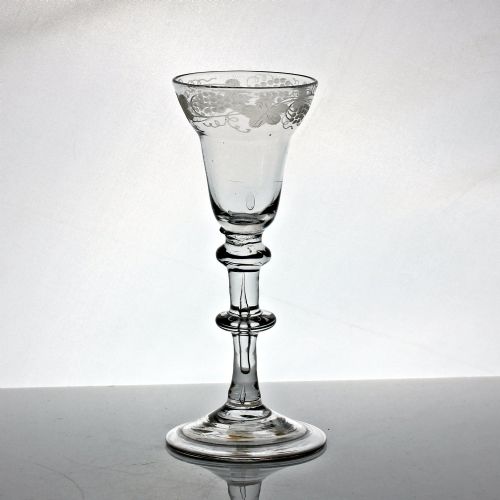
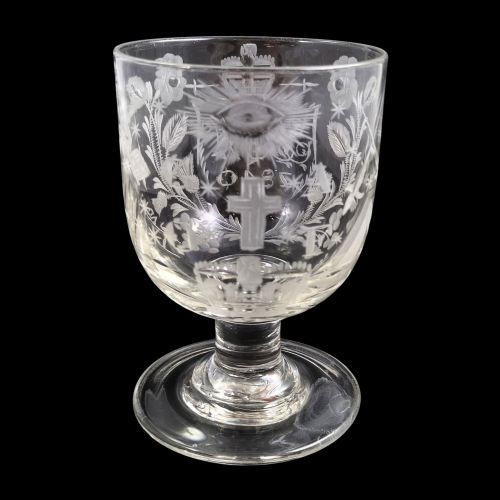
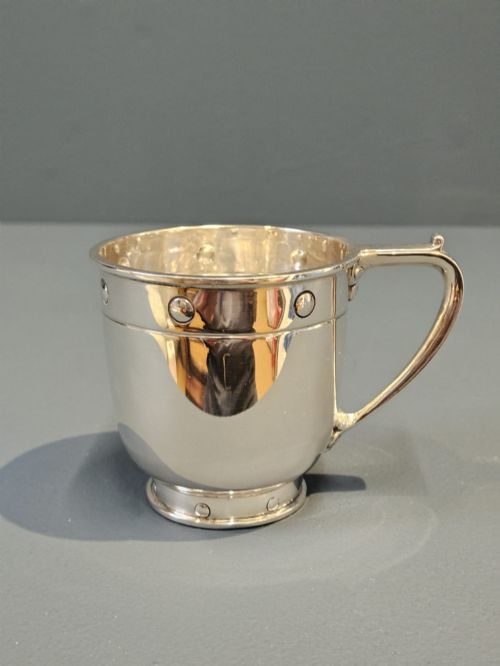
Every antique drinking vessel on this page carries the weight of past domestic life, from humble tavern tankards to polite parlour glassware. When you search for an antique drinking vessel, you encounter a remarkable diversity of forms shaped by regional craft traditions and shifting social habits.
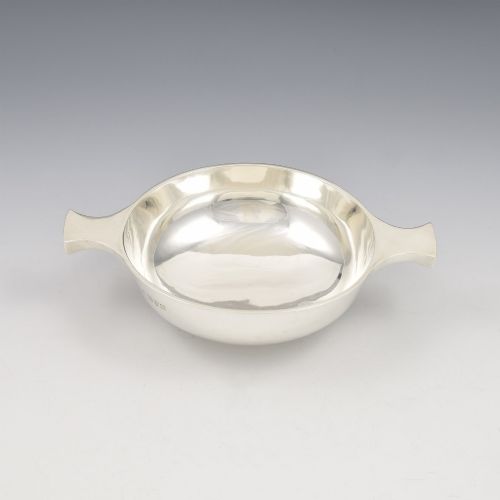
The most common finds include traditional Scottish treen bickers, luggies, and quaichs alongside English pewter tankards and salt-glazed stoneware. These pieces range from seventeenth-century Bohemian engraved wine glass goblets to eighteenth-century Georgian lignum vitae pedestals and Regency porcelain stirrup cups.
Vessels divide simply between communal drinking bowls and individual vessels meant for ale, wine, or spirits. You will find seventeenth and eighteenth-century examples sitting comfortably alongside nineteenth-century Scottish pine and staved vessels.
Materials and construction
Makers shaped lignum vitae and pine into pedestals, quaichs, bickers, and luggies using dense hardwoods and traditional staved construction. Cooperage techniques relied on tight wooden staves bound closely together to hold liquid without modern adhesives.
Metalworkers cast pewter into one-pint dome lid tankards while silversmiths utilised Old Sheffield Plate for quart-sized drinking vessels. Potters shaped salt-glazed stoneware with cobalt decoration, and glassblowers formed fragile wine goblets requiring intricate hand engraving.
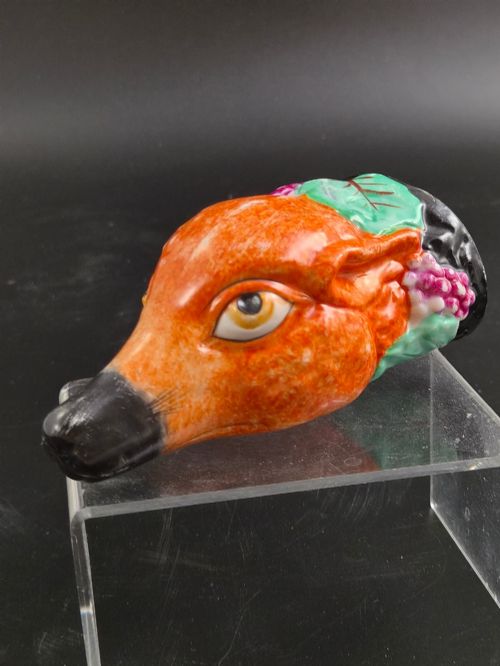
Porcelain factories moulded fine ceramic bodies into novel shapes like fox head stirrup cups, finishing them with hand-painted details and gilding.
Retail Price Guide 2026
Typical UK retail prices for drinking vessel, calculated from the Sellingantiques database of over a million retail prices indexed since 2003. This retail price guide relies exclusively on Sellingantiques data; no external sources or auction records are used, so the figures do not describe the wider market.
One unfortunate fox had to lose its head so Regency gentlefolk could enjoy a stirrup cup without putting it down.
Judging quality and character
Quality rests in the harmony between material selection and the integrity of the maker's technique, such as the tight fit of staves in a wooden bicker or the crispness of armorial casting on a pewter tankard. A superior vessel shows confident handling of difficult mediums like dense lignum vitae or brittle salt-glazed stoneware.
Wear tells an honest story of use, but the best survivors retain their structural stability and original surface patination. Where handles, lids, and mounts remain intact without clumsy restoration, the piece holds its intended architectural balance.
Burgum And Catcott·Derby
The Antique Drinking Vessel Glossary
- Treen
- Small handmade wooden items produced from indigenous timber. This term covers everything from nineteenth-century Scottish pine drinking vessels to turned lignum vitae goblets.
- Bicker
- A traditional small Scottish staved and banded wooden drinking vessel with two flat handles or lugs. These pieces served communal or individual measures of ale or whisky.
- Quaich
- A shallow two-handled drinking vessel native to Scotland used for a nip of whisky. Traditional examples often feature staved wooden staves held together by wooden or metal bands.
- Old Sheffield Plate
- A composite material made by fusing a thin sheet of silver to a thicker copper base. It appeared on eighteenth-century quart tankards before modern electroplating techniques.
- Salt-Glazed Stoneware
- A dense ceramic pottery glazed by throwing common salt into the kiln during high-temperature firing. The process leaves a characteristic orange-peel texture across the surface.
Frequently Asked Questions
What were antique wooden drinking vessels used for?
Scottish treen vessels like quaichs, bickers, and luggies served daily measures of ale, milk, or whisky in domestic settings. Their portable staved construction made them practical for travel and hospitality.
Over generations, these pieces evolved from purely utilitarian household equipment into cherished social objects passed down through families.
How do I care for wooden treen drinking vessels?
Keep wooden vessels away from direct sunlight, central heating sources, and sudden temperature shifts that cause timber to dry and crack. Maintain the dry patination by avoiding harsh modern detergents or soaking.
Gentle dusting and occasional exposure to air preserve the historic surface without stripping the centuries of handling.
What is the difference between a bicker and a quaich?
A bicker is a small staved wooden vessel often fitted with two flat handles, historically used for drinking or porage in Scottish households. A quaich is specifically a shallow two-handled drinking bowl designed for spirits.
Both rely on traditional cooperage methods using wooden staves and bands rather than turning from a single solid block.
How can I tell eighteenth-century pewter from later metal?
Eighteenth-century pewter carries a deeper, softer surface patination and often bears maker touchmarks or capacity stamps like tavern verification marks. The alloy balance differs from nineteenth-century metal, showing a duller, warmer grey tone.
Inspect the weight and construction details such as lid hinges and handle attachments to understand the manufacturing period.